
BACKROOMS BLACKOUT 3D Beta is an early prototype that translates the creator's original Scratch backrooms concept into a three-dimensional exploratory build. This beta version of BACKROOMS BLACKOUT 3D Beta gives players an opportunity to test foundational systems rather than experience a polished game: the focus is on atmosphere, basic movement, collision behavior and the ways a backrooms-style layout functions in 3D. The release is intended for testers and curious players who want to observe development, report issues, and see how the original 2D design adapts to depth, lighting and navigation.
Key features
The prototype preserves the core layout and mood of the Scratch source while introducing 3D navigation and camera perspective. Players can move through interconnected rooms and corridors designed to evoke disorientation and slow exploration. Core mechanics are intentionally simple: walking, looking around, and basic collision with the environment to validate character movement and spatial reasoning. A newly added monster entity exists in this build; at present it does not actively chase players and may cause a softlock in specific situations, which is included deliberately so testers can reproduce and report the behavior.
Gameplay and controls
Gameplay centers on exploration and environmental awareness rather than objectives or combat. Controls are tuned for touchscreen devices and are straightforward: virtual stick or swipe movement combined with touch-to-look or drag camera input. For devices that support external controllers, basic mapping for analog movement and camera look is available where the platform permits it. Sessions are designed to be short and focused so testers can repeatedly enter problem areas and evaluate collision responses, animation transitions, and how the entity interactions affect progression.
Visual style and level structure
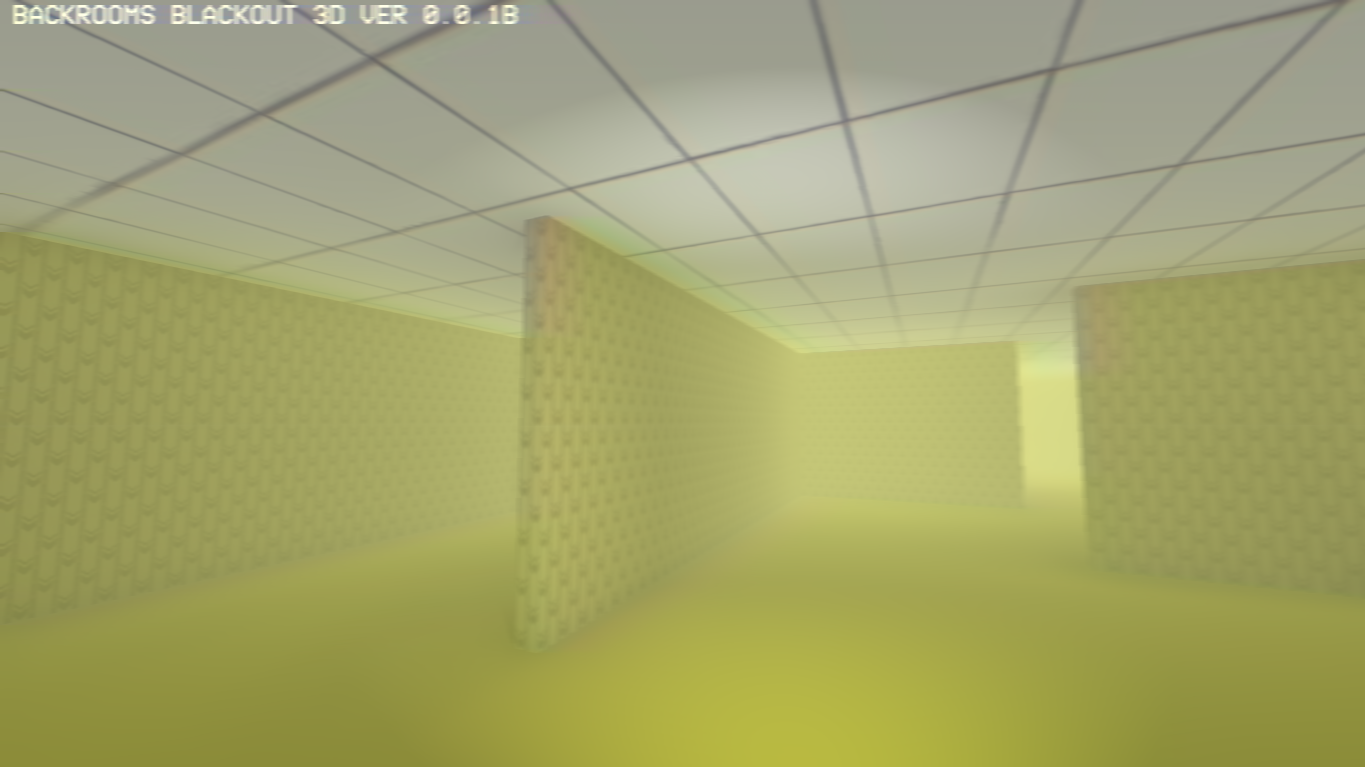
The visual presentation in this beta is intentionally lightweight to keep performance consistent across a range of Android hardware. The aesthetic leans on muted colors, dim lighting and simple geometry to emphasize atmosphere over detailed textures. Levels mirror the original project's layout logic: connected rooms, repeating corridors and occasional landmark features that help orient players even as the environment feels monotonous by design. This structure allows testers to check how spatial repetition, camera framing and lighting interact to create tension in a 3D space.
Progression, replay value and challenge
There is no elaborate progression system in this prototype; progression is primarily environmental and emergent as players explore new areas and encounter the prototype monster or reproduction conditions for known bugs. Replay value comes from rerunning short sessions to test different movements, camera behaviors, and interactions with the monster entity, as well as verifying fixes in later builds. Challenges arise from navigation, avoiding softlock scenarios, and understanding how collision and movement interplay in a confined layout rather than from enemies or scripted encounters.
Customization, settings and accessibility
To support testing across devices, the build includes basic settings for graphics quality, touch sensitivity and audio volume so testers can reproduce issues under different performance conditions. Accessibility-minded options, such as adjustable input sensitivity and the ability to reduce visual effects, are present to make it easier for a wider range of players to participate in testing. The emphasis is on configurable options that help identify whether a problem is device-specific, control-related or tied to a particular area of the level.
Offline play and user experience
The prototype runs offline as a single-player exploration experience; no network connection is required for normal use. The user experience is purposely raw: expect rough controls, occasional frame drops on older hardware, and minimal user interface elements. Testers are encouraged to focus on movement feel, collision accuracy, and how the environment communicates pathing and potential problem spots. The small build size and short-session design make it easy to try multiple runs during a single testing session.
Known issues and beta notes
As an early-stage release, this build contains expected bugs and stability issues typical of experimental prototypes. The monster introduced in this version can cause softlocks in specific configurations rather than engage in pursuit, which is included so players can reliably reproduce and report the condition. Reported issues help shape priorities for upcoming updates; developers are looking for clear reproduction steps, device model details and screenshots or recordings when possible. This release is not a finished product but a snapshot of ongoing development intended to collect actionable feedback.
Version information
This release is labeled BACKROOMS BLACKOUT 3D Beta to emphasize its testing status and lineage from the Scratch project. Future builds will address collision edge cases, refine movement responsiveness, and expand the behavior of entities based on tester reports. If you enjoy prototype testing or are interested in how 2D concepts move into 3D, this beta offers a concise and practical opportunity to contribute to development through hands-on feedback.