
Brick Line is a calming yet engaging brick-and-block puzzle game that invites casual players to relax their mind while exercising spatial reasoning. Brick Line pairs simple placement mechanics with steadily increasing puzzle complexity so you can pick up a session for five minutes or settle in for longer, focused play. The interface is deliberately uncluttered, keeping attention on the tiles and patterns rather than on flashy extras, which makes Brick Line comfortable for players who appreciate a minimalist puzzle experience.
Gameplay and controls
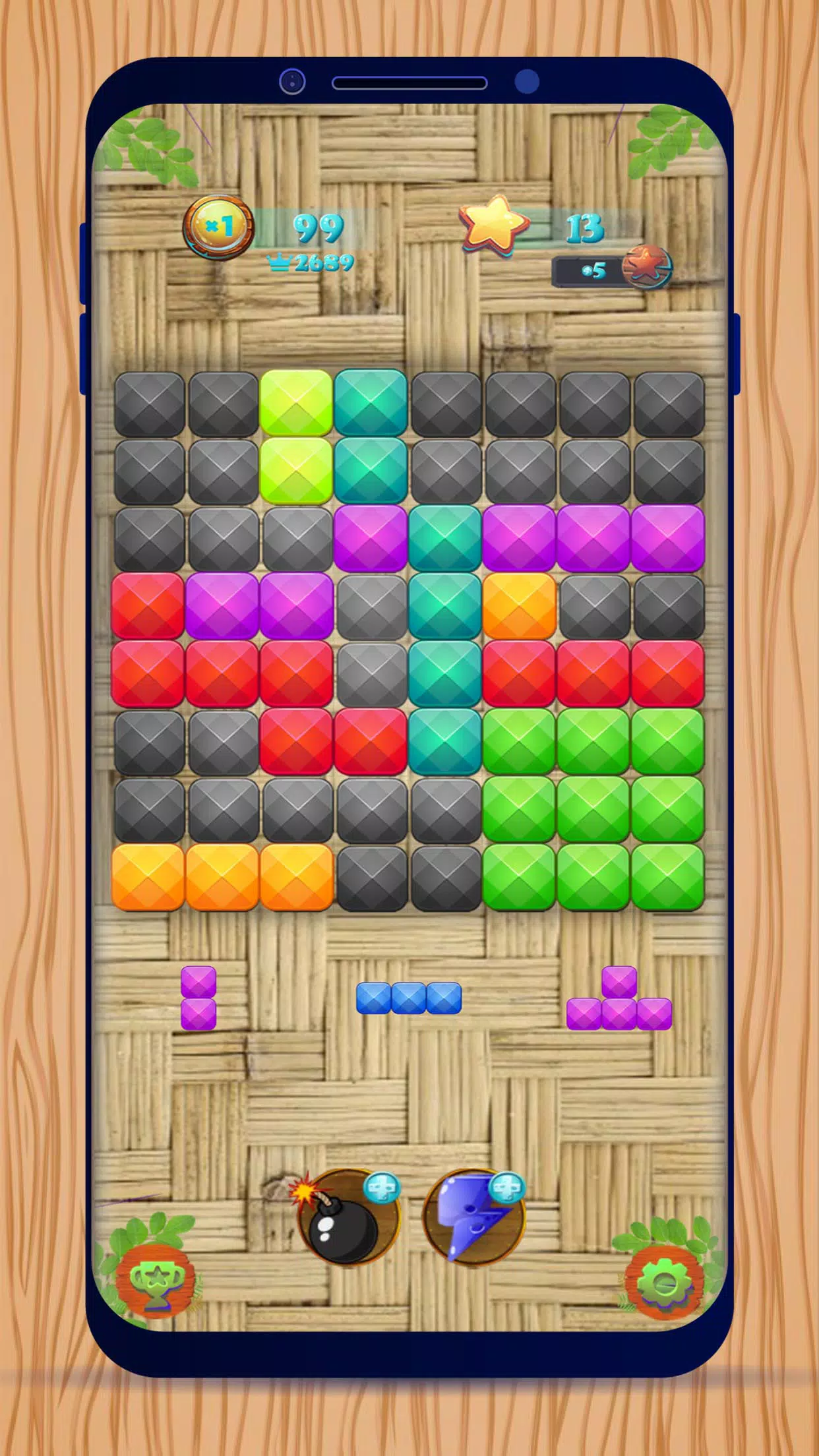
The core gameplay in Brick Line centers on placing blocks of different shapes onto a grid to complete lines and clear space. Controls are intentionally simple: drag pieces from the tray and drop them onto the board, and tap a placed piece to rotate it when rotation is available. Touch interactions are responsive and forgiving to support short, casual sessions on phones and tablets. There are no steep instructions to learn; the mechanics reveal themselves in the first few levels so new players can focus on pattern solving rather than complex rules.
Progression and level structure
Progress in Brick Line comes through a sequence of increasingly challenging puzzles. Early stages present small grids and familiar block shapes that build confidence, while later levels expand the grid size and introduce more varied tile arrangements that require forward planning. Each stage is designed to test spatial recognition and planning: as you advance, the game subtly shifts puzzle density and available piece types so players encounter fresh configurations without a jarring difficulty spike. Levels are short and self-contained, making it easy to finish a puzzle in one sitting and then try a slightly harder one when ready.
Visual style and customization
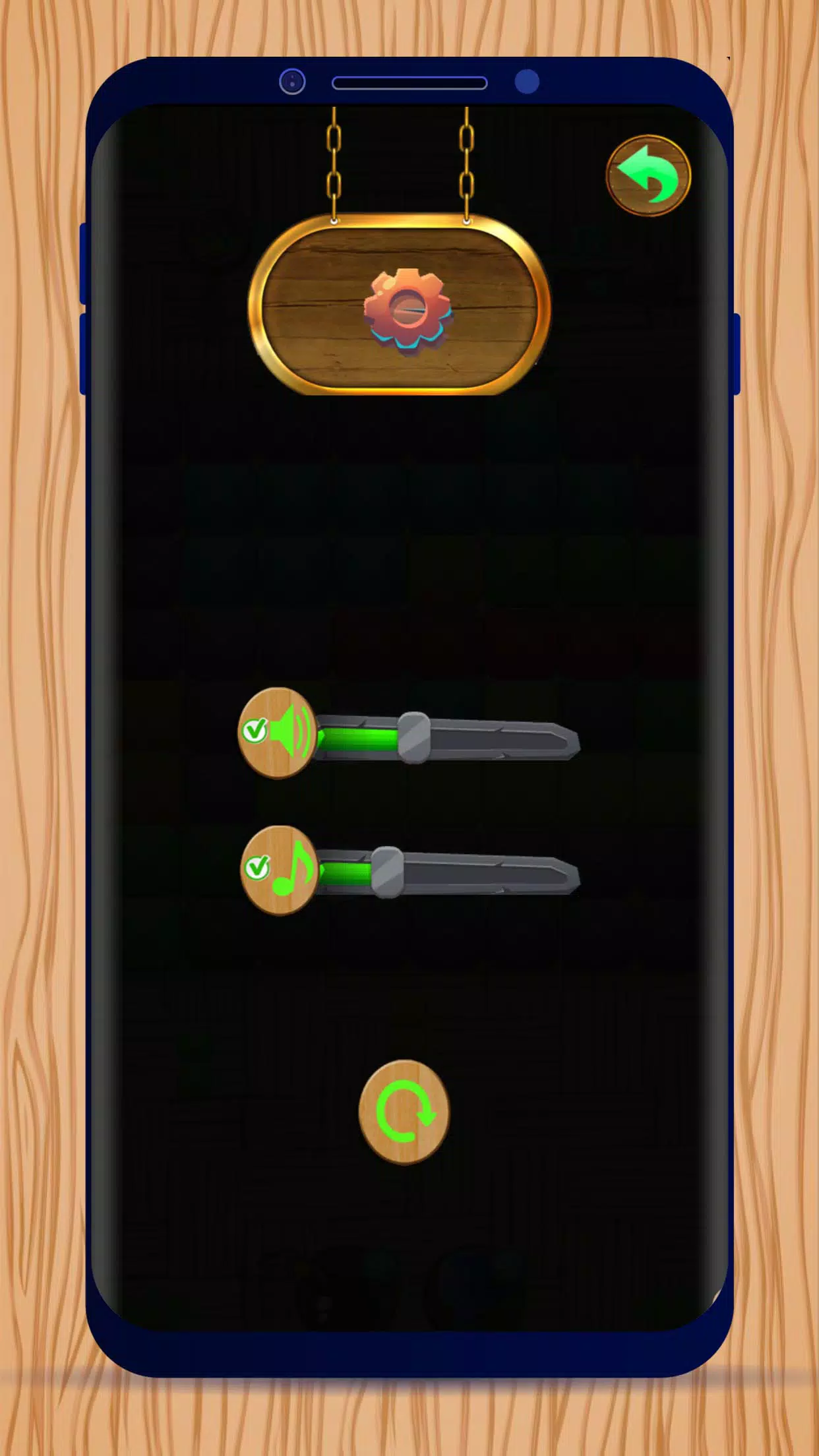
The visual design favors clarity and calm. Brick Line uses a clean color palette and muted backgrounds to reduce visual noise and keep focus on gameplay. Pieces are distinct and easy to see against the playing field, which helps when assessing fit and alignment at a glance. Basic customization options let you adjust background themes and toggle sound effects or music, so you can tailor the experience to a quiet environment or a more lively setting. These small personalization choices reinforce the relaxed tone without introducing distracting elements.
Replay value and challenge systems
Replay value in Brick Line comes from varied level layouts and the satisfaction of improving placement strategy. Puzzles encourage multiple attempts: a board that resists clearing on your first try often yields to a new approach on the second or third. The challenge is primarily puzzle-driven rather than time-pressured, so success rewards patience and pattern recognition. Occasional optional challenge levels increase the density of pieces or limit available moves for players seeking a higher-stakes experience, while the standard puzzles remain accessible for casual play.
Accessibility and user experience
Brick Line aims for broad accessibility by keeping controls simple and visuals legible. The interface scales to different screen sizes so the touch targets remain comfortable on small phones and larger tablets. Sound and motion feedback can be adjusted or turned off, and the game avoids intrusive timers or pressure that can exclude players who prefer a calmer pace. Tooltips and gentle on-screen hints are provided early on to explain core interactions without overwhelming a new player.
Offline play and device compatibility
The game is designed to be fully playable offline, allowing you to enjoy puzzles without a network connection. This makes Brick Line a good fit for commutes, flights, or places where connectivity is limited. Performance is optimized for a wide range of devices so loading is quick and interactions remain smooth even on older hardware. Save states let you return to an in-progress puzzle at any time, preserving your progress across sessions.
Tips for getting the most from the game
To improve at Brick Line, focus on creating space rather than immediately filling every tight gap, and look for opportunities to set up chain clears by planning two or three moves ahead. Rotate pieces only when necessary to open new placement options, and take advantage of the pause-and-scan approach: stepping away briefly can reveal better solutions when you return. Because the design emphasizes mindful play, approaching each puzzle with a calm mindset tends to yield the best results and the most enjoyment.