
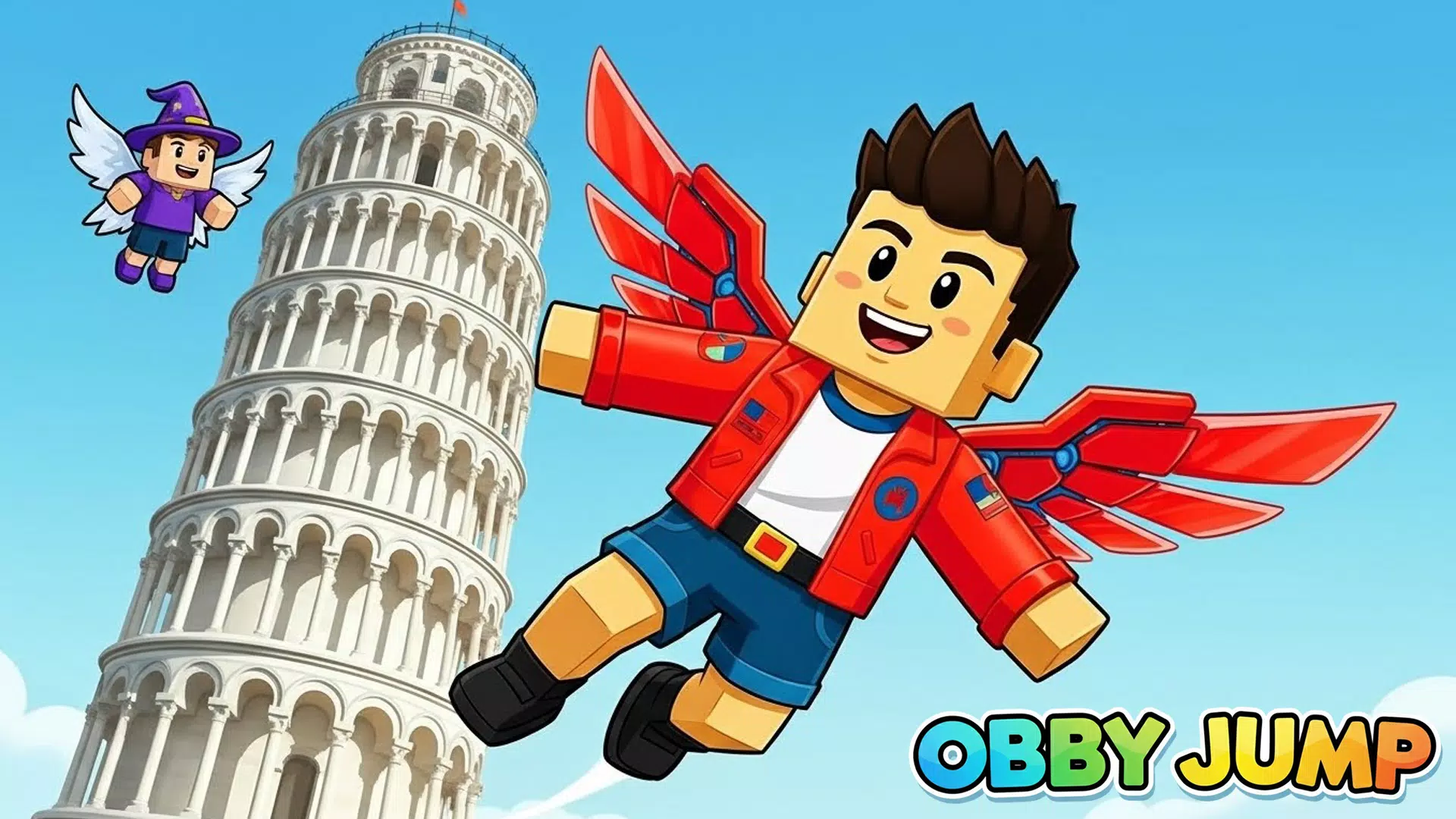
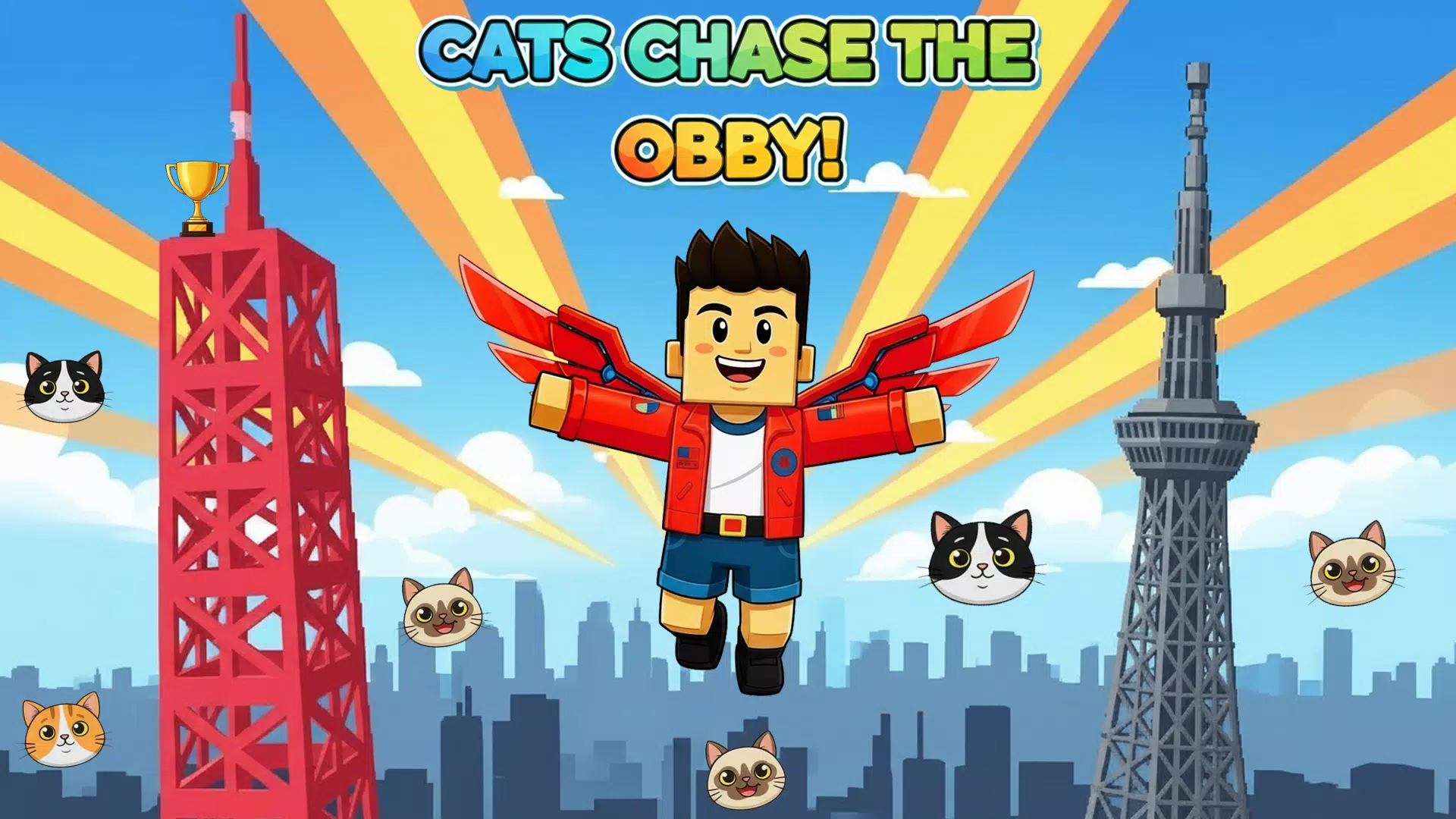
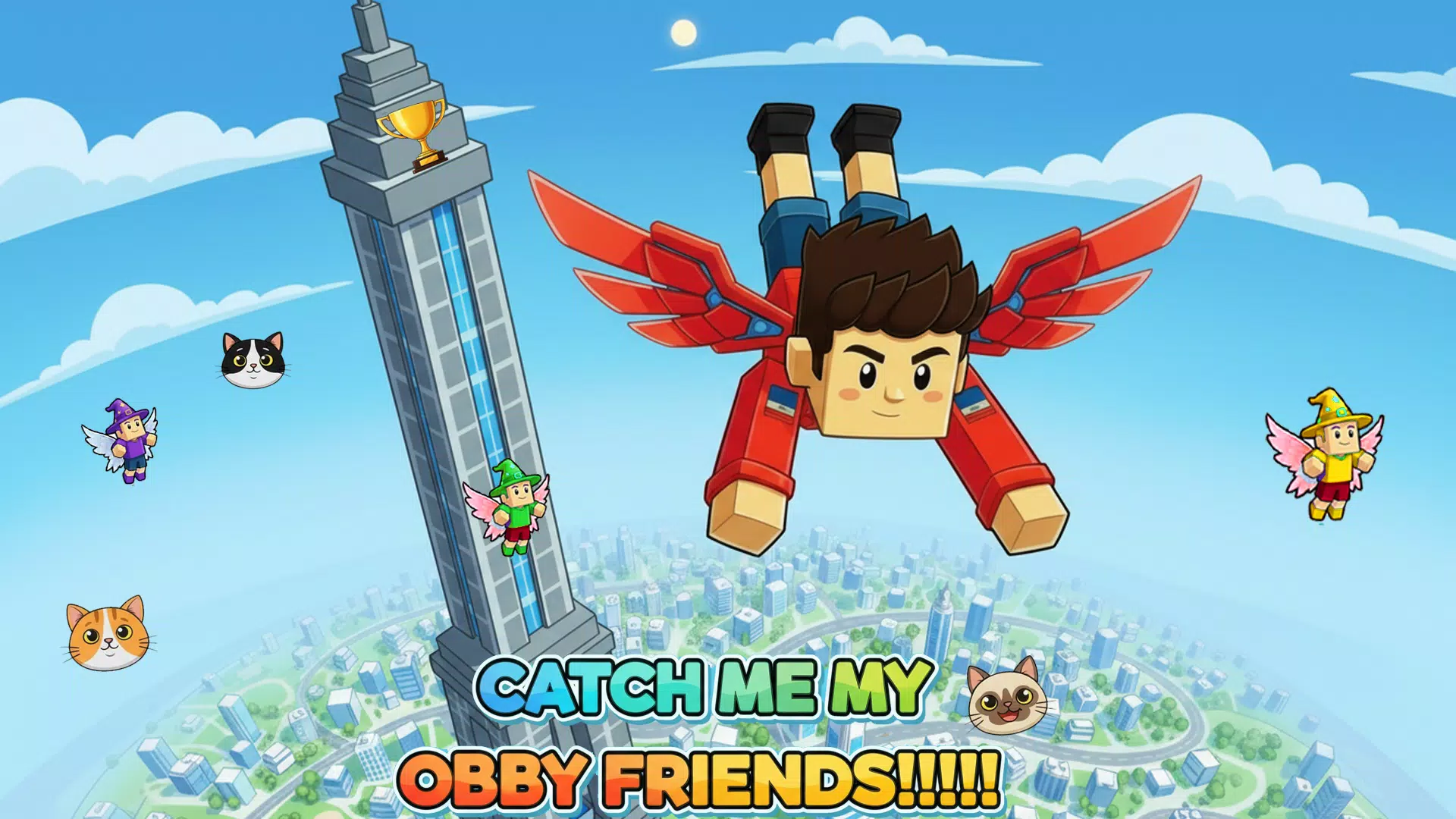
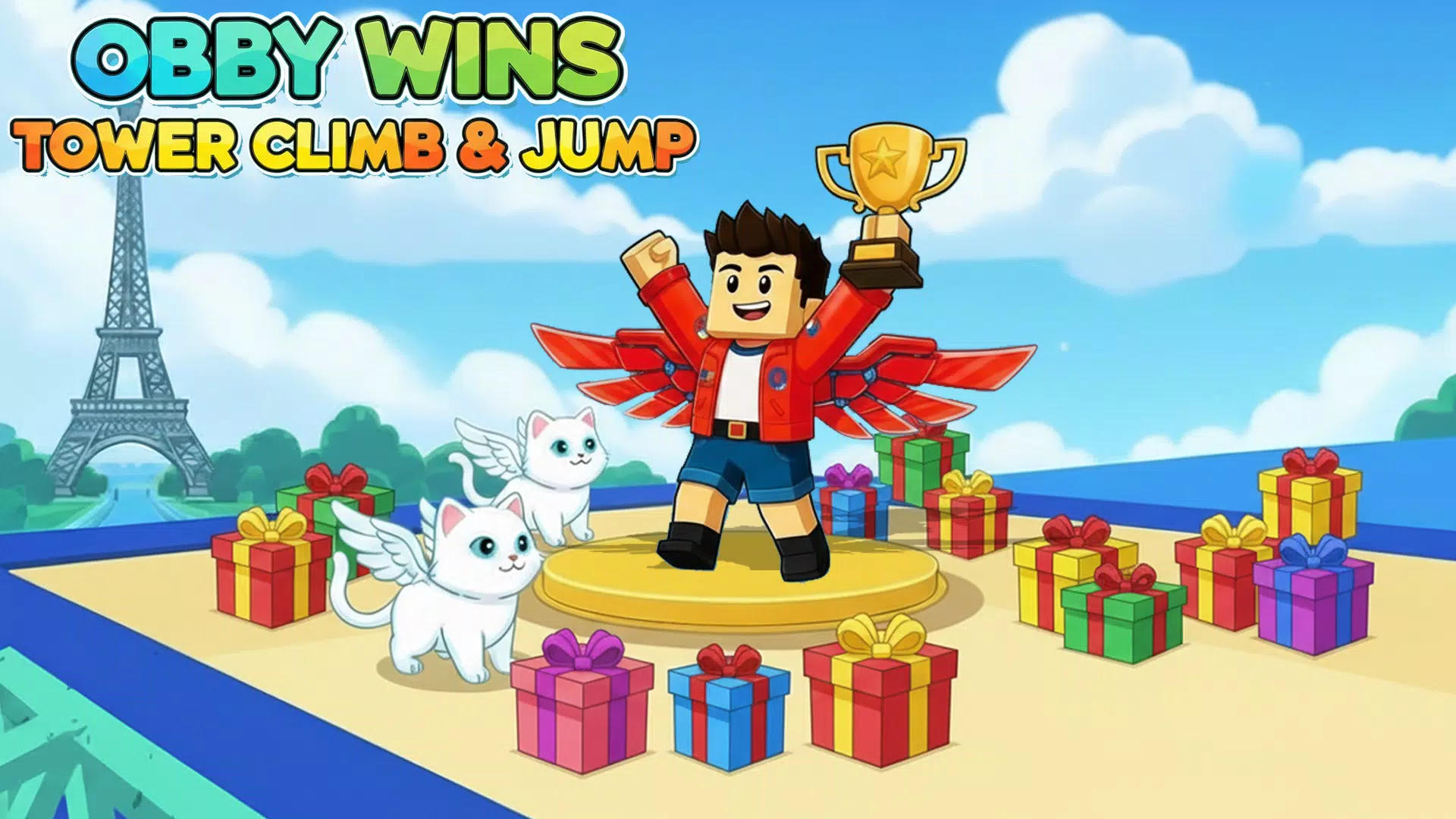

Obby Climb Jump Tower Game places you in compact, fast-paced parkour stages where precise timing and momentum matter as much as route choice. In each short run you climb layered towers, line up careful jumps and then descend to grab coins and small bonuses placed off the obvious path. The focus is on a consistent physics model that rewards practice, with stages designed to be tense, replayable, and easy to pick up for a few runs or for longer practice sessions.
Key Features
Obby Climb Jump Tower Game centers on weighty, physics-driven movement rather than simple button mashing: gravity, momentum and trajectory all influence how far you travel and where you land. Levels are built as vertical towers that combine static platforms, moving sections, timed traps and short descent segments where collectibles are often tucked away. The game runs fully offline, encourages repeated runs to shave seconds off your best times, and avoids paywalls by focusing collectible rewards on cosmetic variation and replay incentives.
Gameplay Mechanics
The core gameplay is about managing momentum and reading platform patterns. Jumps carry speed, so approaching an obstacle with the right angle and timing is usually more effective than repeating identical inputs. Moving platforms follow predictable cycles that you learn to read, and timed hazards open brief windows where the correct decision becomes obvious. Most stages alternate between careful climbing puzzles that test spatial awareness and rapid descents that demand split-second reactions, producing short sessions that still feel meaningful as you improve.
Controls and Accessibility
Obby Climb Jump Tower Game keeps controls deliberately simple to emphasize timing and positioning: tap or hold to jump, and use directional input to influence mid-air drift. This design translates smoothly to touch screens while remaining approachable for players new to precision platformers. Accessibility options include adjustable jump sensitivity and clear visual cues for moving platforms and trap activation so players with different reaction speeds can tune the experience. Visual contrast and indicator clarity are prioritized so platform arcs and hazard timing are readable on a range of devices.
Progression and Replay Value
Progression is skill-driven rather than gated by microtransactions or artificial timers. Towers increase in height and complexity as you advance, and coins collected on each run act as modest rewards that encourage trying different routes. Stage variants unlock as you demonstrate proficiency, offering new layouts or slightly altered timing to keep the learning curve fresh. Replay value comes from chasing cleaner runs, discovering faster descent lines and collecting bonuses placed away from the main route—every run is an opportunity to refine technique.
Visual Style and Customization
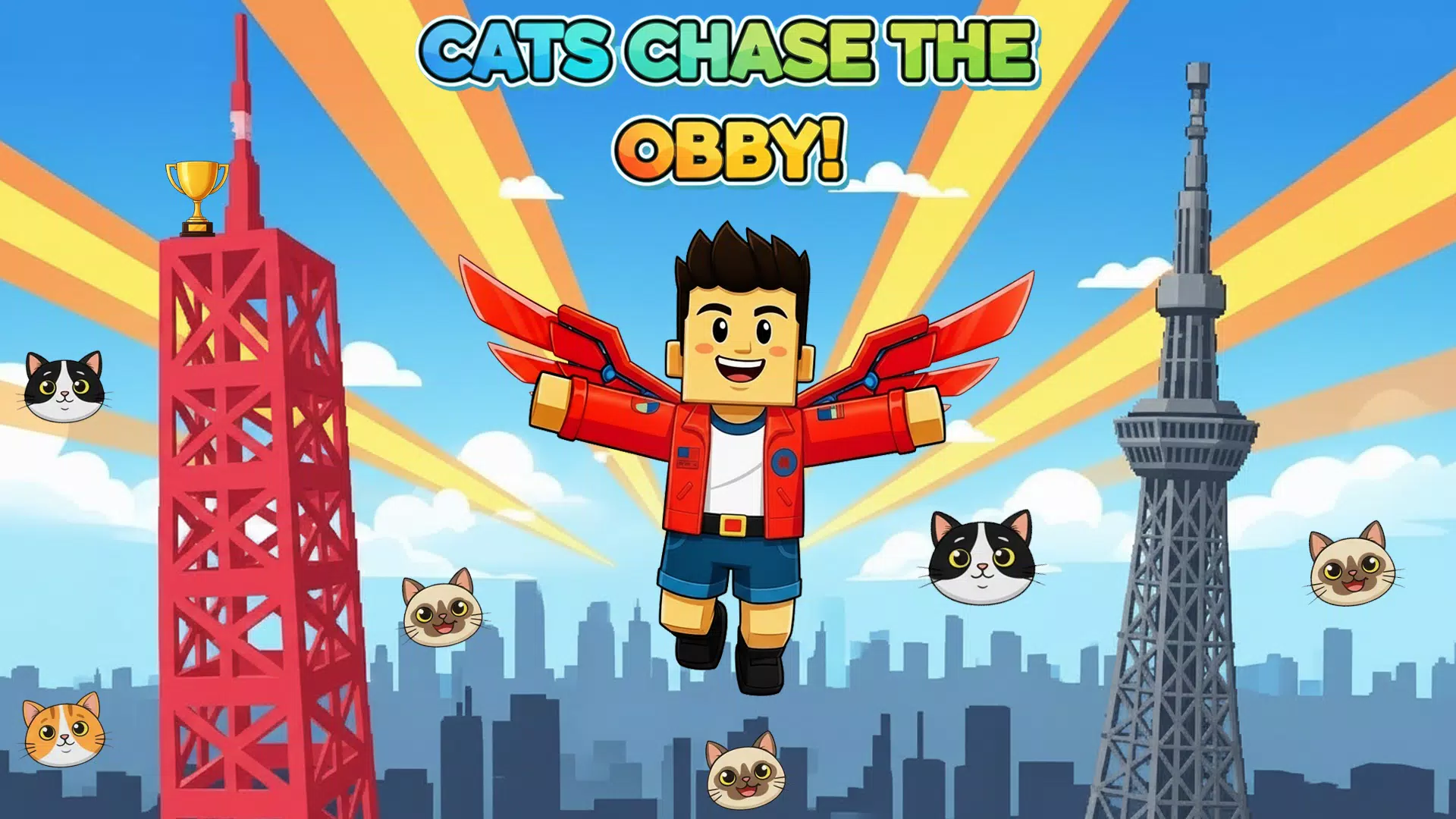
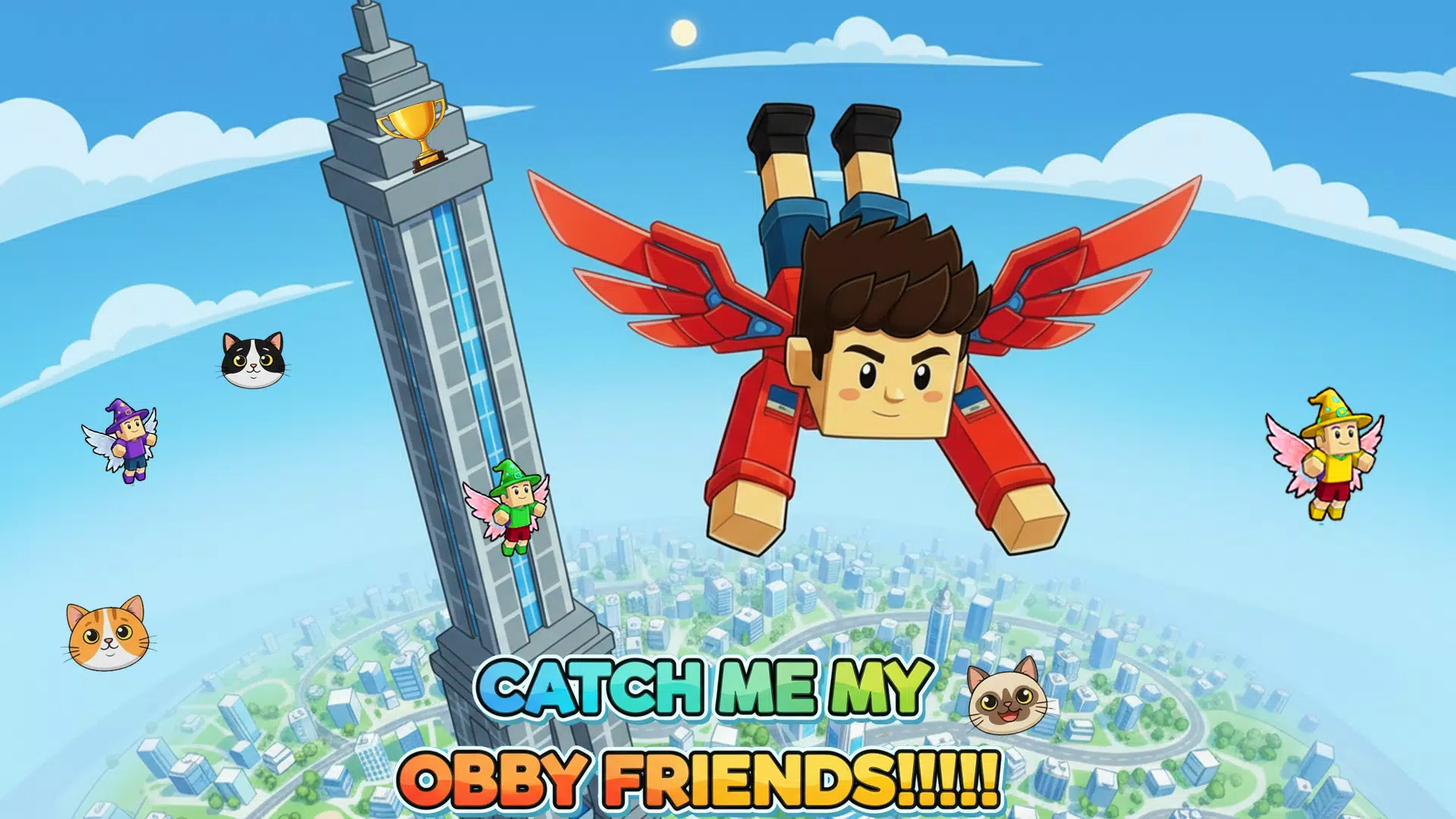
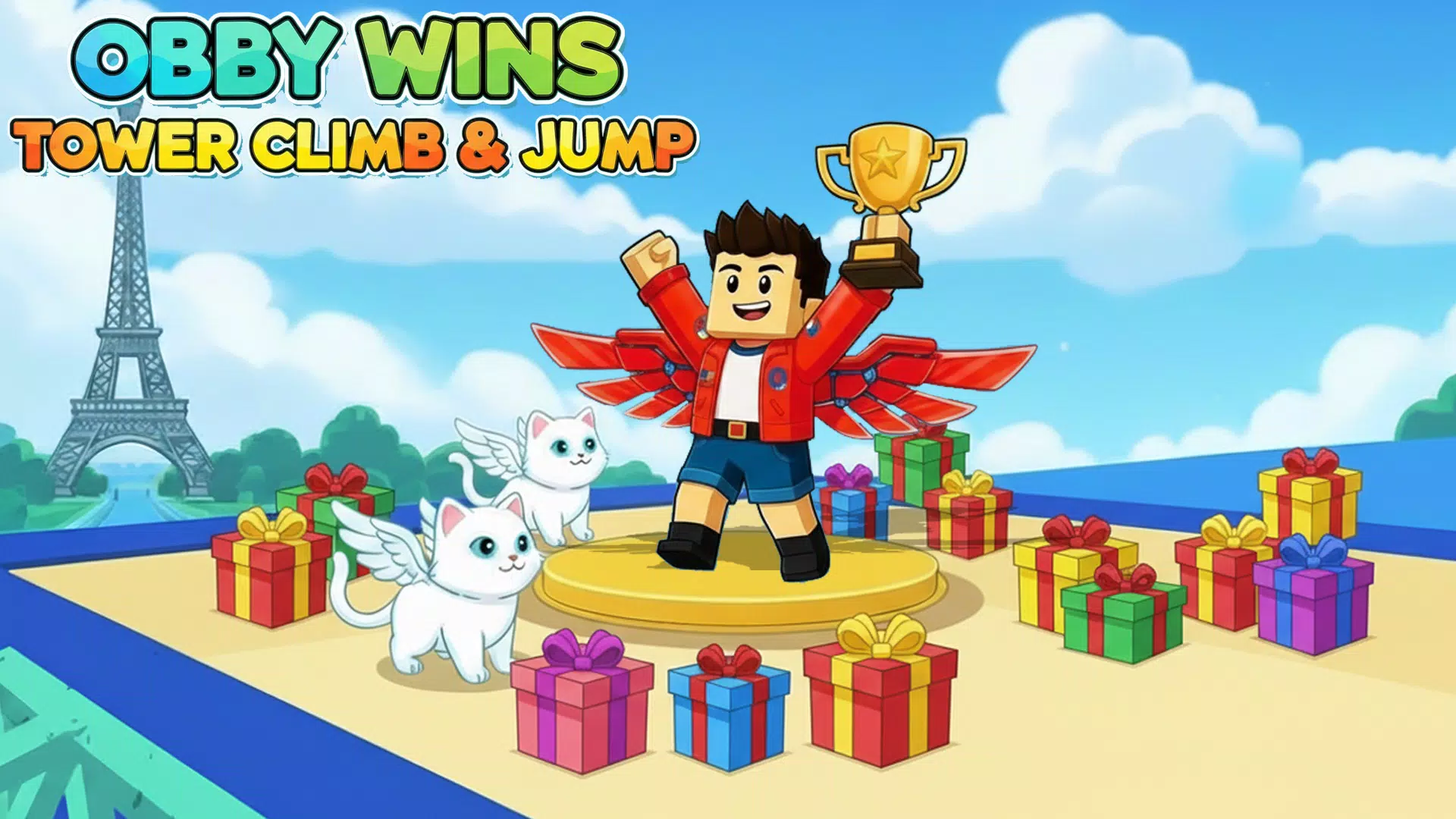
The visual presentation favors clear, colorful 3D platforms with readable environments so you can judge jump arcs at a glance. Level themes borrow familiar landmark motifs to give each tower a distinct personality and to communicate hazards and platform timing through texture and motion. Customization is intentionally cosmetic: collected rewards let you change palette choices, avatar accents and minor visual flourishes so runs feel more personal without altering gameplay balance or difficulty.
Level Structure and Challenge Systems
Levels are compact but layered, combining ascent-focused puzzles with sudden descent segments that amplify the importance of precision. Challenge systems include time-limited gates, moving obstacles with predictable cycles, and trap sequences that punish hesitation. Because the game omits checkpoint saves, mastery and patience are the primary paths forward—you’ll likely replay stages to string together a flawless climb and descent, which is the intended measure of progress.
User Experience and Offline Play
The interface is designed to stay out of the way, positioning controls and feedback so they don’t block sightlines or distract from platform timing. Performance is optimized for smooth frame rates across a broad set of devices to keep the jump physics feeling consistent. Offline play ensures you can practice anywhere without a connection, and the short, focused stage design fits both quick sessions and extended practice runs.
Advantages and Considerations
This game delivers a concentrated, skill-based platforming experience that rewards practice and improves reflexes without relying on intrusive monetization. At the same time, the lack of checkpoints and occasional steep difficulty ramps mean the experience can be unforgiving for casual players. If you enjoy precision platformers where improvement is measurable and each run matters, this title offers deep, replayable challenges and clear, predictable mechanics to master.