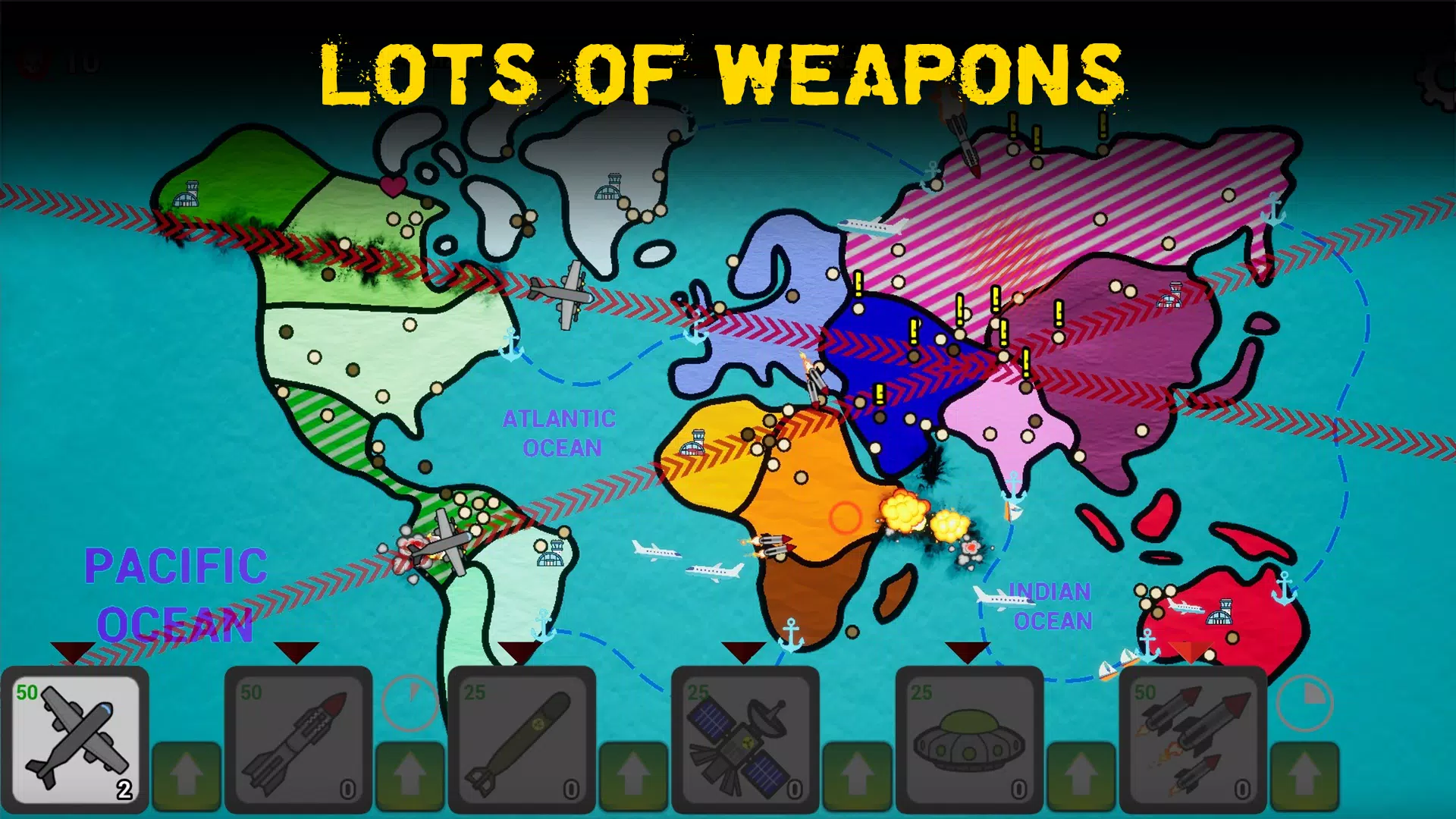
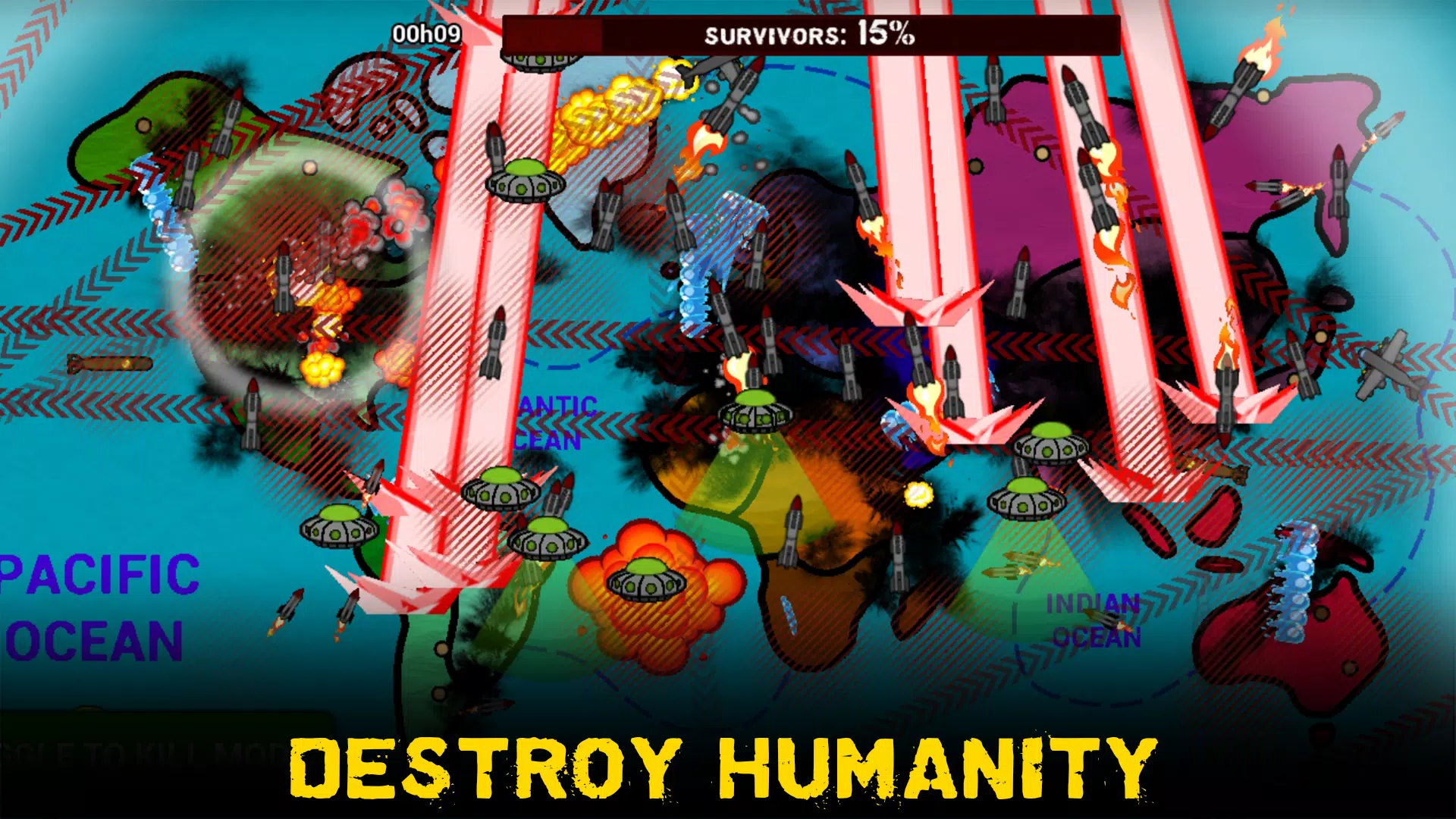
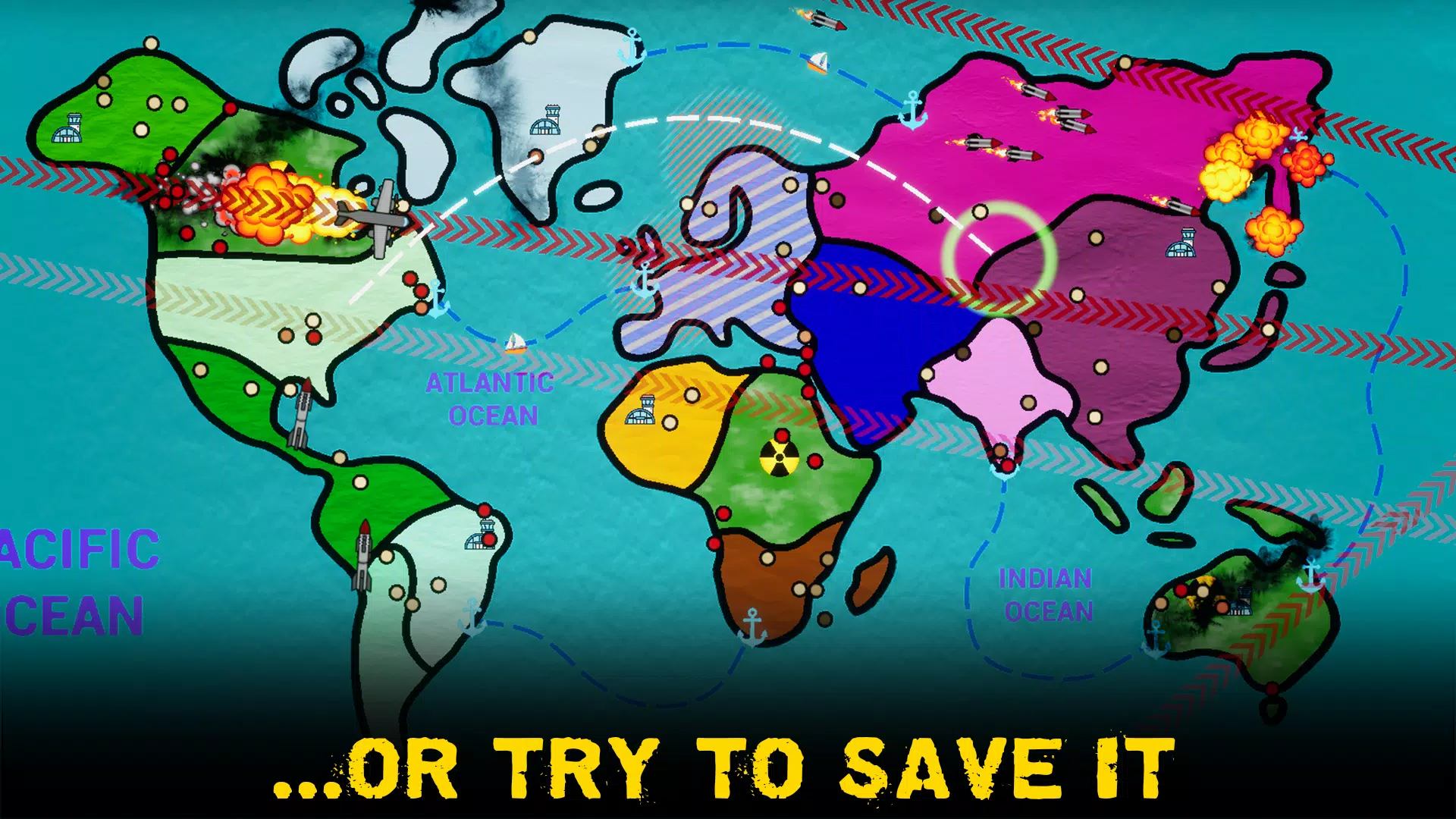
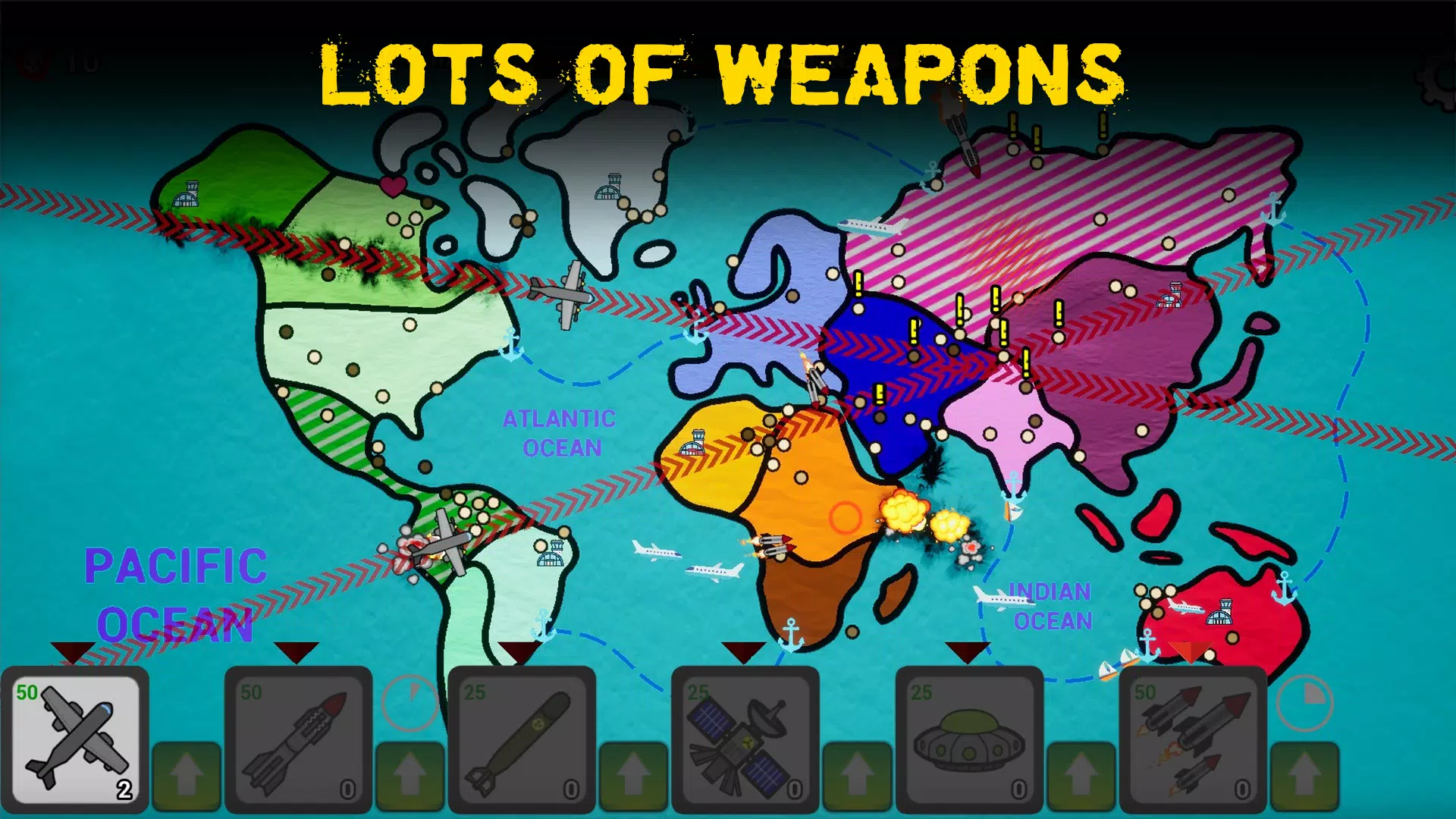
Nuclear Fiesta places you in charge of high-stakes choices as you alternate between coordinating mass evacuations and unleashing catastrophic weaponry across a dynamic world. Nuclear Fiesta is built around contrast: measured rescue strategy that rewards planning and resource allocation, and a sandbox of destructive tools — from jets to missiles — that lets players experiment with cause-and-effect on a planetary scale. The introduction aims to explain core systems and what to expect from the single‑player experience, so you can quickly decide whether you want methodical challenges, chaotic spectacle, or a mixture of both.
Key features
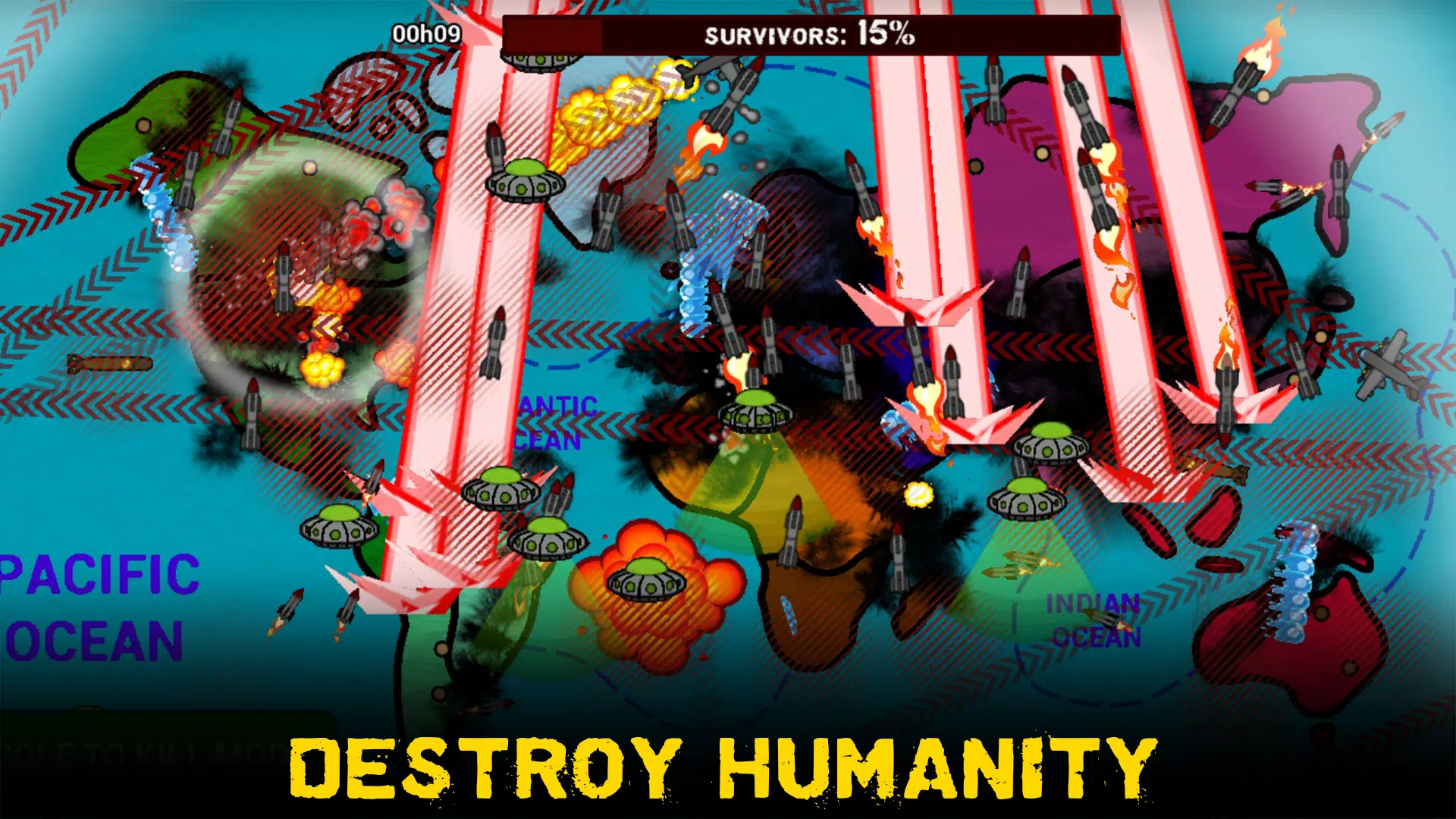
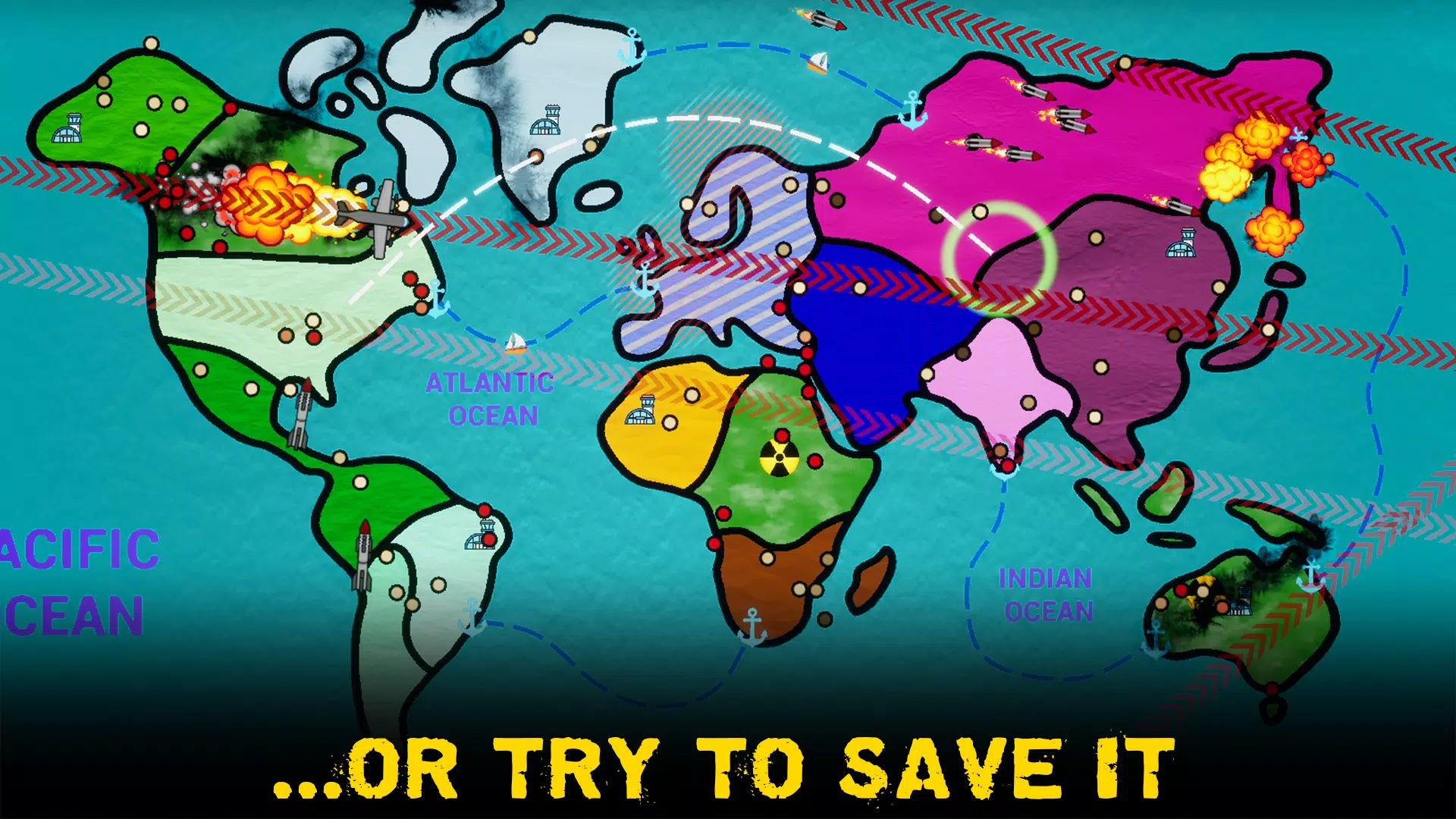
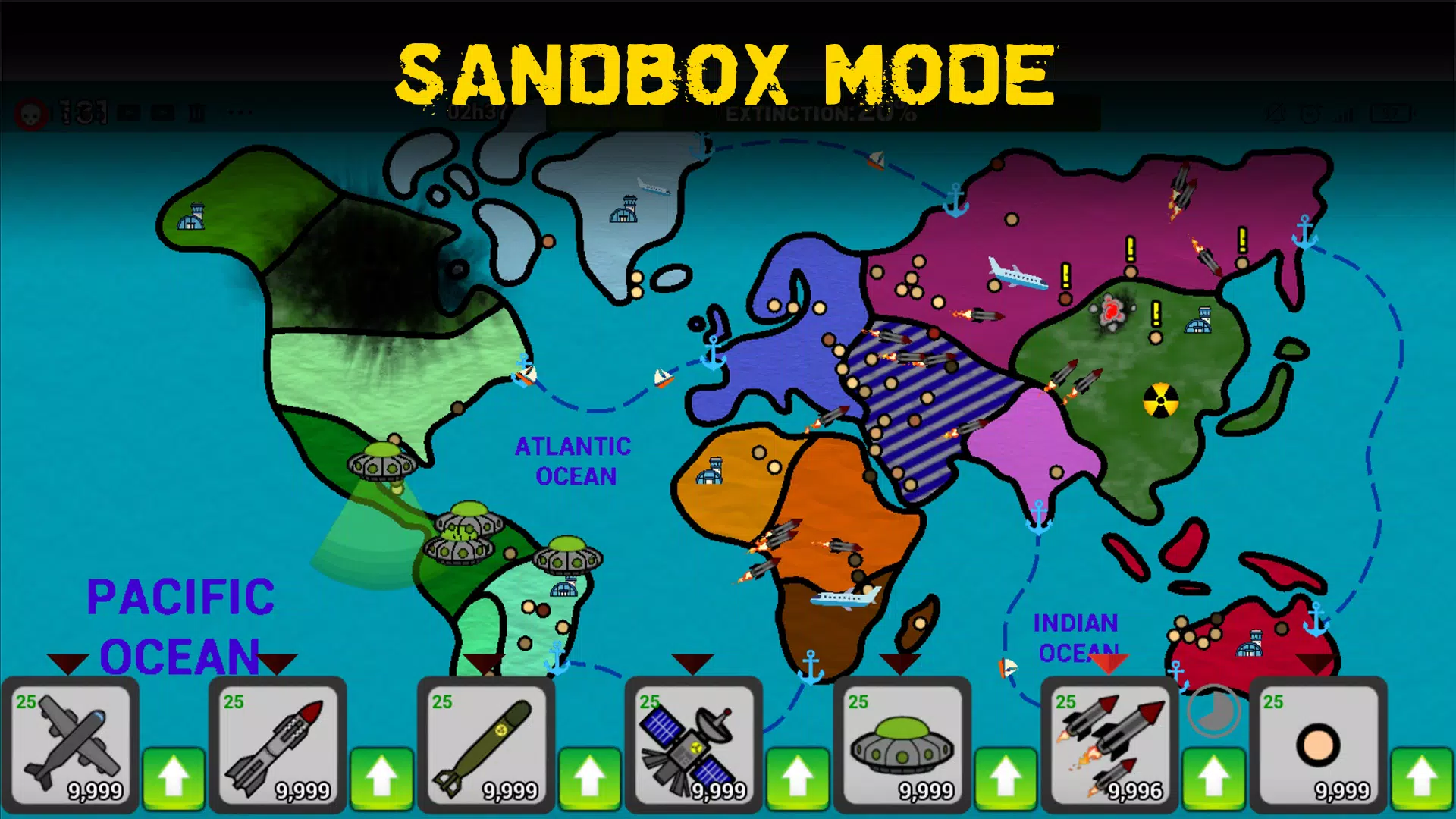
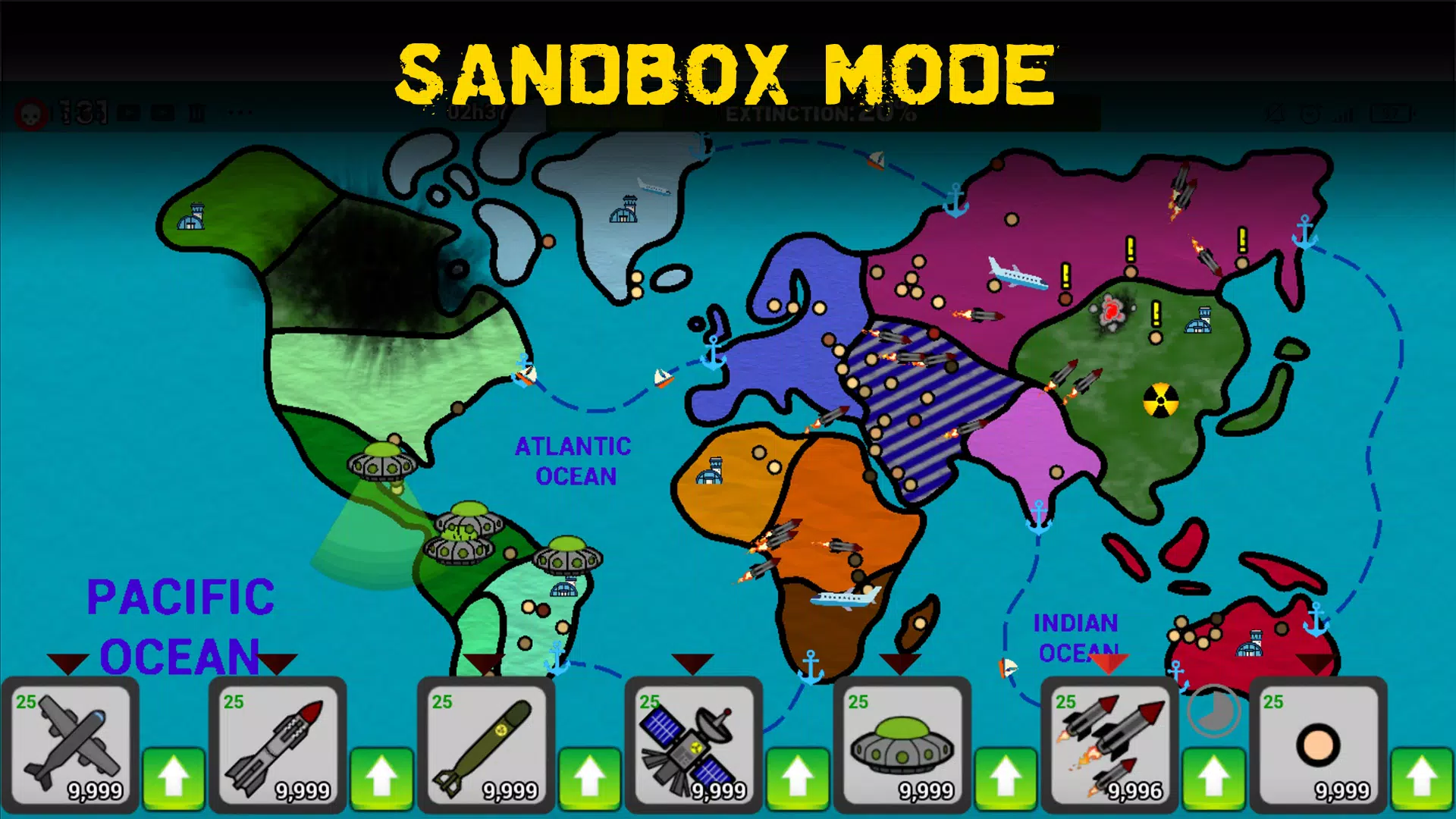
The game offers two distinct play modes that are described in practical terms rather than as marketing hype: a Rescue Campaign focused on shepherding populations to safety under changing environmental and logistical constraints, and a Destruction Mode that supplies an array of weapons and physics-driven interactions for open experimentation. A dedicated Sandbox mode removes resource limits and goals so players can spawn units, test weapon effects and prototype tactics without penalties. An internal scoring system records best local performances and scenario summaries so you can track progress and improve planning. Scenarios are encounter-driven, with each mission tying choices to visible consequences that affect later stages of the same playthrough.
Gameplay and controls
Gameplay in Nuclear Fiesta balances macro-level strategy with hands-on control of assets. Rescue runs require route planning, timing, vehicle allocation and occasional improvisation when conditions change; destructive sessions focus on targeting, timing and chaining events to study outcomes. Touch-driven controls are designed for mobile: tap to select units or weapons, drag to draw evacuation routes or camera pans, pinch to zoom, and contextual menus provide quick access to toggles and resource screens. The game includes adjustable control sensitivity and optional on-screen shortcuts so both new and experienced players can tailor input to their device and play style.
Progression and challenge systems
Rather than relying on online leaderboards, progression is anchored to local unlocks and scenario complexity. Completing rescue missions and specialized challenge scenarios unlocks new mission variants, limited-use tools and cosmetic options that change how objectives are approached. Difficulty tiers and configurable challenge parameters let you scale resource availability, enemy frequency and environmental volatility. Scenario challenges present objective-based constraints — for example, evacuate a percentage of civilians within a time limit or achieve a target score using only specific assets — and these missions are replayable with changing variables to encourage iterative improvement.
Visual style, level structure and customization
The visual presentation favors readable, performance-friendly art that keeps large numbers of units and explosions clear on mobile screens. Levels are structured across a global map with distinct regions and dynamic events, so the same area can present different tactical problems on repeat visits. Customization covers both function and appearance: you can adjust simulation intensity, toggle visual effects for performance, and apply skins or markers to vehicles and teams to make it easier to track individual groups during complex scenarios. These options make it easier to play on a range of devices and help maintain clarity during chaotic sequences.
Replay value, accessibility and offline play
Nuclear Fiesta is designed for multiple play styles and repeat sessions: branching consequences, varied scenario rulesets and a sandbox for experimentation create reasons to replay. Accessibility features include adjustable difficulty, colorblind-friendly palettes, readable HUD scaling and an interactive tutorial that demonstrates core mechanics and common tactics. The game is fully playable offline for single‑player content; no persistent internet connection is required for core gameplay, so sessions are suitable for travel and places without reliable service. Regular local saving and replay summaries help you pick up where you left off and analyze what worked or failed in past runs.