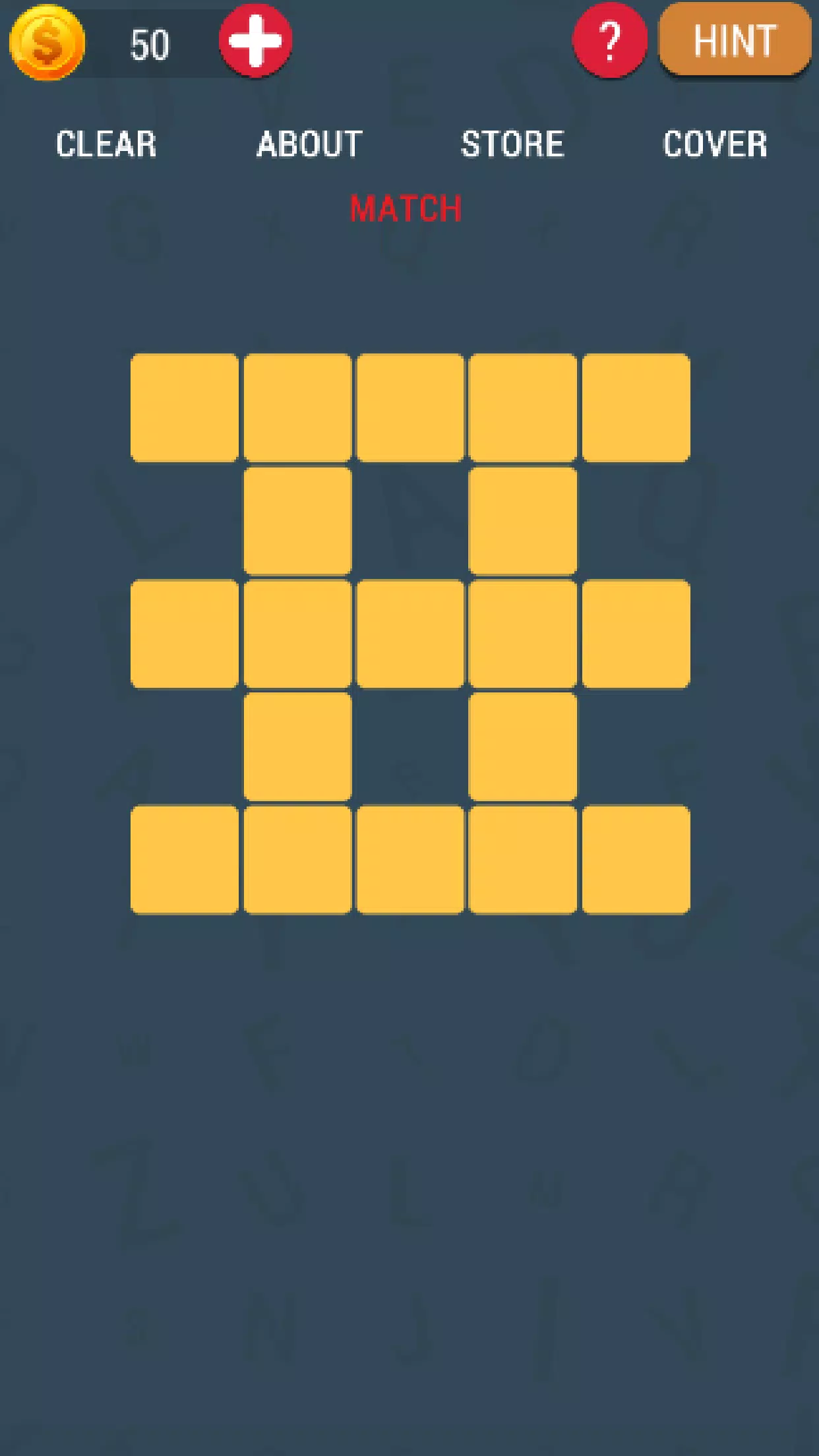
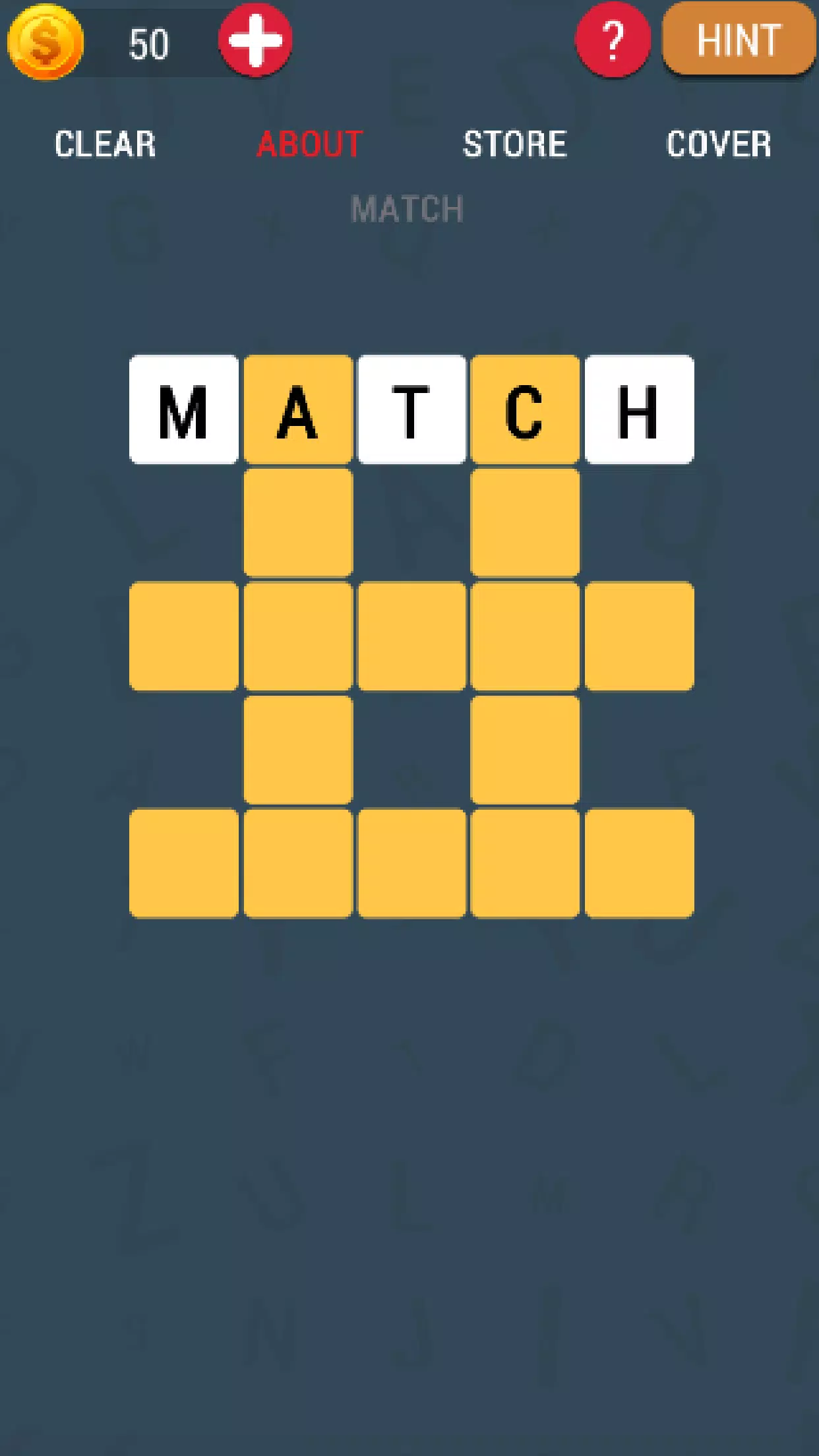
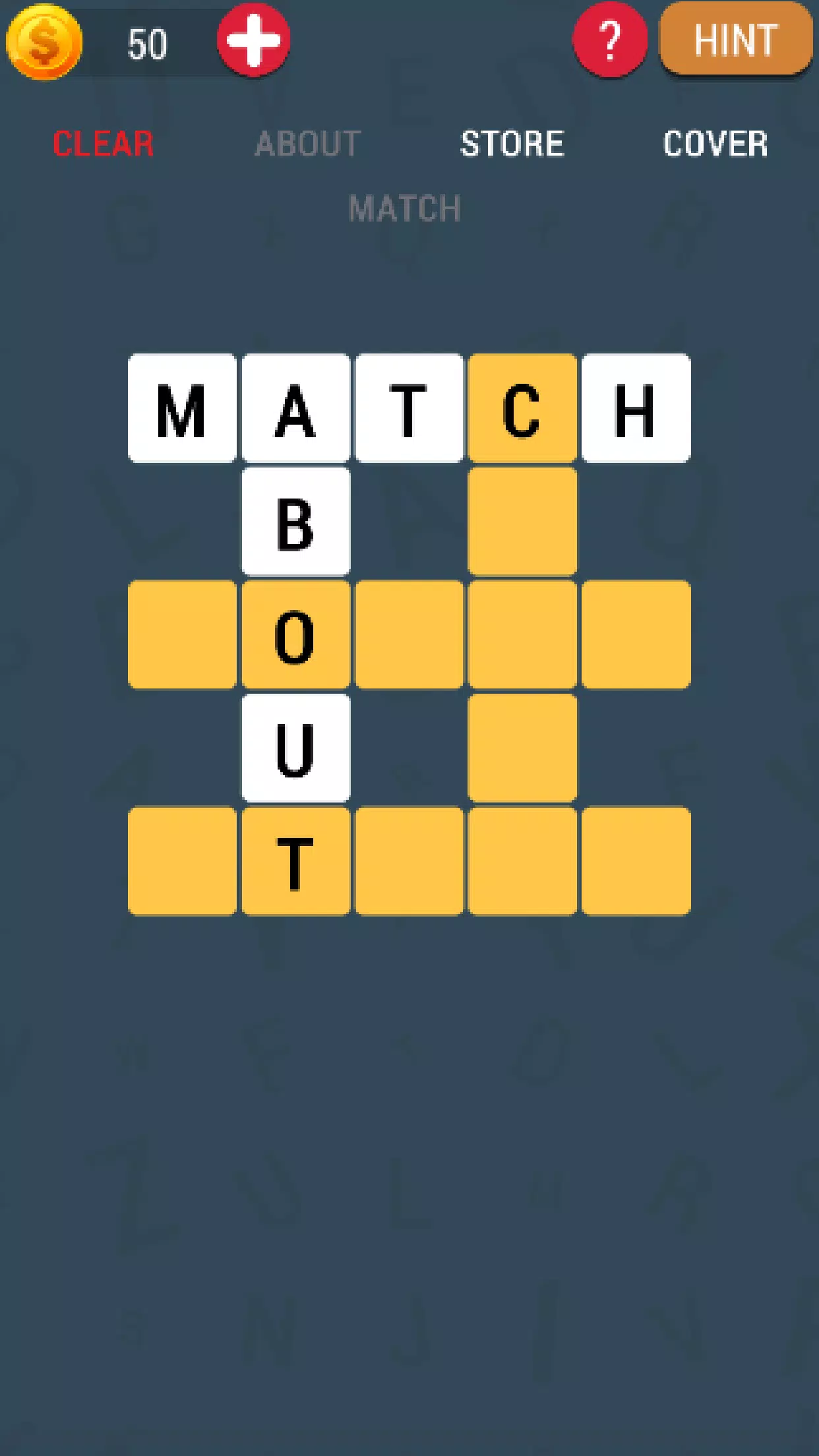
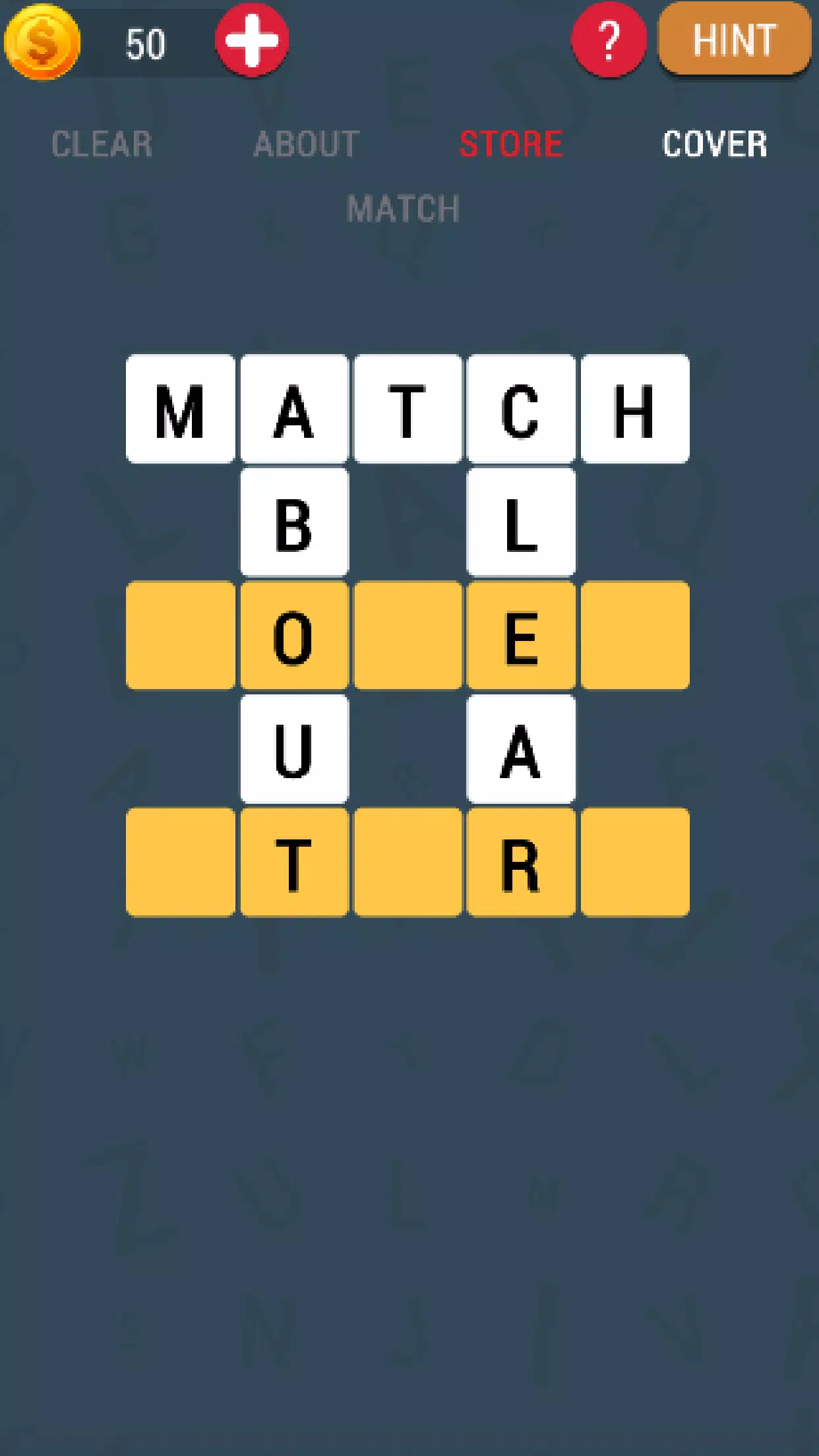
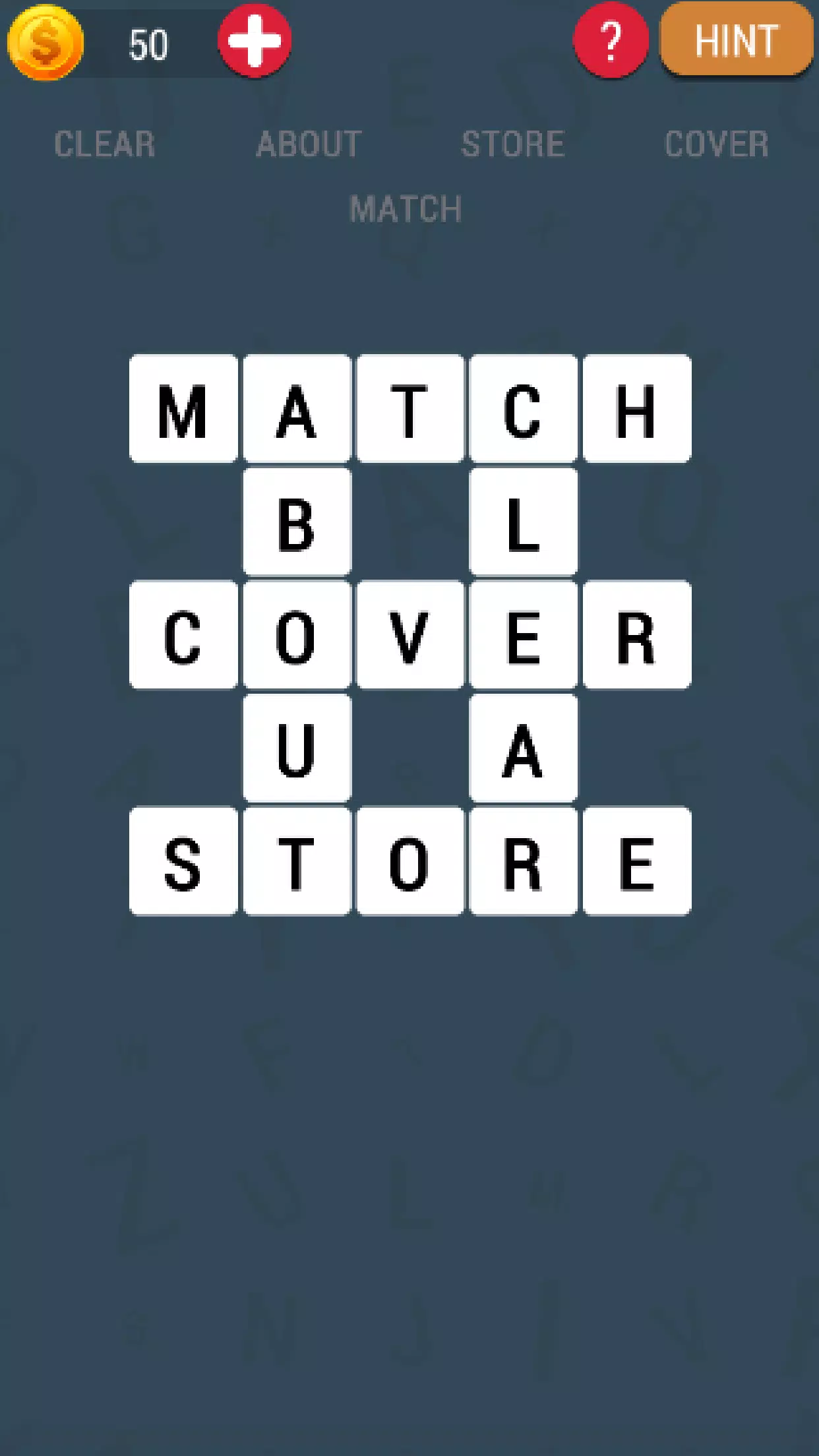
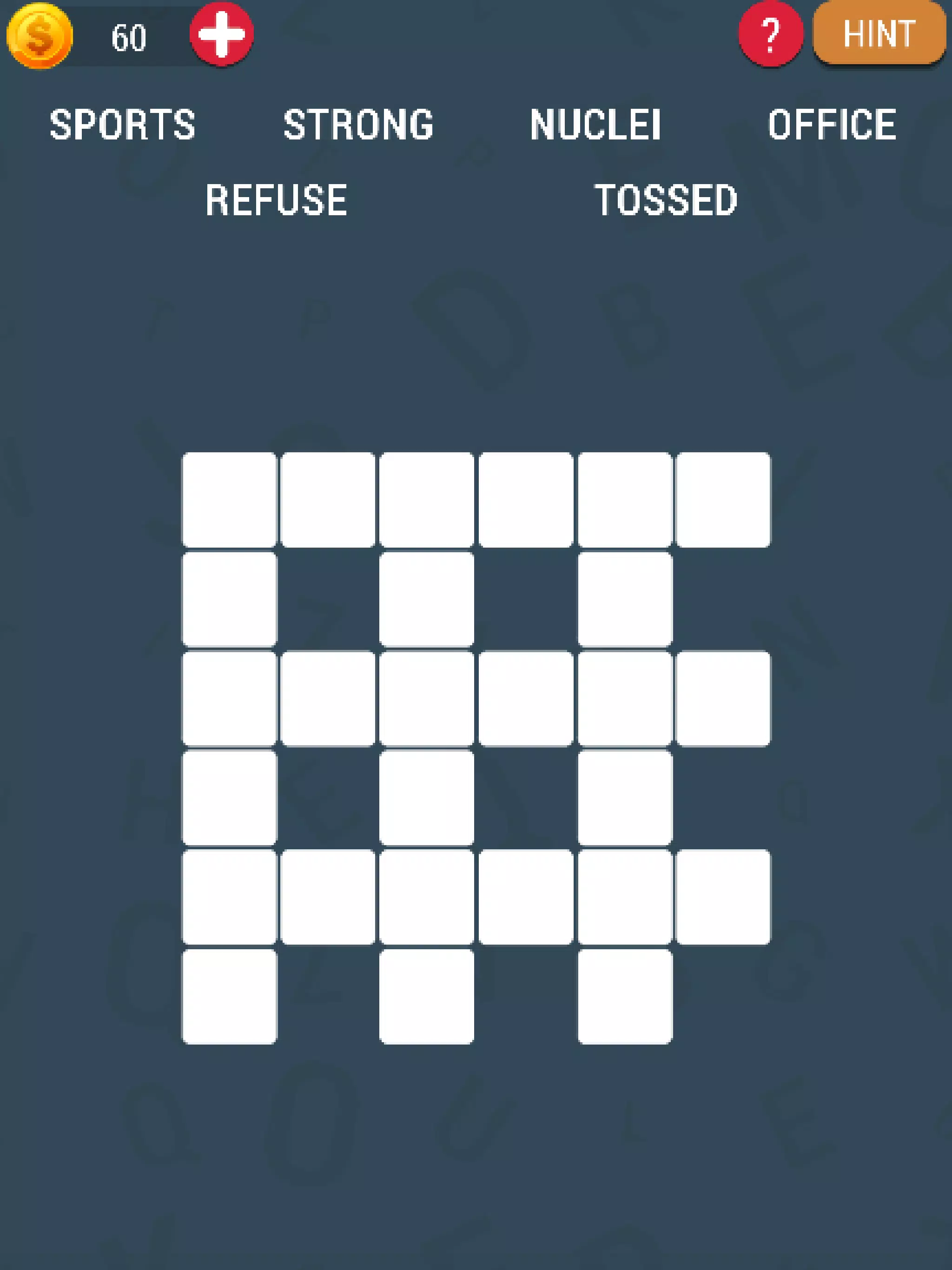
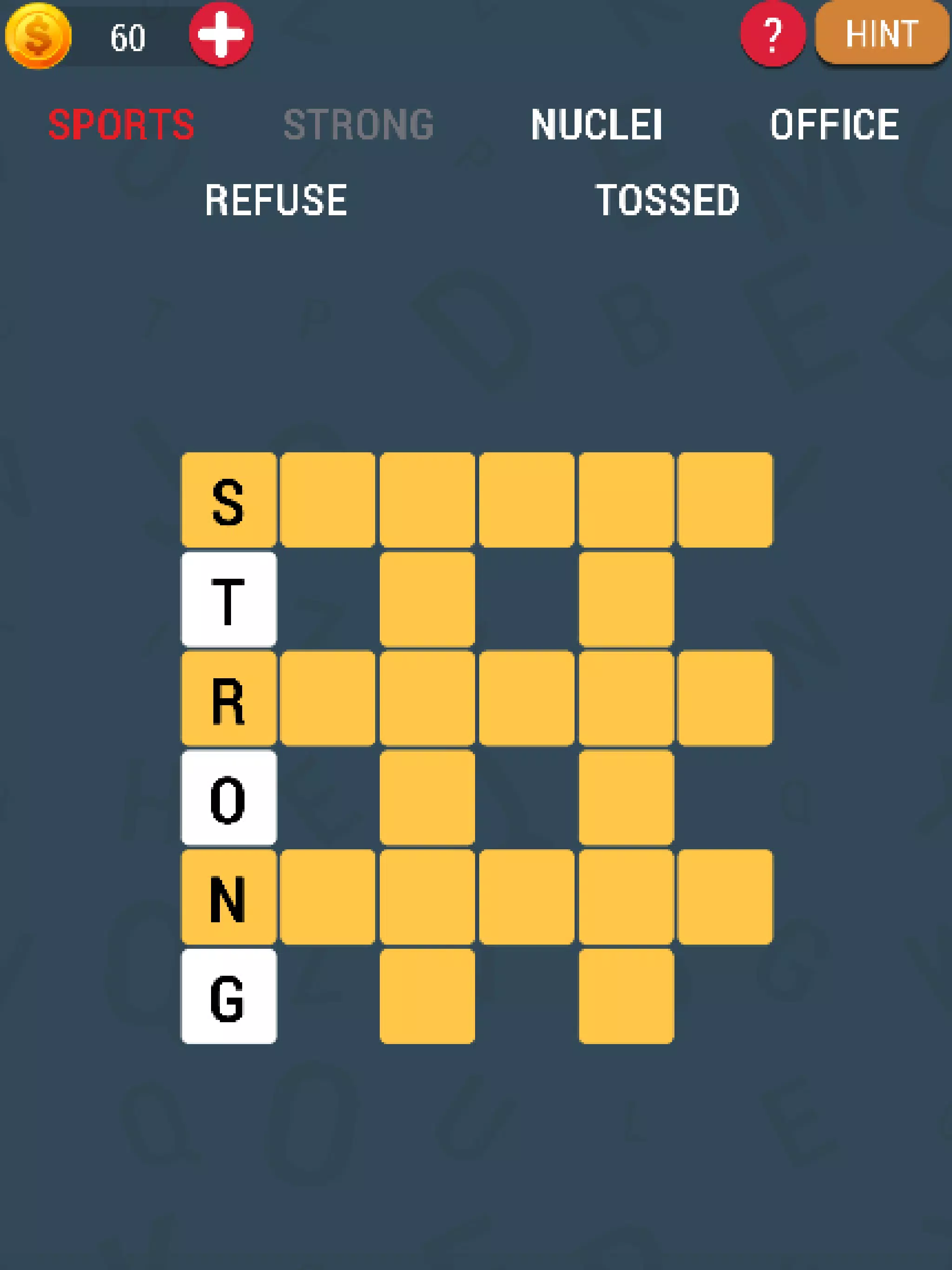
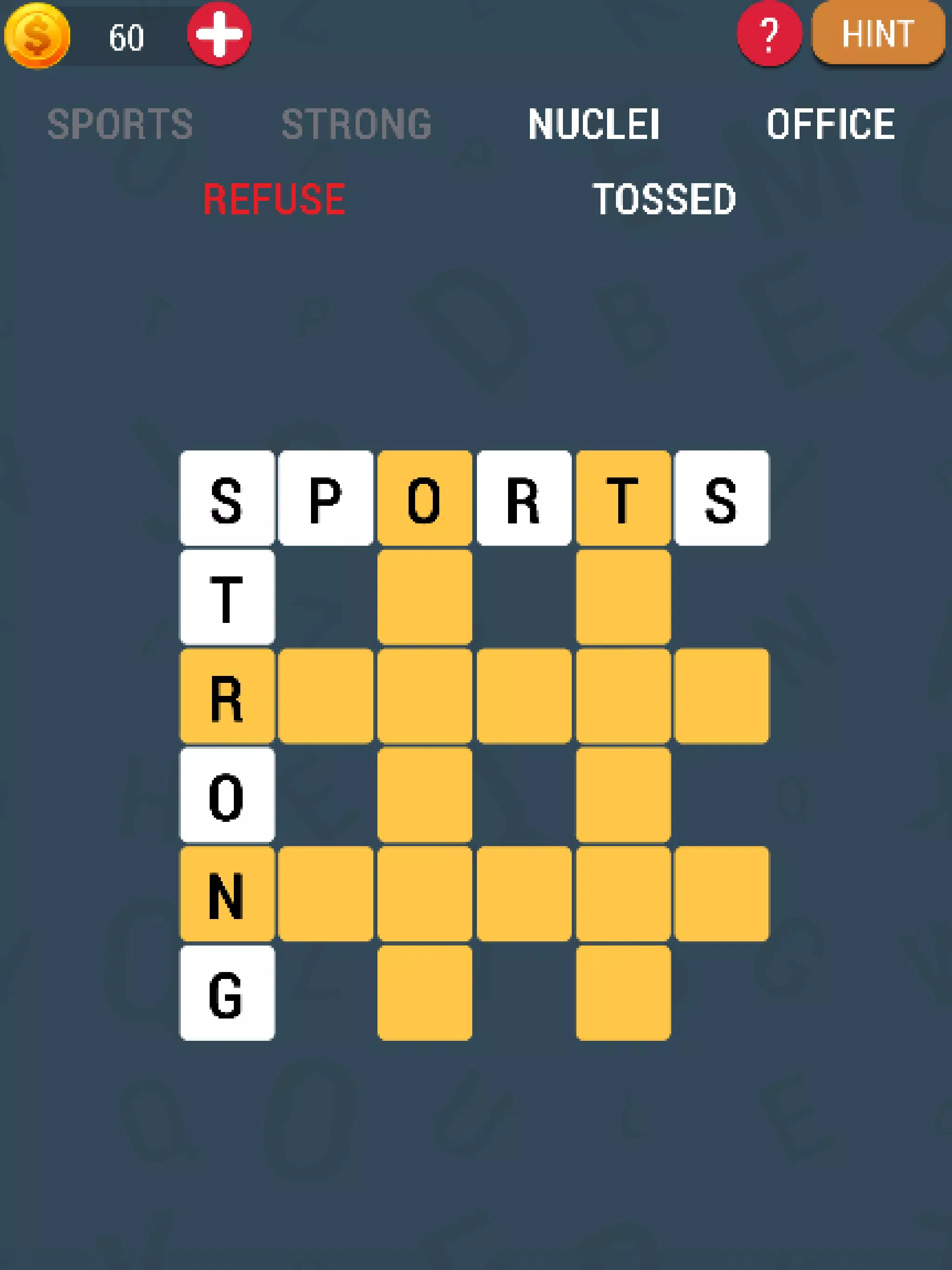

Word Matrix is a fresh, thoughtfully designed word-puzzle game that challenges players to build words on a flexible grid by selecting a word and sliding a finger horizontally or vertically across cells. Word Matrix puts a clear emphasis on intuitive touch controls and emergent puzzle tactics: a single well-placed word can unlock surrounding opportunities and start chain reactions that reward planning and language skill. The game is accessible for short breaks or longer brain-training sessions, and it aims to strengthen vocabulary, spelling and pattern recognition without steep learning curves.
Gameplay mechanics
The core interaction in Word Matrix revolves around selecting a candidate word and dragging it across the grid to occupy cells along a straight row or column. Tiles respond to placement logic that creates openings for adjacent words, so thoughtful moves often generate cascading possibilities rather than isolated placements. Puzzles vary in grid density and word length constraints, encouraging players to balance immediate gains with moves that set up future combinations. This mechanic supports both tactical one-move thinking and deeper strategic planning over several turns.
Controls and user experience
Controls are optimized for touch screens: tap to highlight a word, then slide horizontally or vertically to place it on the grid. The interface uses large, responsive touch targets and smooth animations so placements feel precise and satisfying. Word Matrix is designed to run well on a wide range of Android devices, from compact phones to larger tablets, with UI elements that scale cleanly to different screen sizes and pixel densities for a consistent experience.
Progression and difficulty
Progression in Word Matrix is driven by puzzle complexity rather than forced microtransactions. Difficulty is adjustable, allowing new players to learn basic placement patterns while advanced puzzlers can tackle denser grids and more restrictive word placements. As players advance, puzzles introduce tighter spacing and longer target words, which increases the need for multi-step planning and pattern recognition. The result is a gradual learning curve that keeps challenges engaging without overwhelming beginners.
Visual style and accessibility
Visually, Word Matrix favors a clean, uncluttered layout that highlights letters and grid structure. High-contrast fonts and clear cell borders make letter shapes easy to read, and color choices focus on clarity rather than flashy effects. The design includes options that support accessibility: adjustable font scaling and straightforward color contrast help players with different visual preferences. The minimalist aesthetic keeps attention on the puzzle itself and reduces visual distraction during longer play sessions.
Level structure and replay value
Puzzles are organized into sets of increasing complexity so players can practice foundational mechanics and then move to more demanding challenges. Many grids are constructed so there are multiple valid placement paths, which enhances replay value because the same layout can be approached in different ways. The chain-reaction nature of the gameplay encourages experimentation: returning to earlier puzzles with newly developed strategies often yields fresh solutions and satisfying sequences.
Customization and settings
While the core gameplay remains consistent, Word Matrix offers several settings to tailor the experience: adjustable difficulty levels, UI scaling for text and cell size, and optional visual contrast adjustments. These options let players create an experience that suits their pace and comfort, whether they prefer relaxed practice sessions or focused, mentally demanding puzzles. The settings are deliberately simple so they help rather than complicate play.
Offline play and performance
Word Matrix is built to be playable offline, so puzzles and core mechanics are available without a network connection. This makes the game convenient for travel, commutes, or places with limited connectivity. Performance is tuned to keep animations smooth and input responsive even on older devices, keeping the tactile feel of sliding placements consistent across hardware.
Challenge systems and learning benefits
The challenge in Word Matrix arises from managing limited grid space, anticipating the consequences of placements, and recognizing letter patterns that create chains. Because the mechanics emphasize language use in a puzzle context, repeated play supports vocabulary expansion and reinforces correct spelling through contextual application. Players who enjoy lateral thinking and language puzzles will find the combination of short-term tactics and longer-term strategy rewarding.
Who this game is for
Word Matrix is suitable for anyone who likes word puzzles and logical placement challenges: students building language skills, casual players seeking short mental workouts, and dedicated puzzlers who enjoy uncovering multi-move solutions. Its adjustable difficulty, clear controls and offline availability make it a flexible addition to a daily practice routine or a calm, focused pastime during free moments.