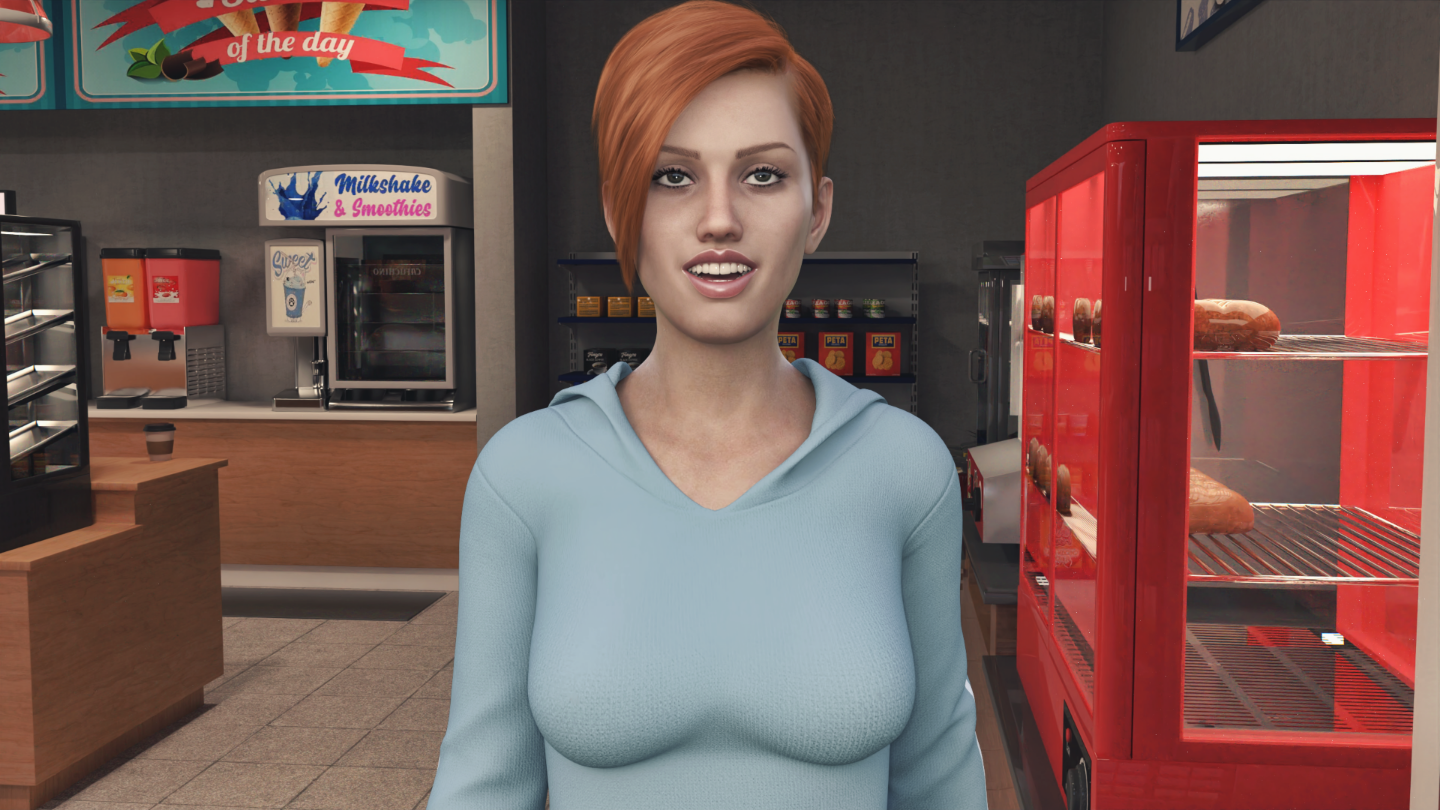






Unwritten Moments: Just One Time is a narrative-driven, chapter-based visual novel that follows Flavia Martinez through a planned three-chapter arc, offering slow-burn storytelling and mature themes delivered with an emphasis on character and atmosphere. The opening chapter introduces the central cast, establishes tone, and places player choices at the heart of how scenes unfold — choices that shape emotional tension, relationships, and the pacing of later chapters in Unwritten Moments: Just One Time.
Gameplay and Narrative Mechanics
The core gameplay centers on reading richly written scenes, selecting dialogue and decision options at key moments, and watching those choices ripple through the story. Rather than a sequence of disconnected vignettes, the game uses branching dialogue, variable scene timing, and relationship tracking to create cause-and-effect across chapters. Players will face decision points that alter subsequent interactions with Flavia and other characters, open or close optional encounters, and influence the emotional payoff at chapter endings. Scenes vary in tone from suggestive to explicit in implication only; the presentation focuses on mood, context, and character reaction instead of explicit description.
Controls and User Interaction
Controls are intentionally simple and optimized for mobile: tap to advance text, tap or swipe to view choices, and use on-screen buttons to access the menu, journal, or chapter map. Text speed and auto-play options are available so players can tailor pacing to personal reading preferences. Dialogue choices are clearly presented with contextual notes when a choice could have lasting consequences, helping players make informed decisions without interrupting immersion. The interface is designed to be approachable for readers new to narrative games while still offering depth for those who enjoy exploring every branch.
Progression, Chapter Structure and Save Flow
The experience is organized into three planned chapters that give the story a defined beginning, middle and end. Progress is linear with branching echoes: decisions in chapter one can unlock different scenes in chapter two or change how characters respond in chapter three. The design encourages thoughtful play rather than quick scene-hopping, and progression tracks relationship states and key decision flags so later choices reflect earlier behavior. The game supports a simple resume flow aligned with the chapter structure so players can return to specific points in the story and pursue alternate paths on subsequent playthroughs.
Visual Style, Sound and Presentation
Visually, the game favors detailed character portraits, layered backgrounds, and subtle motion to convey expression and atmosphere without relying on constant animation. Lighting, color palettes and soundtrack cues are used to build mood across scenes, helping to reinforce tension, intimacy, or quiet reflection according to the narrative beat. Typography and UI layout prioritize legibility; text blocks are balanced with art and audio so the experience reads like a cinematic short novel adapted for mobile screens.
Customization, Accessibility and Settings
The settings menu offers text size adjustment, contrast and background brightness controls to improve readability, plus an option to adjust auto-play timing for players with different reading speeds. Content warnings and a mature-content toggle are presented clearly so users can make informed choices before entering certain scenes. These accessibility and preference options support inclusive play and let readers tailor the experience to their needs without changing the story itself.
Replay Value and Challenge
Replayability stems from meaningful branching and the way character dynamics shift in response to different decisions. Because scenes are intentionally paced, discovering alternate outcomes requires attention to dialogue cues and a willingness to explore choices that close off other paths. The primary challenge is narrative rather than reflexive: understanding motivations, reading subtext, and managing relationships to unlock specific encounters or endings across the three chapters.
User Experience, Offline Play and Device Compatibility
The design assumes single-player, offline play so the game can be enjoyed without a persistent network connection; this also makes it convenient for travel or intermittent connectivity. Performance is optimized for a range of devices with adjustable graphical fidelity to match older hardware. The UI minimizes clutter to keep focus on story, and in-app notes or a simple journal help players track introduced characters and decisions they have made while progressing through the chapters.
Strengths and Limitations
Unwritten Moments: Just One Time rewards players who appreciate deliberate pacing, layered character writing and choices that have emotional weight. It is well suited to readers who prefer mood-driven, slow-burn narratives rather than rapid, scene-to-scene gameplay. On the other hand, players looking for fast, mechanics-driven progression or immediate gratification from every choice may find the pace measured and intentional. Because the experience relies on a three-chapter arc, the full scope of resolution is tied to the delivery of future chapters that complete the planned narrative.