





Games
Simulation
University of Choices
University of Choices
| Package ID: | |
|---|---|
| Latest Version: | v0.5.0 |
| Latest update: | Jul 25, 2026 18:08:04 |
| Developer: | French Pie |
| Requirements: | Android |
| Category: | Simulation |
| Size: | 1321.00 MB |
| Tags: | War Drive Management |
Rating :4.0
University of Choices is a character-driven branching narrative that places you in the shoes of a 20-year-old student navigating academics, social life and family pressure at a private campus. In University of Choices your decisions shape relationships, unlock secrets and change long-term outcomes; the core loop asks you to balance study time, social commitments and risky investigations while the game remembers important moments and favors that affect future options. This editor introduction summarizes what to expect from the Android port and highlights how the story-driven mechanics and replay systems make University of Choices a compelling option for players who enjoy thoughtful, choice-based gameplay.
Key Features
Branching narrative paths respond to your choices and create divergent storylines rather than simply changing minor details; characters hold memories of past events so an embarrassing mistake or a helpful favor can echo across chapters. The pacing mixes academic terms, social gatherings and investigative beats tied to campus organizations, giving each playthrough a different focus depending on how you prioritize classes, friendships and inquiries. Multiple endings are driven by alliances, moral choices and the degree to which you uncover hidden plot threads, so the game encourages replaying scenes to see alternate consequences.
Gameplay and Controls
Gameplay centers on decision nodes presented through dialogue and event screens, with occasional resource management for time and reputation. Controls are optimized for touch: tap to advance text, choose dialogue or actions from on-screen prompts, and use intuitive menus to manage your schedule and relationships. Short in-game tutorials introduce the interface and explain how remembered actions influence options later; new players can jump in quickly while experienced players can explore subtler strategies for shaping outcomes.
Progression and Challenge Systems
Progression is narrative-driven rather than experience-point based. Your primary currencies are time, academic standing and social capital, which you allocate by choosing how to spend study sessions, social events and investigative efforts. Challenge comes from limited opportunities: you cannot attend every event or pursue every lead, forcing meaningful trade-offs. Some story threads require repeated playthroughs to fully reveal, and certain risks may improve your standing with one group while jeopardizing relationships with others, creating a web of choices that rewards careful planning.
Visual Style and Level Structure
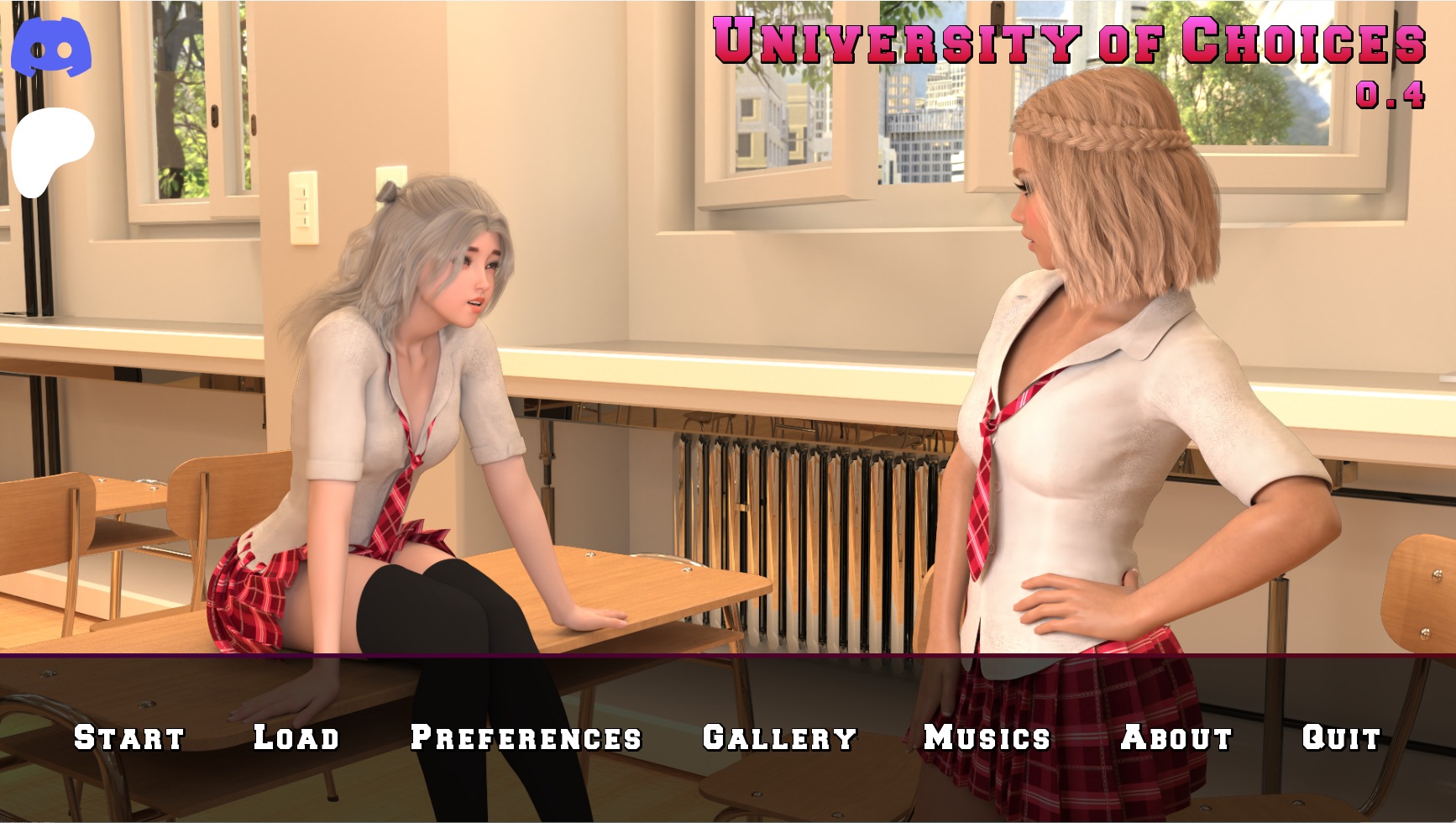
The visual presentation emphasizes character portraits, contextual backgrounds and readable UI elements that keep attention on the narrative while supporting mood and setting. Levels are structured as terms or chapters, each containing classroom moments, social encounters and optional side investigations. Scenes are paced to combine quiet character beats with higher-tension sequences; light visual cues and subtle sound effects help signal important moments without distracting from the prose-driven experience.
Customization and Player Agency
Customization emphasizes how you present your character through choices rather than deep cosmetic systems: dialogue options let you shape tone, alliances and ethical stance, while your decisions influence relationship arcs and how NPCs treat you. The game tracks choices in ways that enable emergent situations, such as favors returned at unexpected times or past embarrassments resurfacing to complicate a current plan. This approach reinforces a sense of ownership over the story without relying on extensive character creation menus.
Replay Value and User Experience
Replay value comes from probing different social circles, academic priorities and mystery threads; each run reveals new consequences and small details that accumulate into markedly different endings. Save slots and a clear scene history let you return to key decisions and explore alternatives without replaying whole terms. The pacing is designed to accommodate both short sessions and longer play periods, and the dialog-driven format keeps the user experience light on mechanical complexity while deep on narrative payoff.
Accessibility and Offline Play
The interface supports adjustable text size and clear contrast for readability, and controls are streamlined for single-handed play on phones. The Android port is designed to work offline after installation, preserving saved games locally so you can play without a persistent internet connection. These choices aim to keep the experience accessible to players with varying device capabilities and play habits.
Version Information
University of Choices v0.5.0 marks the initial Android release and brings the branching narrative to mobile with the core systems intact: relationship memory, time management and mystery threads. As an early release, players can expect focused content that will be expanded over time; feedback from mobile players will guide future updates and additional chapters to deepen the campus story and add more decision paths.