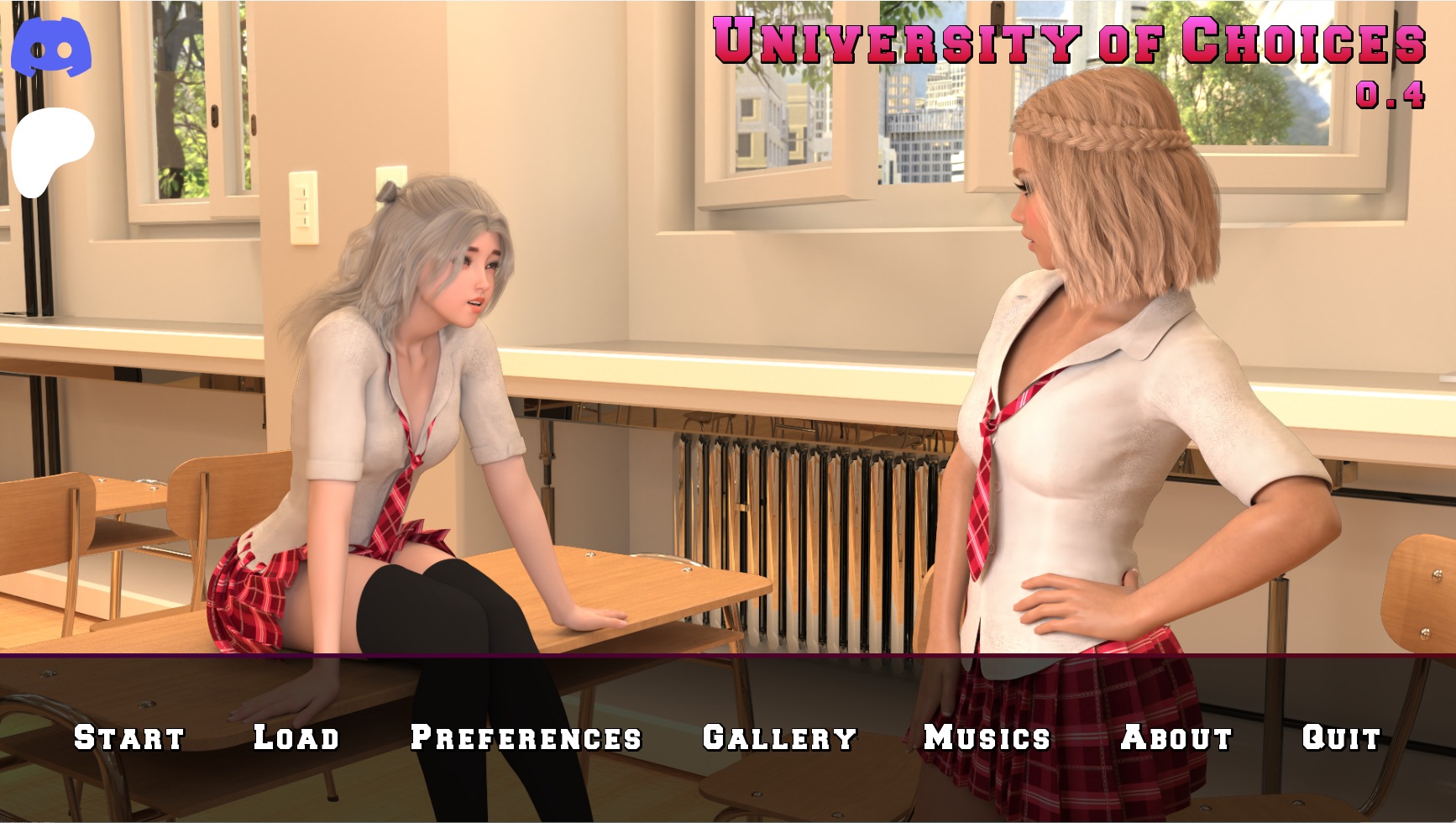
Tokyo After School Pixel Blade introduces fast-paced, auto-battle action where you assemble a roster of pixel-art warriors and watch your tactical choices unfold in short, engaging runs. Tokyo After School Pixel Blade balances easy-to-learn systems with strategic depth: characters fight automatically according to the formations and abilities you assign, while progression and collection systems reward repeated play. Whether you pick it up for a few minutes between tasks or for longer sessions, the game is built around quick loops, steady upgrades, and surprise rewards that keep the experience fresh.
Key Features
The game centers on automated combat, dynamic ability use, and a generous collection loop. Battles run smoothly without manual targeting, allowing you to focus on team composition, positioning, and pre-battle strategy. A gacha-style recruitment and a fragment assembly mechanic let you unlock new fighters over time, and randomized chests provide frequent surprises that accelerate progression. Combat design removes long cooldown walls and emphasizes quick exchanges so matches finish fast while still offering tactical variation through skill synergies and formation choices.
Gameplay and Controls
Controls are intentionally simple: most interactions happen through menus and pre-battle screens where you select characters, assign roles, and set battle tactics. During fights the AI follows the strategies you configure, but the game also gives clear visual feedback on skill activation and target priorities so you can learn how different setups behave. Short battle durations and automatic combat make the title accessible for on-the-go play, while the tactical layer comes from planning and adapting your roster between encounters rather than direct, moment-to-moment input.
Progression and Gacha Systems
Progression relies on both idle growth and active collection. Characters gain strength from victories and accumulate experience even during short sessions, enabling steady improvement without heavy grinding. The gacha mechanic is complemented by a fragment system that lets you collect pieces of limited characters over time; fragments reduce the randomness of pulls by providing a guaranteed route to assemble specific fighters if you persist. Free spins, daily chests, and reward loops create consistent opportunities to expand your roster and experiment with new lineups.
Visual Style and Level Structure
Visually, the game pairs retro-inspired pixel art with modern effects that make abilities and impacts readable in hectic scenes. Levels are designed as concise stages or runs rather than sprawling missions; this structure supports repeated attempts, quick testing of team synergies, and bite-sized progression. Each stage introduces slightly different enemy mixes or modifiers to encourage roster adjustments rather than repeating the same approach endlessly, preserving variety across many short sessions.
Customization, Team Building, and Replay Value
Character customization focuses on roster composition, role specialization, and equipment choices that influence automated behavior. Building a well-balanced team matters because characters perform distinct roles—frontline, support, and damage dealers—and their interactions create emergent strategies. Replay value comes from chasing new characters, optimizing fragment usage, refining formations for specific stage modifiers, and attempting higher-difficulty runs that reward mastery of the underlying systems.
Accessibility and Offline Play
Tokyo After School Pixel Blade emphasizes low-friction access: simplified interfaces, clear tooltips, and brief sessions make it approachable for new players. Text and icon clarity help with readability, and adjustable game speeds reduce time investment without changing underlying mechanics. Core mechanics are designed to work when offline for routine battles and progression; however, some gacha events and timed offers may require a connection, so occasional online access is useful to claim limited-time rewards.
Advantages
Tokyo After School Pixel Blade is well suited to players who enjoy collection-focused progression and short, repeatable runs. Its auto-battle system lowers the barrier to entry while still rewarding thoughtful setup, and the fragment-based acquisition offers a reliable path to desired characters over time. Fast encounter pacing and frequent reward loops make it satisfying to return regularly without long commitments.
Disadvantages
If you prefer direct, hands-on combat, the automated nature of battles can feel limiting since you cannot control characters in real time. The gacha and fragment systems add unpredictability to acquiring specific limited fighters, so reaching particular goals may take persistence. Finally, the emphasis on quick sessions and incremental progression might not satisfy players seeking deep, moment-to-moment mechanical complexity.