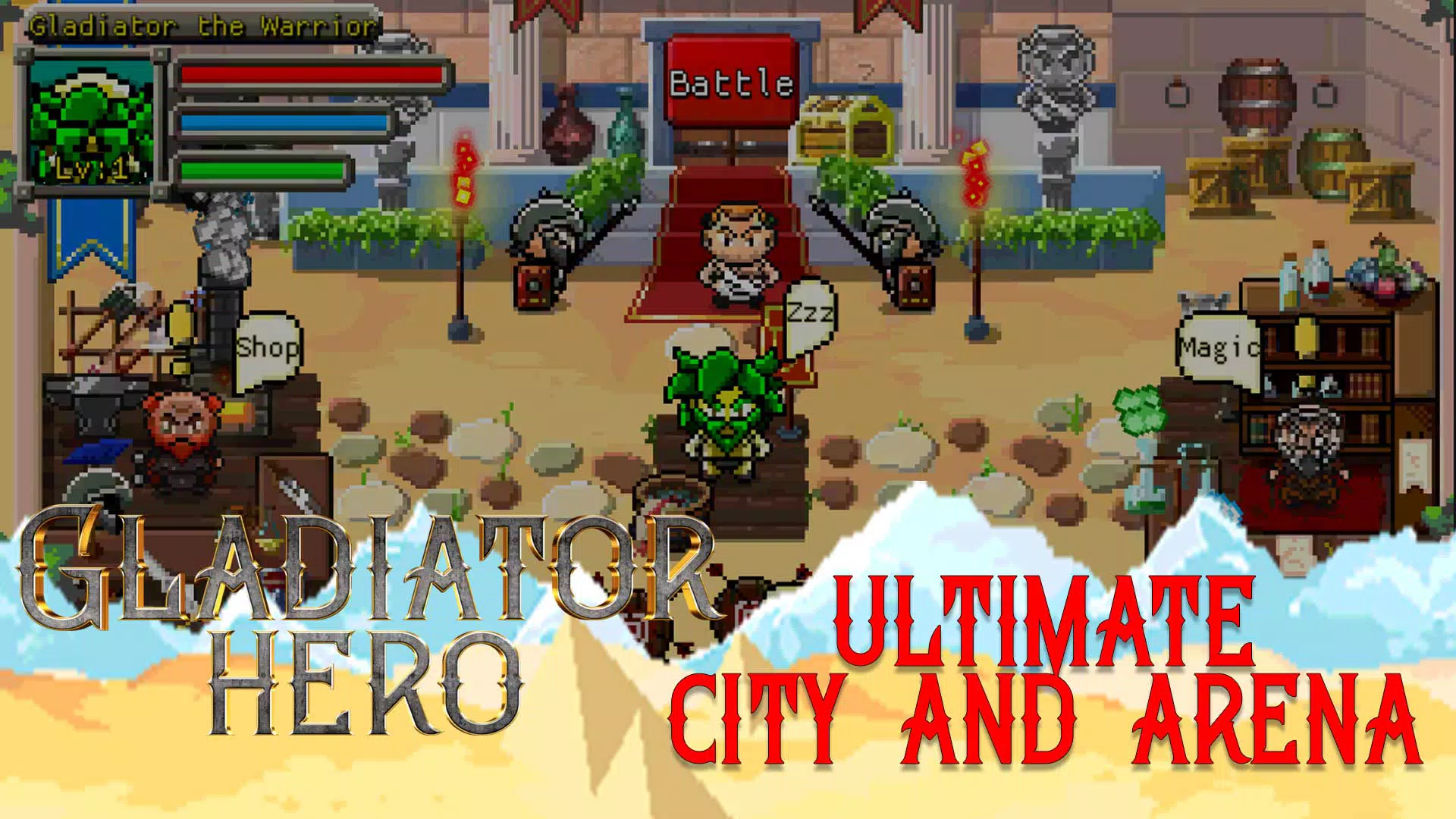
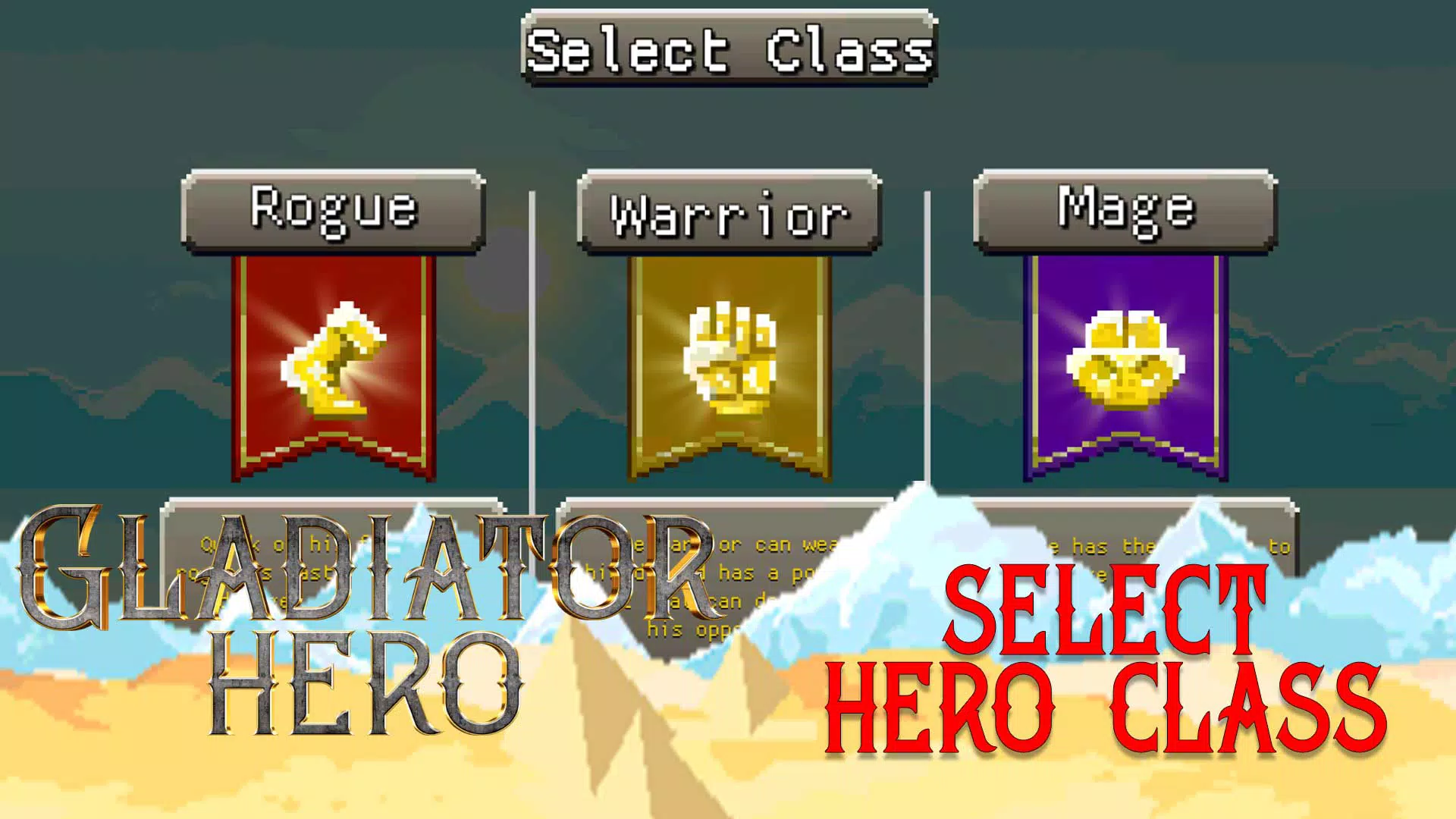
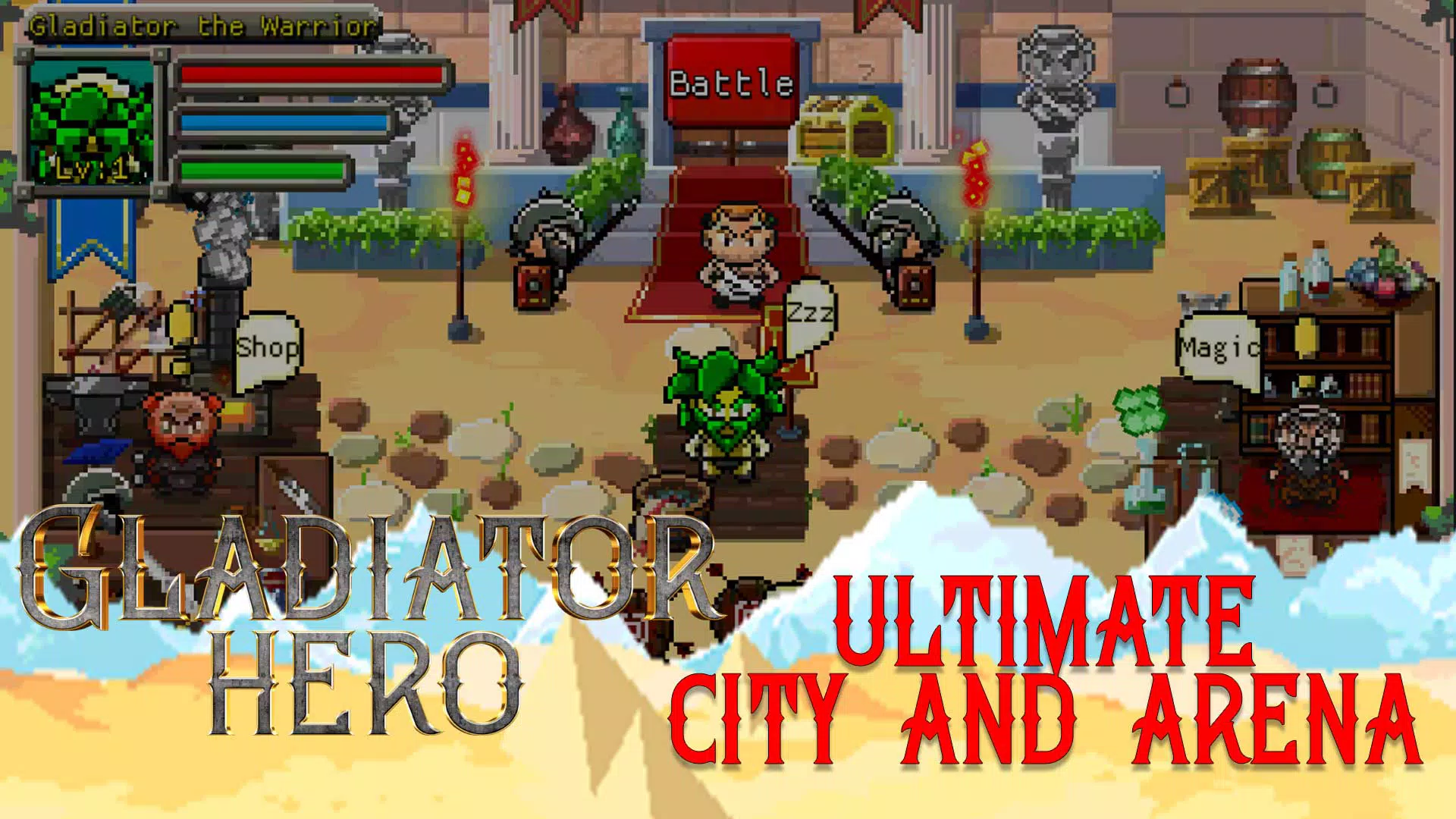
Idle Little Gladiator puts you in charge of a small but growing fighting roster, blending hands-off progression with meaningful pre-battle choices so every match feels worth preparing for. In Idle Little Gladiator you act as manager, trainer, and tactician: assign fighters to roles, decide what gear to upgrade, and set tactics before sending teams into automated arena fights where preparation and composition matter as much as the combat itself.
Gameplay and controls
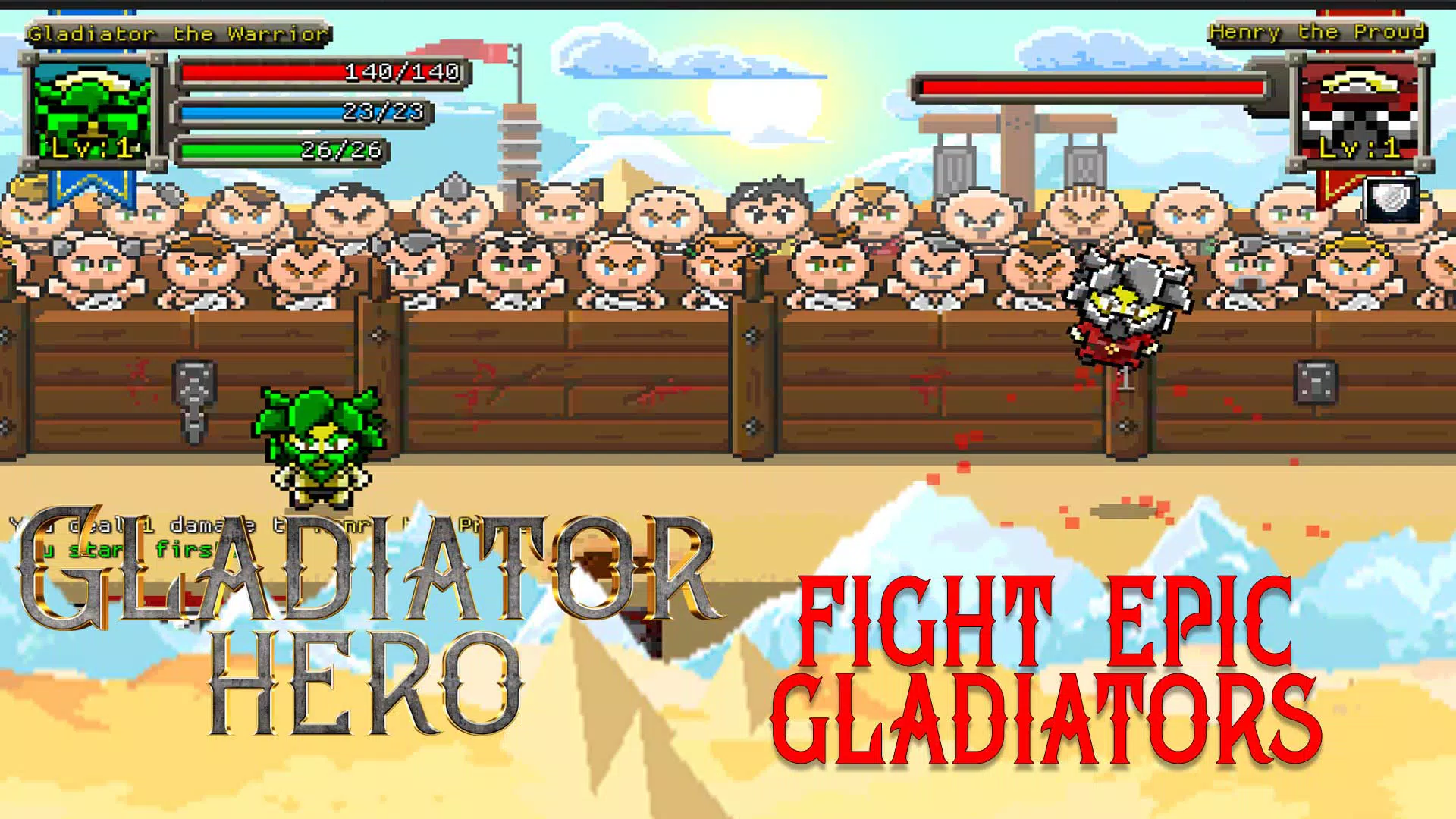
The core loop focuses on recruitment, training, and automated combat. Matches run automatically once started, but the interface makes it simple to influence outcomes through loadouts and tactical directives before a fight. Basic controls consist of taps to select fighters, sliders or buttons to upgrade equipment and skills, and clear menus for assigning behavior patterns, so managing a full roster is straightforward on a phone-screen layout. Short sessions are effective, but the design also supports longer planning sessions for players who want to experiment with team synergies.
Progression systems
Progression in the game centers on fighter levels, equipment upgrades, and gradual unlocking of new characters and weapons. Fighters earn experience from arena matches and can gain new abilities or stat boosts as they level up; weapons and armor follow an upgrade path that improves performance and enables specialized builds. The pacing is steady: early fights are fast to clear while later arena tiers demand repeated investment in training, gear, and tactical refinements to advance.
Level structure and challenge design
Arena content is organized into tiers and stages that introduce tougher opponents and different enemy behaviors as you climb. Each stage requires slightly different responses from your roster, encouraging variety in team composition and equipment. Challenge encounters and seasonal event stages provide alternate conditions that test specific strategies, such as enemy formations or status effects, which keeps the later-game encounters from becoming purely repetitive.
Customization and team depth
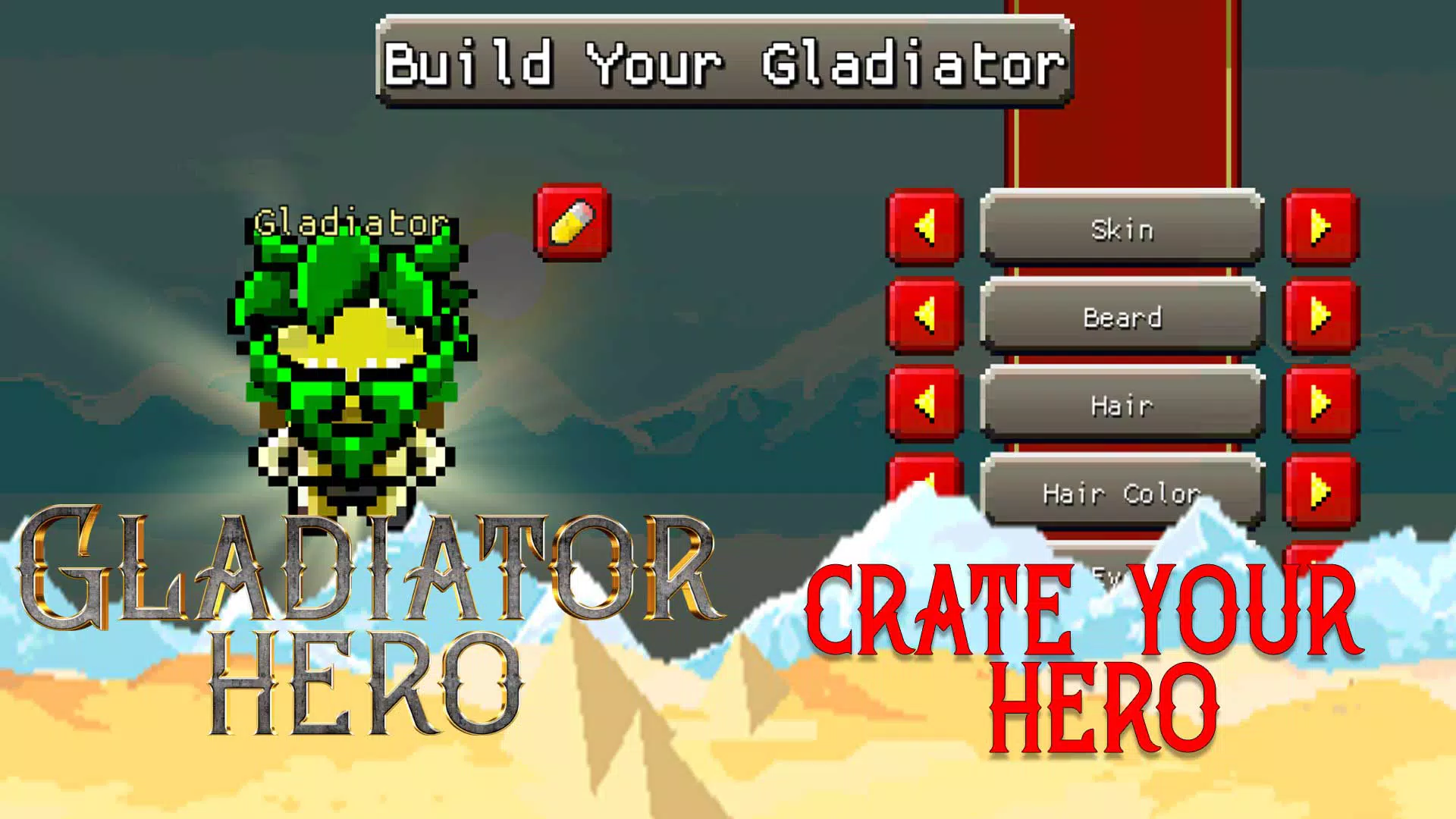
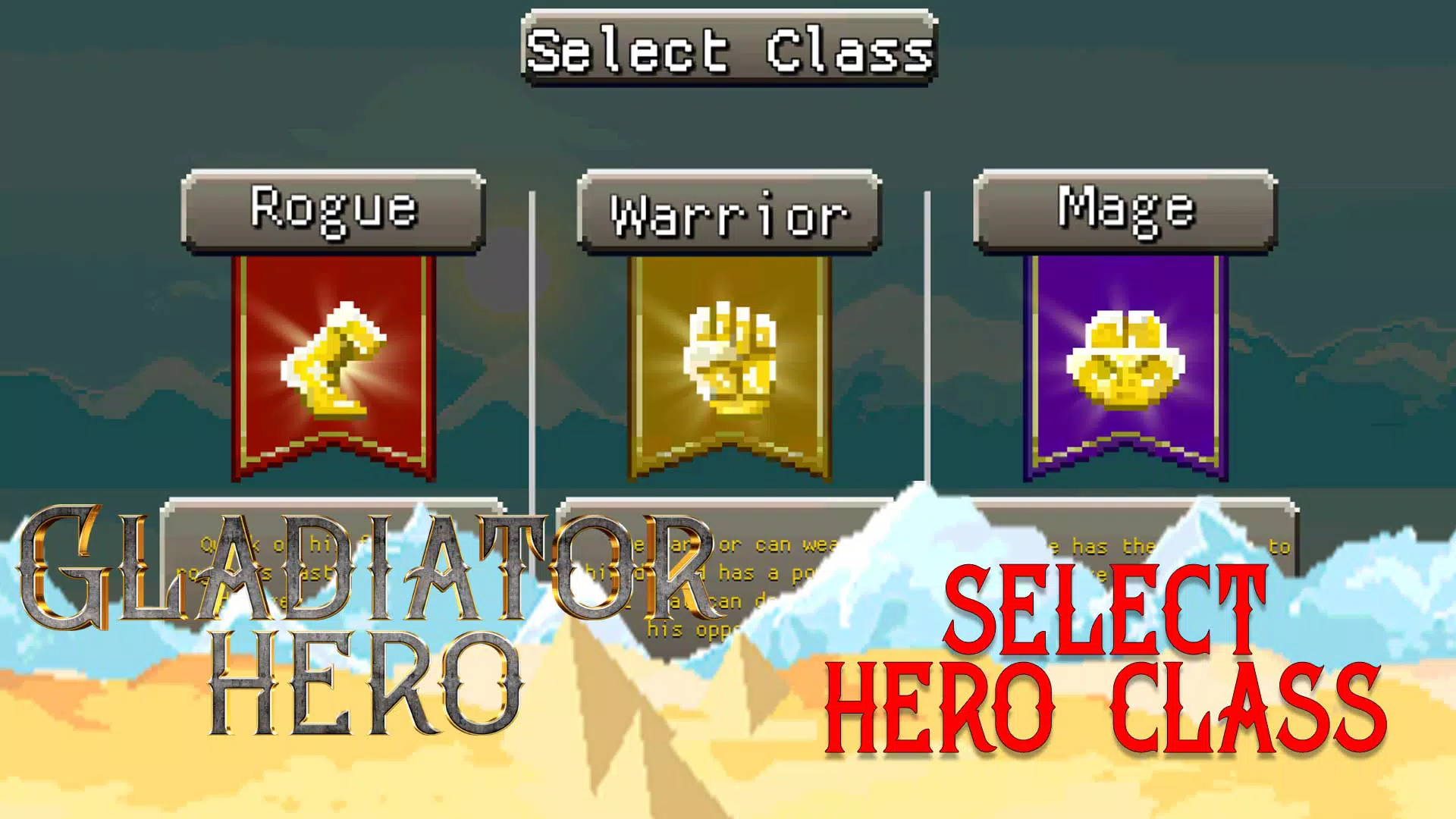
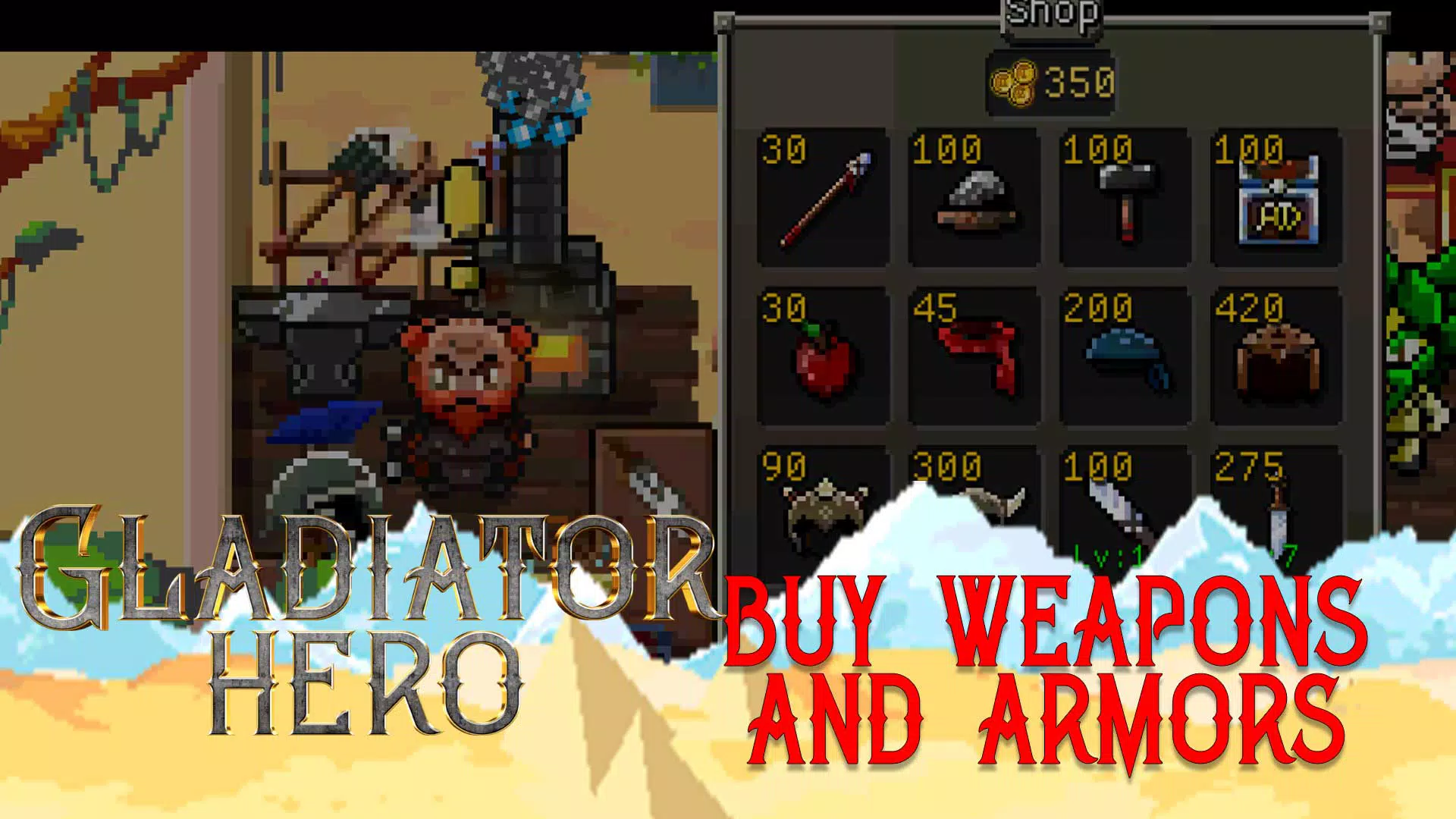
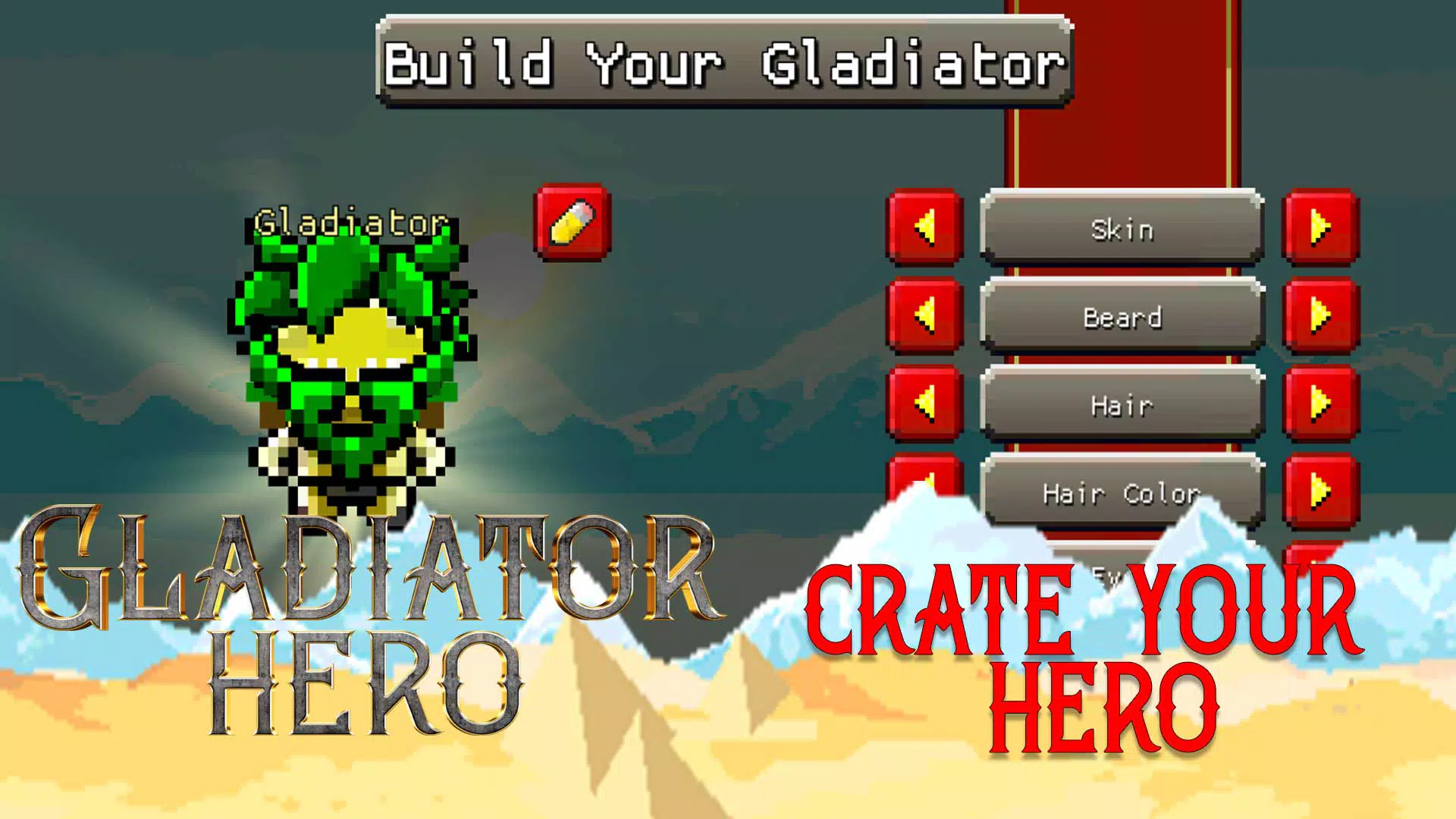
Customization is a major part of the experience: fighters have distinct roles and abilities, and equipping the right weapon or armor can change how a character contributes in battle. Players can mix and match fighters to form frontline tanks, ranged damage dealers, or support roles, and fine-tune their approach through tactical presets. This emphasis on loadouts and role synergy rewards experimentation and helps players develop a signature roster as they progress through the arena.
Visual style and user experience
The game presents a clear, approachable visual style designed for mobile readability: character silhouettes and ability effects are easy to parse on small screens, and the UI focuses on legibility so players can manage multiple fighters without confusion. Thoughtful layout, concise tooltips, and immediate feedback when upgrading or assigning equipment contribute to a smoother user experience, making it easy to return to the game after a break and pick up where you left off.
Replayability and events
Regular events and rotating challenges are part of the retention design, offering short-term goals and rewards that encourage players to revisit the arena. These events typically adjust rules or introduce new objectives, encouraging players to try different team setups. In addition to event content, the steady cadence of new fighters and gear gives players reasons to refine old strategies and unlock fresh combinations as they build a legendary roster.
Accessibility and offline play
The game aims to be accessible to casual players while still rewarding those who plan carefully: automation lets you progress without constant input, and the interface scales from quick taps to deeper menu navigation for advanced customization. Idle Little Gladiator also accommodates intermittent play patterns by allowing progress to continue between sessions, so you can return to earned rewards and upgrades without needing to be online at all times.
Who will enjoy this game
Idle Little Gladiator suits players who like strategic planning without having to micro-manage every moment of combat. It offers a balance between casual idle progression and the satisfaction of building effective teams through deliberate choices. Players who prefer direct real-time control may find the idle format less engaging, but those who enjoy steady advancement, experimentation with gear and roles, and regular challenge updates will find a lot to explore in the arena.