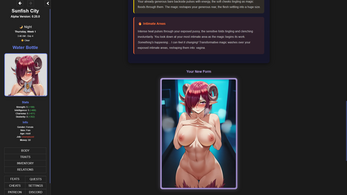

Sunfish City - a trait swap game v0.30.2 is an indie experiment built around swapping traits between characters to create surprising combinations and open-ended interactions. This build invites players who like to tinker: the core mechanics focus on recombining abilities and attributes to discover emergent gameplay, and the downloadable package provides an offline-ready version for deeper testing and larger asset sets.
Gameplay and Core Mechanics
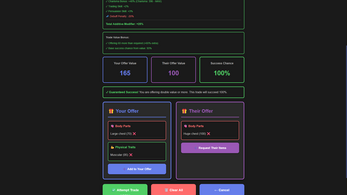
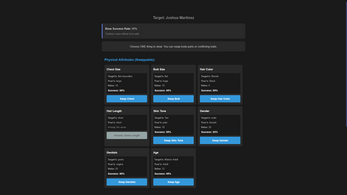
The central mechanic in Sunfish City - a trait swap game v0.30.2 is straightforward but expressive: characters are composed of modular traits that define movement, abilities, resistances and simple AI behaviors. Players can move traits between characters to see how different configurations interact, producing both predictable results and unexpected synergies. The sandbox nature encourages experimentation rather than strict objectives, but the game includes optional scenarios that set constraints so you can test specific design challenges or learn how particular traits behave in controlled situations.
Controls and Interface
The Android package is designed as a touch-first experience with drag-and-drop trait manipulation, tap-to-inspect detail panels, and pinch-to-zoom for close-up edits. Basic undo and history controls help you revert swaps during experiments. For those using the online build in a desktop environment, standard mouse and keyboard input is supported for quick selection and precision placement. Tooltips, contextual help and a short in-game tutorial introduce the trait categories and common interactions so new players can start experimenting without a steep learning curve.
Progression, Customization and Replay Value
Progression in the current release is driven by discovery rather than linear levels: as you try combinations you unlock variant traits and cosmetic options that let you customize characters and save preferred loadouts. The downloadable build supports saving and exporting preset configurations so you can archive successful experiments or share them manually. Replay value comes from a large number of trait permutations, optional constraint-based challenges, and procedurally varied starting sets that encourage repeated play-throughs to see how small changes cascade into different behaviors.
Visual Style, Assets and Level Structure
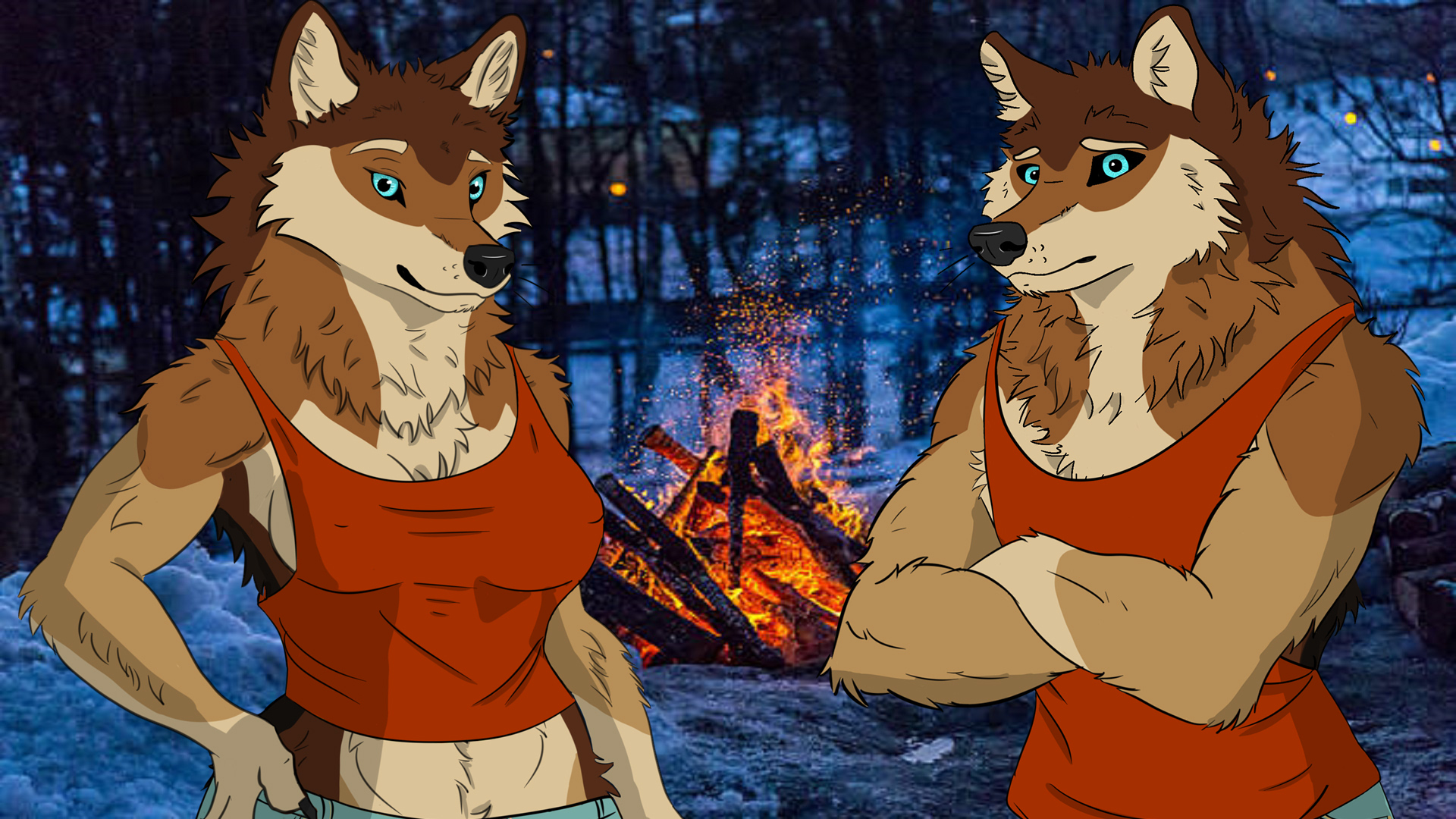
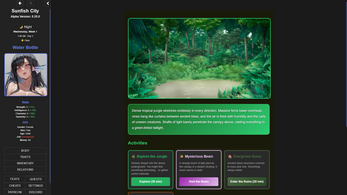
The visual approach is intentionally modular and readable: placeholder art is currently in use with ongoing art upgrades planned, so shapes, colors and icons emphasize clarity over detail to make trait function obvious at a glance. Level structure is less about traditional stages and more about themed arenas and sandbox rooms where variables can be isolated — for example, an obstacle course to test mobility traits or an enclosed arena to observe combat interactions. These small, focused environments are useful for designing experiments and exploring edge cases in trait behavior.
Challenge Systems and User Experience
For players who want more direction, Sunfish City includes curated challenge scenarios that limit available traits or impose specific goals, turning the sandbox into a puzzle exercise. The user experience emphasizes fast iteration: quick load times, an autosave system for local builds, clear feedback when traits interact, and a simple scoring readout for scenario mode to help quantify outcomes. Controls and UI elements are deliberately kept lightweight so experimentation remains the focus.
Accessibility and Offline Play
Accessibility options are included and expanding as development continues: adjustable text size, simplified input mode for single-tap interactions, and high-contrast palettes to aid visibility are available in early form. The downloadable package is designed for offline play so users without reliable internet can run full experiments locally, while the online build remains an option for quick access through a browser. Both builds preserve core functionality so players can explore traits without needing constant connectivity.
Development, Community and Version Notes
Sunfish City - a trait swap game v0.30.2 is developed by a solo indie creator who is actively iterating on mechanics, commissioning art upgrades and soliciting community feedback to prioritize improvements. Community resources such as the wiki and documentation are under construction and contributors are welcome; bug reports and constructive suggestions directly influence upcoming updates. The current release introduces a downloadable build to work around hosting limits and to support richer assets and offline experimentation, while future updates will continue to refine controls, accessibility and visual polish.