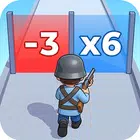
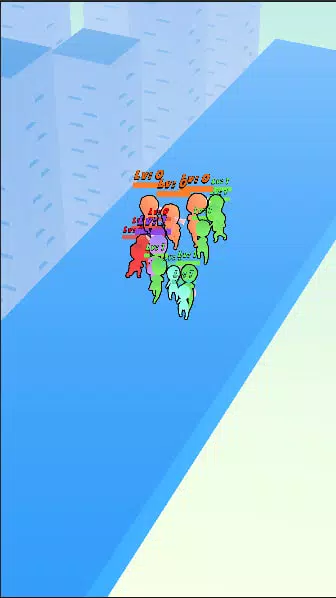
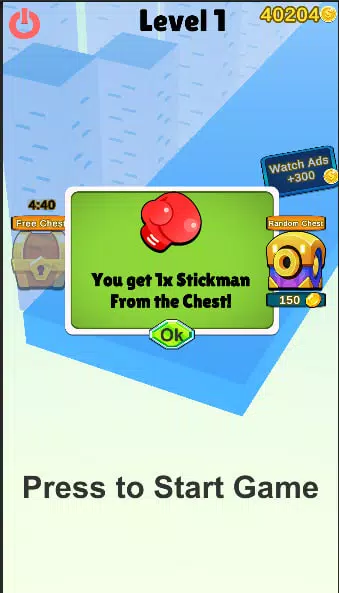
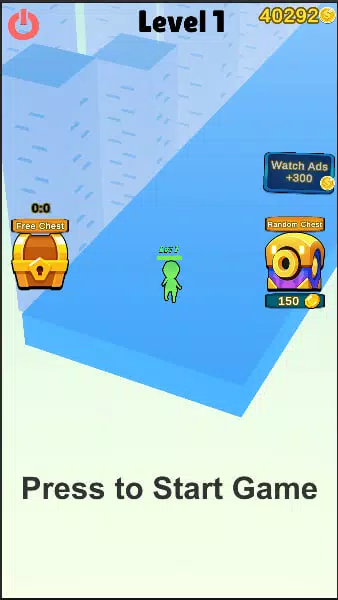
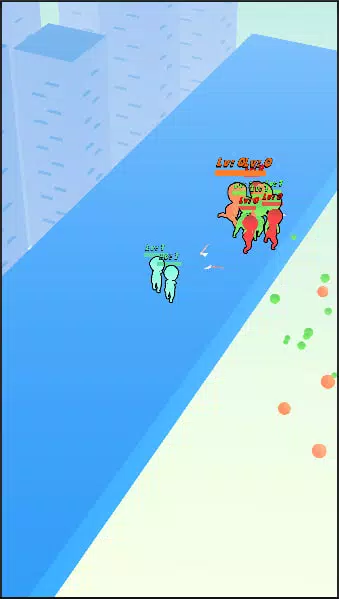
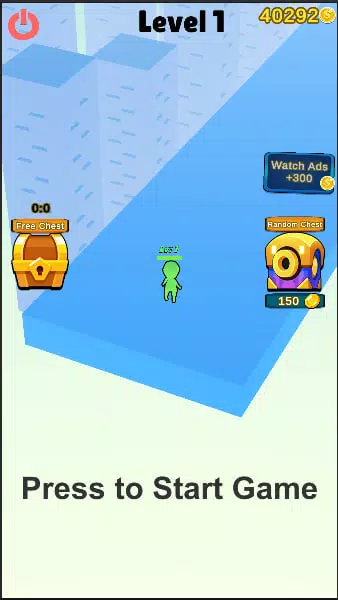
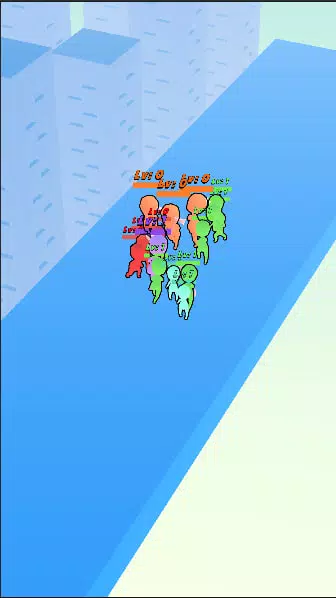
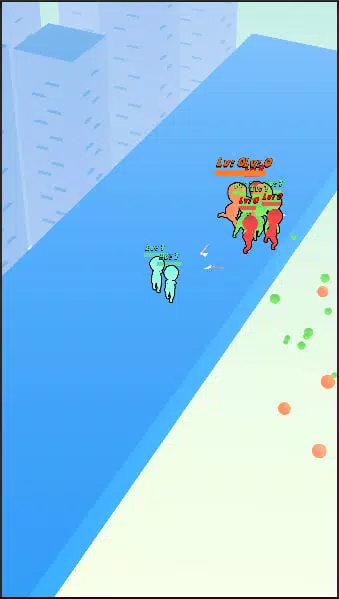
Stickman Gang Battle is a compact 3D stickman brawler designed for short, action-focused sessions where quick decisions and simple controls matter. In Stickman Gang Battle you drop into small arenas populated by rival stickmen, using timing and positioning rather than complex combos to win skirmishes. The game emphasizes immediate accessibility: matches are brief, the mechanics are straightforward, and the visuals keep combat easy to read so you can play casually or practice tight timing between fights.
Key features
The game blends close-quarters fighting with environmental interactions so each small arena feels dynamic rather than static. Encounters are designed to be resolved in a few intense moments, encouraging a pick-up-and-play flow that suits short sessions. Stickman Gang Battle presents a clear visual language for characters, hazards, and interactive objects so players can focus on tactics instead of deciphering cluttered graphics. The title also supports a variety of challenge modes and configuration presets to adjust match length and difficulty for new and returning players.
Gameplay and controls
Combat uses a compact control scheme centered on movement, a light attack, a heavy attack, and a contextual interaction button. Movement is responsive and camera-aware, allowing you to steer fights and use the arena geometry to your advantage. Light attacks are quick and safe, while heavy attacks trade speed for impact; mastering the balance between them is a core part of the skill curve. There are no deep combo trees to memorize, but timing, spacing, and situational awareness are rewarded during skirmishes.
Progression and customization
Progression is intentionally lightweight to keep the focus on gameplay rather than grinding. As you complete matches and challenges you unlock new cosmetic options and modest modifiers that change how a match plays—such as slight speed boosts or unique visual skins for characters. These unlocks let you personalize the look of your stickman and experiment with small changes to match pacing without introducing complex leveling systems. This approach keeps rewards meaningful while preserving immediate accessibility.
Visual style and level structure
The visual approach favors simplified, stylized stick-figure designs with clear silhouettes and contrasting arenas so action always reads well, even in chaotic moments. Arenas are crafted with distinct landmarks and interactive elements that alter movement and tactics; some stages emphasize tight corridors and grappling, others open up for flanking and faster engagements. Lighting and color choices are used to guide attention, helping players quickly identify opponents, hazards, and objective points during a fight.
Replay value and challenge systems
Replayability comes from varied arena layouts, adjustable difficulty presets, and a growing set of daily or weekly challenge objectives that push players to try specific tactics. Challenges can require winning under time pressure, using particular attack types, or surviving against waves of opponents in single-round trials. Those who prefer more structure can follow a challenge ladder that gradually introduces new mechanics and small modifiers to keep matches fresh without altering the core simplicity of combat.
User experience and accessibility
Menus and controls are designed to be approachable for players of all skill levels, with clear tooltips and optional simplified control mappings for touch devices. Visual accessibility options include contrast adjustments and a readability mode that increases silhouette clarity, making it easier to track action for players with visual sensitivity. Sound cues provide additional feedback for hits and special interactions so players receive multimodal signals during fast exchanges.
Offline play and performance
The game runs smoothly on a broad range of devices and is optimized for short sessions without requiring a persistent internet connection, allowing for reliable offline play. Performance prioritizes consistent frame rates and low input latency to preserve the feel of close combat, and the configuration settings offer options to reduce graphical detail on older devices while maintaining gameplay fidelity.
Getting started
New players should begin with the basic tutorial matches to learn movement and attack timing, then try a few arena types to see how geometry affects tactics. Experiment with the unlockable cosmetics and modifiers to find a personal playstyle, and use the challenge modes to sharpen specific skills. Whether you play Stickman Gang Battle in brief bursts or in longer practice sessions, the core design supports a steady, approachable learning curve that rewards timing and situational decision making.