



HobbEdu turns language learning into an approachable, game-like experience for children aged six and up. HobbEdu blends themed stages, playful mechanics and clear progression so young learners explore Chinese, Spanish, English, German, French, Italian and Portuguese through short, focused sessions that fit school lessons or after‑school play. The introduction places language basics in context — greetings, family, food and everyday vocabulary — while keeping each activity simple enough for independent use and easy supervision by caregivers.
Gameplay and controls
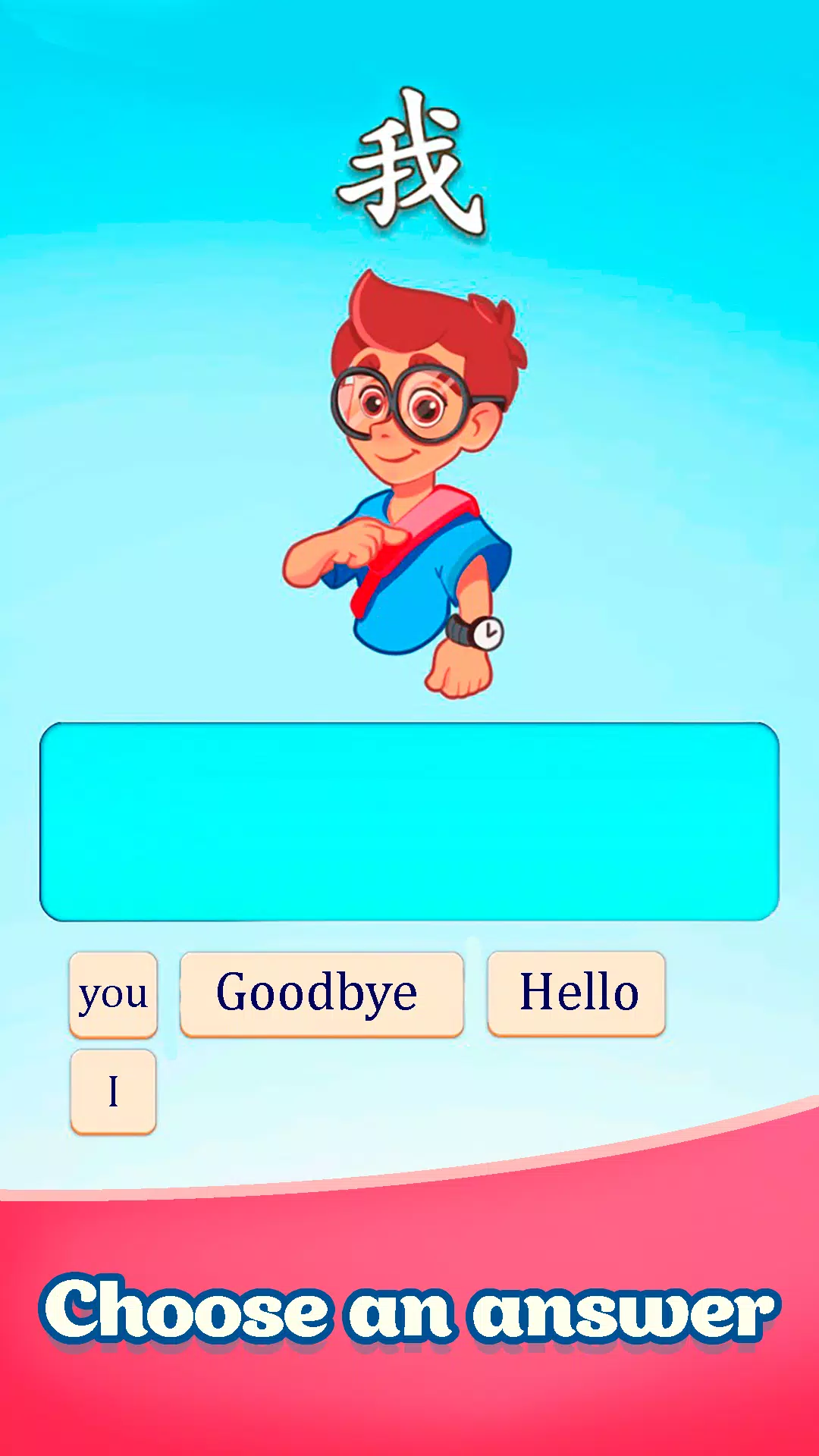
The app uses leveled gameplay that mixes short tutorials with interactive activities: flashcards, reading tasks, matching puzzles and a variety of mini-games designed around concrete language goals. Controls are touch-first and designed for small hands: tap to select, drag-and-drop for matching, and simple swipe or multiple-choice gestures for quiz rounds. For Chinese learners, calligraphy practice accepts finger or stylus input, letting children trace characters stroke by stroke. Each activity is brief, self-contained and immediately clear so players understand objectives without long instructions.
Progression and challenge systems
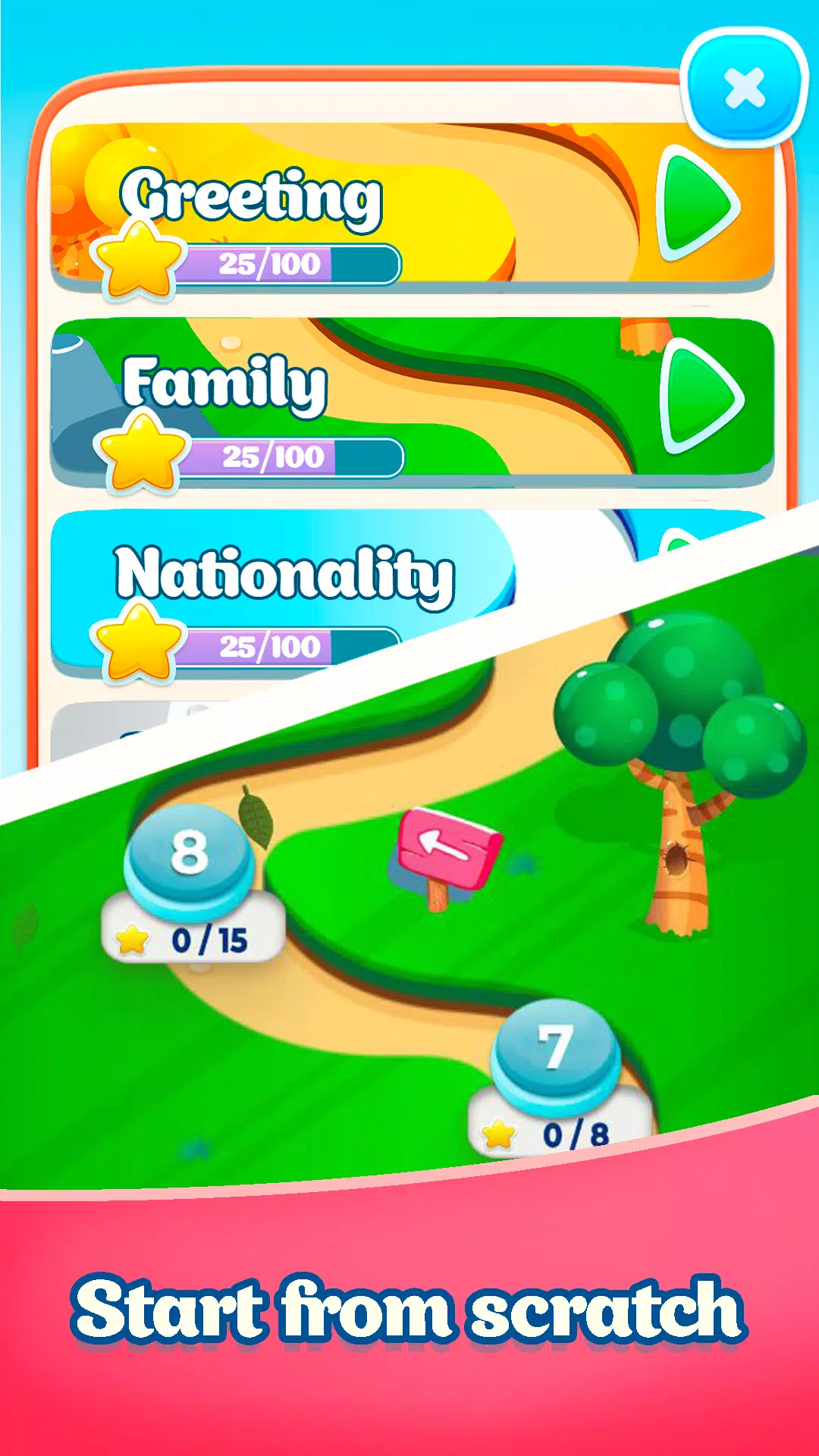
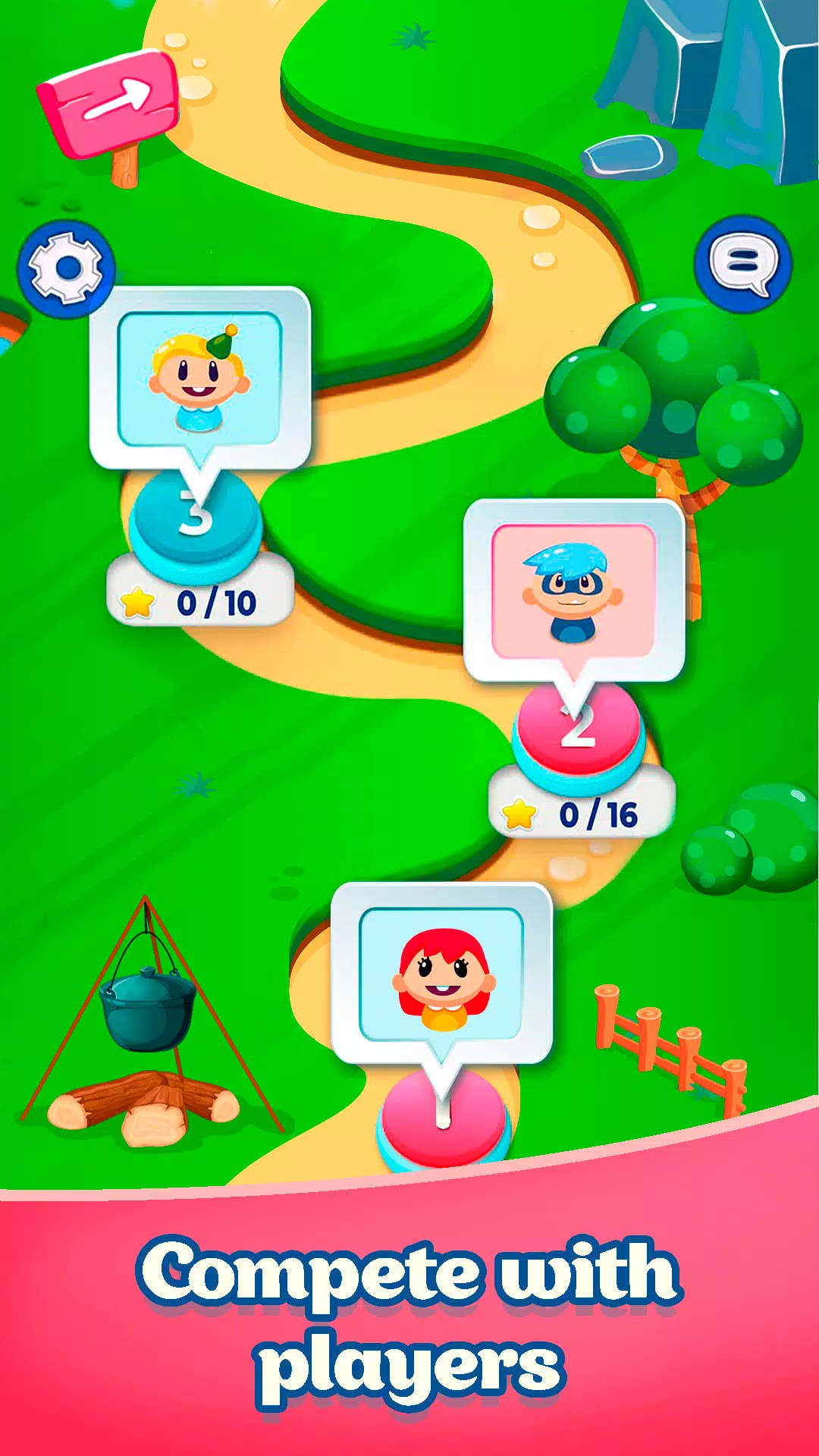
Progress in HobbEdu is driven by visible goals and a layered difficulty curve. Players unlock new levels by completing stage objectives, and each themed level contains sub-lessons that progressively introduce vocabulary and short phrases. Daily challenges and missions create short-term targets while longer-term experience points and sticker rewards mark overall advancement. Challenges include timed quizzes, puzzle variations and practice rounds that adapt to performance so players repeatedly face slightly different tasks, increasing replay value without introducing sudden difficulty spikes.
Level structure and replay value
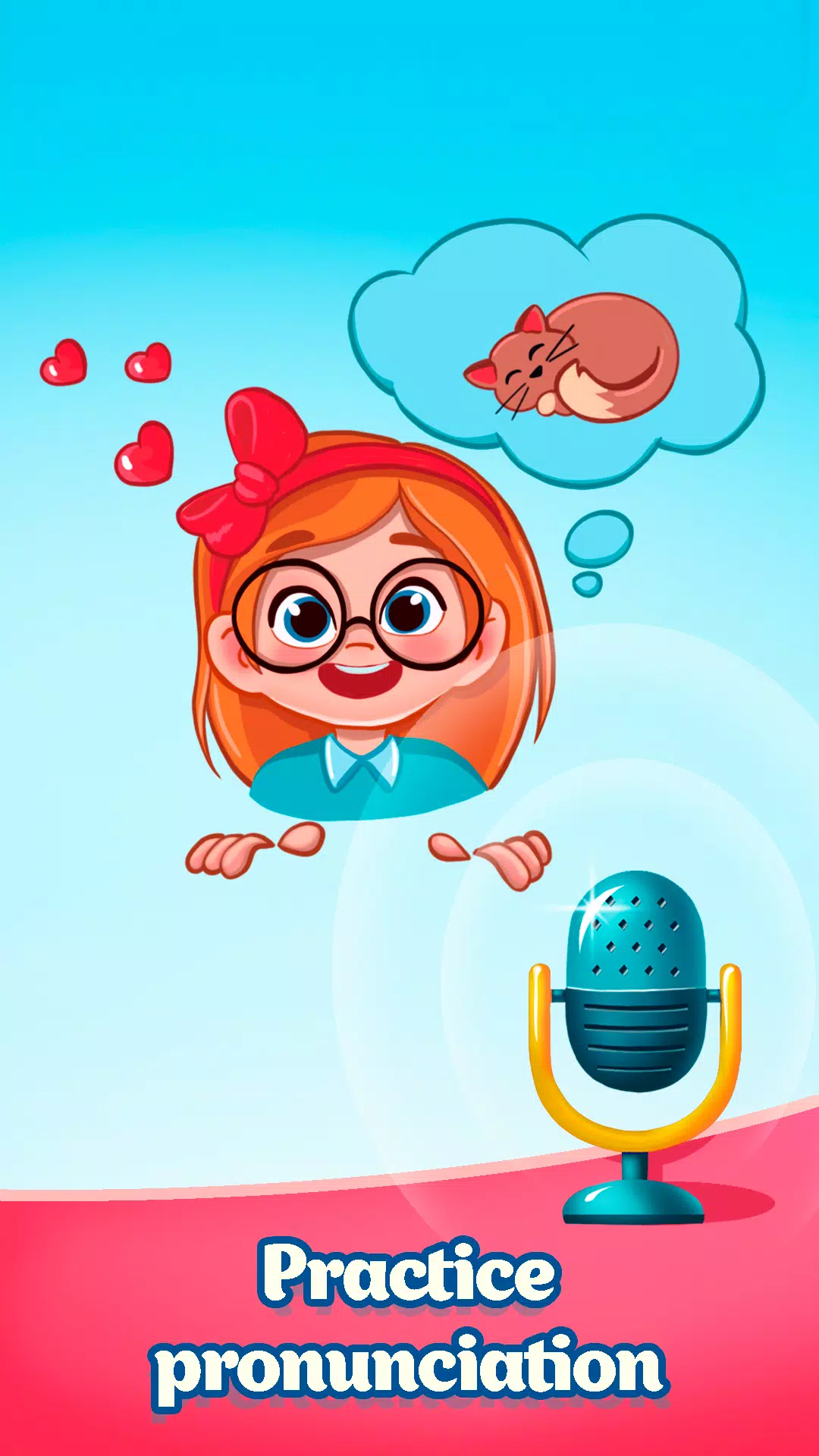
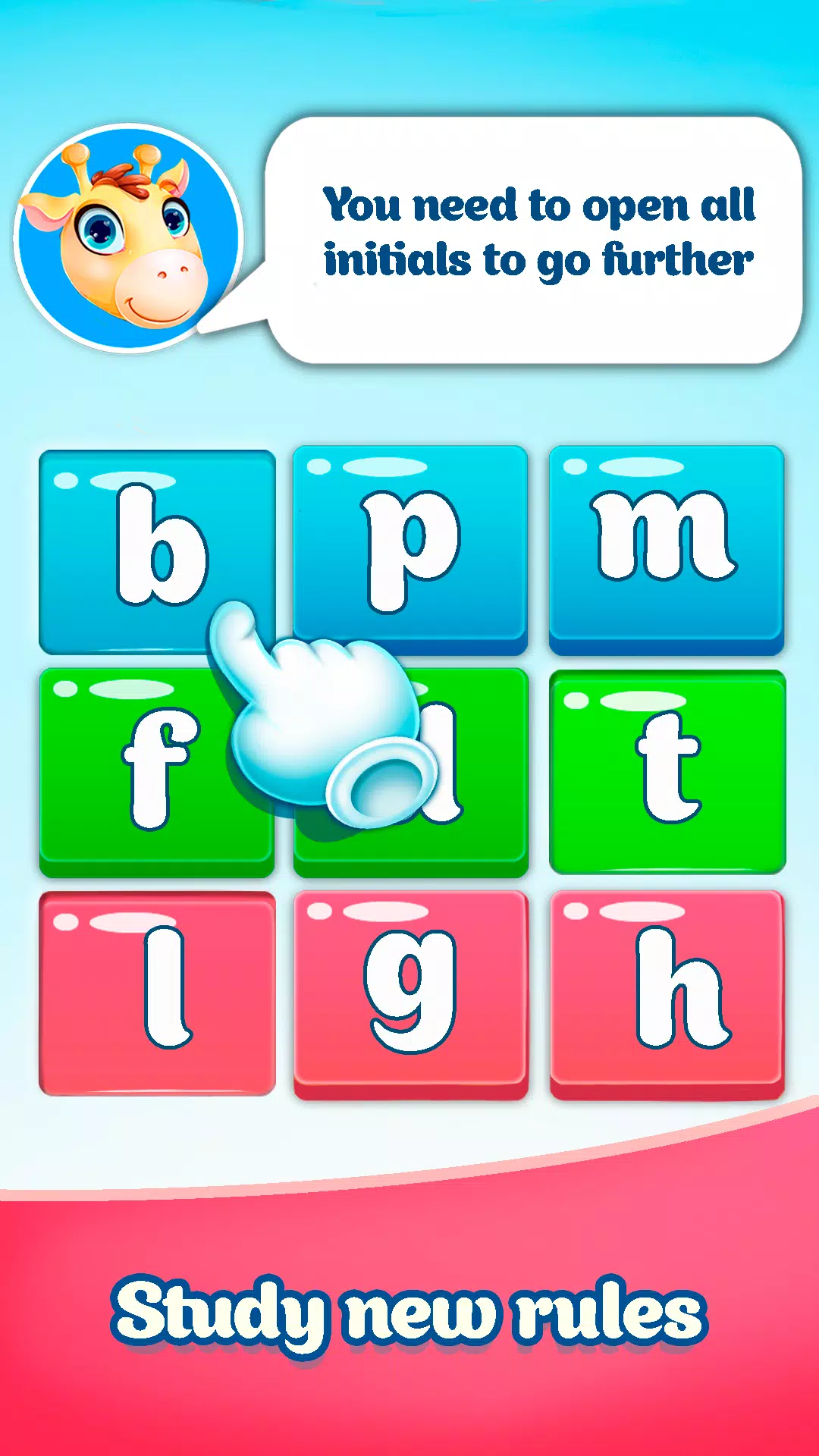
Levels are grouped by theme and competency, starting with recognition and pronunciation before moving into reading and contextual practice. Within a theme, multiple mini-games reinforce the same core words through different mechanics — for example, a memory matching game, a sentence-building task and a listening comprehension round — which encourages repetition without monotony. Randomized elements and multiple difficulty tiers keep activities fresh on repeat sessions and support longer-term retention through spaced practice.
Visual style and customization
The visual approach is colorful but uncluttered: high-contrast icons, clear typography and friendly character art that helps contextualize vocabulary. Visual cues guide interaction so children know where to tap or drag, and animations provide gentle feedback for correct answers. Basic customization options let learners choose avatar characters and color accents, creating a small sense of ownership that motivates continued play without overwhelming choices or complex menus.
Multiplayer and social learning
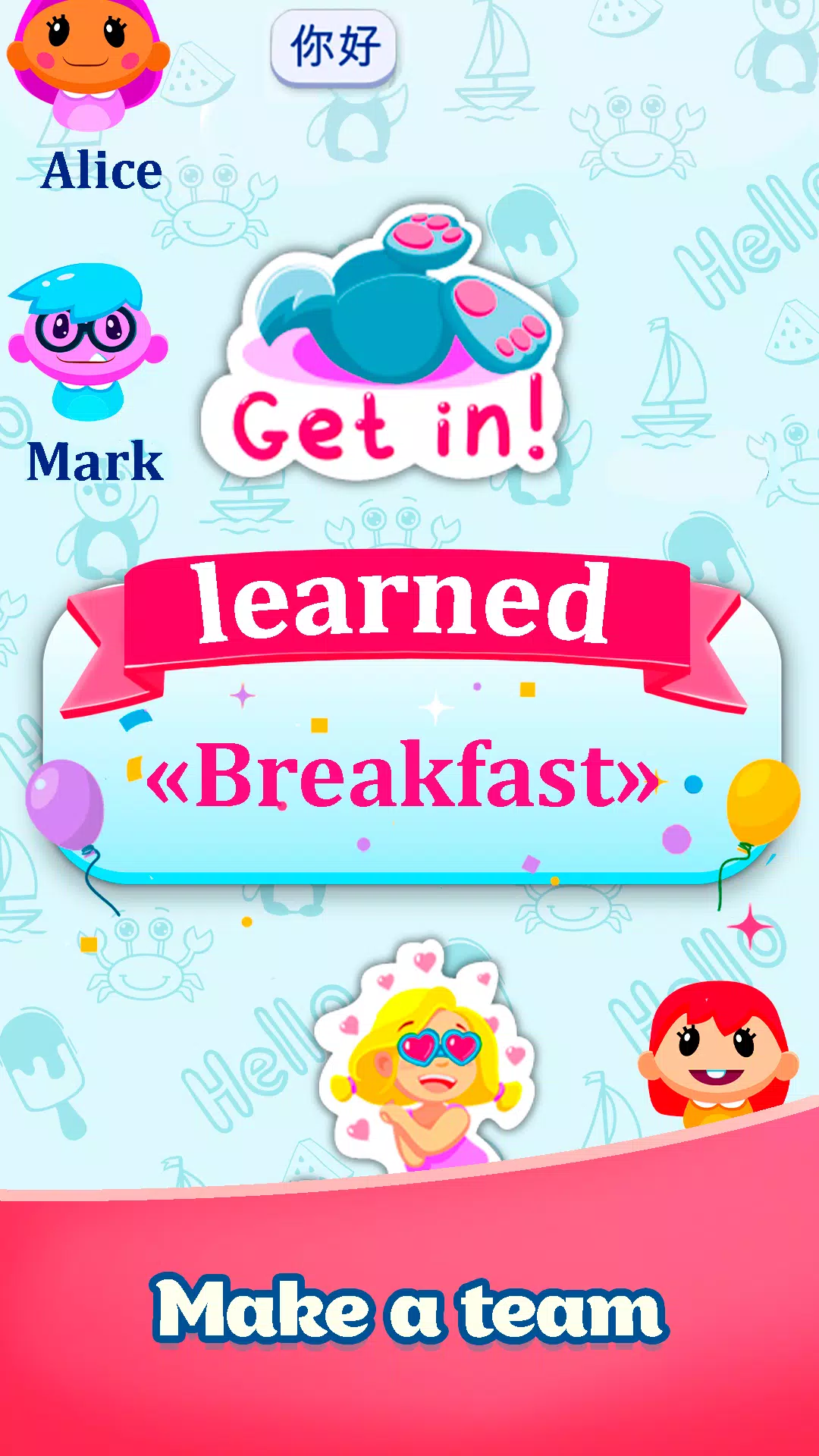
Multiplayer modes enable friendly competition and team play within the app: players can join quiz rounds, collaborate in simple team activities and use basic chat features to encourage social learning. These social components are oriented toward cooperative practice and short competitive quizzes rather than persistent rankings, and they are implemented to support peer encouragement and group study in classroom or home settings.
Accessibility and user experience
The app emphasizes clear audio instructions, short text units and consistent pacing to accommodate emerging readers and learners with varying attention spans. Large touch targets, predictable layouts and step-by-step prompts reduce frustration for new users. Sound effects and spoken words help connect visual vocabulary with pronunciation, and lesson pacing can be controlled by allowing repeated attempts and practice rounds until confident performance is reached.
Offline use and practical classroom fit
HobbEdu is suitable for environments with intermittent connectivity: core practice sessions and many mini-games are designed to run without a constant internet connection after initial content download, which makes the app practical for travel or classroom tablets. This offline capability, combined with short lesson lengths, supports use in scheduled learning blocks and informal practice during downtime.
Who will benefit
Families and educators will find HobbEdu useful for introducing foundational vocabulary and basic conversational phrases across seven major languages. The combination of bite-sized lessons, progressive difficulty, multiplayer quizzes and visible progress tracking helps maintain motivation and makes regular practice straightforward. While the app focuses on early- to mid-level learning rather than advanced grammar instruction, its game-style curriculum provides a reliable foundation for young learners to build confidence and curiosity about new languages.