





SleepMind AI is a bedside companion app that helps you observe nightly patterns and build small, sustainable habits for better rest. SleepMind AI combines automatic sleep detection, a context-aware alarm, a personalized coaching engine and a flexible sound mixer into a single, approachable interface so you can gradually improve sleep consistency without wading through complex settings. This editor introduction explains how the app structures data, how interactions are designed to fit real life, and what to expect as you use it regularly.
Key features and daily interactions
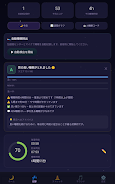
The app centers on a few repeatable actions you’ll perform each day: enable overnight detection, review a concise sleep score in the morning, and accept or dismiss one short coaching suggestion. Automatic sleep detection captures total duration and basic sleep segments, then summarizes the night in a clear score and short notes that highlight the most immediate factor to address. The smart alarm listens for lighter sleep phases and will aim to wake you inside a chosen window to minimize grogginess. The sound mixer lets you layer ambient tracks like rain, waves and brown or white noise with independent volume and fade controls; you can save presets for familiar routines and apply them with a single tap when you start a wind-down session.
Interaction mechanics and controls
Controls are intentionally simple to reduce friction at bedtime: large toggles to switch detection on or off, a minute-granularity picker for your alarm window, and sliders for sound volumes and fade times. Visual timelines display detected sleep segments and overlay icons where audio or guided stretches were used, making it easy to see what correlated with better nights. Interaction mechanics emphasize quick confirmations: accept a coaching suggestion to add it to your nightly checklist, snooze or dismiss the smart alarm, and apply saved mixer presets from the sleep setup screen. These mechanics are designed so repeated use becomes automatic rather than a chore.
Progression, goals and gentle challenges
Progression is framed around small, trackable changes rather than dramatic promises. The AI coach proposes modest, evidence-aligned goals — for example establishing a 30-minute wind-down, reducing late-day caffeine, or aiming for a three-night regularity streak — and you can accept or skip each goal. Achievement markers reward consistency and display on your profile as simple badges or streak counters; this soft challenge system encourages replay value because improvements build over weeks and are tied to daily routines. SleepMind AI also surfaces trends and micro-goals that alter in difficulty as your sleep behavior evolves, helping you focus on the next practical step rather than overwhelming targets.
Customization, visual design and accessibility
Visual design favors low-contrast palettes and clear typography so charts and tips are legible at a glance in dim lighting. Color-coded trend lines and shaded sleep-stage bands make long-term changes easy to scan, and the sound mixer includes both curated presets and a custom mode to save favorites. Accessibility options include larger text sizes, simplified screens for quick setup, spoken audio cues for guided stretches and captions for all voice content. A dark theme and reduced motion settings are available to minimize light and movement that could disrupt winding down. These customization options let you tailor the experience to your sensory preferences and nightly routine.
Offline play, data control and reliability
Most core features work offline: on-device sleep scoring, local sound playback, saved routines and the guided stretching content do not require a constant internet connection, which helps protect privacy and ensures dependable use while traveling or in low-signal locations. Data is stored locally by default, with clear export and backup choices if you decide to move your records. The app notes practical limits up front: detection accuracy depends on sensor quality and device placement at the bedside, and meaningful trend insights require consistent use over days or weeks. SleepMind AI is presented as a practical tool for habit change, not a medical device, and coaching suggestions are educational rather than diagnostic.
Replay value, habit building and user experience
Replay value comes from incremental progress, daily rituals and tangible feedback loops: short guided stretches or audio wind-downs become repeatable actions that feed into the AI coach’s recommendations, while trend charts and modest achievements reward steady improvement. The interface balances clarity with unobtrusive controls so interactions are quick and predictable, helping the app become part of a bedtime routine rather than an extra task. Practical tips about optimal phone placement, sample wind-down sequences and how to combine sounds with stretching help users get consistent results without complicated setup. Regular updates refine detection and coaching logic based on anonymized usage patterns, keeping the experience responsive to real-world behavior over time.