

The Blood Diary is a dark, story-driven single-player game that blends visual-novel storytelling with JRPG-inspired turn-based combat and atmospheric exploration. In The Blood Diary you follow Selena, a young woman transformed into a vampire who uses a literal diary to record memories, decisions, and the slow unravelling of identity as she navigates uneasy alliances and moral compromises. This editor introduction outlines core systems, tone, and practical details so you can judge whether the gothic narrative and tactical battles suit your preferences.
Gameplay and Narrative
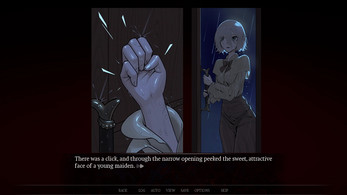
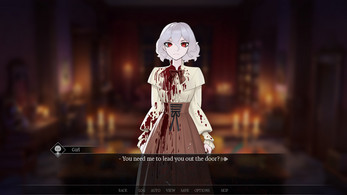
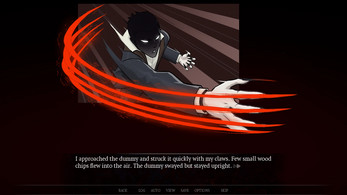
The Blood Diary balances branching narrative choices with tactical encounters. Story scenes are presented in a visual-novel format featuring dialogue trees, character art, and journal entries that react to your decisions; choices influence relationships and unlock alternate scenes and endings. Between narrative chapters the game switches to exploration and turn-based combat where positioning, status effects, and timing matter. Certain skills grant bonus effects when executed with a timing cue, and environmental hazards or interactive objects can shift the tactical landscape of an encounter.
Controls and Interface
Controls are designed for touch-first play but remain comfortable on tablets and larger phones. Tap to advance text or pick dialogue options, swipe to move between exploration nodes, and tap icons in combat to select attacks, skills, items, and defensive options. The combat HUD groups actions into clear categories and provides contextual prompts for timing-based abilities. Menu screens emphasize large, readable buttons with quick access to inventory, the skill tree, and chapter journals so managing gear and choices is straightforward on smaller screens.
Progression and Customization
Progression revolves around experience, skill points, and a branching skill tree that lets you shape Selena’s combat role and passive bonuses. Skill nodes unlock new active abilities, enhance timing windows, or create combo links that change how actions chain together. Equipment and consumables offer distinct stat shifts that support different playstyles: stealth and evasion-focused builds reward avoidance and critical counters while heavier, damage-oriented setups lean on risk-reward mechanics. The game supports meaningful experimentation, and respeccing options make it easy to try new approaches across playthroughs.
Visual Style and Level Structure
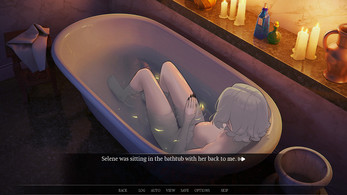
The visual presentation emphasizes a gothic, moody palette with detailed backgrounds and expressive character portraits that reinforce the narrative tone. Levels are organized into chapters that combine linear story beats with optional side areas, hidden zones, and short puzzles or mini-games that reward exploration and uncover lore about the Kingdom of Gelrond and Selena’s past. Environmental design favors atmosphere and discovery; not every area is combat-heavy, and many scenes focus on worldbuilding and character moments.
Replay Value and Challenge Systems
Replayability comes from branching story paths, multiple endings, and varied build options. Dialogue permutations and relationship outcomes alter NPC behavior and late-game scenes, encouraging replays to see alternate outcomes. Difficulty is layered: more challenging optional bosses and puzzle variations test tactical and problem-solving skills, while adjustable combat settings let you focus on story or on a stiffer strategic experience. Optional content provides additional challenge without locking narrative progression behind extreme difficulty.
User Experience and Accessibility
The Blood Diary aims to be approachable while retaining depth for tactical players. Accessibility options include adjustable text speed, font size, dialogue auto-forward, and a hint toggle for puzzles to accommodate different reading and play preferences. Difficulty presets and a clear save system allow players to tune challenge and preserve progress. The interface emphasizes legibility and simple navigation to reduce friction during long sessions and to make key systems discoverable for new players.
Offline Play and Performance
This title is intended as a complete single-player experience after installation, with no persistent online connection required to play the main story and side content. Performance has been tuned to balance detailed art and smooth rendering across a range of Android devices; load times and transition animations are kept minimal to maintain narrative immersion while exploration and combat remain responsive on phones and tablets.
What to Expect
The Blood Diary mixes intimate, character-driven scenes with deliberate tactical battles and exploration that rewards curiosity. Mature themes and romantic choices are handled in an informational, story-centered way and may not be suitable for younger players; parental discretion is advised. If you appreciate moody storytelling, meaningful branching decisions, and a combat system that rewards timing and build experimentation, The Blood Diary presents a layered single-player experience worth exploring at your own pace.