
Highrise Heroes is a word-based puzzle adventure that places you in the role of Seb as he descends a damaged skyscraper after a sudden earthquake. In Highrise Heroes you navigate more than 90 hand-crafted floors, forming words on a compact letter-and-obstacle grid to clear routes, meet allies, and gradually uncover a tense narrative about the quake and a mysterious stalker. This description explains the core mechanics, controls, progression, visual tone, accessibility choices, and what makes Highrise Heroes rewarding to play offline.
Key features
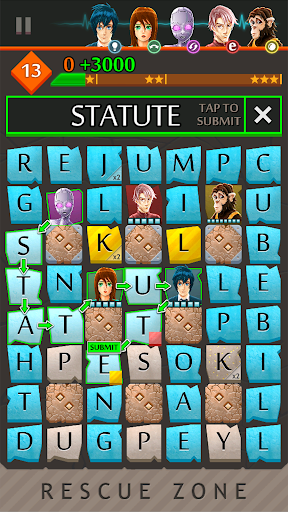
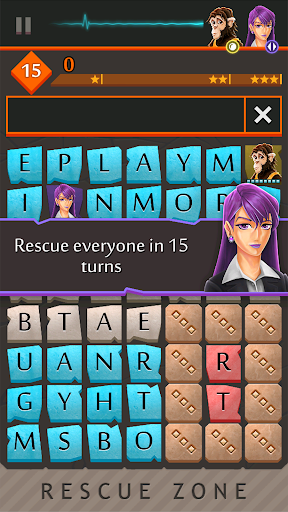
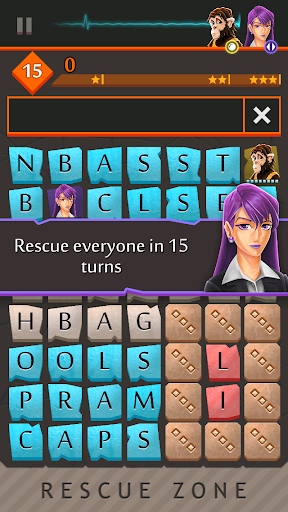
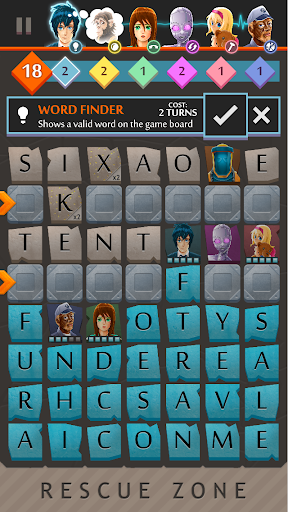
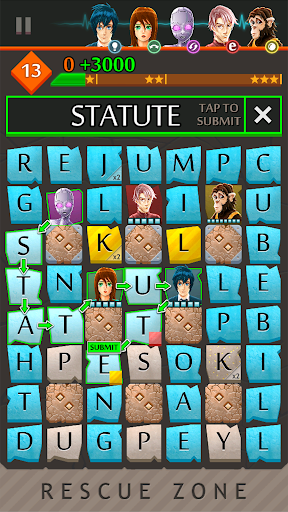
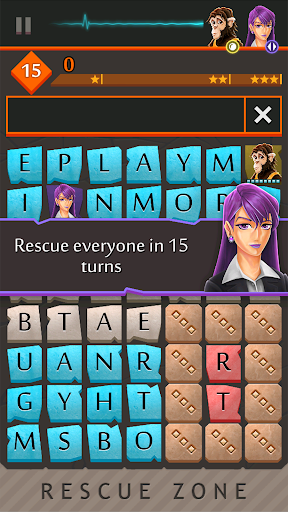
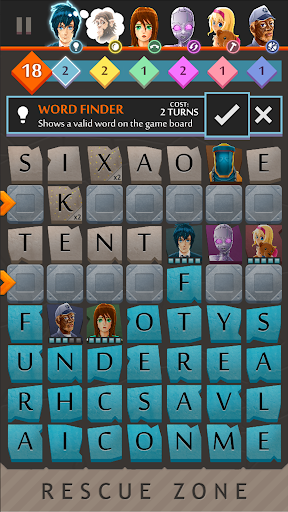
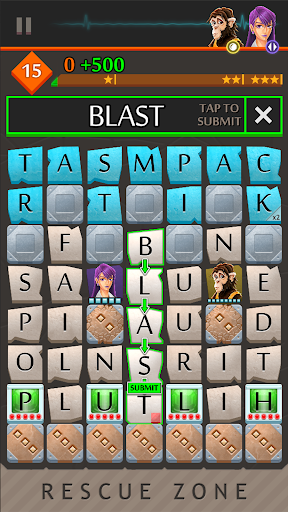
The game blends focused puzzle design with story beats: each floor is a short, complete challenge that contributes to a larger mystery. Puzzles use English (US and UK) word lists so vocabulary and validation remain predictable, and levels introduce new tile types and obstacles at a steady pace. Key elements include locked tiles that require specific clears, immovable blocks that force detours, and blocking elements that change which words will open a path. The layout encourages planning as well as creative word choice, and many floors are solvable by multiple valid strategies rather than a single forced move.
Gameplay and controls
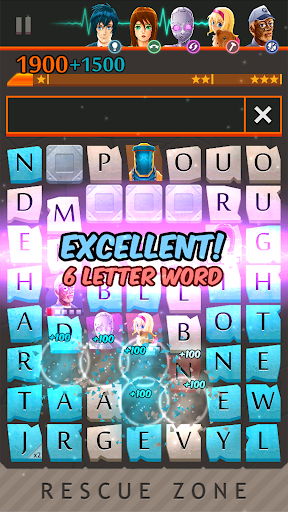
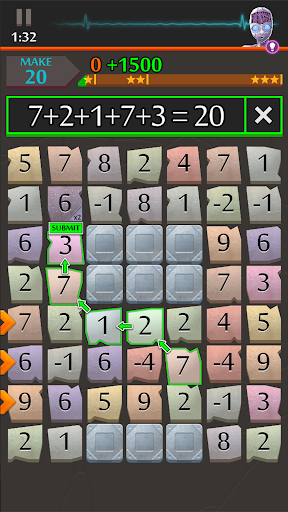
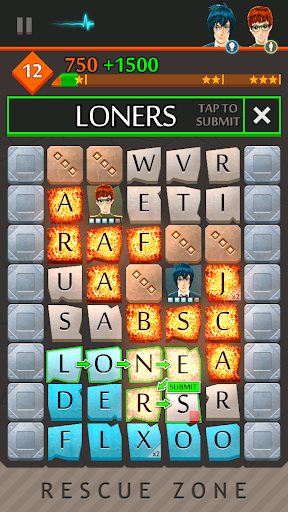
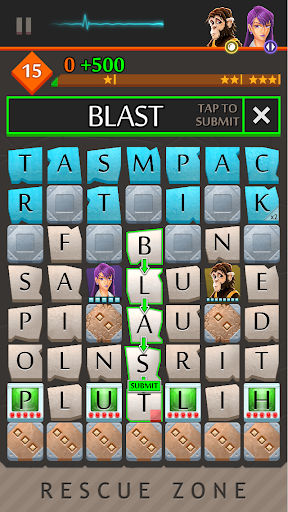
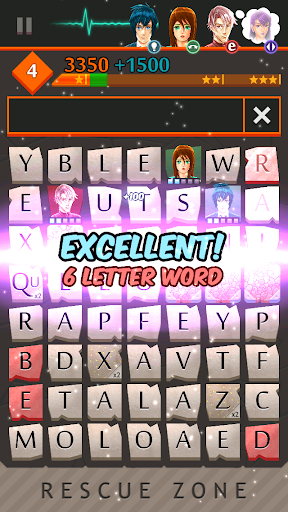
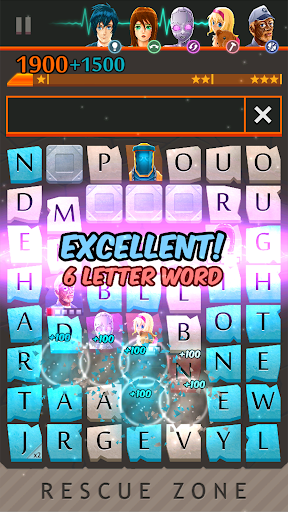
Gameplay centers on tracing words across a grid of letter tiles to remove hazards and connect routes. Controls are optimized for touch: tap or drag across adjacent letters to select a word and lift to submit; a quick tap deselects. Input is forgiving so players can experiment without harsh penalties, and a one-touch restart option lets you replay an individual puzzle immediately if you want to try a different approach. Because the puzzles are compact, most sessions are ideal for short play bursts, but the later, more complex floors reward longer moments of concentration.
Progression and level structure
Levels are organized as floors in a top-to-bottom skyscraper structure that gives a clear sense of advancement. Early floors introduce basic tiles and simple obstacles, while middle and late floors layer constraints like chained clears and competing hazards. Completing groups of floors unlocks new narrative chapters and reveals character interactions that add context to the immediate puzzle objectives. The deliberate pacing makes it easy to pick up where you left off and to focus on a handful of floors when you have the time.
Visual style and presentation
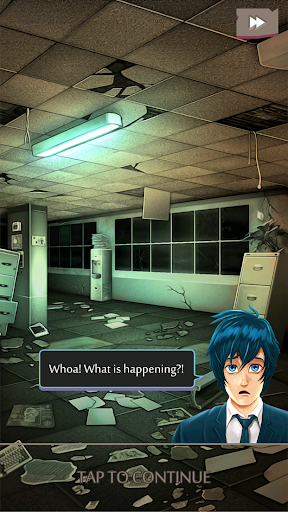
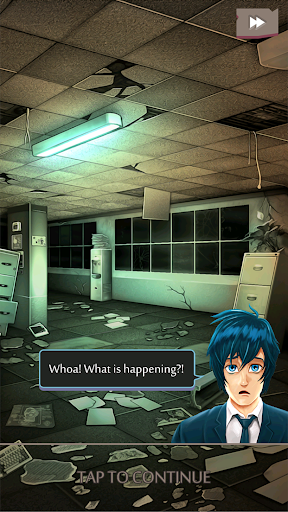
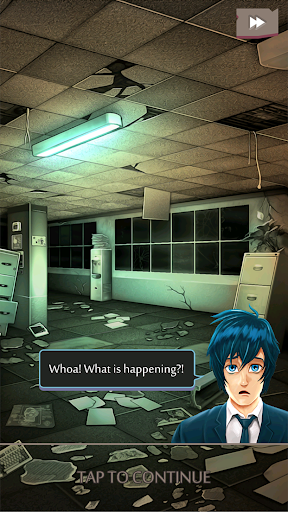
The presentation favors atmosphere over flash: muted palettes, weathered surfaces, and minimal environmental detail set a damaged highrise tone without competing with the letter grid. Character portraits and short dialogue passages appear between floors to advance the plot and provide objectives, and the UI prioritizes legibility with clear tile contrast and uncluttered iconography. The visual choices aim to reinforce the game’s tension and mood while keeping the puzzle area easy to read on a variety of screen sizes.
Customization, accessibility, and offline play
While Highrise Heroes keeps mechanics intentionally simple, the experience supports different play rhythms and accessibility goals. Tiles and fonts are designed for legibility and strong contrast, touch interaction is straightforward, and the forgiving input model helps players with varying dexterity. The game is single-player and fully playable offline, so you can progress through floors without an internet connection. Settings focus on maintaining clarity and comfort rather than adding complex systems, which keeps the experience accessible to a broad range of players.
Replay value and challenge systems
Replayability comes from mastering individual grid layouts and finding alternate solutions. Many floors reward efficient word choice and route planning, encouraging players to revisit levels to lower move counts or to explore different vocabulary strategies. The gradual introduction of new obstacles keeps the difficulty curve engaging but fair, and the narrative fragments scattered through the building offer an additional incentive to replay floors to uncover missed story beats or character details.
User experience and design intent
The design emphasizes short, satisfying puzzles that contribute to a persistent sense of progress and discovery. Interface decisions—readable letter tiles, simple gestures, and quick restarts—are all intended to reduce friction so players can focus on solving puzzles and following the story. If you enjoy thoughtful vocabulary challenges paired with steady narrative pacing and atmospheric presentation, Highrise Heroes delivers an offline-friendly, measured puzzle adventure with more than ninety floors to explore.