
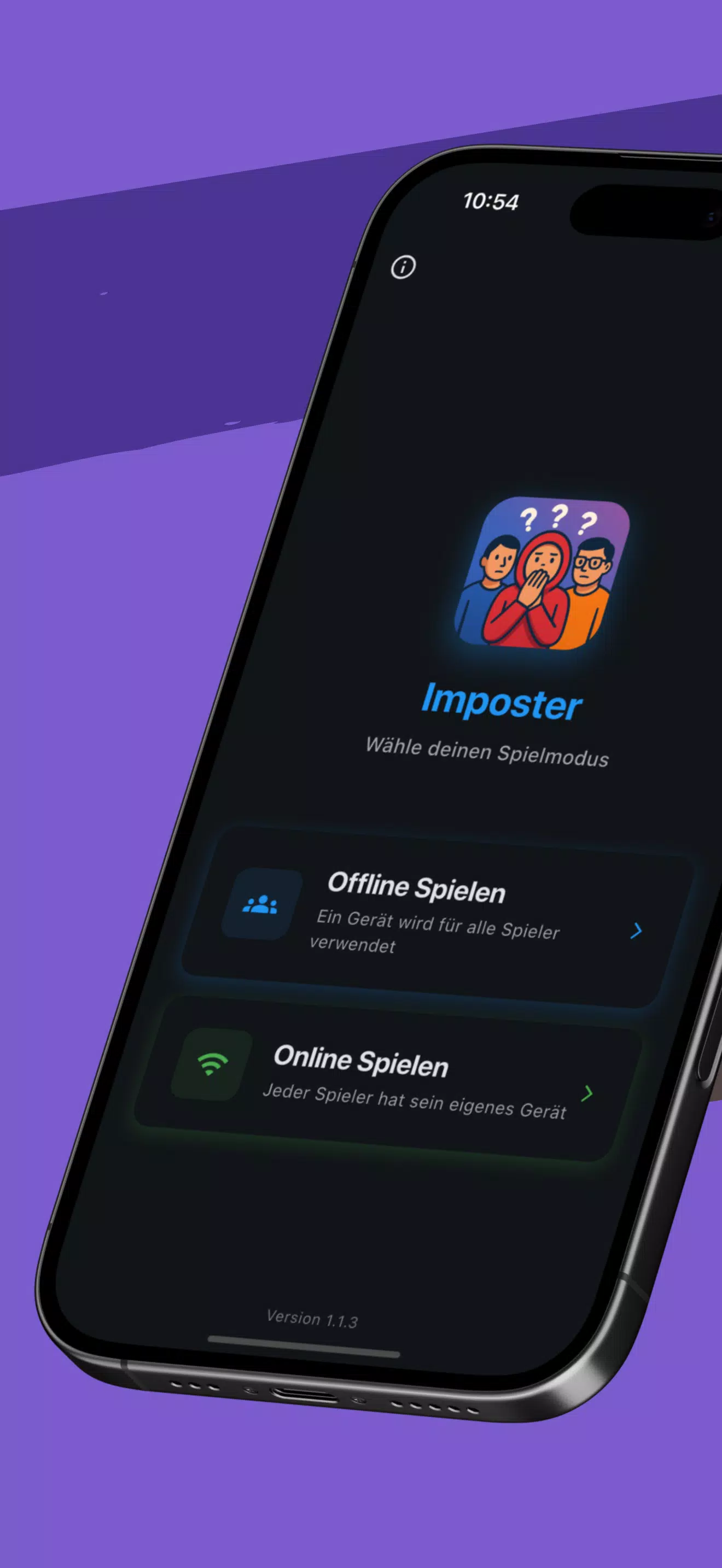
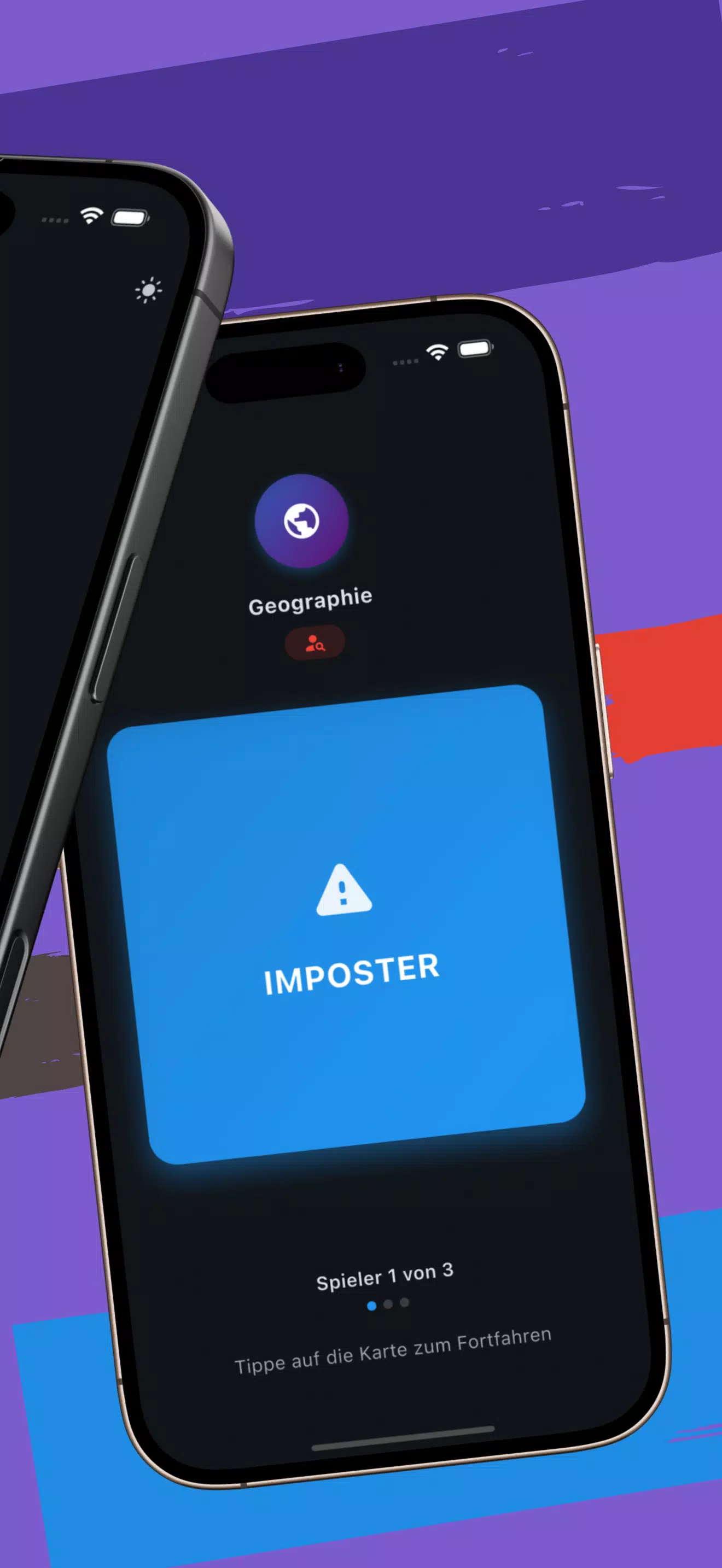
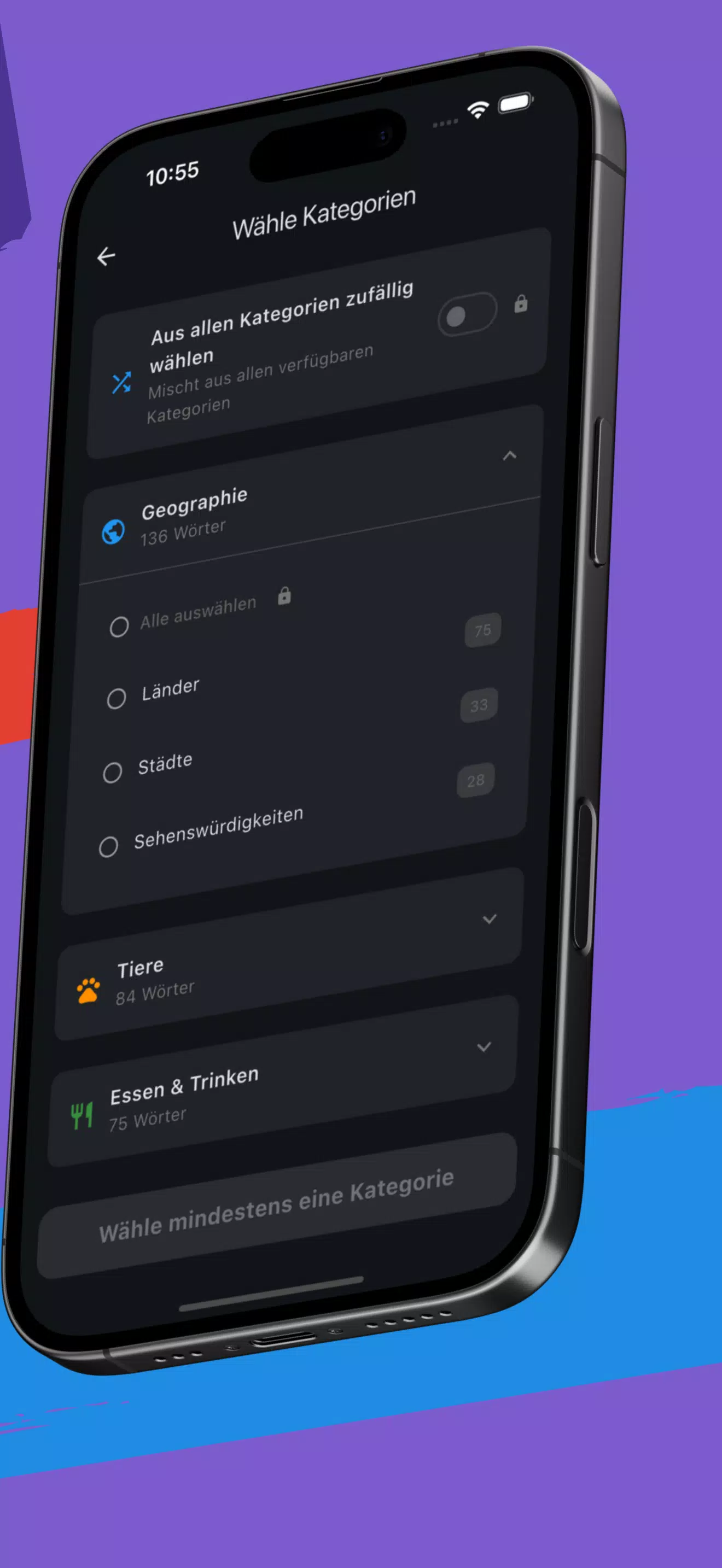
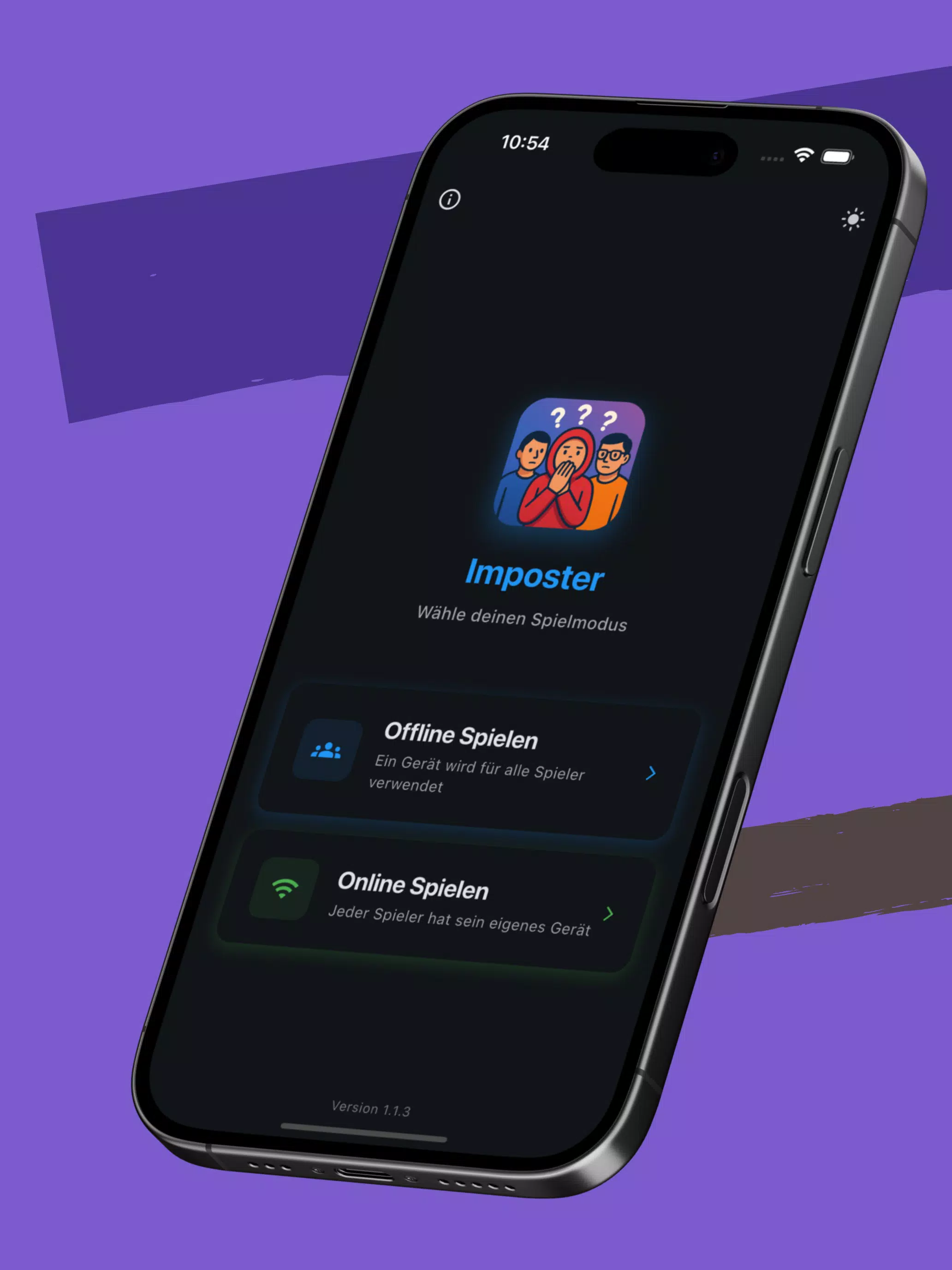
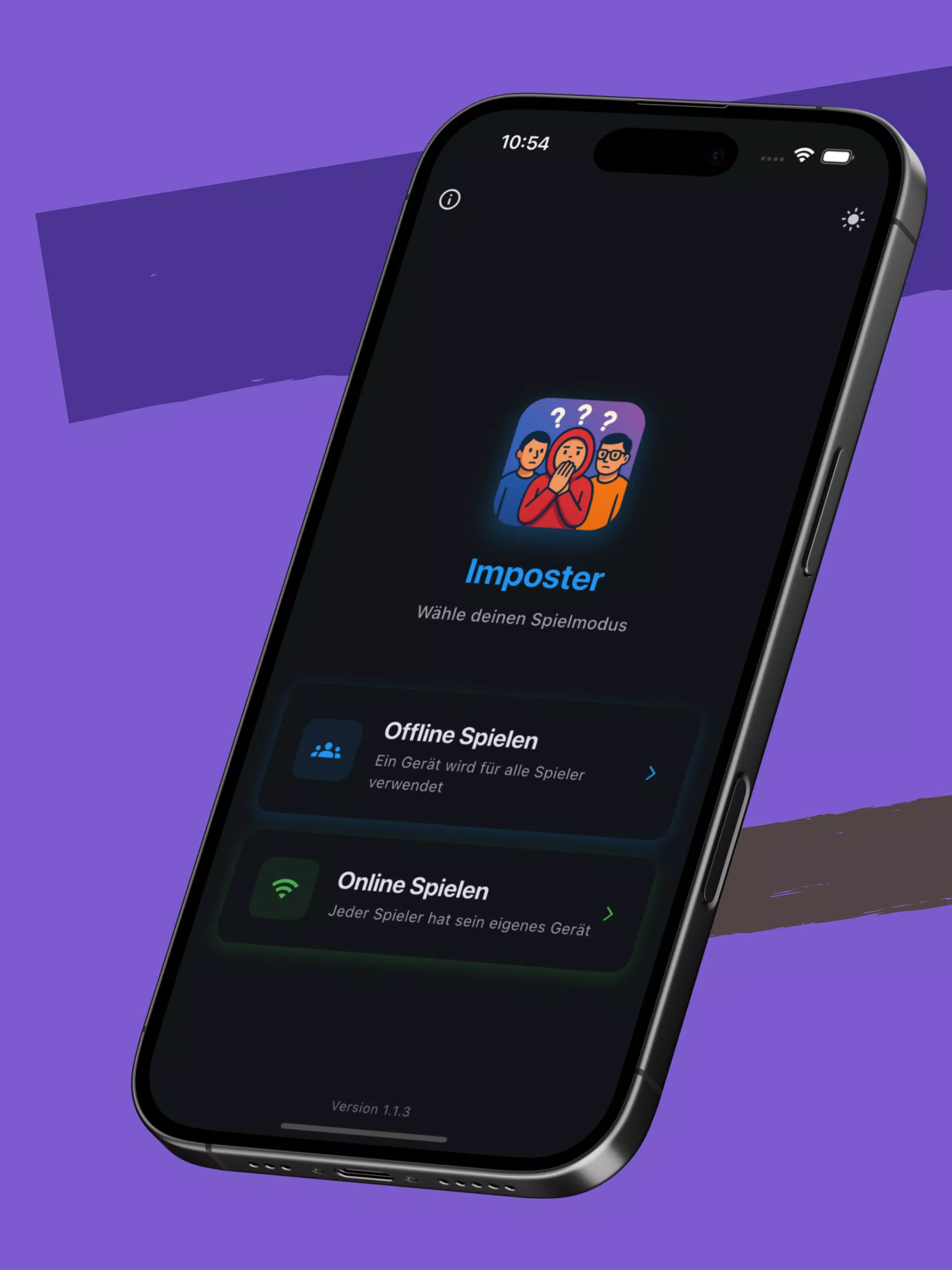

Imposter is a social word game built around bluff, deduction and short, fast rounds of guessing that work best in person with a group. Imposter places one player in the secret role who has not seen the round's word while the other participants receive the same word and must give subtle, believable clues. Through careful observation of facial expressions, timing and word choice, players try to spot the liar or, if they are the imposter, successfully blend in and guess the word before being discovered.
Gameplay mechanics
The core loop is straightforward: every round a single secret word is shown to most players and kept hidden from the imposter. Players take turns offering one-word or short-phrase clues while the imposter listens and attempts to infer the word from context. Rounds are intentionally short to keep energy high and to encourage many plays in a single session. The game emphasizes conversational cues and timing rather than vocabulary depth, so success leans on social deduction and attention rather than memorization.
Controls and session flow
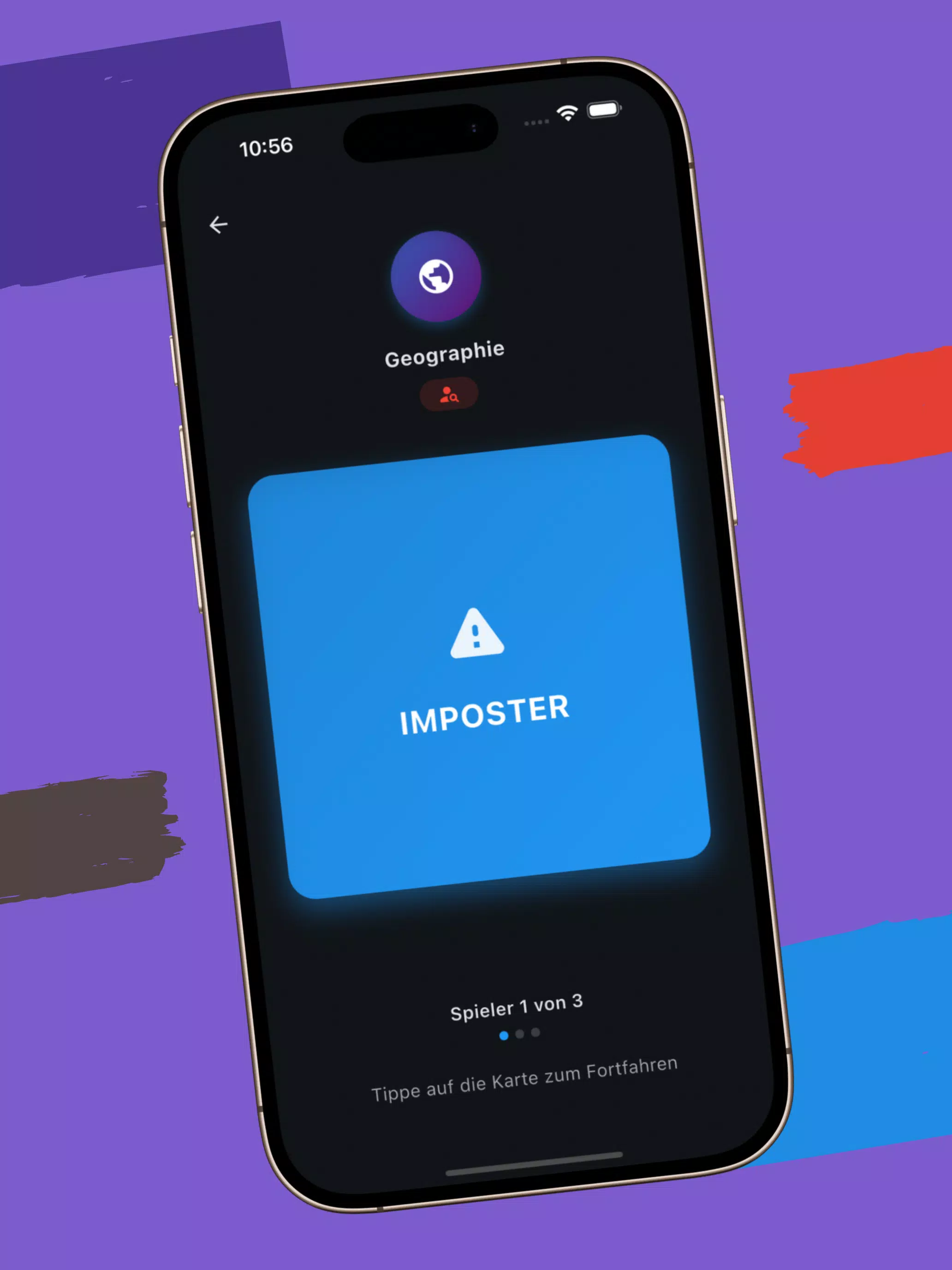
Controls are designed for group, pass-and-play use on a single device. Hosts can hand the device to each player when it is their turn to view a private screen showing whether they are the imposter or not. Taps and simple swipe gestures advance rounds and reveal voting screens; an optional on-screen timer enforces a fixed clue window. The interface reduces friction so new players can join quickly and focus on the interaction rather than fiddly menus.
Progression and challenge systems
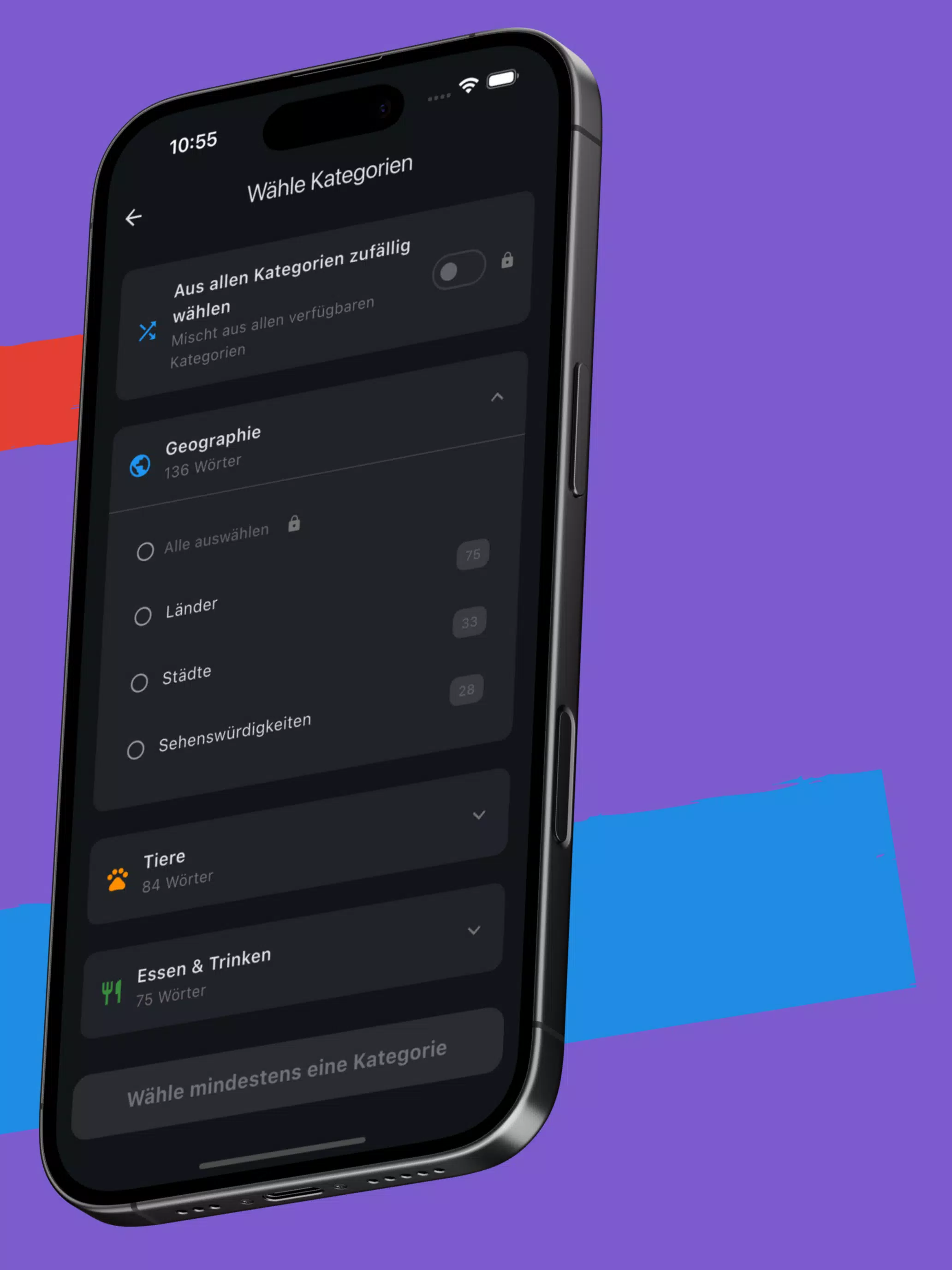
Rather than a complex leveling system, progression in Imposter comes from adjustable difficulty and curated word categories. Sessions can be configured with easier, everyday words for mixed groups or with rarer, trickier words to raise the challenge. An optional session scoring mode tallies round outcomes locally so groups can keep track of who performed best across a game night without requiring accounts or internet connectivity. Players can also enable progressive difficulty within a session so later rounds gradually become more demanding.
Visual style and accessibility
The visual design favors a clean, readable layout with large typography and high-contrast color palettes to make private word screens and voting options easy to read from across a room. Accessibility options include adjustable font size, color themes with strong contrast, and clear visual indicators for timers. The simple interface and uncluttered screens help reduce cognitive load so players with varying levels of experience can participate comfortably.
Level structure and replay value
Sessions are organized into a sequence of short rounds: a reveal phase, a clue phase, a discussion/vote phase and an optional reveal of the imposter and word. Because each round is brief, a single session can contain many independent plays, which boosts replay value and keeps party momentum strong. The random selection of words combined with human unpredictability makes repeat sessions feel fresh even with the same players.
Customization and local options
Imposter supports a range of session settings so groups can tailor the experience: choose word categories, set a per-clue timer, toggle how detailed clues can be, and enable or disable local session scoring. Users can also create and save custom word lists for themed nights or family-friendly play. Since the game is optimized for in-person gatherings, all features work offline without accounts or online matchmaking.
User experience and limitations
The app is geared toward social play: it thrives in small groups, at parties and casual get-togethers where reading faces and tone matters. That design means Imposter is not well suited to solo play and can be awkward for very shy players until they warm up. The straightforward rules and quick rounds help integrate newcomers quickly, and the app's minimal setup makes it a practical choice when time and space are limited.
Why it works for gatherings
Because rounds are short and interaction is constant, Imposter encourages lively conversations and quick decision making. The combination of bluffing, deduction and adjustable difficulty gives groups a versatile party game that fits a wide range of ages and contexts. For people who enjoy observational play and light deception in a social setting, this title offers an accessible, offline-friendly way to liven up a game night.