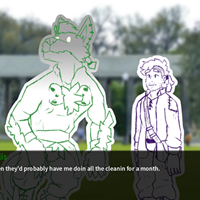
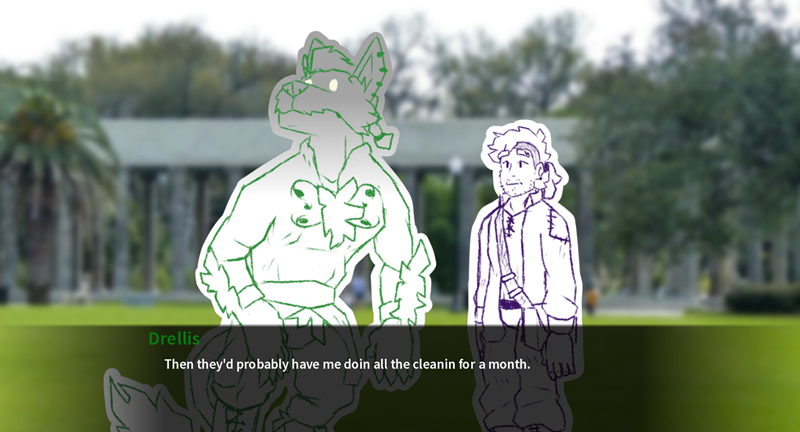
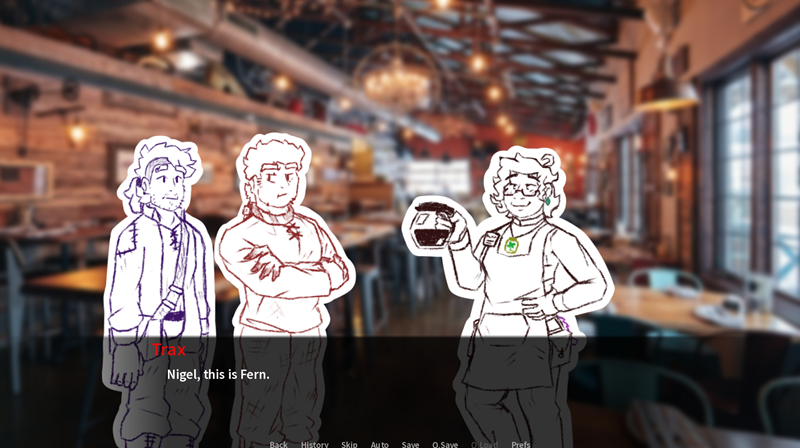
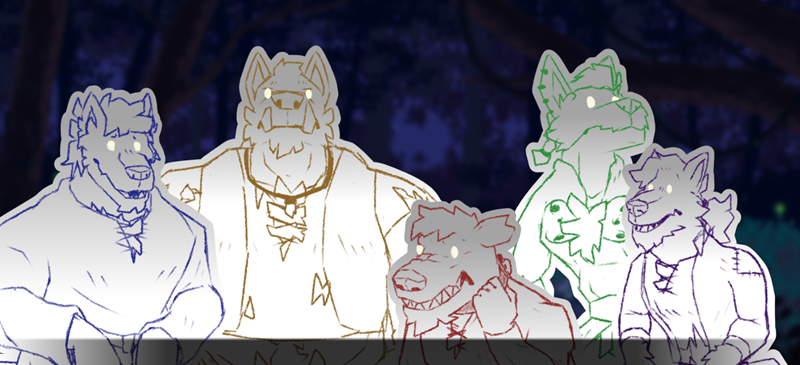

Wild Harmonies is a narrative-driven indie game that places you in a small town under the care of a close-knit musical pack of werewolves. In your first hours you meet a cast of charismatic men, join rehearsals, take on local jobs and navigate the social rhythms of band life; Wild Harmonies emphasizes character interaction and relationship mechanics, exploring mature themes such as polyamory and personal sexual preferences in a neutral, story-first way. The app is currently an early-development build, so players should expect a work-in-progress experience where some visual and audio assets are placeholders rather than original creations.
Key features and premise
Wild Harmonies blends slice-of-life storytelling with musical performance elements: the game’s scenes swing between quiet domestic moments, backstage tension before a show, and on-stage sequences that focus on timing and emotional delivery rather than explicit content. Players will follow a day-by-day structure that covers jobs, rehearsals and scheduled performances, spending time with characters to develop bonds, learn backstories and unlock new dialogue. The narrative is character-focused, with multiple branching choices that affect interpersonal dynamics and lead to different relationship paths and endings.
Gameplay and controls
The gameplay is built around simple, touch-friendly controls designed for mobile play. Tap or swipe to advance text, choose from clearly labeled dialogue options to respond in conversations, and use context-sensitive buttons during rehearsals and performances. Musical moments are handled with accessible rhythm sequences that require timing and attention but remain approachable for narrative players; they are optional in many scenes, with alternative ways to progress through story beats if you prefer a more conversational experience. Inventory and schedule screens use large, readable icons and straightforward menus so players can manage their daily priorities quickly.
Progression, systems and challenge
Progression in Wild Harmonies is driven by a combination of story chapters, relationship meters and time-management decisions. Each day gives a limited number of actions—work shifts to earn stability, rehearsals to improve performance quality, and social interactions to grow bonds or create conflict. Balancing these priorities creates the game’s core challenge: neglect your bandmates and rehearsals suffer; focus only on performances and personal relationships may strain. Choices have lasting consequences that unlock scenes, side stories and alternate endings, encouraging players to replay with different strategies to see how characters react under changing circumstances.
Visual style and audio
The game currently uses sourced background visuals and placeholder audio to illustrate scenes during development; final releases will replace those assets with original art and music as the project advances. The visual direction leans toward expressive character portraits and moody environmental backdrops that support intimate conversations and stage lighting during performances. Sound design emphasizes ambient cues and musical motifs to set tone, with rehearsals and shows written to highlight emotional beats rather than explicit content.
Customization and structure
Customization in this build focuses on player-driven choices rather than cosmetic overhaul: how you speak, who you spend time with, and which responsibilities you prioritize shape the story and the personal arcs you unlock. The game is structured into a series of chapters and event days, each presenting a combination of scripted scenes and interactive moments. There are no complex inventory systems or combat mechanics; instead the structure favors branching narrative, relationship development and episodic performance sequences that build toward larger plot developments.
Replay value and user experience
Replayability comes from branching relationships, alternate dialogue outcomes and variable endings. Different choices open unique scenes and allow players to explore diverse configurations of friendships and romantic bonds, including polyamorous arrangements. The pacing is intentionally flexible so players who enjoy slow character-driven stories can linger in conversations, while others can push forward to unlock new chapters. The UI aims to be unobtrusive, keeping text readable and choices clear to maintain immersion across multiple playthroughs.
Accessibility and offline play
Wild Harmonies includes accessibility options appropriate for a narrative mobile title: adjustable text size, an auto-advance mode for hands-free reading, skip and rewind controls for previously read text, and a color-contrast aware interface to assist players with visibility needs. The game is playable offline after initial download, allowing users to progress through chapters without a persistent internet connection; future updates will be delivered as optional downloads so players can choose when to update their local build.
Development notes and expectations
This early-development release of Wild Harmonies is intended to solicit player feedback and document story and system progress. Players should expect limited polish in current art and music, and regular updates as original assets are produced and systems are refined. The team welcomes constructive feedback on pacing, accessibility and relationship mechanics to help shape future builds while maintaining the narrative focus on characters, music and interpersonal drama rather than sensationalized content.