
OSC The Lust of Us
| Package ID: | |
|---|---|
| Latest Version: | v2 |
| Latest update: | Aug 06, 2026 19:24:03 |
| Developer: | Studio44 / Studio 44 |
| Requirements: | Android |
| Category: | Casual |
| Size: | 150.10 MB |
| Tags: | War Drive Management |
Rating :4.2
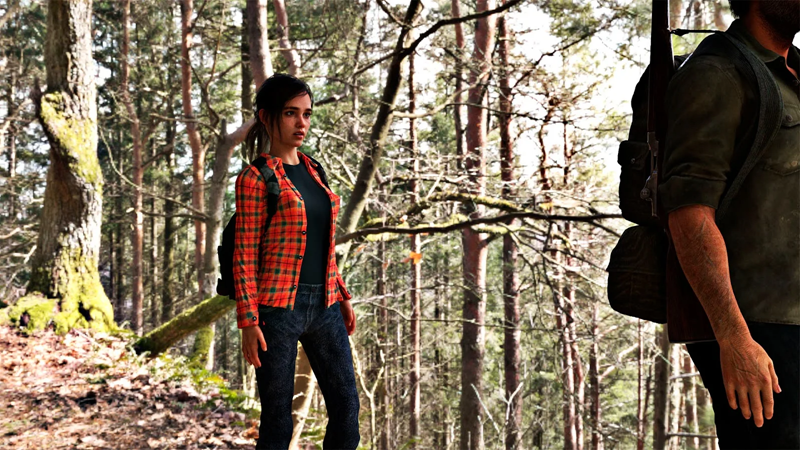
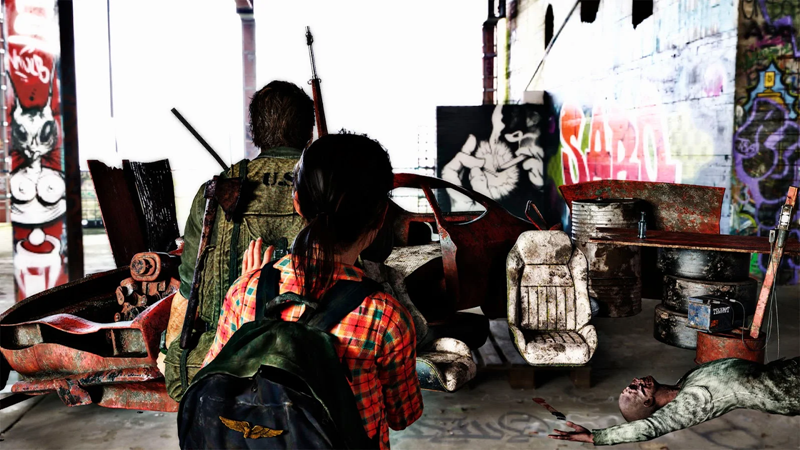
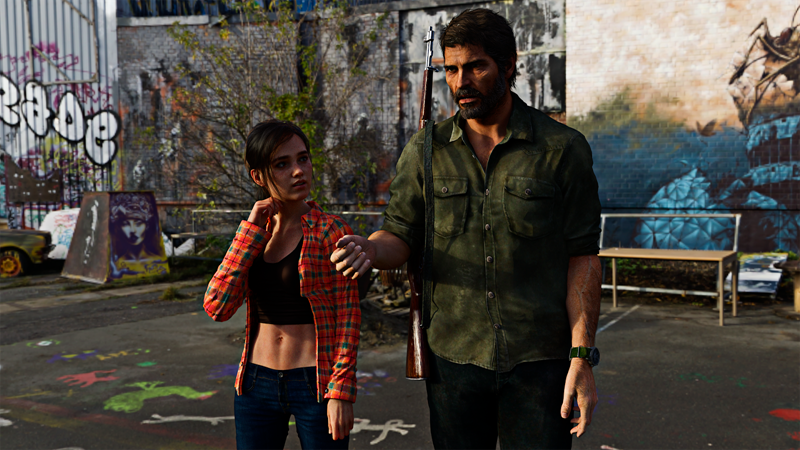
OSC The Lust of Us places you in a bleak, post-apocalyptic world where survival is a constant negotiation between scarce resources and dangerous threats; in this single-player narrative survival game, players take on the role of a Survivor charged with escorting a vulnerable companion across ruined landscapes while confronting infected creatures and hostile human factions. OSC The Lust of Us blends tense combat, careful resource management, and character-driven storytelling so each decision can shift the tone of encounters and the direction of the story.
Core gameplay and mechanics
The core loop centers on exploration, tactical encounters, and relationship management. Players scavenge supplies to maintain health, craft basic field items, and choose when to fight, sneak, or avoid conflict. Escort sequences require attention to the companion’s safety and stamina: positioning, cover, and timing matter in combat and environmental hazards. The game emphasizes consequence—conserving ammunition or trading supplies can open or close future options, and some routes depend on earlier resource choices.
Combat and encounter design
Combat mixes short, tense skirmishes with stealth opportunities. Infected adversaries behave unpredictably, while hostile human groups use tactics and cover that force players to plan engagements rather than rely on brute force. Melee and ranged confrontations are influenced by weapon condition and available materials, encouraging thoughtful use of the environment. Encounters are designed to be challenging but fair, rewarding players who observe enemy patterns and make careful decisions.
Controls and user interface
OSC The Lust of Us offers intuitive mobile-friendly controls with an on-screen virtual joystick and context-sensitive action buttons, plus support for touch gestures that make stealth movement and aiming more responsive. The HUD is minimalist, showing critical information such as health, companion status, and nearby threats without overwhelming the screen. Control sensitivity and button layout are adjustable to suit different hand sizes and play preferences, improving comfort during longer sessions.
Progression, choices, and character growth
Progression is driven by meaningful choices rather than grinding. As players advance, new dialogue options and tactical approaches open based on previous actions and the Survivor’s reputation with factions. Character moments and moral dilemmas influence how the companion responds and which narrative branches become available. Equipment upgrades and improvised modifications appear through exploration and trade, giving a sense of gradual empowerment while preserving the game’s tension.
Visual style and atmosphere
The visual presentation emphasizes a gritty, atmospheric aesthetic: muted color palettes, derelict urban environments, and small details that convey a world in decline. Lighting and weather play active roles, with fog, rain, and ruined interiors creating mood and affecting visibility during missions. Sound design supports immersion with tense ambient textures, subtle creature noises, and intimate voicework during key narrative beats.
Level structure and pacing
Levels combine open, explorable zones with tightly directed set pieces that raise stakes at key moments. Players can choose multiple approaches to many objectives, whether by taking longer stealth routes that conserve resources or confronting threats head-on for faster progression. Escort segments are interwoven with quieter intervals where character conversations and scavenging provide depth and respite from combat intensity.
Customization and player choice
Players can tailor their playstyle through equipment choices and how they invest limited resources. Small customization options, such as repairing and modifying weapons or prioritizing certain tools, create meaningful trade-offs without overcomplicating systems. The way the Survivor interacts with the companion and other survivors shapes story outcomes, encouraging players to adapt their approach in subsequent playthroughs.
Replay value and branching outcomes
The game supports replayability by offering branching narrative paths and multiple endings driven by key decisions, resource management, and how relationships develop. Different playthroughs reveal new story fragments, optional encounters, and alternate solutions to problems, making each run feel distinct while preserving the core survival challenge.
Accessibility, difficulty, and offline play
Accessibility features include adjustable difficulty settings, subtitle options, and control remapping to accommodate various players. Difficulty modes let players emphasize story or test their survival skills, and the single-player experience is fully playable offline so progress is saved locally without requiring a persistent connection. These options help players tailor the experience to their comfort level while keeping focus on narrative and strategy.
Challenge systems and user experience
Challenge is delivered through resource scarcity, intelligent enemy encounters, and moral choices that create tension without resorting to unfair mechanics. The user experience prioritizes clarity: inventory management is straightforward, crafting remains focused on practical choices, and in-game prompts help new players understand core systems quickly. Overall, OSC The Lust of Us aims to deliver an emotionally driven, tactical survival journey that rewards careful planning and thoughtful decisions.