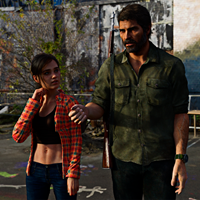




Back to the Past is a single-player narrative adventure that drops players into a carefully paced time-travel mystery where Stu must return to earlier moments after Stewie fails to prevent a near-death incident. Back to the Past invites close attention to cause and effect, asking players to weigh immediate fixes against longer-term consequences and to explore a character-driven story that favors moral complexity over reflex-based action. The opening chapters establish the premise quickly while preparing players for layered scenes, branching outcomes, and thoughtful replay.
Gameplay and mechanics
The core gameplay centers on decision-driven exploration rather than fast action. Players navigate detailed scenes, inspect objects, and engage with characters to gather evidence that shapes future possibilities. Dialogue branches present meaningful choices that change character states and unlock alternative story paths. Time-jump mechanics allow Stu to revisit earlier versions of a scene with new information, creating opportunities to alter events and observe ripple effects. Puzzles are woven into the narrative so solutions provide clues and context rather than acting as detached mini-games, keeping mechanics tightly connected to the story’s stakes.
Controls and player interface
Controls are optimized for touch devices with intuitive tap-to-select and drag-to-examine interactions, plus simple gestures for navigating scenes and paging through menus. Dialogue options are displayed with short contextual cues to help players make informed decisions without breaking immersion. The interface includes an accessible in-game journal that records key evidence, conversation threads, and decision points so players can track cause-and-effect relationships across time jumps. Autosave and multiple manual save slots let players experiment with branches while maintaining control over their progress.
Progression and level structure
Progression unfolds across compact, scene-based chapters that revisit familiar locations at different points in time. Each chapter typically presents an initial investigation, a targeted time-jump to alter a specific moment, and a consequence phase that reveals how those changes play out. Checkpoints within chapters provide safe return points and branching nodes determine which scenes become available next. This chapter-and-node structure helps players keep track of story threads while encouraging targeted replays to unlock alternate narrative branches.
Visual style and audio design
The game favors atmosphere and clarity, using lighting, color palettes, and subtle environmental detail to signal shifts between past and present. Character portraits and close-up scenes emphasize emotional beats without sensationalism, supporting player understanding of motivations and subtext. A restrained soundtrack and carefully placed ambient sounds underscore tension during critical choices and provide quieter moments for reflection. Together, visuals and audio create an immersive environment that supports the narrative’s moral questions rather than distracting from them.
Challenge systems and replay value
Challenges arise from a balance of time-sensitive decisions, sequence puzzles, and moral dilemmas that test observation and judgment. There is no single “correct” path; instead, multiple outcomes reward players who return to earlier chapters to explore consequences from different perspectives. Hidden narrative branches and subtle relationship changes extend replay value, encouraging methodical players to experiment with alternative strategies. Difficulty settings allow adjustment of puzzle complexity and time pressure so players can tailor the experience to their preferred pace.
Customization, accessibility, and settings
Customization focuses on comfort and readability. Adjustable text size, a high-contrast UI option, and subtitle toggles make dialogue and journal entries easier to follow. Control sensitivity and gesture preferences can be tuned for individual devices, and an optional graduated hint system offers contextual nudges when players become stuck without giving away story surprises. These accessibility features aim to make the narrative approachable across a wide range of players while preserving the integrity of the story content.
Offline play and user experience
Back to the Past is designed as a single-player experience that works offline once installed, allowing uninterrupted play without requiring an internet connection. The game emphasizes smooth, predictable save behavior and clear progression markers so players can experiment with branching paths without confusion. Performance optimizations target steady frame rates on a broad range of devices, and a compact settings menu keeps the focus on exploration and choice.
Who will enjoy this game
Players who enjoy slow-burn mysteries, character-focused storytelling, and branching narratives will find Back to the Past engaging and thought-provoking. The title suits gamers who prefer deliberate decision-making and thoughtful replay to uncover alternate endings; it may be less appealing to those seeking fast-paced action or arcade-style challenges. For anyone who appreciates close attention to detail and the dramatic consequences of small choices, this game offers a measured, emotionally resonant time-travel tale with substantial replay potential.