



Fairy Tails is an interactive narrative adventure app that places you on a mysterious island as an amnesiac castaway guided by a memorable companion named Lira. Designed for mobile play, Fairy Tails blends exploration, character-driven scenes, and a resource mechanic called Charm Energy to connect conversations, social options, and tactical moments; this description highlights what to expect from the current early build (version 0.1) without presuming a final feature set.
Key features
The app focuses on a compact, story-first experience: varied island locations such as coastal coves, dense groves, and ruined outposts offer places to explore and return to as new options appear. Encounters with human and monster characters emphasize branching responses that change depending on prior choices and your current Charm Energy. Social alternatives are built to be meaningful alongside measured tactical interactions, and side quests or environmental shortcuts can open through conversation or discovery. As an early release, the listing reflects core systems that the developer plans to refine and expand over time.
Gameplay mechanics
Gameplay centers on exploration and branching dialogue rather than fast-paced action. Players move through semi-open areas, investigate items, and trigger character scenes that offer several response types: persuasive, confrontational, or empathetic options that may raise or expend Charm Energy. The Charm Energy mechanic operates as a narrative resource that influences special dialogue branches, subtle combat maneuvers, and confidence-based options that can resolve situations without direct confrontation. Combat, when it occurs, is presented as thoughtful, tactical encounters where positioning and resource choices matter more than repetitive attacks.
Controls and user experience
Fairy Tails is optimized for phones and tablets with straightforward touch controls: tap interactions for investigation, on-screen virtual sticks for optional directional movement, and simple menus for managing inventory and upgrades. Text and dialogue windows are designed for legibility on smaller screens, and tutorials introduce mechanics gradually so players can learn at a comfortable pace. The interface favors clarity and minimalism so exploration and reading are not interrupted by cluttered UI elements.
Progression and customization
Progression is narrative-driven: your character begins with limited tools and gains new abilities through story events, upgrades, and situational perks. Charm Energy is woven into progression—earned through successful interactions and spent for impactful dialogue choices or special abilities during encounters. Character development focuses on decision-linked stat choices and unlockable options that modify available dialogue and tactical approaches. Cosmetic customization is modest but present, allowing simple outfit changes and small visual tweaks to personalize the protagonist over the course of the early experience.
Visual style and audio
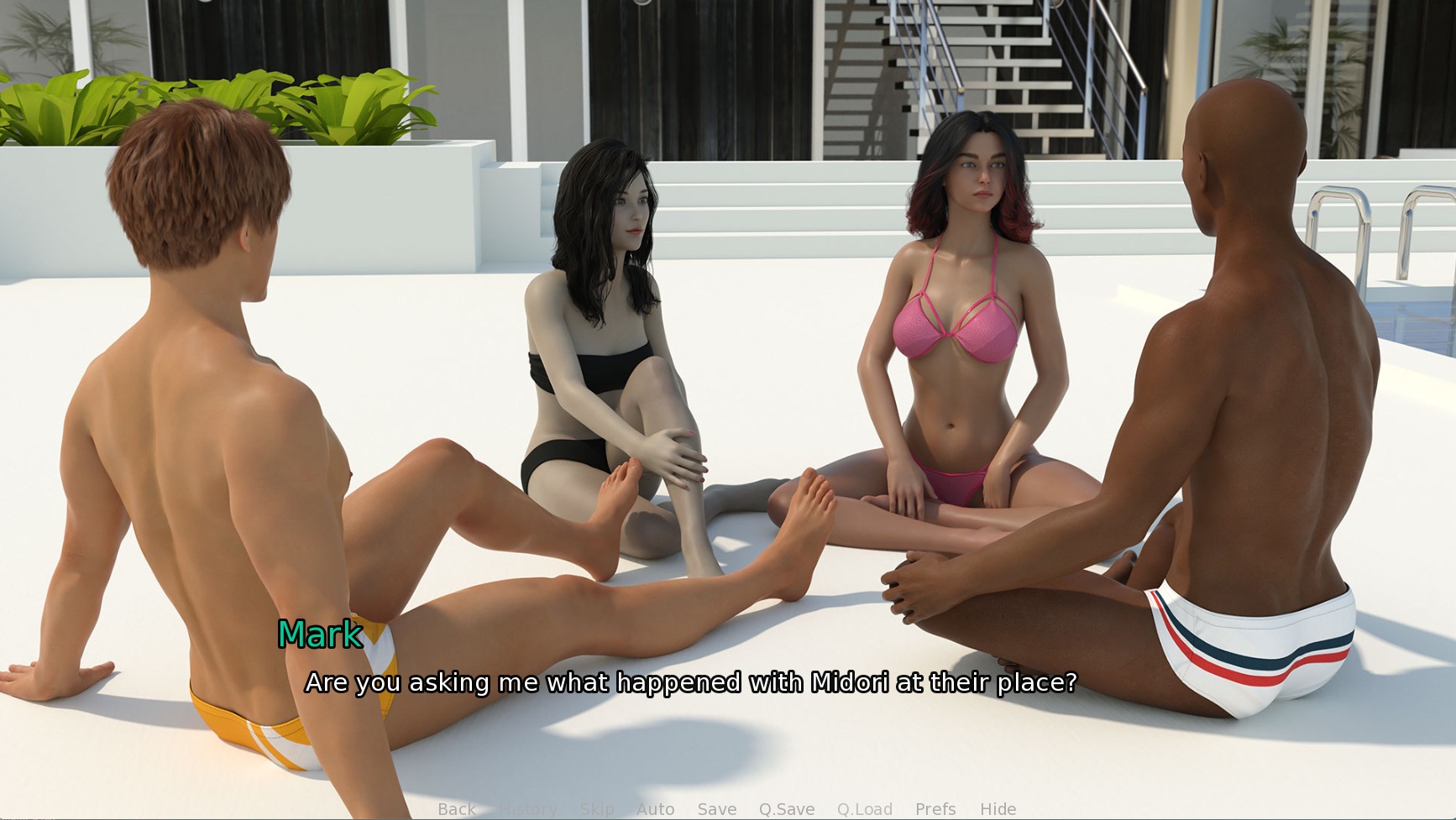
The presentation emphasizes handcrafted environments and expressive character portraits that support an intimate, mood-driven tone rather than high-action spectacle. Stylized art for characters sits over textured backgrounds, with lighting and composition used to signal emotional beats. Audio design complements exploration with ambient tracks, environmental effects, and short thematic cues for character scenes and pivotal moments, all intended to enhance immersion without overwhelming the narrative flow.
Level structure and challenge systems
The island is divided into semi-open areas, each with exploration objectives, NPCs who carry distinct storylines, and optional challenges that reward curiosity. Challenge scaling relies on encounter variety and situational modifiers instead of steep enemy stat increases, giving players multiple ways to approach problems. Hidden paths and optional content encourage revisiting areas as new mechanics and dialogue options become available, creating a sense of gradual discovery throughout the early build.
Replay value, accessibility, and offline play
Branching narrative outcomes and resource-driven interactions provide clear reasons to replay sections to see alternate responses and relationship changes. Accessibility features include adjustable text scale and options for reduced visual intensity, while controls and menus are tuned for responsive touch interaction. The app is primarily designed for single-player, offline use once installed, so players can enjoy the experience without a continuous network connection. Tutorials and pacing choices are intended to keep sessions manageable for players who prefer a less intense, story-focused experience.
Development and version information
MFG Games is the developer releasing this initial 0.1 build and continues to iterate based on player feedback. Expect incremental updates that refine controls, expand dialogue, and add content as the project develops; the current release provides a compact view of the systems and tone the team plans to grow. If you prefer narrative exploration with meaningful social choices and an evolving set of mechanics, Fairy Tails offers an early-access style introduction to that design direction.