
Games
Role playing
Eternal Tower Saga
Eternal Tower Saga

| Package ID: | |
|---|---|
| Latest Version: | v3.04.6 |
| Latest update: | Jul 06, 2026 10:17:03 |
| Developer: | Ultimategame.net |
| Requirements: | Android |
| Category: | Role playing |
| Size: | 180.80 MB |
| Tags: | Combat War Drive |
Rating :4.4
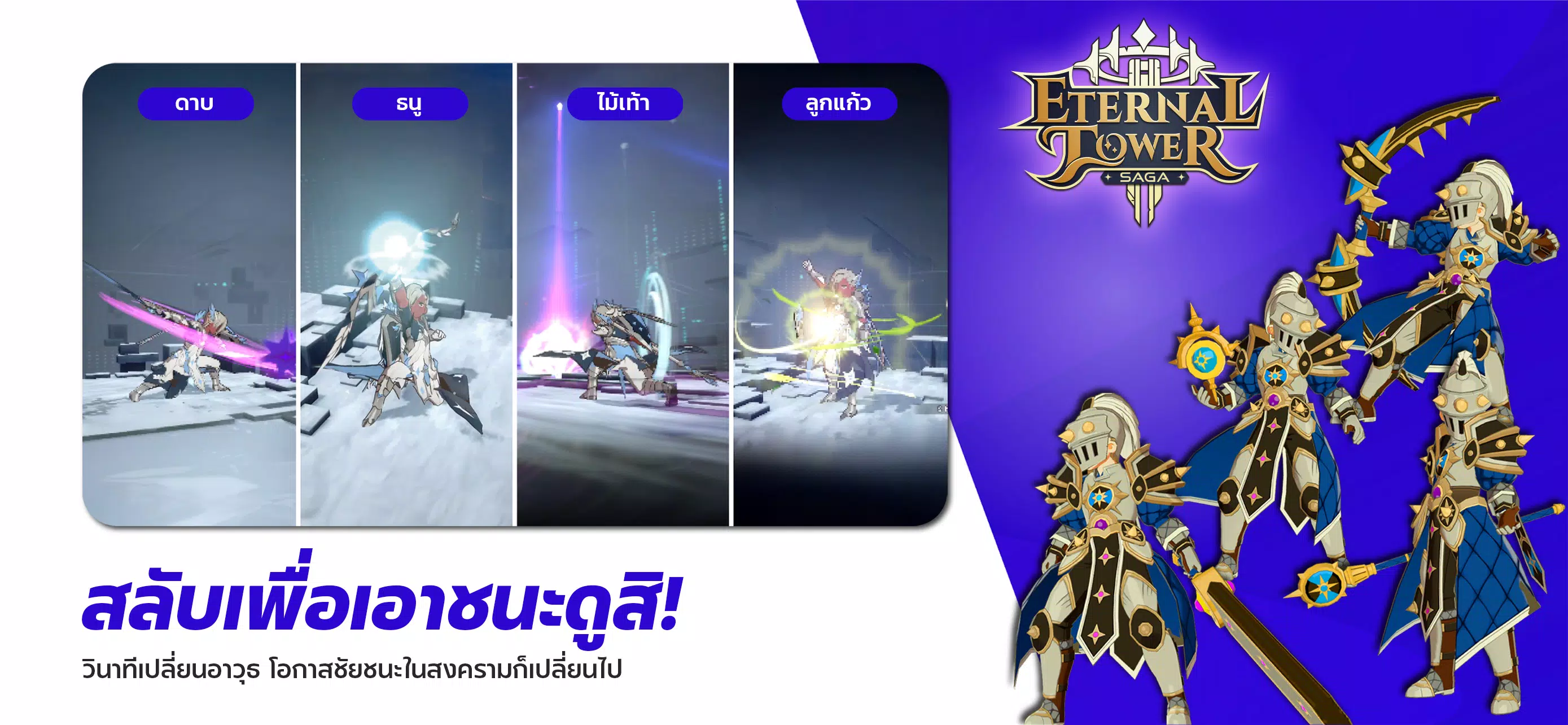
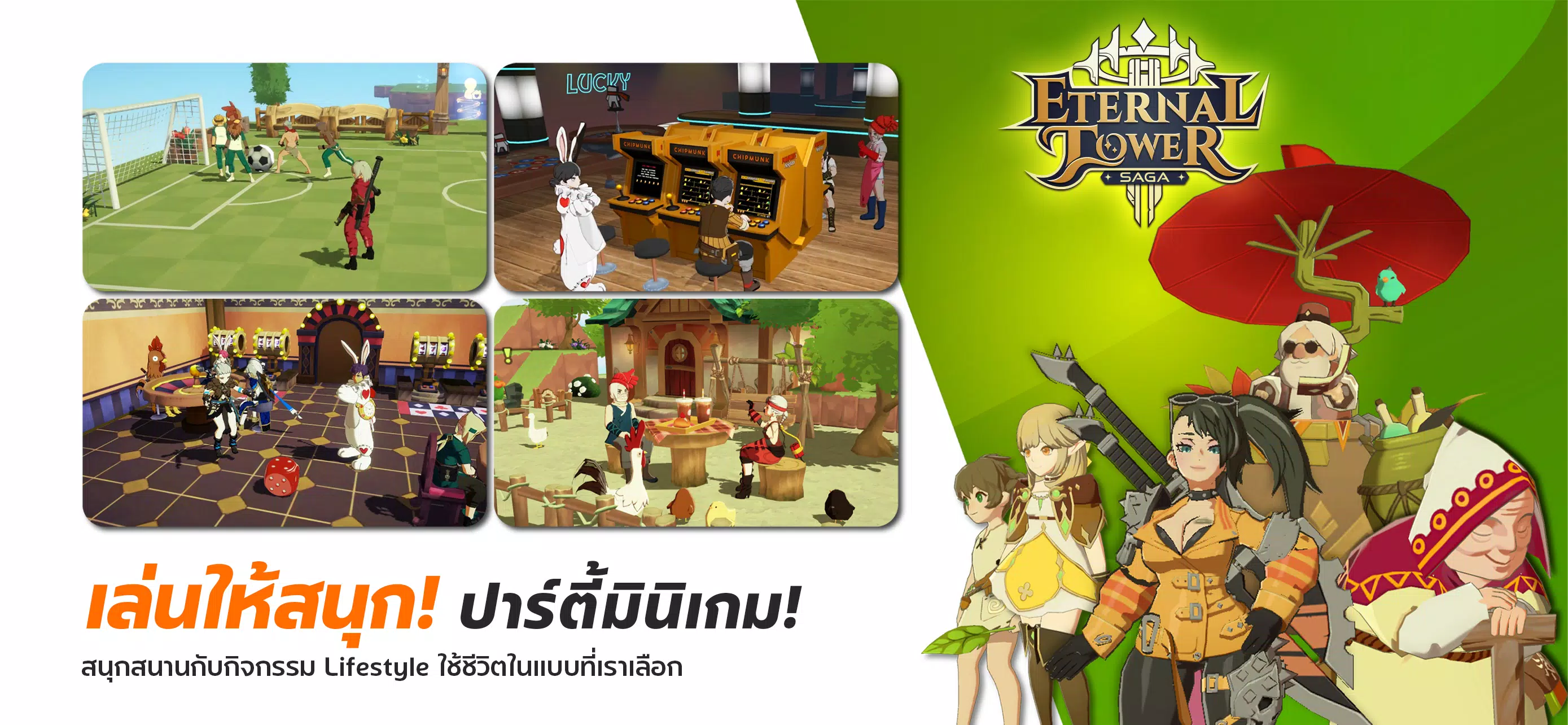
Eternal Tower Saga is an action-oriented MMORPG that balances fast-paced combat with long-term progression and life-simulation systems, offering a mix of tactical tower climbs and slower, creative activities at your personal base. In Eternal Tower Saga you switch weapons on the fly to adapt to encounters, face mechanically demanding bosses across dozens of floors, recruit and upgrade partners who fight with you, and design houses and gardens with a wide array of decorative options. The introduction is meant for players who want both focused challenge—short dungeon runs and timed boss battles—and social, creative goals like housing, farming, collections, and fashion-driven customization.
Key Features
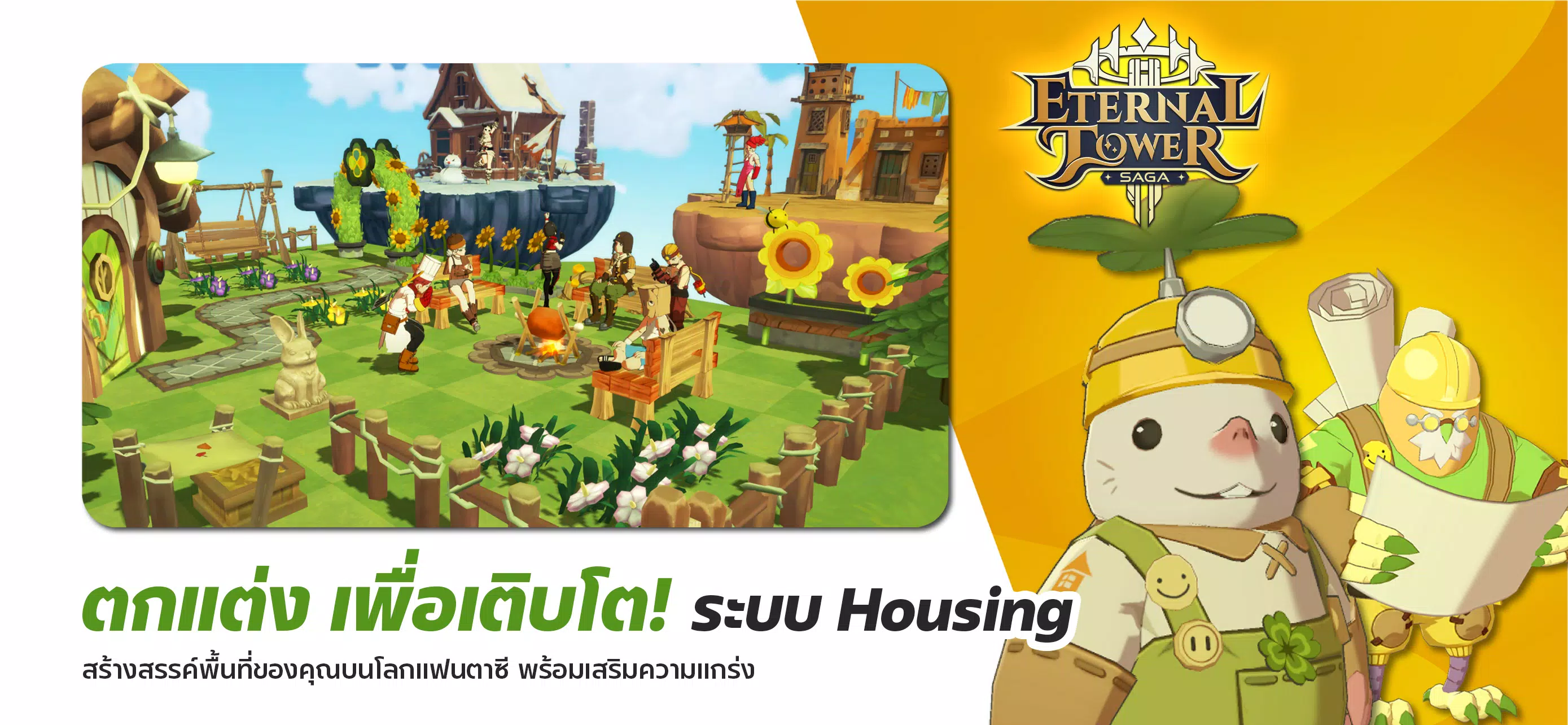
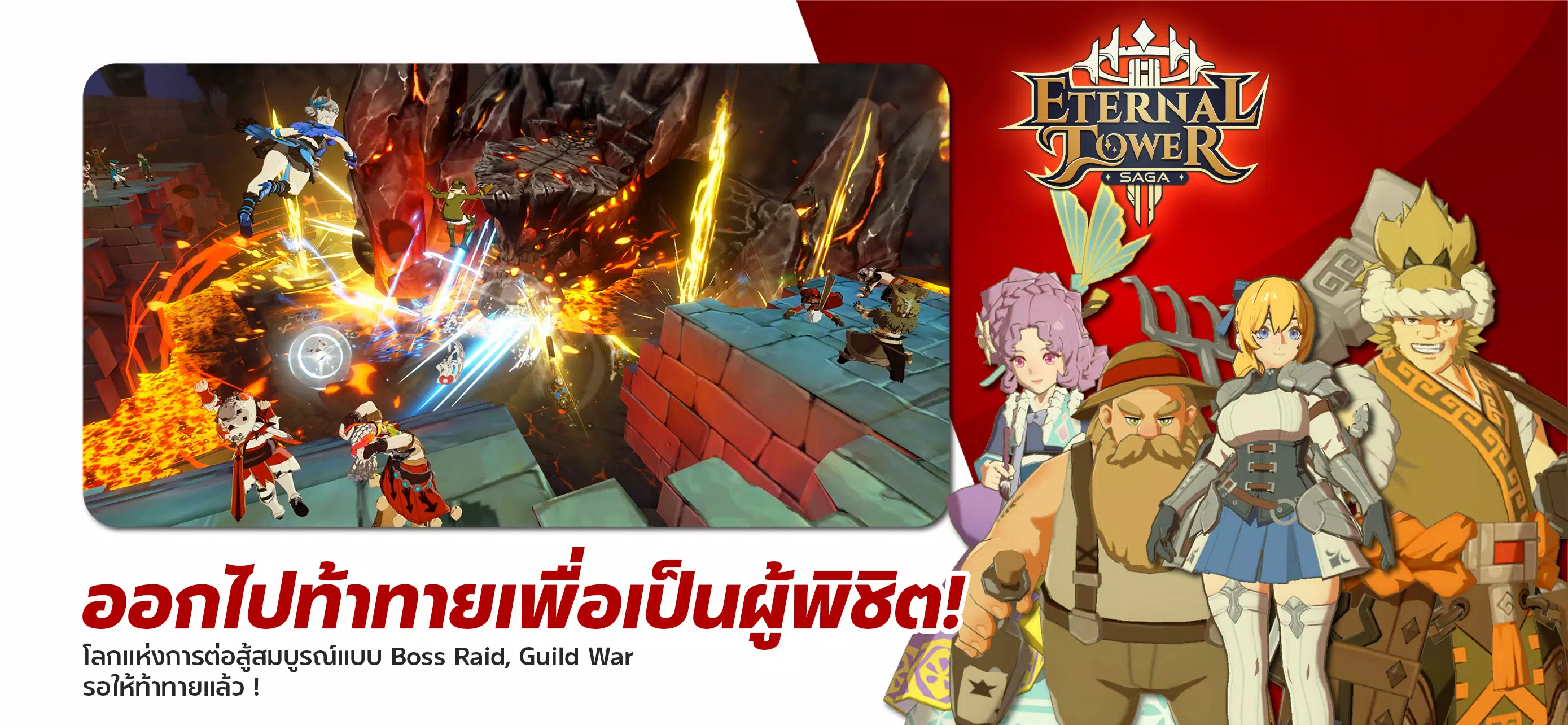
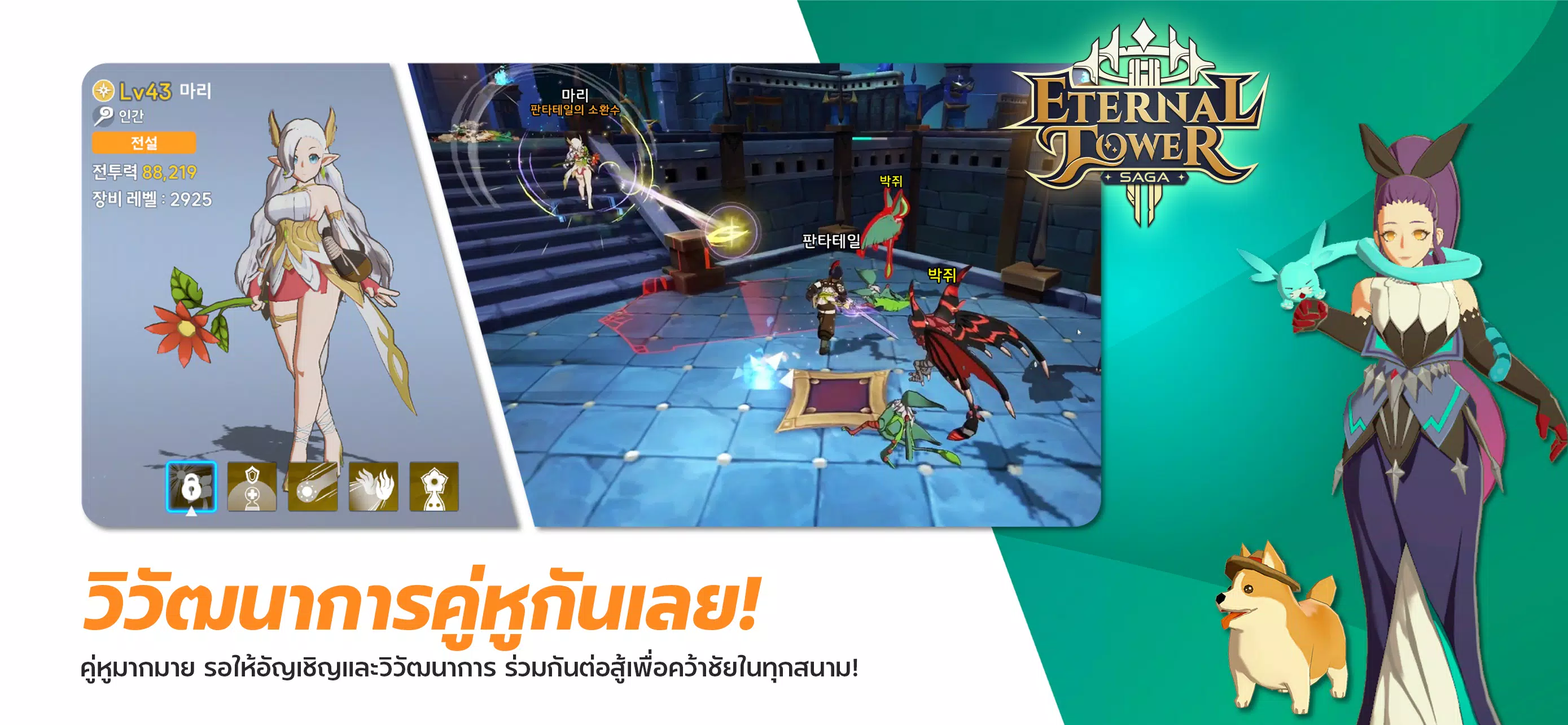
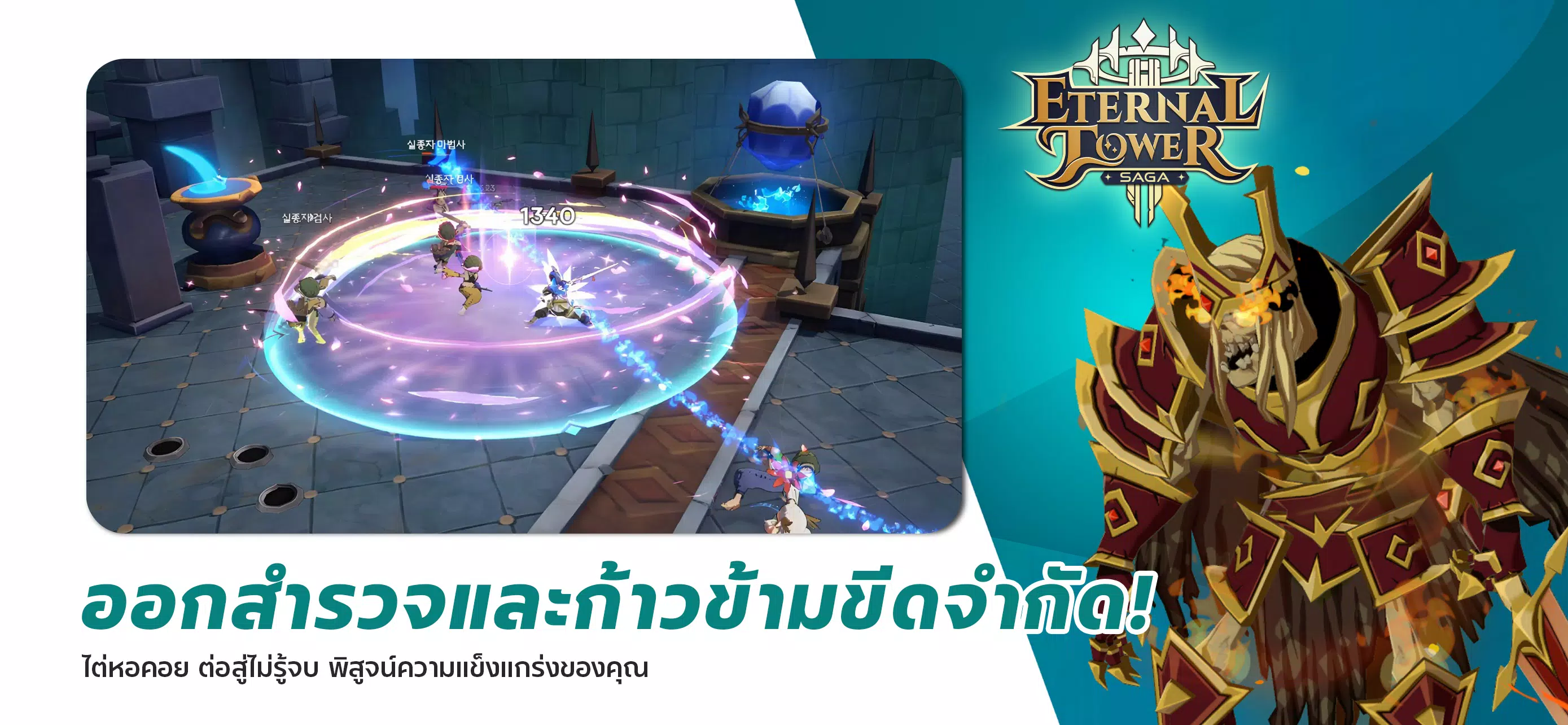
The core loop centers on weapon-based role swapping: a single character can equip Sword, Bow, Staff, or Magic Orb and access distinct skill trees and combat patterns for each loadout. Tower floors and repeatable dungeons present over a hundred named bosses with attack patterns that emphasize timing, dodging, and skill sequencing rather than pure stat checks. Partners can be collected and fielded in combat; each partner has upgrade paths for gear and abilities that change how you compose a team. Housing and gardening systems provide more than 50 house blueprints and a library of over a thousand decoration items, letting players create bases that function as visual showcases and light resource hubs. Fashion pieces not only alter appearance but also contribute modest stat bonuses, supporting build diversity without forcing pay-to-win choices.
Progression and Controls
Progression mixes character-level experience, weapon-specific skill trees, equipment upgrades, and partner development. You earn resources from tower clears, daily activities, and collection milestones that unlock new skills, home items, and cosmetic sets. Controls prioritize responsiveness for touchscreen play: the action uses an on-screen movement stick with context-sensitive skill buttons, a dedicated dodge/roll input, and a simple toggle to switch weapons mid-combat. HUD elements are adjustable so you can place essential controls where they feel most comfortable. Cooldown management, positional awareness, and timing are central to higher-difficulty encounters, rewarding practice and thoughtful build choices rather than grind alone.
Customization and Visual Style
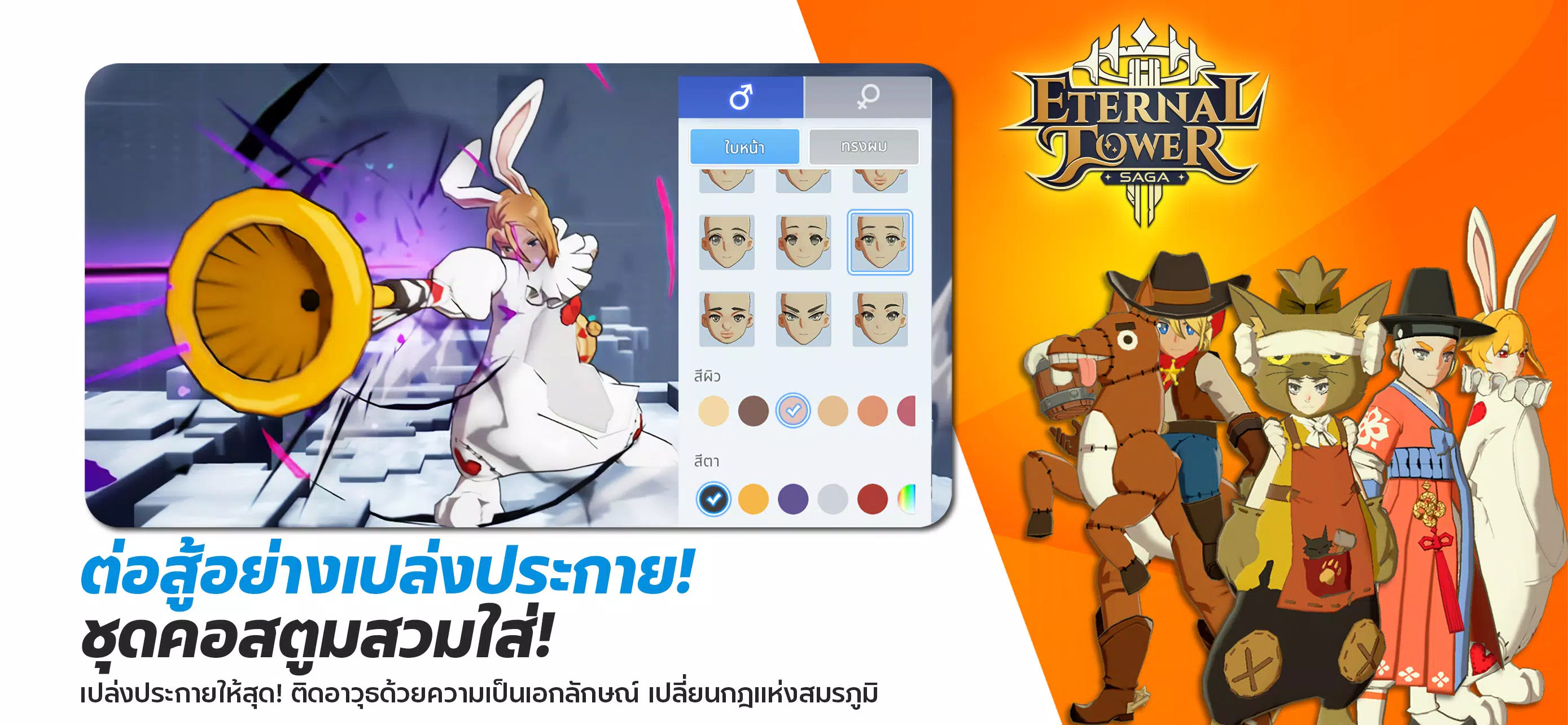
Customization is one of the game's strengths, spanning character appearance, partner outfits, home interiors, and garden layouts. Fashion collections include more than 200 outfit sets and a large catalog of individual pieces, while home design offers modular rooms, furniture, seasonal decorations, and functional farming plots. Visually, the game blends colorful fantasy art with detailed enemy animations and readable combat effects so mechanical attacks are clear even during hectic moments. Camera framing and UI scale options help preserve clarity on a range of devices, and partner models are visually distinct to make team composition intuitive at a glance.
Replay Value and Challenge
Eternal Tower Saga keeps players engaged through layered replayability: most tower floors are replayable with increasing difficulty modifiers, and timed boss mechanics encourage learning and refinement of tactics. Competitive PvP modes are available for players who want head-to-head tests, while housing, collections, and seasonal events provide slower, persistent objectives that reward long-term play. The balance between challenge and accessibility is adjustable through optional difficulty settings and targetable progression goals, allowing both short play sessions and extended campaigns. Endgame content gives players reasons to revisit previously cleared areas as they chase improved gear, unique decoration items, or partner upgrades.
User Experience and Accessibility
The interface is designed to make complex systems approachable: in-game tutorials introduce weapon swapping, partner management, and base building step by step, and contextual help panels explain status effects and boss telegraphs. Performance settings and reduced visual effect options support smoother gameplay on older devices, while controls can be simplified for players who prefer auto-attacks or fewer active skills. Single-player-friendly design means many activities can be completed in short bursts without needing extensive online time, and persistent saves let you return to your house and collections between combat runs.
Known Trade-offs
While the breadth of systems—combat, housing, gardening, partner progression, and fashion—creates many avenues for play, it can be overwhelming at first and requires time to learn how systems interlock efficiently. Focusing on lifestyle content such as elaborate housing or collection goals can slow combat progression compared with players who prioritize tower clears and PvP. These trade-offs are intentional, giving players the choice to play at their preferred pace while providing meaningful milestones across multiple playstyles.