
LUDUS・Strategy PvP Battle Game

| Package ID: | |
|---|---|
| Latest Version: | v1.12.2 |
| Latest update: | Jul 03, 2026 10:14:03 |
| Developer: | pinin3236 |
| Requirements: | Android |
| Category: | Strategy |
| Size: | 202.35 MB |
| Tags: | War Board Construction |
Rating :4.2
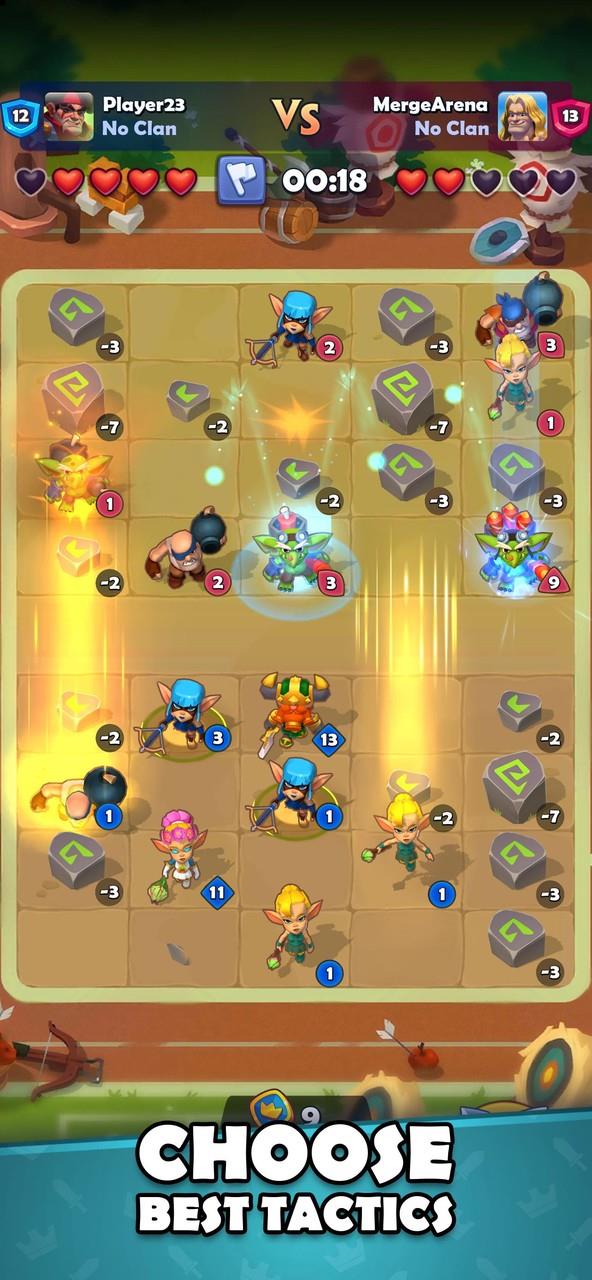
LUDUS・Strategy PvP Battle Game centers short, tactical head-to-head duels for players who prefer meaningful matches that fit into a busy schedule. In LUDUS・Strategy PvP Battle Game you manage a roster of heroes, summon and merge units during live arenas, cast spells and adapt to opponents in real time while earning gold and rating points that reflect your climb on competitive ladders. This editor overview explains the core systems, controls and long-term progression so you know what to expect before installing.
Key features and core loop
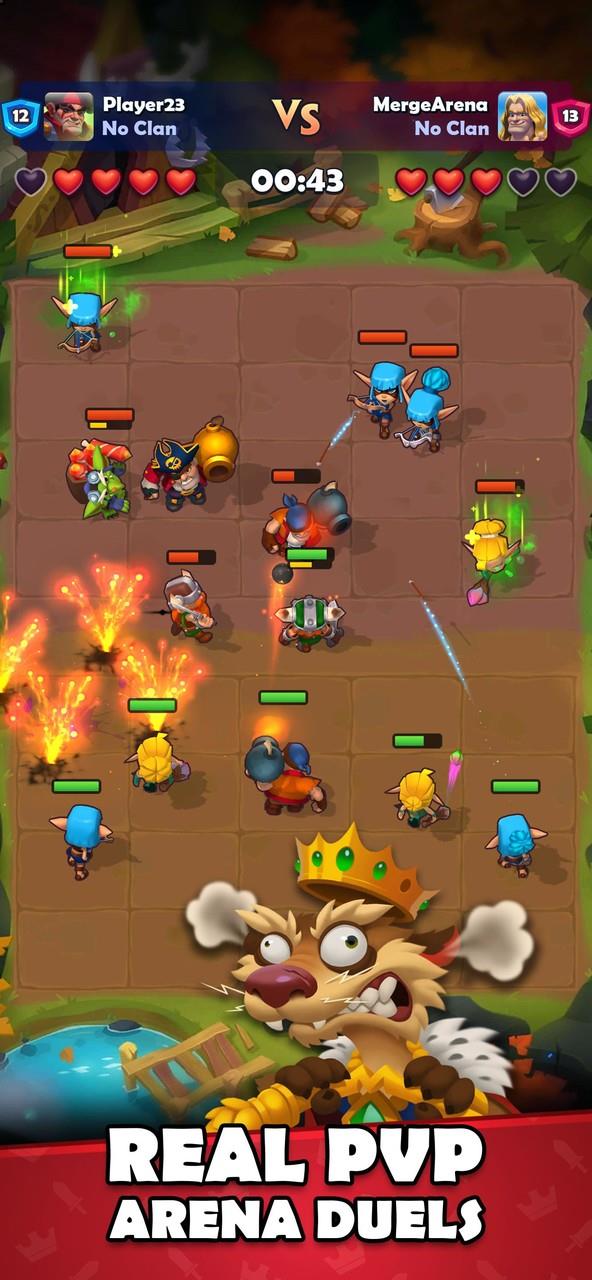
The core experience is a concise live arena: two players face off in matches designed to be brief but strategically dense. You draft or select a pre-built roster, then summon units, merge duplicates to increase power, and use hero abilities and spells to influence lanes and objectives. Matches reward gold, consumables and rating updates immediately, so progression is visible after every duel and encourages iterative deck experimentation rather than long grind sessions. Organized clan contests and clan wars add shared goals and time-limited leaderboards for group play.
Gameplay mechanics and strategy
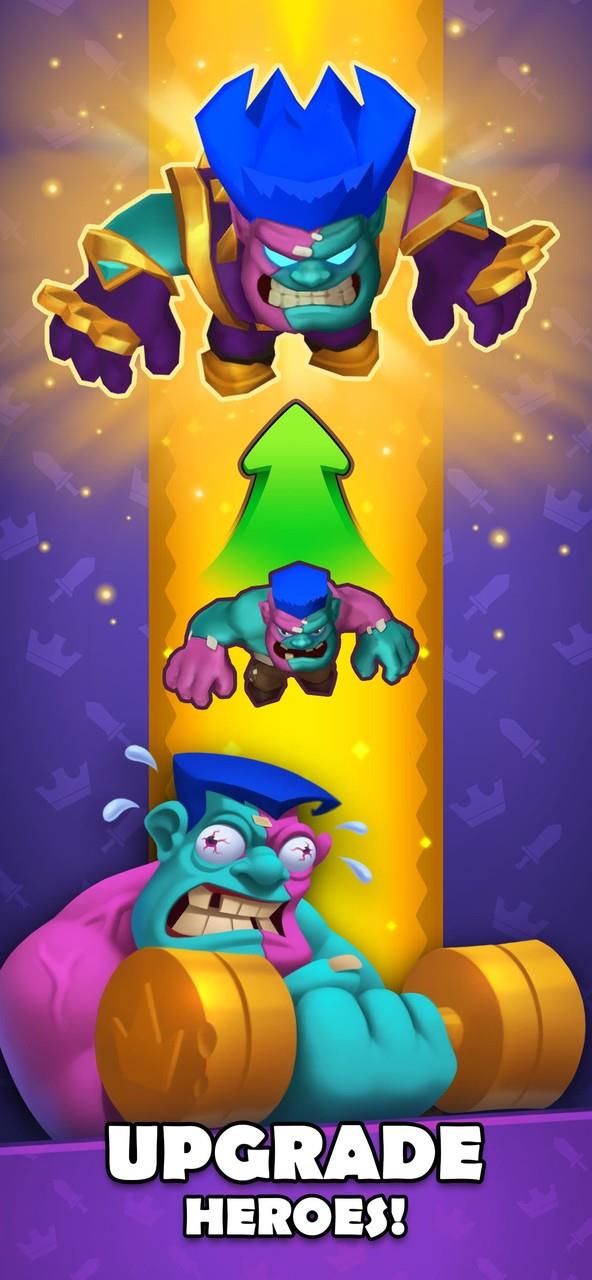
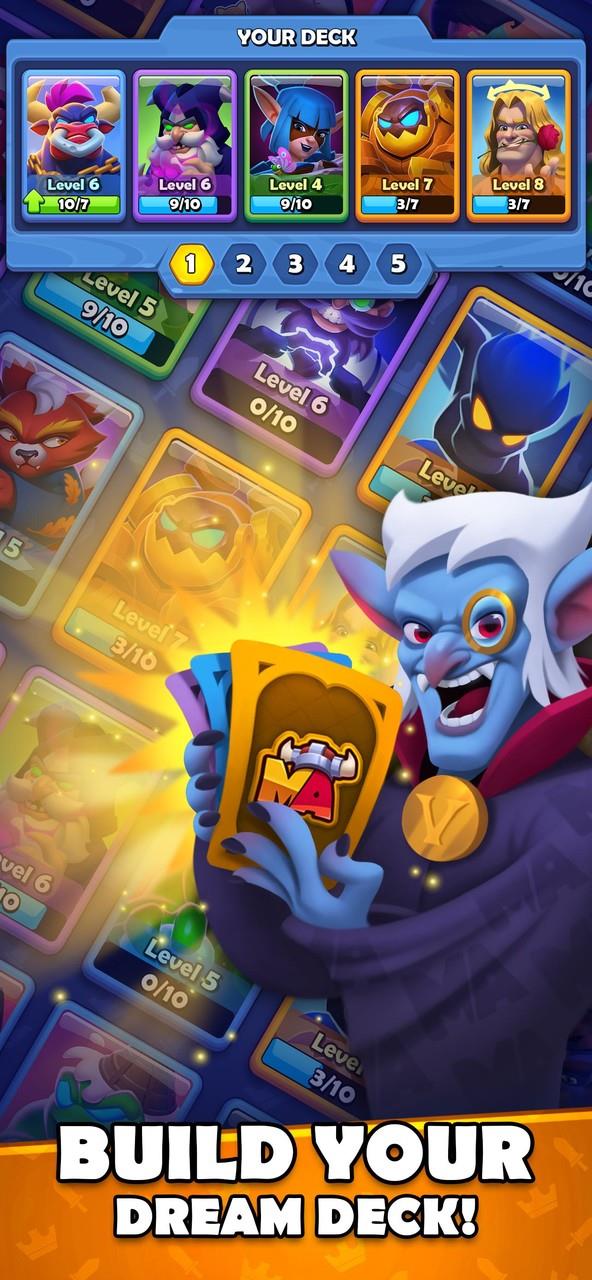
Gameplay blends pre-match deck construction with in-match decision making: choose which heroes to include based on roles and synergies, then react to your opponent by deciding when and where to place units or merge them into stronger versions. Recognizable roles such as guardians, archers and summoners create predictable interactions that skilled players can exploit, while spells and timed abilities introduce moments where smart decisions swing the outcome. The merge-and-evolve mechanic forces trade-offs between investing in a single core hero or maintaining board flexibility, shaping mid- and long-term strategy.
Controls and accessibility
Controls are optimized for touch: simple tap-to-select, drag-to-place and single-tap ability activation keep input straightforward while preserving tactical depth. The UI highlights available merges and suggests legal placements to reduce misclicks and speed up decision cycles. Accessibility options include adjustable text sizes for ability descriptions, configurable touch sensitivity and clear iconography, helping players with different needs to interpret battlefield information quickly and confidently.
Progression systems and rewards
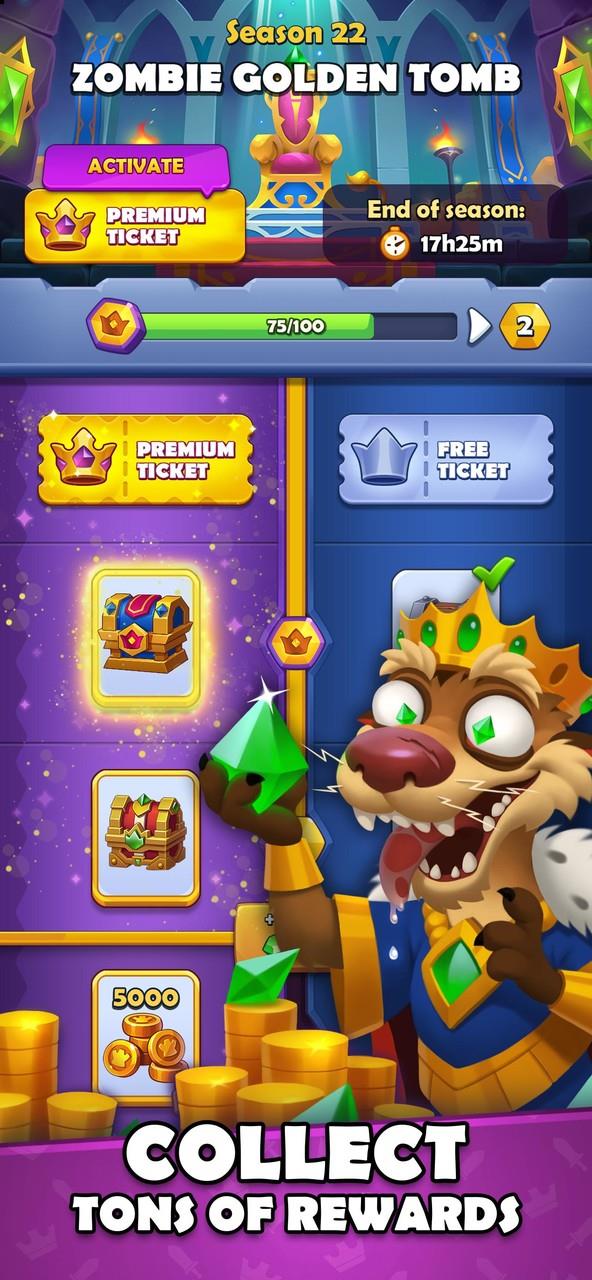
Progression mixes currency, ranked ladders and unlocks to reward consistent play without forcing excessive grind. Gold and event currencies obtained from matches fund roster expansion and hero upgrades, while rating points determine placement in seasonal ladders that unlock arenas and exclusive rewards. Regular events and clan objectives introduce limited-time goals that refresh incentives, and transparent patch notes with balance adjustments keep the competitive environment understandable for newcomers and veterans alike.
Visual style and level structure
The visual design emphasizes readability during rapid matches: clear character silhouettes, distinct spell effects and merge indicators help you parse the battlefield at a glance. Arenas are themed and rotate seasonally, each offering slightly different lane geometry and hazards that influence positioning and strategy. Levels are structured around short match cycles so you can play multiple duels in a single session while still experiencing variety through arena rotation and seasonal modifiers.
Customization and progression depth
Customization focuses on meaningful choices rather than pay-to-win cosmetics: adjust deck composition, select cosmetic emblems and clan banners, and unlock hero skins that reflect earned progression without altering balance. Deck tuning and incremental upgrades enable long-term engagement by letting players refine strategies and test alternative roster builds, while clan-based rewards and shared goals encourage coordinated play and strategic planning among teammates.
Practice, replay value and challenge modes
Practice tools let you test decks in quick, scenario-based matches and tutorial sessions that reproduce common situations, helping you learn merging patterns and role interactions before entering ranked play. Replay value comes from shifting metas, seasonal events and rotating objectives that reward adaptation. Challenge modes present constraints or handicaps to test specific skills and encourage creative solutions, and the short match pacing supports frequent retries and iterative improvement.
User experience, offline options and support
The onboarding process favors gradual learning with contextual tips and a progressive tutorial that introduces merging, role concepts and lane tactics step by step. A limited offline training mode allows players to rehearse basic mechanics and deck ideas without queuing for online opponents, while online systems handle matchmaking and ladder updates. Developers provide regular balance updates and patch notes to keep competitive play transparent and manageable for players at every level.
Who should play
LUDUS・Strategy PvP Battle Game is aimed at mobile players who enjoy tactical decision-making in compact sessions: if you like refining deck builds, tracking visible progress through ladders and rewards, and participating in both solo ranked matches and team-focused clan activities, LUDUS・Strategy PvP Battle Game offers a steady stream of strategic challenges and social goals to pursue without demanding long daily commitments.