Games
Role playing
Pantheland
Pantheland

| Package ID: | |
|---|---|
| Latest Version: | v1.0.15 |
| Latest update: | Jun 07, 2026 18:10:04 |
| Developer: | 深圳市鸿符科技有限公司 |
| Requirements: | Android |
| Category: | Role playing |
| Size: | 55.80 MB |
| Tags: | War Puzzle Drive |
Rating :4.1
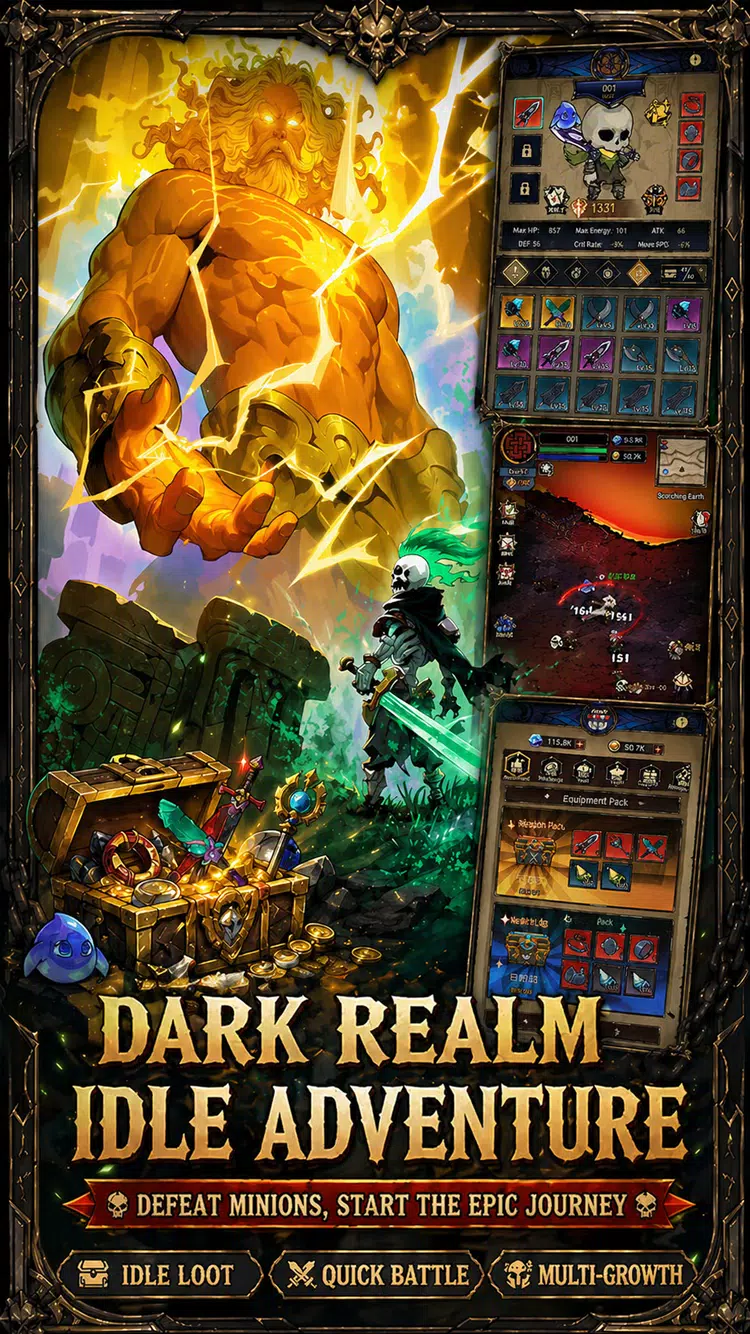
Pantheland is a cooperative puzzle-action experience built around teamwork, creative combat and deeply customizable loadouts, and Pantheland offers a clear alternative to repetitive brawling by rewarding strategy and experimentation from the first level. In this title players combine weapons, modular upgrades and weapon-specific talent trees to craft distinct playstyles, swapping armaments mid-mission to change attack patterns and unlock exclusive skills that reshape encounters. The emphasis is on collaborative problem solving and adaptable character roles, which makes Pantheland a strong pick for groups who enjoy tactical interaction and continual build refinement.
Key Features
Weapon-driven mechanics are central: each weapon changes how you attack, how you move through space and which skill branches become available. Swapping weapons is a deliberate action that alters your available combos and can open alternative routes through a level, so loadout changes feel meaningful rather than cosmetic.
The modular customization system lets players attach and tune modules that affect effect visuals, damage types and utility functions. Modules can amplify a weapon's strengths or compensate for weaknesses, and they encourage players to test layered synergies across different gear sets rather than relying on a single fixed configuration.
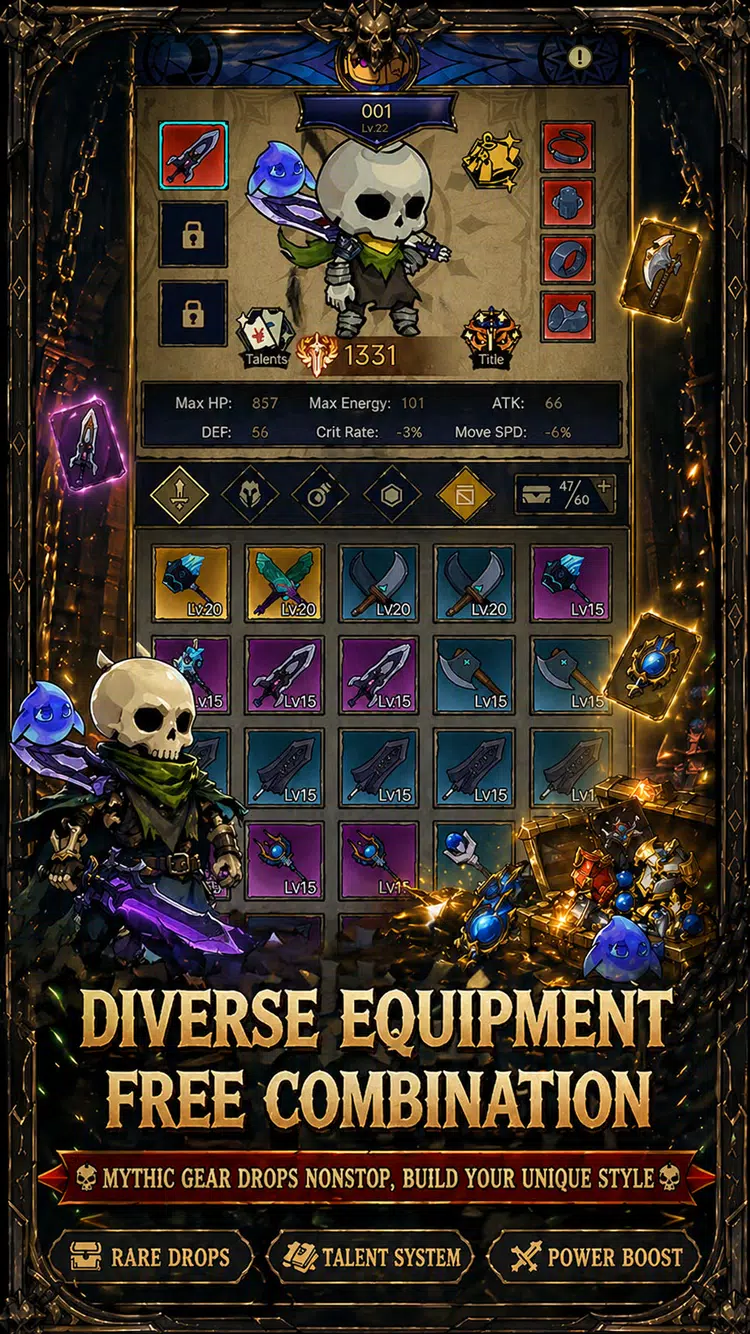
Independent talent trees for each weapon type create a progression path that rewards specialization without locking you into a rigid class. As you invest points into a weapon’s tree you unlock passive enhancements, active talents and branching upgrades that change the way modules and skills behave in combat and puzzles.
Levels are designed around cooperative puzzles as much as combat encounters. Environmental mechanics, switch-and-lever puzzles and synchronized actions require communication and role division, so the game prioritizes thoughtful teamwork and mental challenges over nonstop repetitive fighting.
Gameplay and Controls
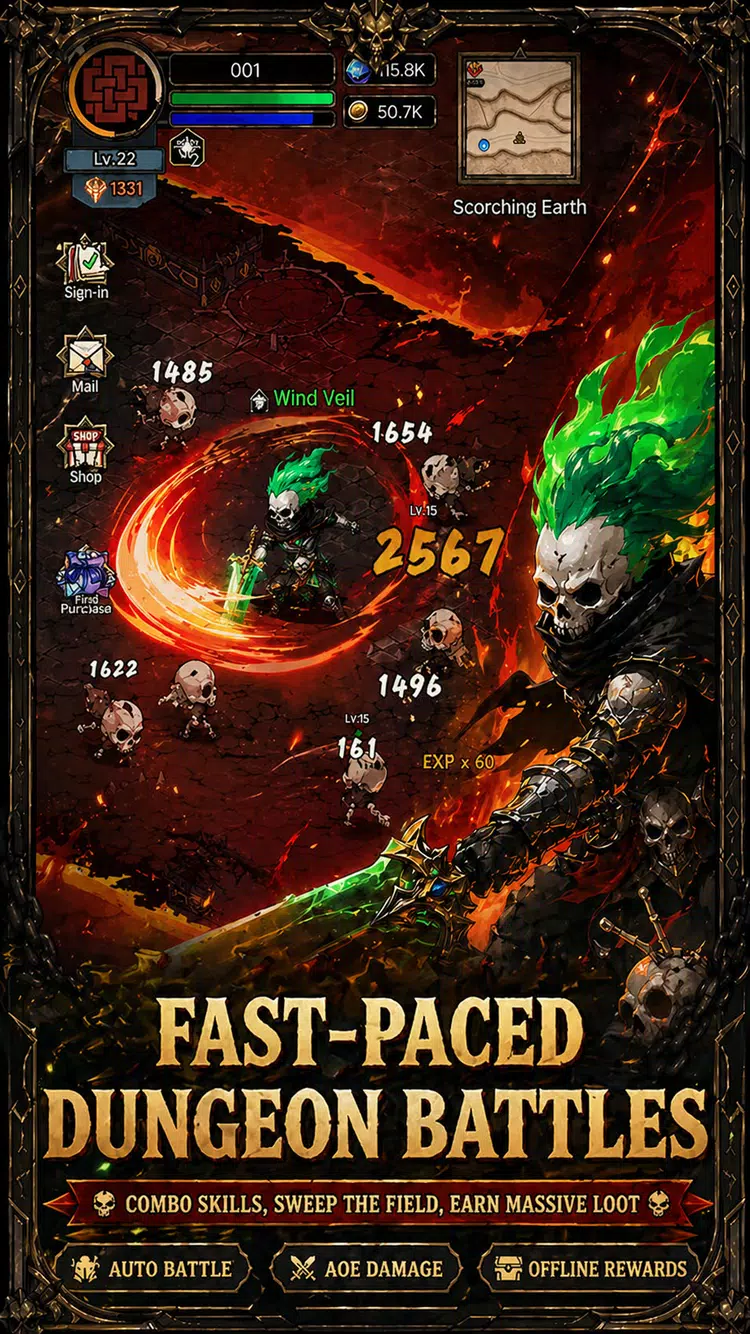
Gameplay in Pantheland balances action inputs with puzzle interactions: combat relies on timing, positioning and weapon choice while puzzles ask players to coordinate movement, ability use and module effects. Controls are intentionally approachable, with context-sensitive prompts that help players use the right skill at the right time. On most devices you will find straightforward mappings for attack, dodge, weapon swap and skill activation, and the interface keeps critical information like cooldowns and module status visible without cluttering the view.
Switching weapons mid-encounter is designed to be fluid so players can react to changing conditions; the system supports quick-select mechanics and a clear HUD indicator so teammates can anticipate each other’s role shifts. The learning curve for controls is gradual, and the game includes tooltips and practice opportunities so new players can adapt to more advanced combinations.
Progression and Customization
Progression revolves around expanding your toolkit rather than inflating raw stats. You unlock new weapons, modules and talent nodes by completing levels and meeting optional objectives, and progression emphasizes choice: the same resources can lead to very different builds depending on how you allocate talent points and where you place modules. Loadouts are saved between sessions, permitting long-term experimentation and refinement.
Because each weapon has its own growth path, teams benefit from complementary roles. One player might specialize in crowd control while another focuses on single-target damage or puzzle-oriented utility, and the game’s progression design rewards those divergent approaches by providing tangible advantages for coordinated builds.
Visual Style and Level Structure
Pantheland presents a cohesive visual language that keeps combat readable during hectic moments while offering distinct aesthetic themes across areas. Level design blends handcrafted puzzle arenas with combat zones so transitions feel organic: a single stage can feature a brain-teasing device, a platforming section and a tactical skirmish, all composed to encourage multiple attempts and strategic revision of loadouts.
Environmental cues are deliberately prominent so teams can identify interaction points and solve puzzles without guesswork. Clear animation and distinct visual feedback for modules and attacks help players learn what each combination does, reducing frustration and highlighting successful experimentation.
Replayability, Challenges and Accessibility
Replay value comes from the breadth of possible combinations and from optional challenge objectives embedded in many levels. Higher-difficulty encounters and puzzle variants reward teams that push beyond the basic solution with additional resources or rare modules, while the core experience remains approachable for casual groups. Tutorials guide early decisions and the game includes adjustable difficulty settings to smooth the curve for different player types.
Beyond difficulty options, the design considers accessibility by prioritizing clear input prompts, readable UI elements and control remapping where the platform allows. Sessions are structured so players can experiment in contained runs and make incremental improvements, which keeps the experience satisfying whether you aim to casually explore builds or to master complex synergies.
Pantheland is presented for players who value cooperative problem solving, modular customization and tactical combat variety; its systems reward communication and iteration, and the layered progression consistently opens new ways to play as you gain more weapons, modules and talent choices.