
Games
Role playing
Deadwalk Survival
Deadwalk Survival

| Package ID: | |
|---|---|
| Latest Version: | v1.5.2 |
| Latest update: | May 30, 2026 10:11:04 |
| Developer: | Serys Studio |
| Requirements: | Android |
| Category: | Role playing |
| Size: | 403.00 MB |
| Tags: | Management Construction Strategy |
Rating :4.3
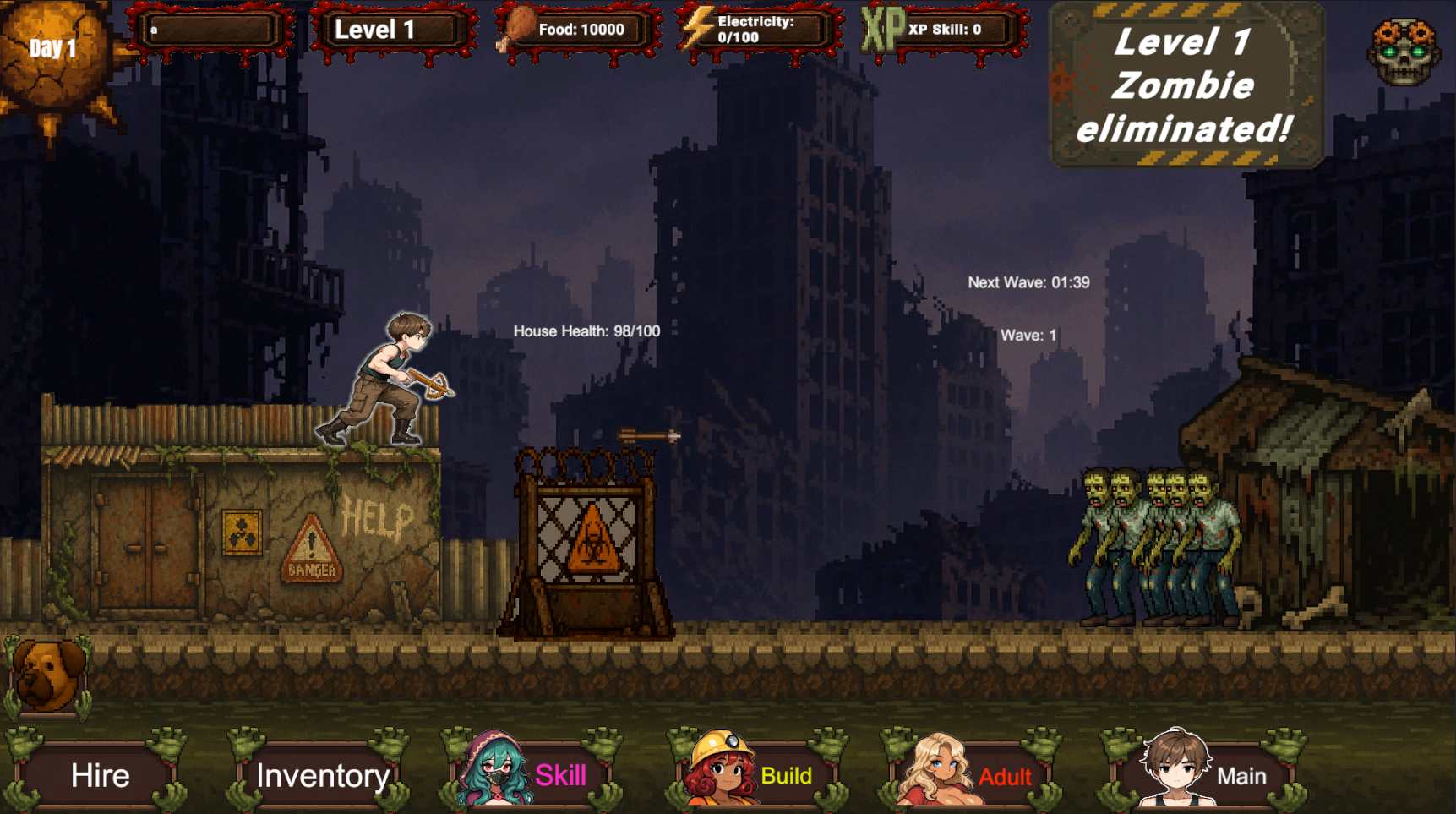
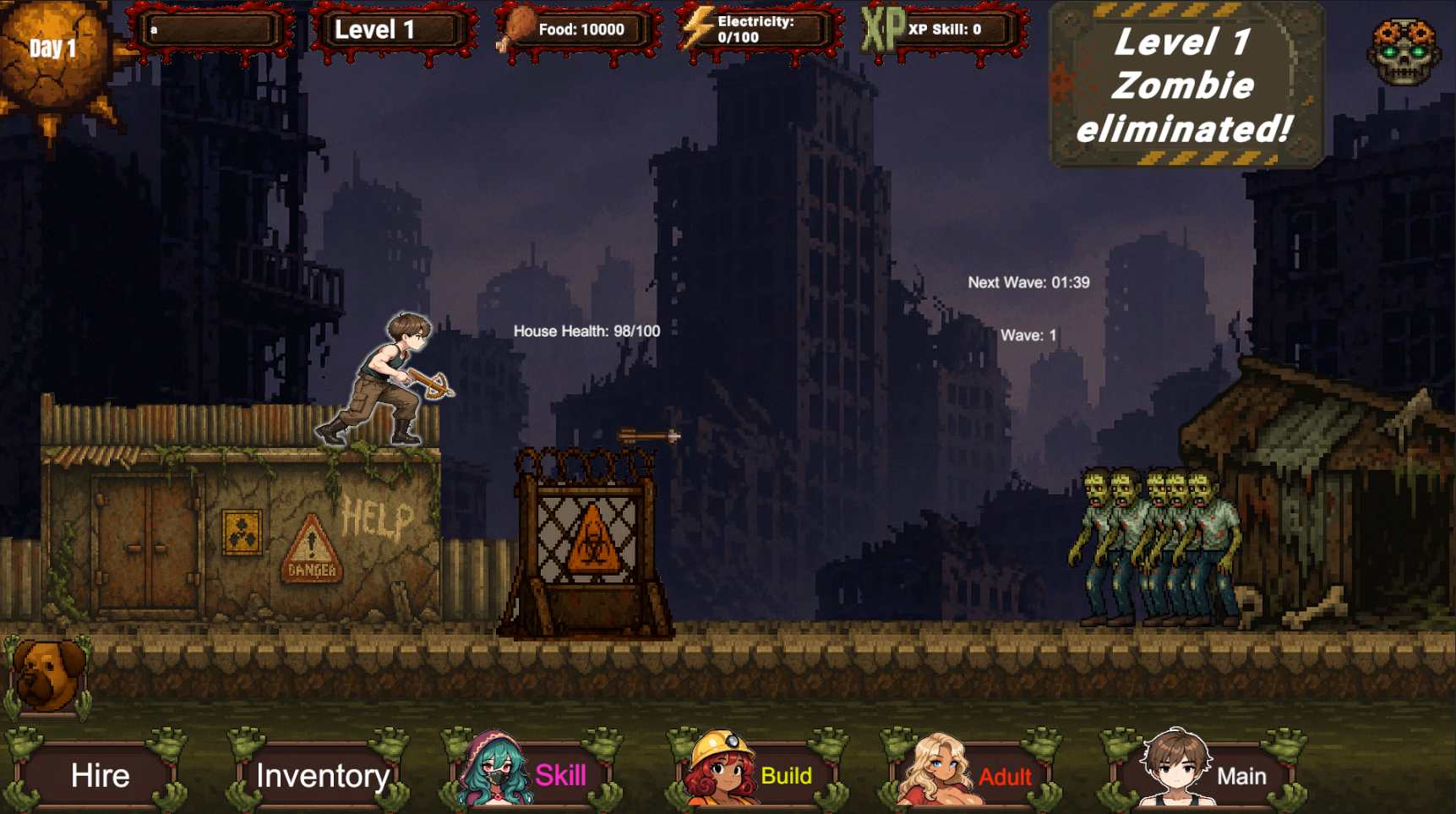
Deadwalk Survival drops players into a gritty 2D zombie apocalypse where base management, side‑scroller combat and mature themes combine into a single-player survival experience intended for adult audiences. The premise places you in charge of a makeshift shelter: recruit and manage staff, assign tasks, research improvements, craft equipment and send squads into the field to fend off relentless undead assaults while steadily expanding your stronghold. The game contains explicit 18+ visual material and is recommended only for mature players; this description focuses on gameplay systems, controls and user experience rather than adult content.
Key Features
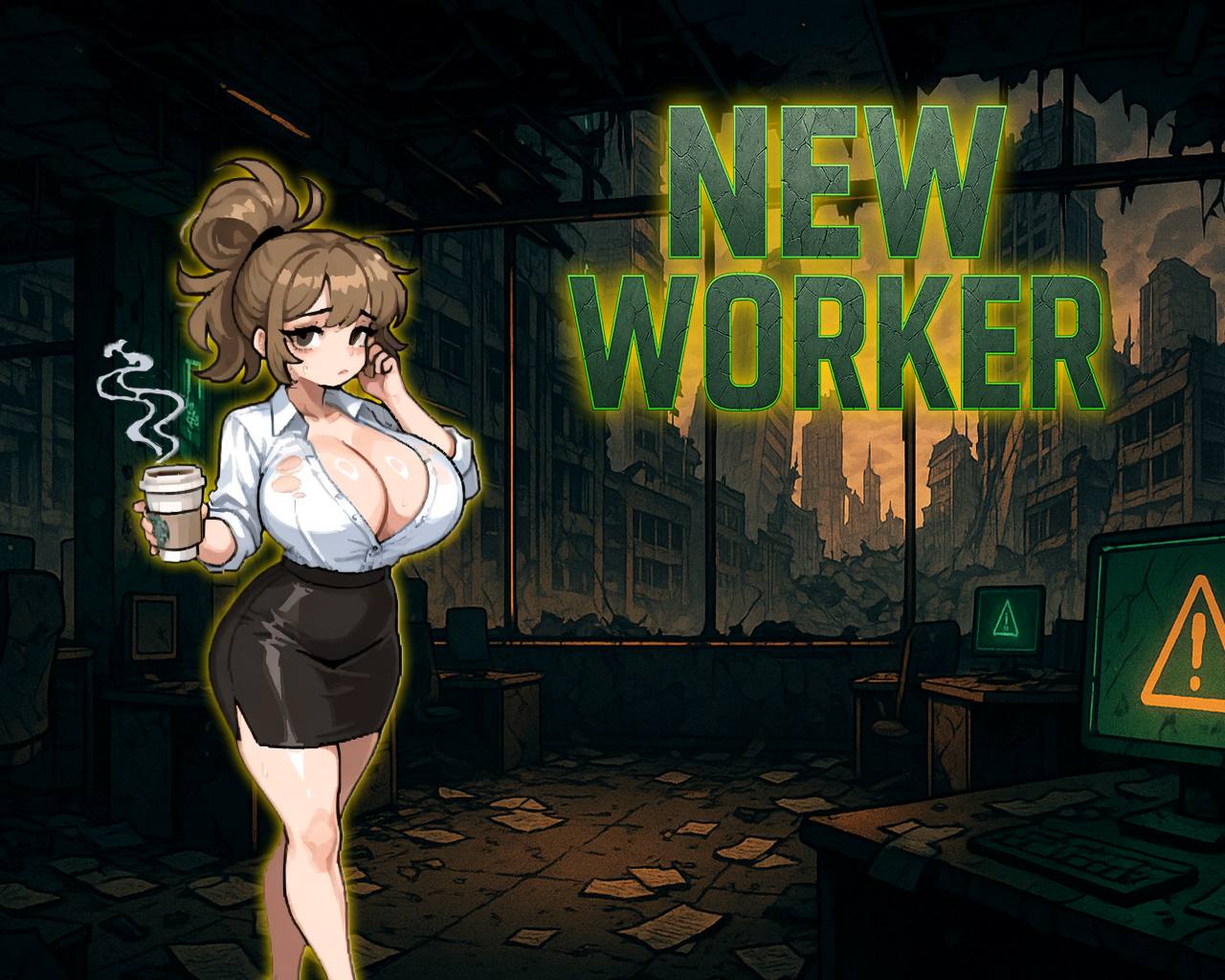
Core systems define the loop in Deadwalk Survival: base construction and resource allocation create a long-term foundation, while a roster system enables recruitment and training of workers whose roles affect production, defense and field operations. Research unlocks new technologies and crafting blueprints; crafted gear and consumables provide tangible benefits during side‑scroll combat. The game blends strategic planning with on-the-ground action so that both base decisions and moment-to-moment combat matter to survival.
Gameplay and Controls
Combat plays out as a side‑scroll action sequence with wave-based enemy encounters that emphasize positioning, timing and upgrade choices. Controls are intentionally simple to learn: directional movement, a primary attack, a secondary skill or item use and a contextual interaction command for base activities and supply points. On touch devices the interface maps to on-screen buttons and responsive gestures, while keyboard and gamepad support tends to mirror standard platformer inputs—making it approachable for players who prefer either casual or more deliberate play sessions.
Progression, Research and Crafting
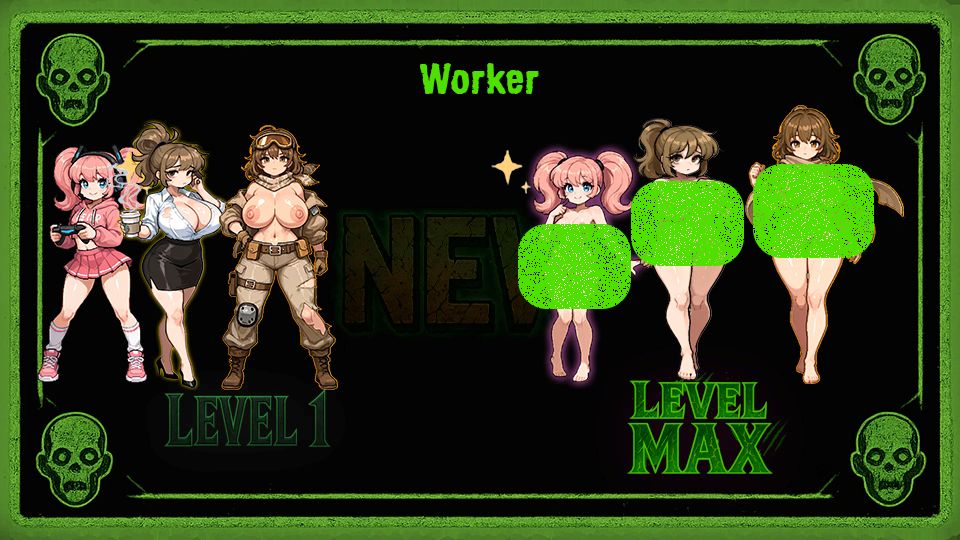
The progression loop centers on research trees, training programs and crafting systems that deliver persistent upgrades. Research projects improve production rates, unlock advanced weapon schematics and grant tactical perks for defenders. Training converts raw recruits into specialized staff with bonuses to crafting, scouting or combat support. Crafting requires scavenged materials gathered during runs and from hunting parties, and players must decide how to spend limited resources between immediate needs and long-term investment.
Visual Style and Presentation
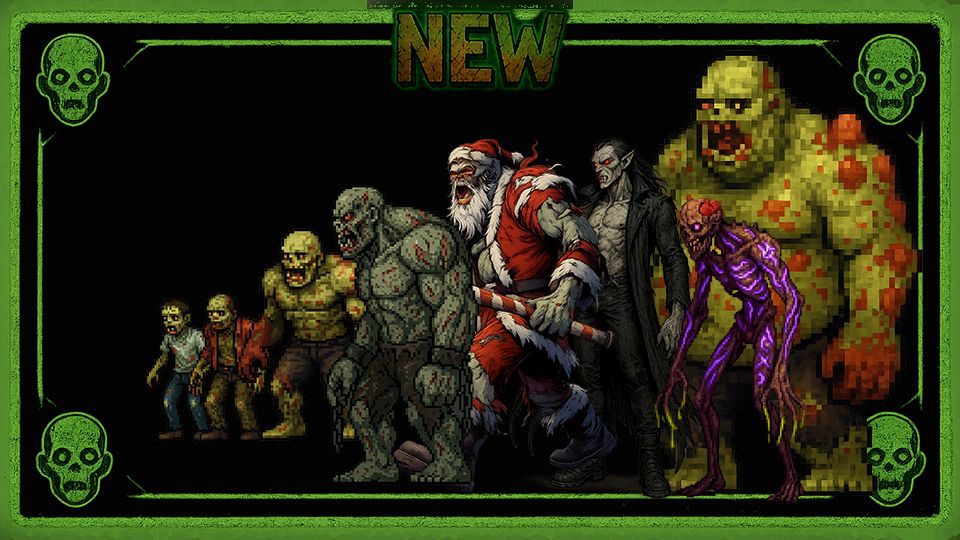
The title uses 2D and 2DCG animated art to establish a bleak, dystopian atmosphere, supplemented by static CG illustrations for key scenes. Visuals are stylized rather than photorealistic, with character art, environment tiles and interface panels designed to communicate the world state at a glance. Mature visual themes are present in artwork and narrative context; the presentation supports the setting without relying on explicit descriptions in menus or UI.
Level Design and Challenge
Levels are structured around successive zombie waves and defense objectives, with occasional scripted events that force tactical adaptation. Difficulty tends to scale as you expand the base and unlock harder content, encouraging players to cycle between upgrading facilities and testing their roster in combat. Resource scarcity and the need to balance production, training and field operations create a steady tension that rewards planning and experimentation rather than just reflexes.
Customization and Replay Value
Customization comes through staff roles, gear loadouts and base layout choices that change how individual runs play out. Different combinations of trained workers and crafted equipment let players pursue stealthier scouting runs, heavy‑hitters for frontline defense or efficient resource gatherers to speed progression. These branching approaches, together with modular research trees and procedurally varied enemy waves, provide meaningful replay value for players who enjoy optimizing strategies across multiple playthroughs.
Installation, Accessibility and Experience
Installation is straightforward: the package uses a simple extract-and-run setup that exposes game files for users who need direct access. The UI aims for clarity with readable menus and concise feedback on production and combat results, while performance scales to a range of devices with basic recommendations provided in the download notes. The learning curve is gradual—early runs teach core mechanics and later stages layer complexity—so new players can make steady progress without being overwhelmed.
Advantages and Limitations
Deadwalk Survival offers a focused single‑player mix of base management and side‑scroll action that suits players who enjoy strategy tied to character-driven systems. Its strengths are a coherent progression loop, meaningful crafting and a clear visual tone; limitations include wave-based repetition that may feel grindy to some and the adult visual content that restricts the audience to mature users. This description aims to help prospective players understand the systems, expected challenge and installation process before deciding whether the game matches their preferences.