
Ninja Rift

| Package ID: | |
|---|---|
| Latest Version: | v1.39 |
| Latest update: | May 24, 2026 13:10:03 |
| Developer: | Stax Studio |
| Requirements: | Android |
| Category: | Casual |
| Size: | 13.00 MB |
| Tags: | War Drive Competition |
Rating :4.5
Ninja Rift is an action RPG that places you in control of a customizable ninja avatar and blends single-player missions with competitive and cooperative combat modes. In Ninja Rift you can develop a distinctive combat style by choosing skills and techniques, tackle story-driven and replayable missions alone, or coordinate with other players through crews and clans for larger objectives. The description below clarifies the game's genre, core systems, and player experience so reviewers and users can verify the app type and what to expect from gameplay.
Gameplay mechanics and combat
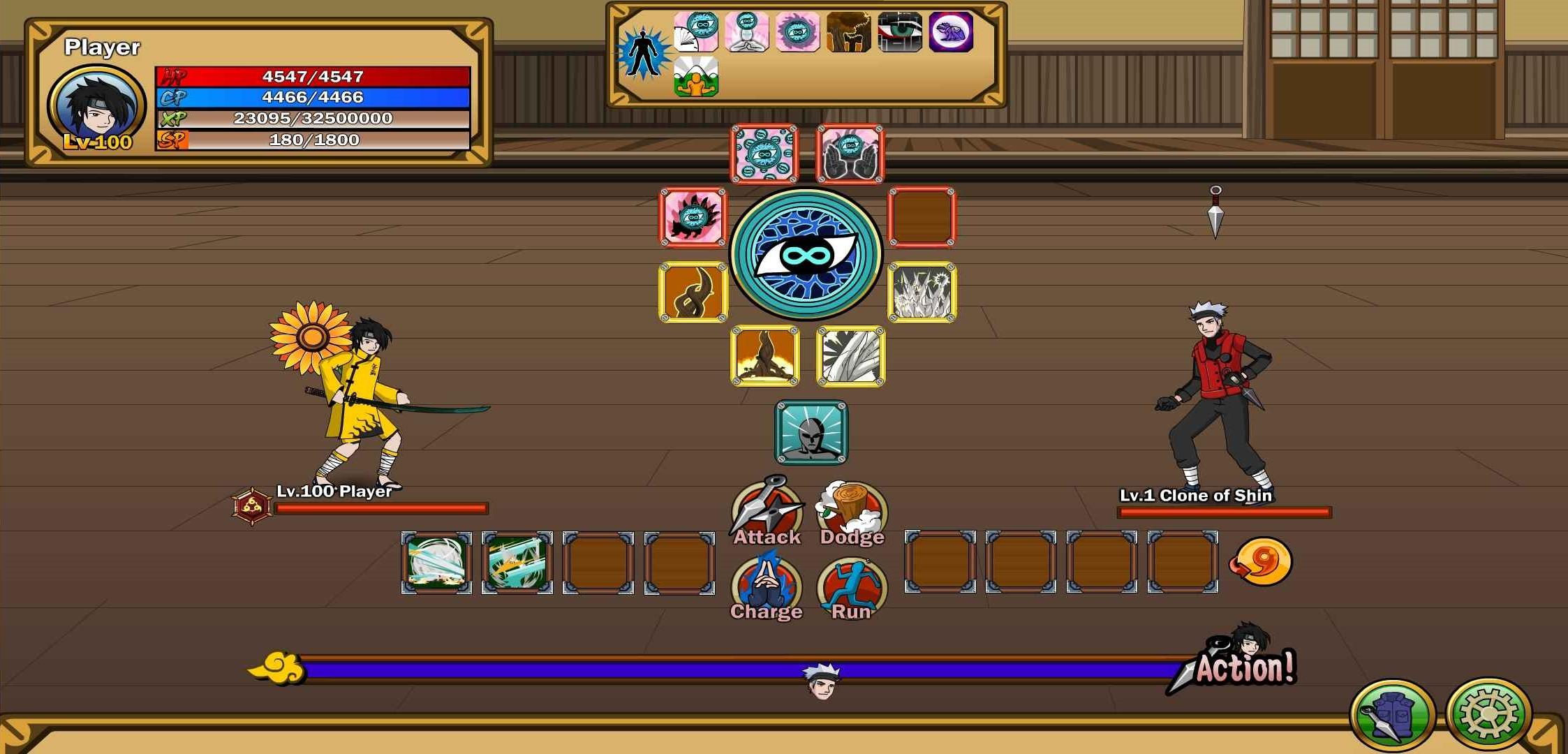
Combat in Ninja Rift emphasizes a mix of timing, positioning, and skill selection rather than simple button-mashing. Standard encounters use responsive touch controls for movement, light and heavy strikes, blocking, and special techniques. Combos and advanced maneuvers are activated by combining basic inputs with skill-specific gestures or cooldown abilities, which encourages players to experiment with builds. Encounters range from short skirmishes to multi-stage fights against tougher AI opponents and human rivals in duel-style matches, all designed around an action-focused role-playing loop.
Controls and accessibility
The control scheme is optimized for mobile devices, with an on-screen joystick and contextual action buttons that can be repositioned in the settings for left- or right-handed play. Automatic camera adjustments help maintain visibility in fast fights, and a simplified control mode reduces the number of active buttons for players who prefer a less demanding input style. Accessibility options include toggles for input sensitivity, visual contrast settings, and a gradual difficulty mode that eases new players into advanced techniques and timing-based mechanics.
Progression systems and level structure
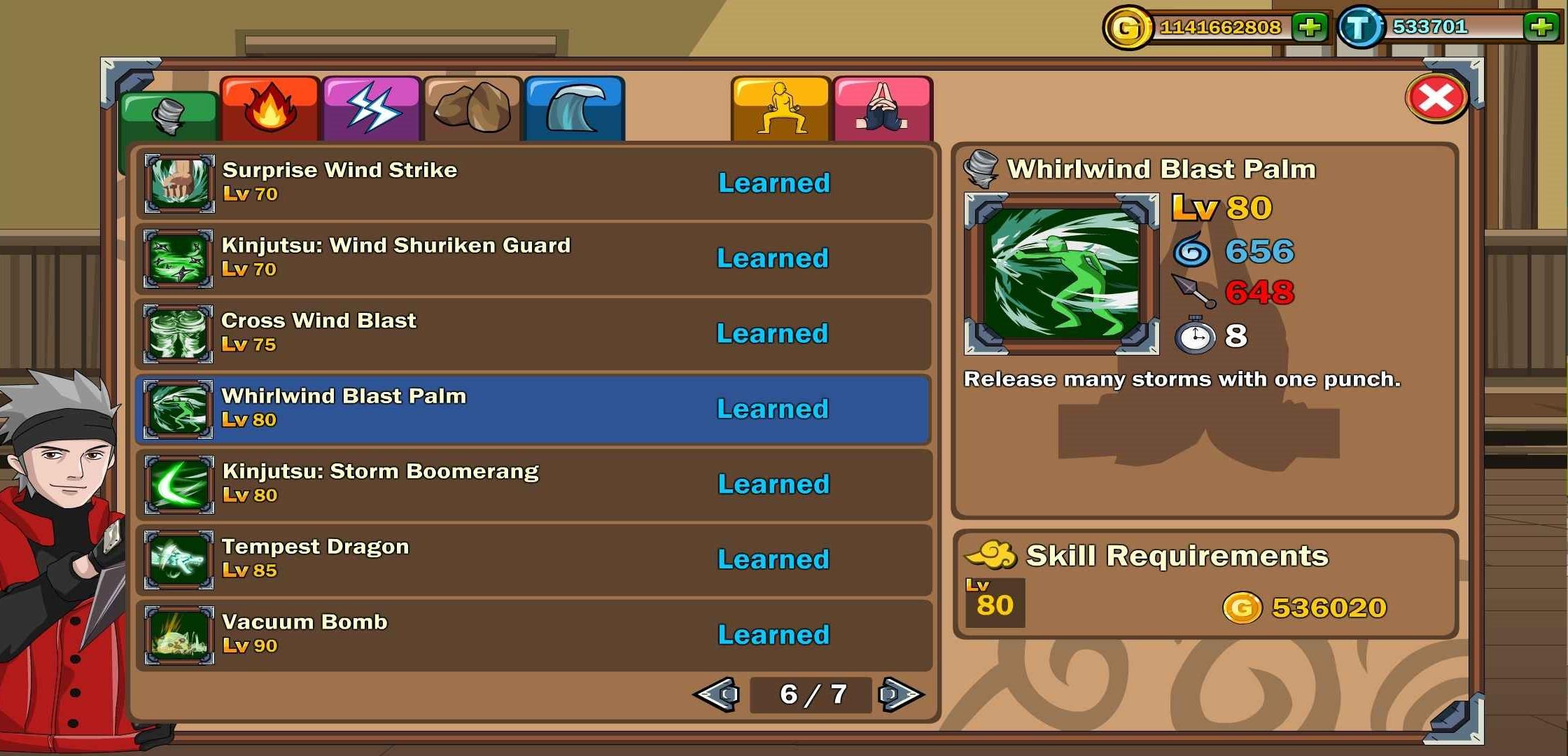
Progression in Ninja Rift is driven by experience, skill upgrades, and gear choices. Players earn experience from missions, duels, and cooperative objectives, which unlocks skill points usable to expand active techniques and passive bonuses. The game is structured into tiers of levels and ranks: early stages focus on training and introductory missions, mid tiers introduce more complex enemy behaviors and objectives, and endgame tiers present higher-difficulty challenges and clan-oriented content. Ranking systems reflect earned progress and provide measurable milestones without relying solely on repetitive grinding.
Customization and visual style
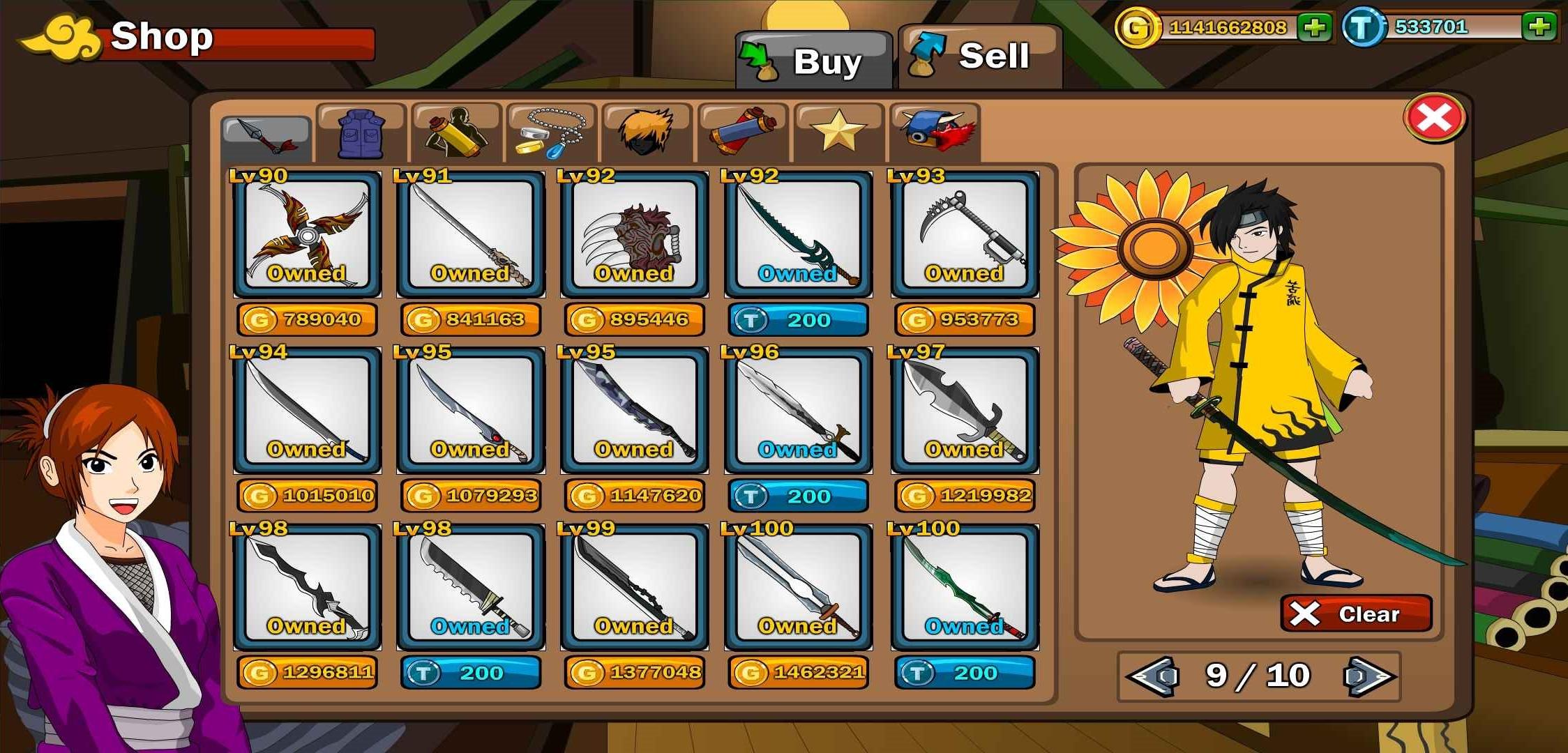
Character customization in Ninja Rift covers appearance, equipment loadouts, and skill specializations. Cosmetic options allow players to personalize their ninja while equipment choices influence playstyle through stat changes and unique modifiers. The visual style blends stylized realism with traditional ninja aesthetics—shadowed environments, fluid animations for acrobatics, and distinct visual cues for each combat ability—so players can quickly recognize threats and plan responses during fights.
Level design and challenge systems
Levels are designed with short missions and multi-stage encounters that test both strategy and reflexes. Enemy types are introduced incrementally, encouraging adaptation of tactics rather than memorization. Challenge systems include time-limited trials, ranked duels, and cooperative objectives for crews, each offering different rewards to motivate varied play. Boss encounters focus on pattern recognition and the intelligent use of skills, rewarding players who time defenses and counters rather than those who rely only on high stats.
Replay value and user experience
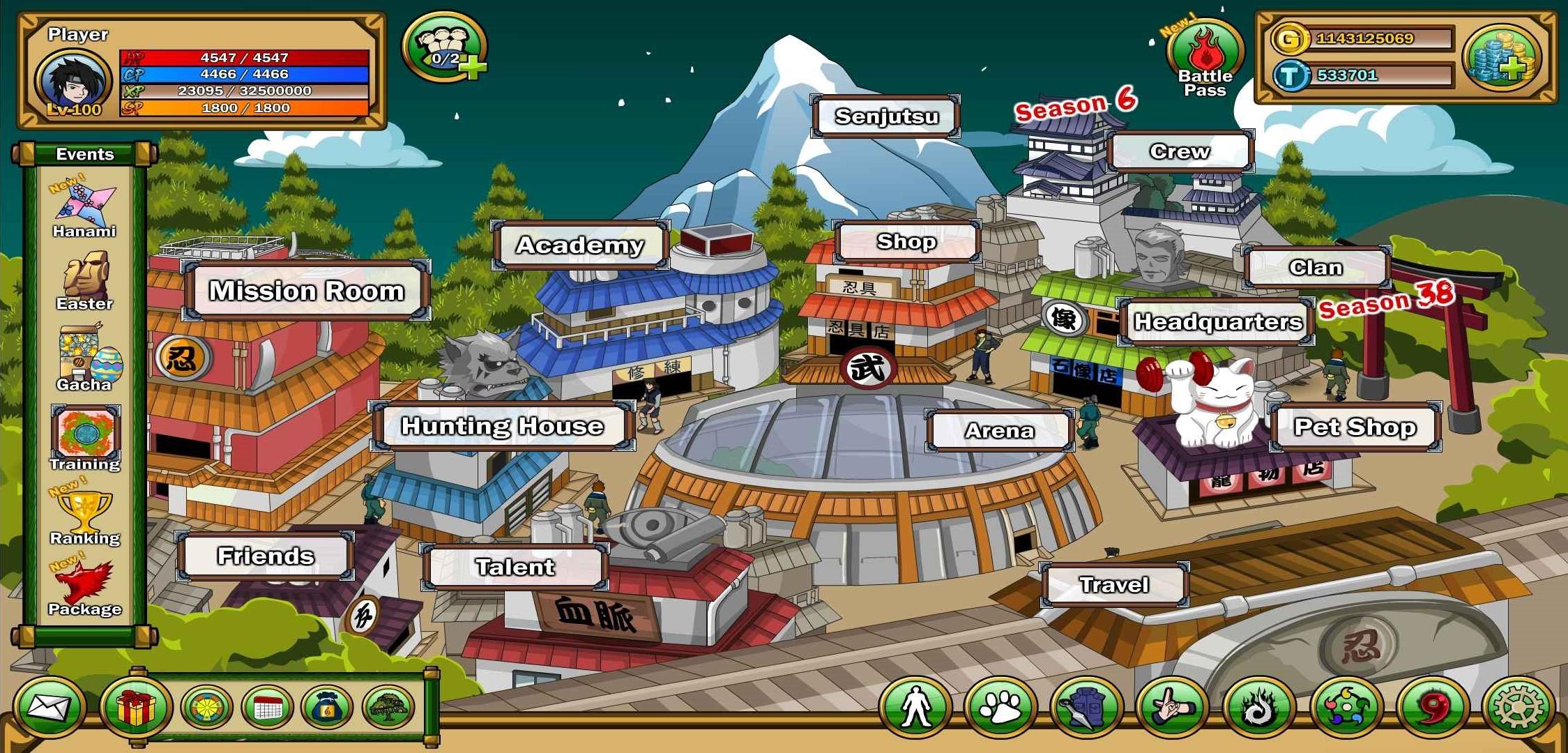
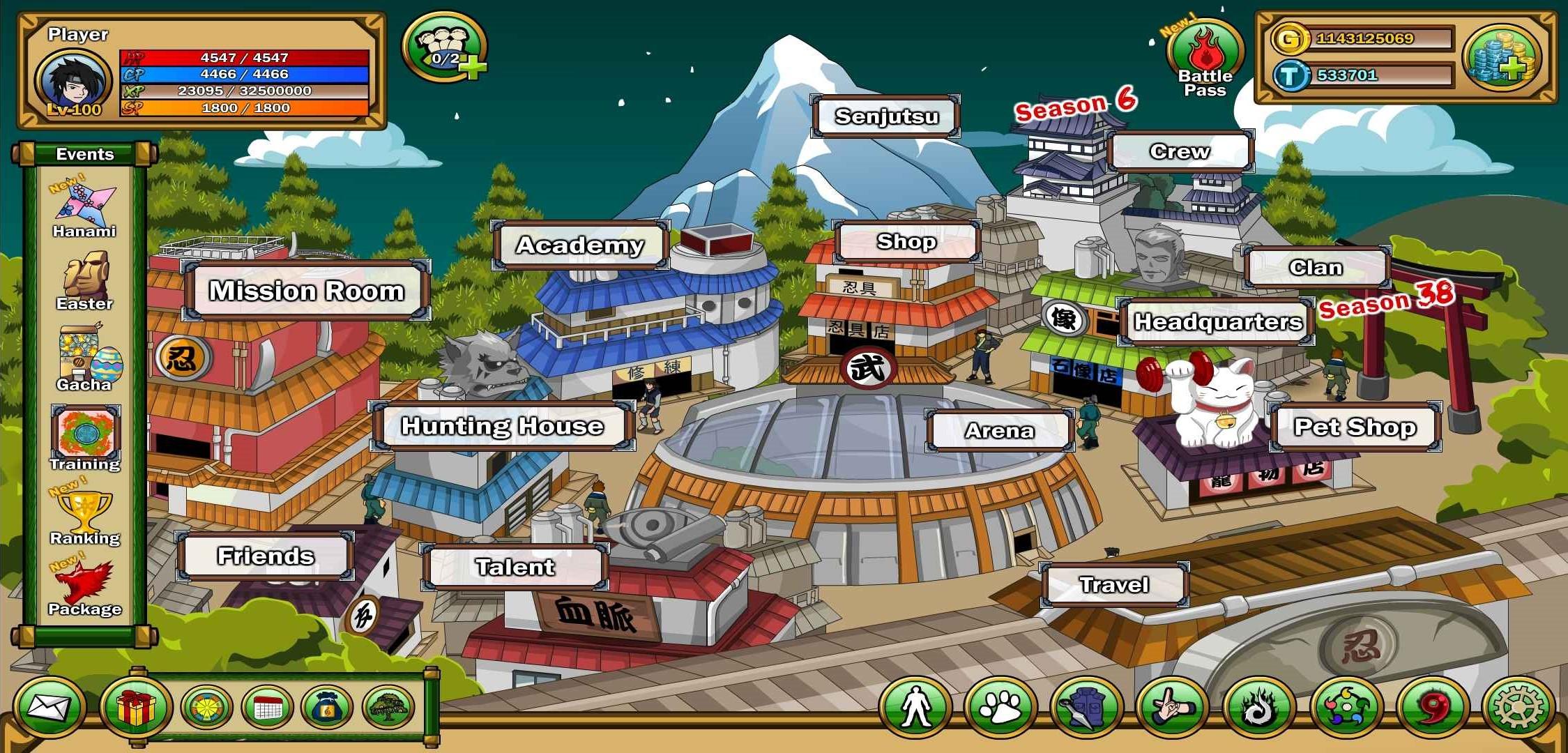
Replayability comes from deep customization options, multiple viable builds, and a combination of solo and group activities. Solo missions are suitable for offline play so players can practice mechanics and progress without a persistent connection, while designated cooperative and competitive modes provide matchmaking opportunities when online. The user interface is organized to show progression at a glance—current skill trees, active missions, and clan objectives—helping players set short-term goals and long-term milestones.
Social play and clan systems
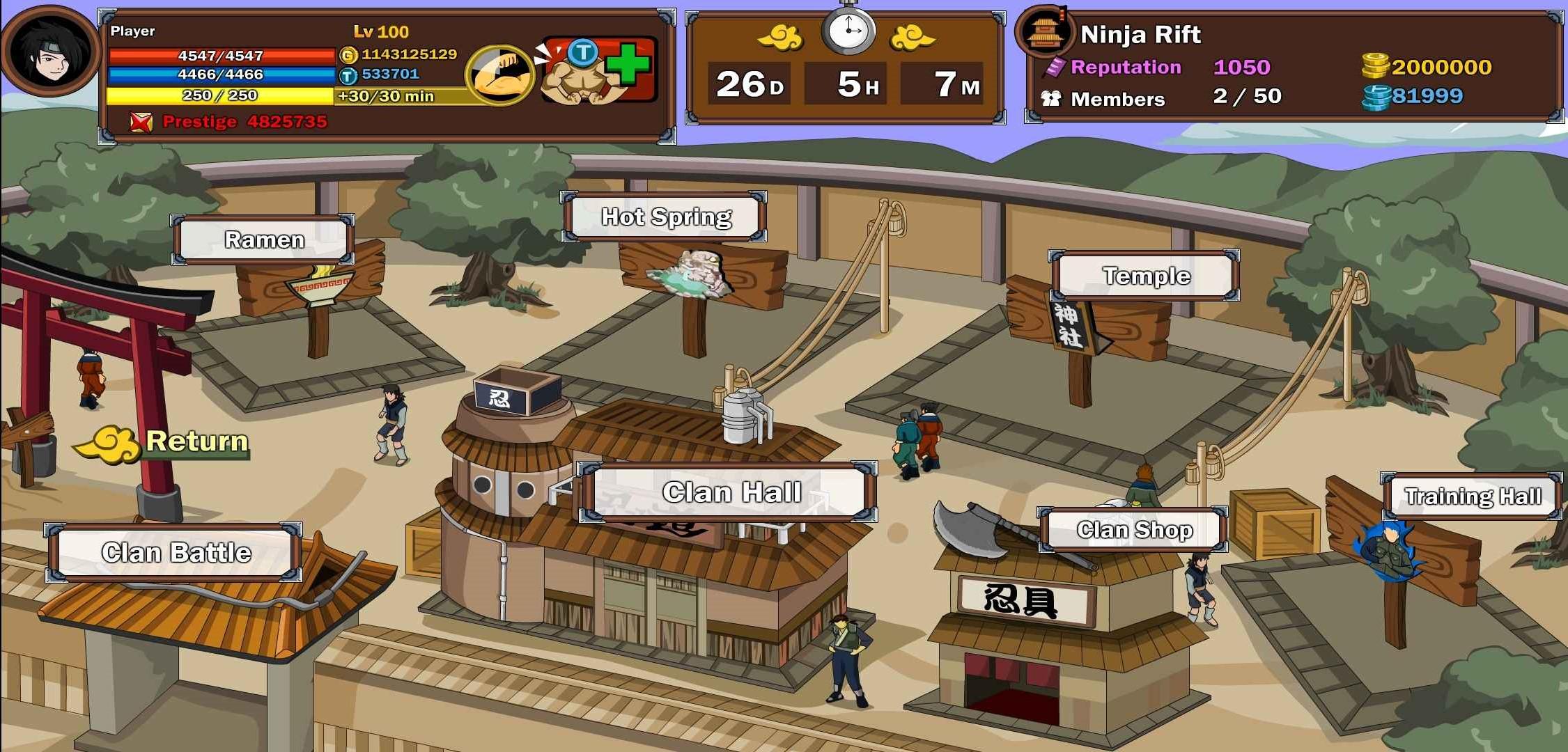
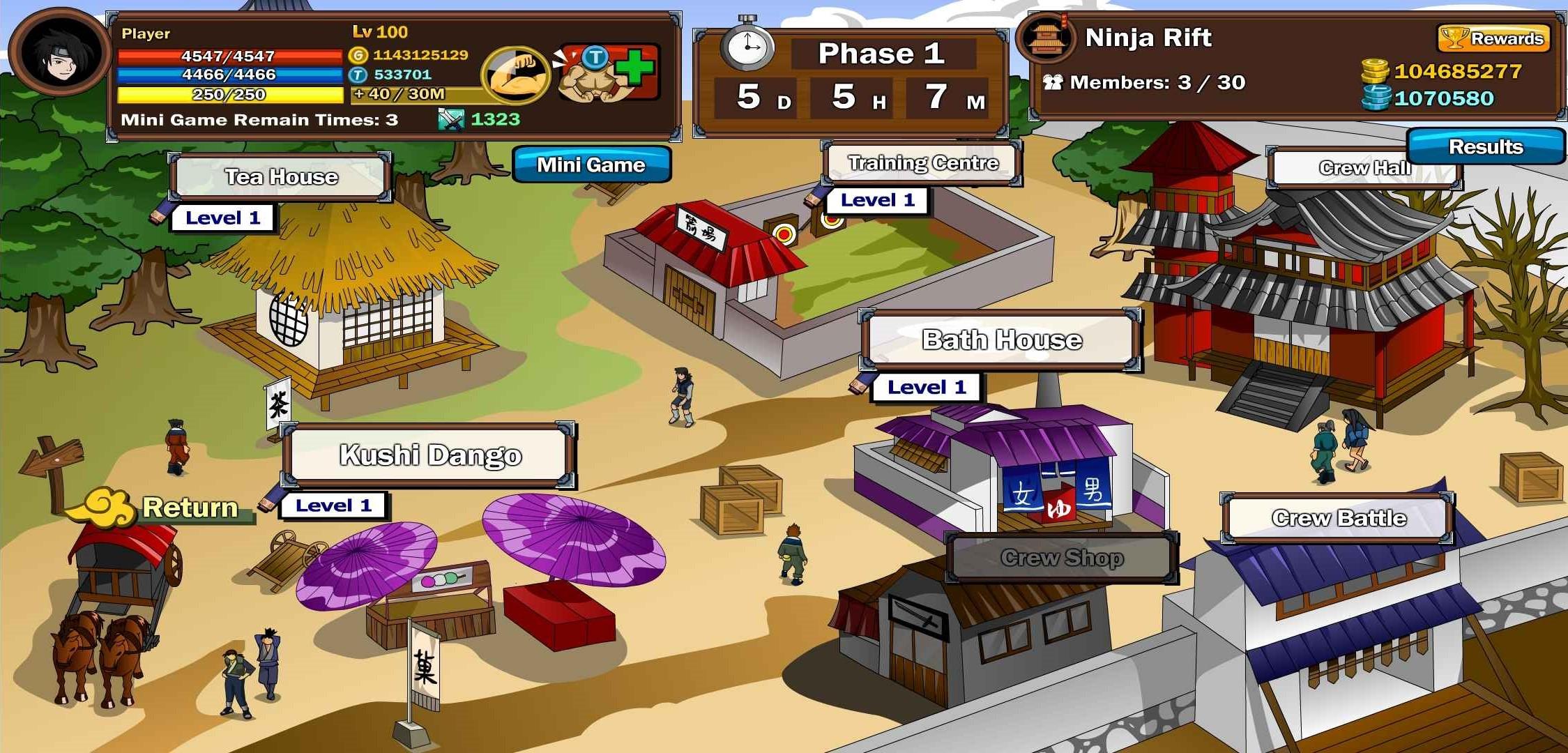
Ninja Rift supports crew and clan structures that encourage coordinated play without mandating participation; clans are optional but offer shared objectives, coordinated events, and pooled rewards for members who prefer teamwork. Duel mechanics allow one-on-one tests of skill for players who enjoy direct competition, while larger skirmishes involve coordinated roles and strategy. These social systems are designed to extend replay value while maintaining clear separation between solo-friendly content and group-focused activities.
Technical notes and device compatibility
The game aims for stable performance across a range of Android devices, with adjustable graphics settings to balance visual fidelity and frame rate on older hardware. Regular updates refine controls and balance, and the settings menu provides options for data usage and background syncing to respect limited connections. Overall, Ninja Rift offers a clear action RPG experience with accessible controls, layered progression, and both solo and social avenues for players to grow and compete.