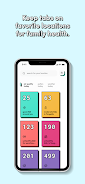
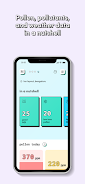
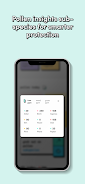
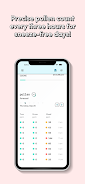
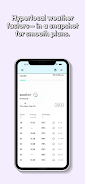
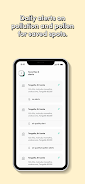
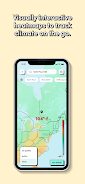

Ambee is a weather and environmental health app that tracks air quality, pollen and detailed local climate data so you can plan outdoor time and manage allergy risks. Ambee combines real-time Air Quality Index readings, pollen counts and standard weather metrics to deliver alerts, maps and forecasts tailored to your saved locations. If you live with allergies or asthma or simply want clearer insight into when to exercise outside, Ambee provides notifications and visual tools to help you stay informed and make safer choices every day.
Key Features
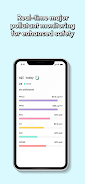
Air quality and pollen alerts use guideline-based thresholds from sources such as the National Allergy Bureau and EPA to warn you about changing conditions. A detailed climate dashboard presents AQI, temperature, UV index, humidity, precipitation and other standard weather metrics for each saved location. Interactive heatmaps and temperature maps visualize pollution and pollen levels at a glance, while pollen maps break down contributions from trees, grasses and weeds to help identify likely triggers. The app also offers enhanced pollutant data covering multiple specific pollutants beyond the overall AQI and forecasting tools that include a five-day pollen forecast with three-hour intervals plus extended weather outlooks.
Advantages
Ambee delivers timely, location-based alerts that help you plan activities around high pollen days and poor air quality. Clear visualizations and heatmaps make it easier to interpret environmental data without digging through raw numbers. You can save multiple locations and customize units and labels to track family members, workplaces or travel destinations, and choose between guest access or account sign-in for quick setup and personalized notifications.
Disadvantages
Some features reference guideline sources that are primarily US-centric and may not match local reporting standards in every region. Detailed pollutant breakdowns and technical maps can be more information than users who prefer concise summaries want. Real-time insights depend on the availability of environmental sensor data, so coverage and granularity may vary by location.