
Recall - Memory Matching RPG mixes a classic match-2 memory puzzle with light RPG combat, asking players to plan each flip because matching pairs deal damage while misses let enemies strike back. In Recall - Memory Matching RPG you face a compact 5x5 card grid where timing, pattern recognition and a small degree of resource management determine success; the game is built around short sessions that still reward careful thinking and steady progress. The title balances cognitive challenge and character growth by offering hundreds of levels with increasing complexity and a clear emphasis on thoughtful decision-making rather than frantic tapping.
Gameplay
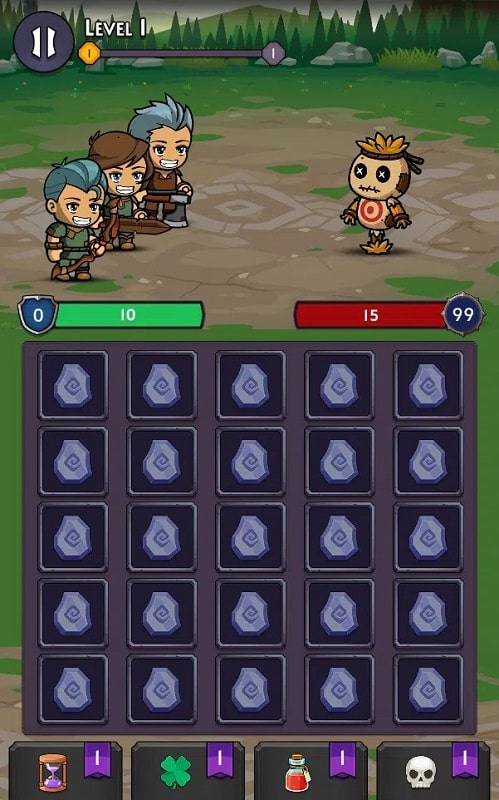
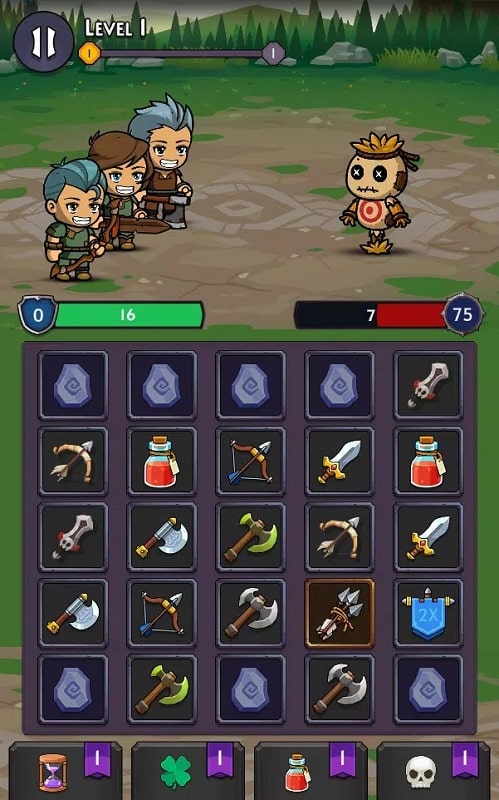
The core interaction is straightforward but layered: reveal two cards, resolve whether they match, then apply the outcome to the combat state. Correct matches damage foes and can chain into combo attacks when several matches occur in sequence, while mismatches typically return initiative to opposing monsters and may activate enemy abilities. Levels introduce modifiers such as locked tiles, timed reveals, and tiles that change their symbol after a turn, so familiar matching rules are constantly refreshed by board effects. Encounters are designed to be compact: the 5x5 layout keeps each encounter visually manageable while allowing room for tactical choices like target prioritization and combo planning.
Controls and User Experience
Controls are optimized for touch devices, using simple taps to flip cards and confirm selections, with intuitive gestures to open menus and adjust loadouts. Visual feedback—such as highlight rings, animated card flips and small pop-up confirmations—makes it easy to follow the flow of play on smaller screens. A short built-in tutorial introduces mechanics step by step, and contextual tooltips appear as new tiles and enemy behaviors are introduced. Settings let you tailor input and feedback to your preferences, including toggling longer tap delays for accessibility and adjusting haptic feedback intensity for a more tactile feel during key events.
Progression and Customization
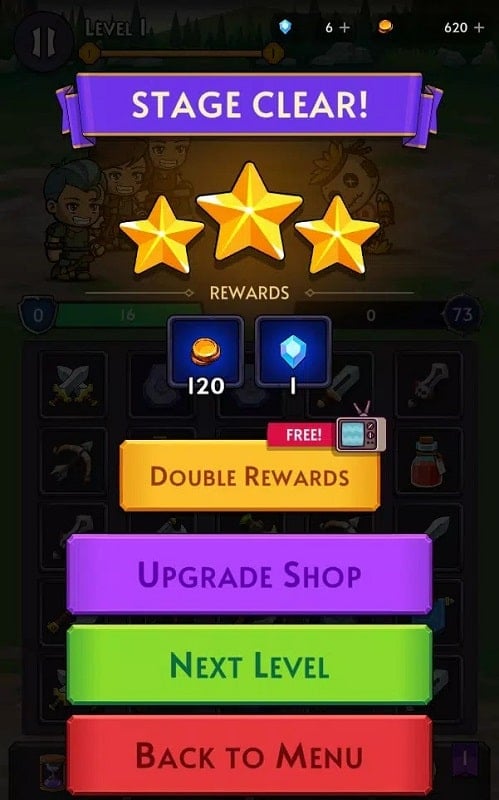
Progression relies on level rewards and steady upgrades rather than complex microtransactions or opaque systems. Completing stages grants resources used to unlock new card sets, outfits and modest weapon upgrades that slightly alter damage or combo potential. Customization focuses on visible personal touches—hairstyles, colors, outfits and weapon skins—so players can express a playstyle visually while gaining incremental boosts that make later levels more approachable. Replayable stages make it possible to return for missed gear or to practice strategies, and the reward curve is tuned so new players feel consistent advancement without being overwhelmed.
Level Structure and Challenge
Levels are grouped into themed chapters that each introduce one or two new mechanics, giving players time to learn before difficulty ramps up. Early chapters teach matching fundamentals and timing, while later chapters combine restricted move counts, disruptive enemy skills and board hazards that force careful sequencing. Optional rematches and harder variants are available for players who want tighter constraints or extra rewards, creating a clear path for improvement. Because mismatches carry a tangible cost, levels reward players who can assess risk, prioritize targets and conserve combo opportunities for high-impact moments.
Visual Style and Audio
The visual approach favors clarity and personality: card faces are high-contrast with distinct patterns to aid recognition, and character art is clean and readable even at small sizes. Subtle animations emphasize important events—matches, critical hits and enemy responses—without obscuring board state, and sound effects are concise so audio cues reinforce actions without becoming distracting. Settings allow adjustments to sound levels and effect intensity so players can control the sensory balance for longer sessions or quieter environments.
Replay Value, Accessibility and Offline Play
Replayability comes from mastering tougher variants, collecting cosmetic items and experimenting with different card sets and weapon choices. The game supports offline play so you can train memory and practice levels without a network connection, and accessibility features include adjustable difficulty, optional hint toggles and color-blind-friendly card patterns to make symbol recognition easier. With short, satisfying encounters and scalable challenge options, Recall - Memory Matching RPG is tuned for both brief breaks and longer play periods, offering steady progression and an approachable learning curve for casual and focused players alike.