
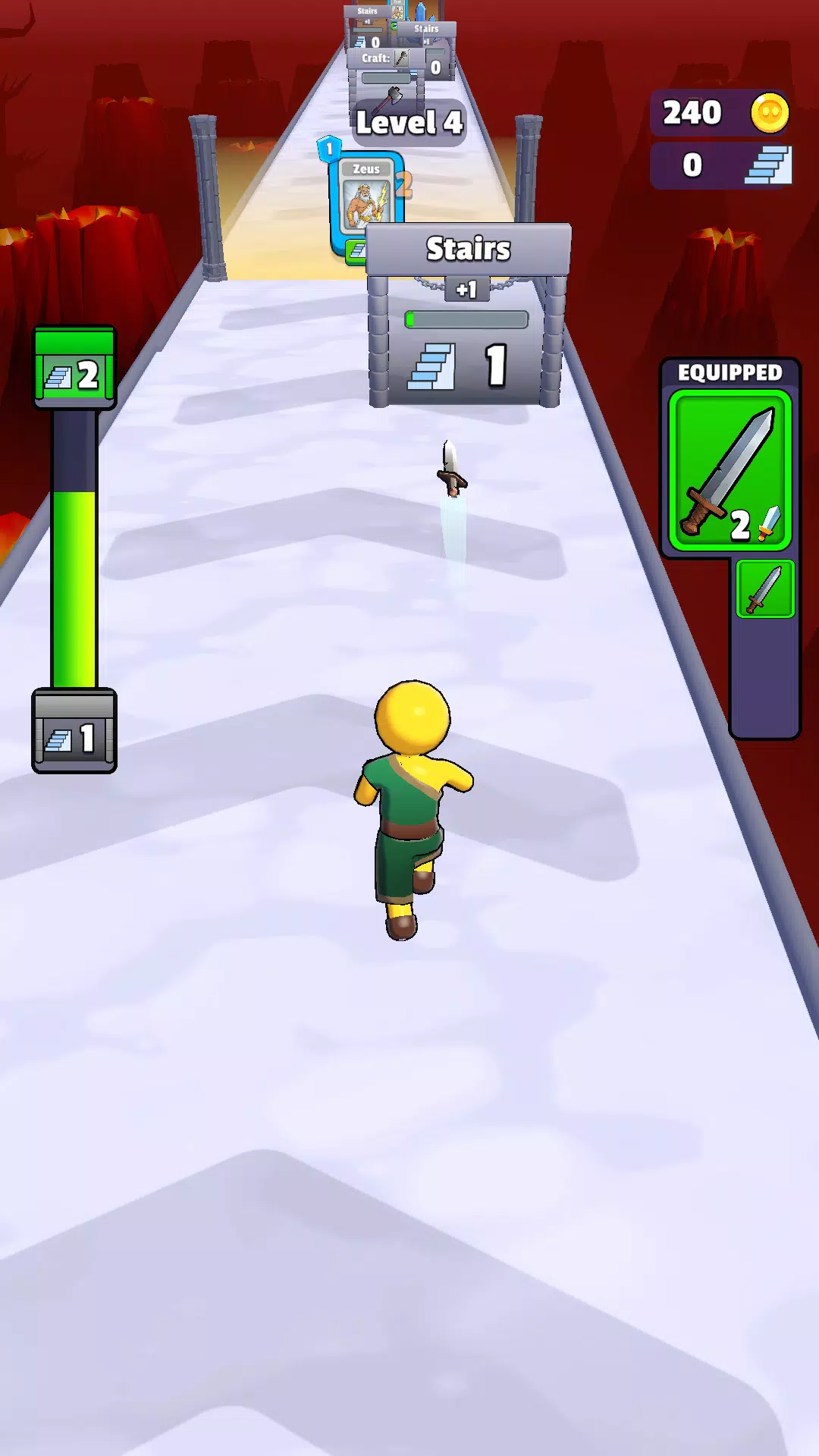
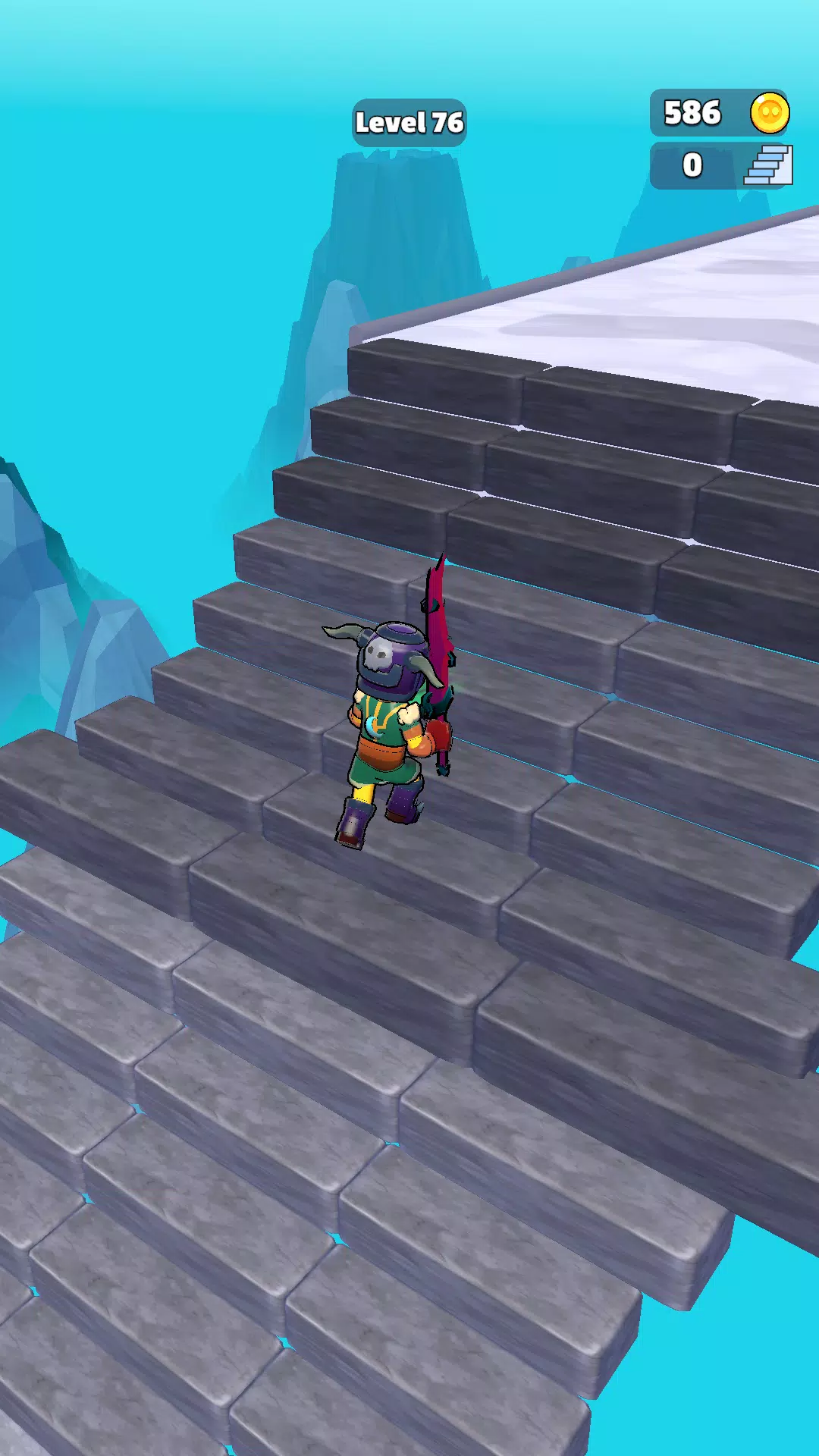
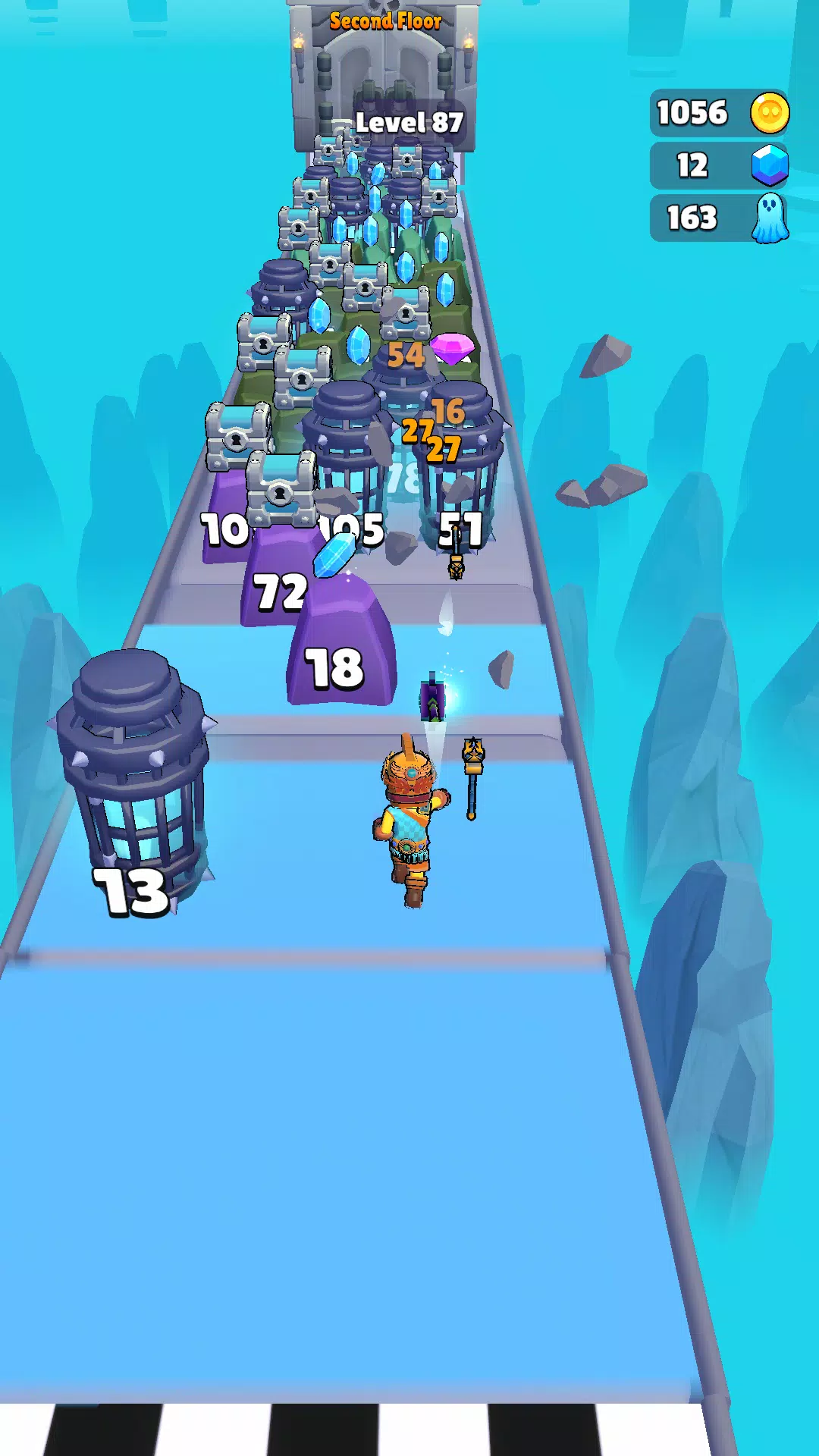
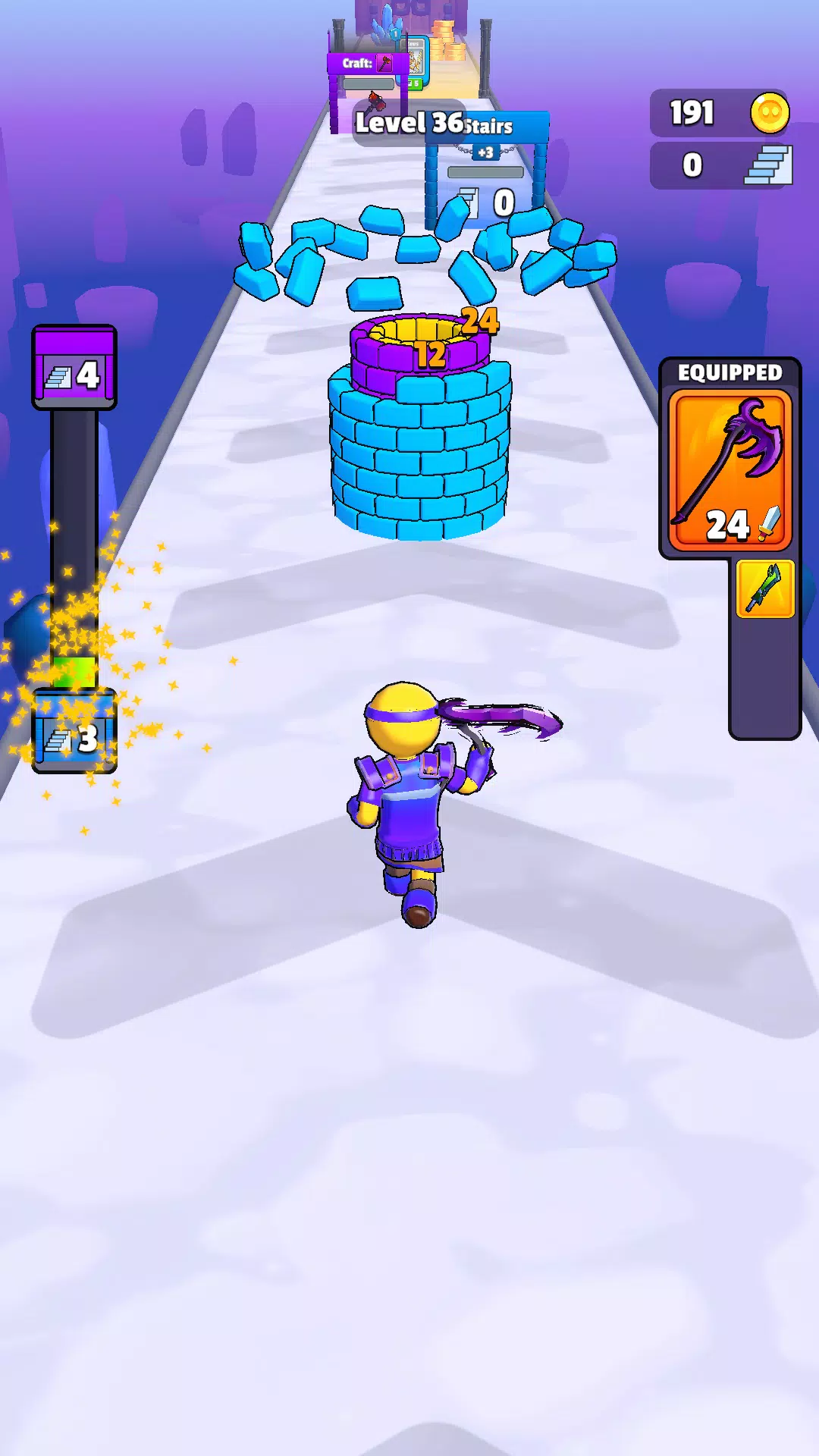
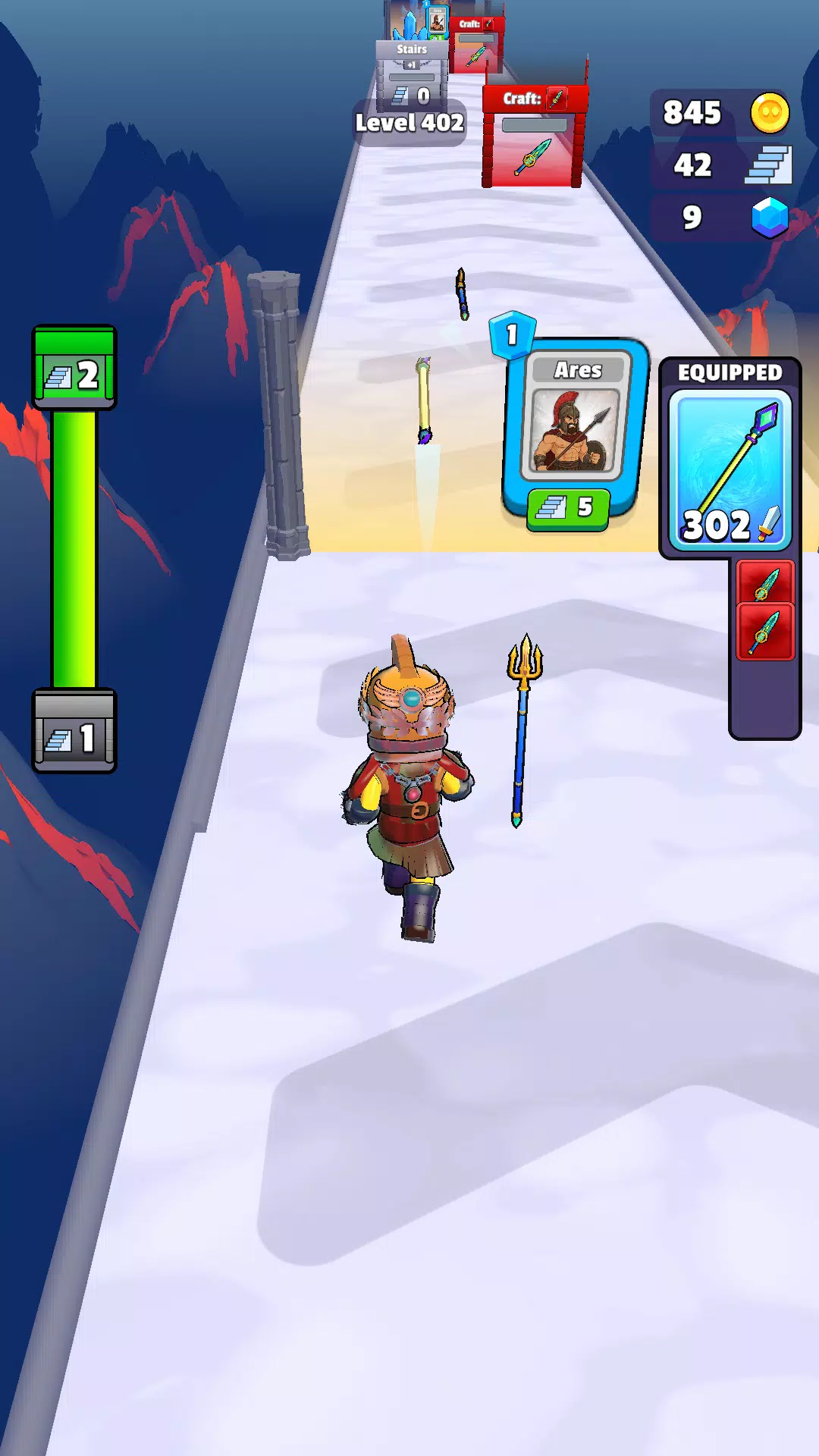
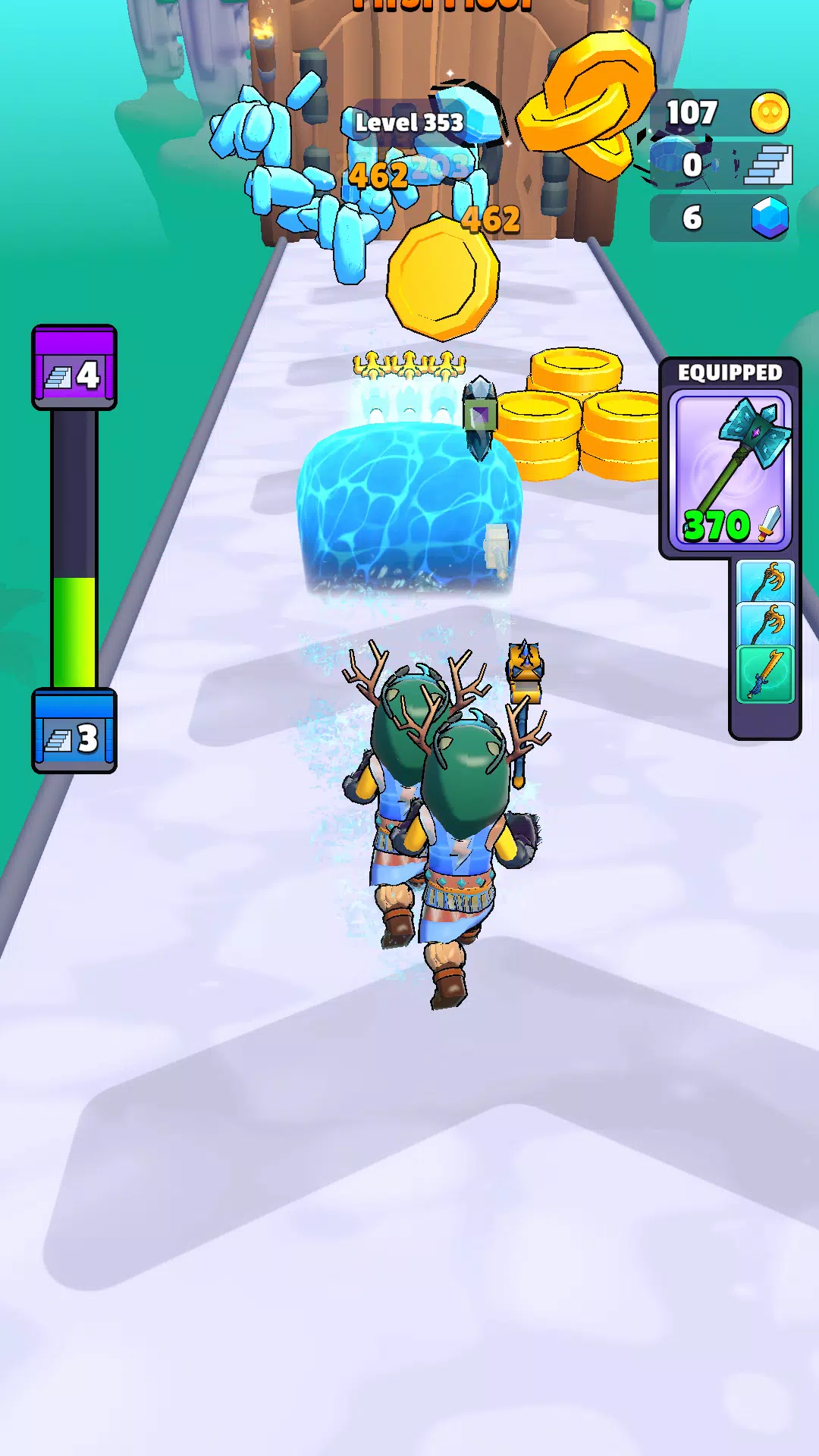
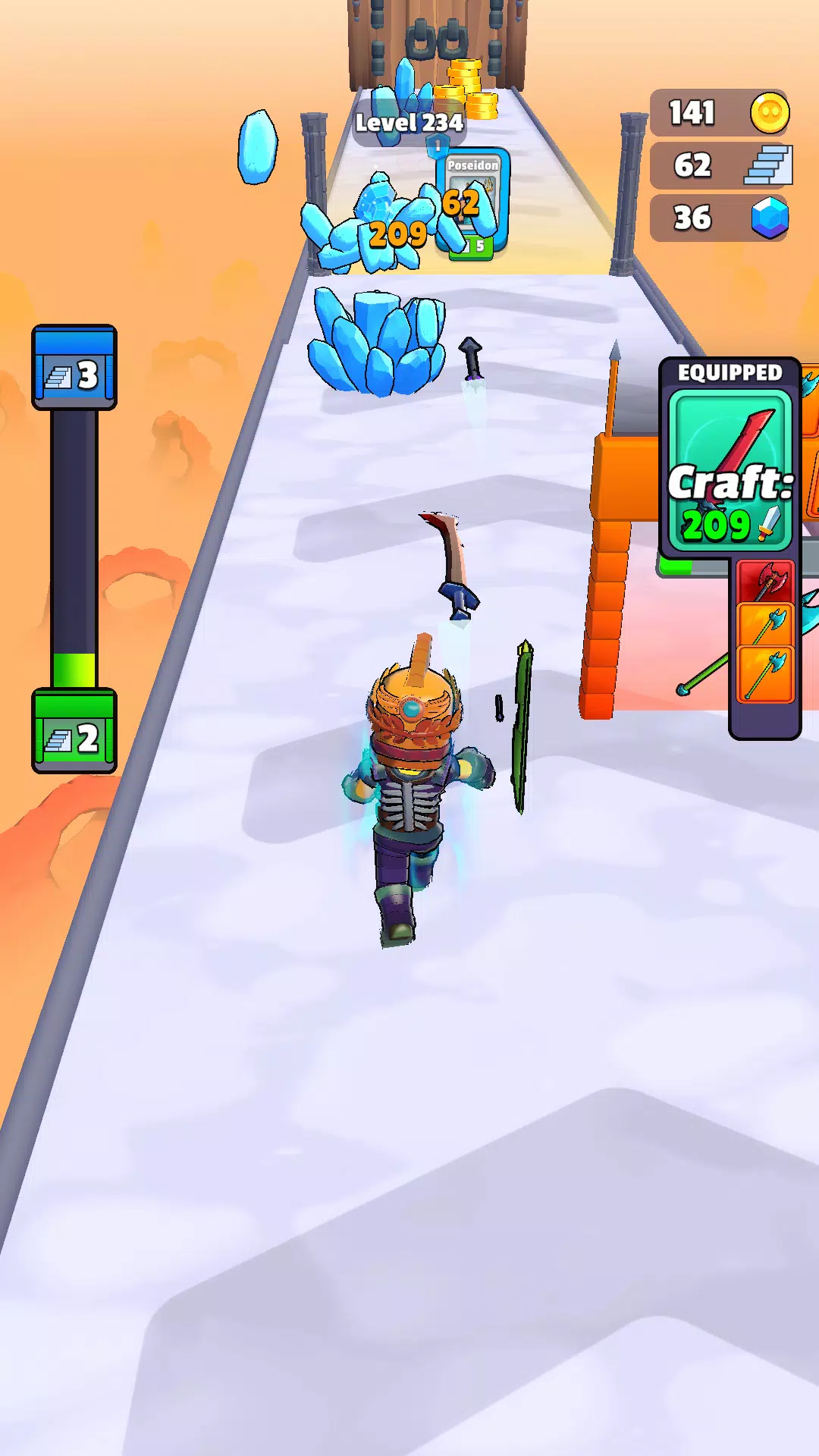
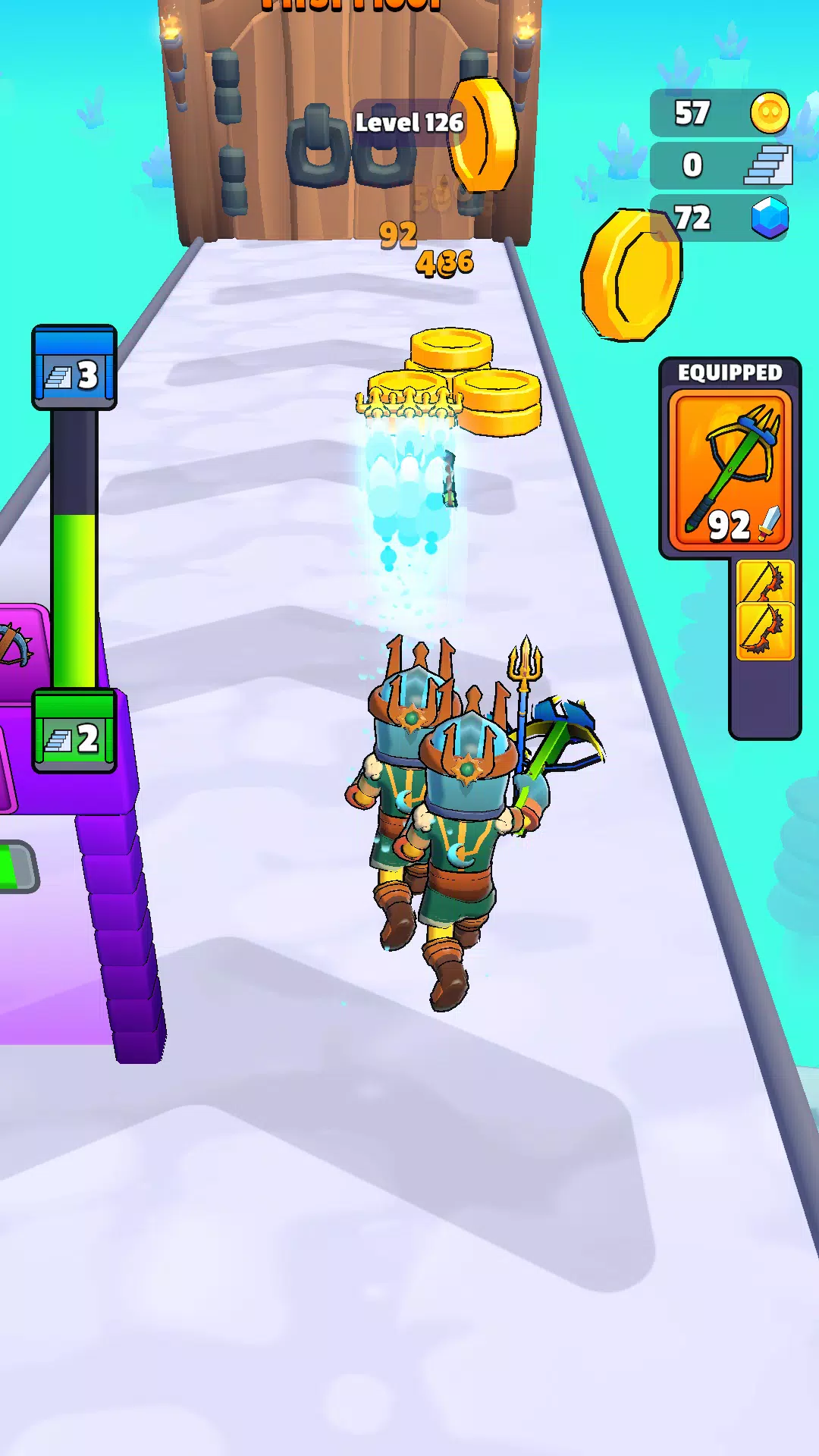

Hell Escape throws players into a collapsing timeline where hell itself mutates across eras, blending fast-paced runner action with persistent character growth. In each short, intense run you sprint through time-twisted environments, confront demons and hazards, and use a mix of mobility and attack skills to survive until the end of the level. The game emphasizes skillful movement, quick decision-making and incremental advancement between attempts so each session feels meaningful even when you only have a few minutes to play.
Gameplay
The core loop in Hell Escape pairs run-based action with light RPG elements. Levels are designed as compact, high-intensity encounters where you dash, slash and chain abilities to move past hazards and enemies. Combat rewards timing and pattern recognition rather than button mashing: you’ll weave offensive combos with defensive dashes, use short cooldown abilities to interrupt foes, and sometimes change shape into more powerful forms to push further into the timeline. Encounters vary by era, so the flow of a run shifts as you move from ancient traps to medieval choke points and into futuristic, hazard-dense arenas.
Controls and Accessibility
Controls are intentionally simple and responsive, built for touch screens with a small set of inputs that map to running, attacking and skill activation. That simplicity supports accessibility: players who prefer one-handed play can still make meaningful progress, while more precise players can exploit advanced timing and movement options. Adjustable control sensitivity, optional on-screen hints for combat patterns, and a clear difficulty toggle make it easier to tailor the experience for different play styles and motor abilities.
Progression and Customization
Hell Escape features a progression system that carries upgrades between runs rather than forcing permanent death without reward. You can unlock persistent stat boosts, new abilities, and evolution paths that alter your base form. Customization focuses on meaningful choices: select which ability trees to invest in, which passive bonuses to prioritize, and which forms suit your play style. Over time you build a toolbox of options that change how a short run feels, enabling experimentation with builds that emphasize speed, survivability, or heavy damage.
Visual Style and Level Structure
The visual presentation mixes stylized, era-inspired aesthetics with readable enemy and hazard design so you can quickly assess threats during high-speed runs. Each timeline—ancient, medieval and futuristic—has a distinct palette, architecture and hazard set, from collapsing stone platforms and cursed relics to mechanized traps and shifting neon corridors. Levels are structured into bite-sized segments that escalate in complexity, with environmental storytelling woven into backgrounds and set pieces that change subtly as you progress through a campaign of collapsing eras.
Replay Value and Offline Play
Replay is central to Hell Escape: short sessions are designed to be satisfying on their own while contributing to long-term growth. The combination of randomized enemy placement, evolving hazards and branching upgrade paths encourages repeated attempts to refine strategies and try new builds. The game is optimized for single-player, local play so you can jump in offline without relying on network features, making it convenient for commuting, short breaks, or longer dedicated sessions.
Challenge Systems and Boss Encounters
Challenge comes from layered difficulty systems that increase enemy aggression, introduce environmental modifiers, and present boss fights that test pattern recognition and timing. Boss battles are focal points that require reading attack cues, exploiting windows to deal damage, and adapting your evolution choices to survive. Optional modifiers let you raise the stakes for better rewards, while a more forgiving mode keeps the experience accessible for players who prefer steady progression over punishing difficulty spikes.
User Experience and Performance
Performance and flow are key priorities: the game targets smooth frame rates and quick load times to keep runs fluid. Menus are kept concise so you can upgrade or change builds between runs without interrupting momentum. Tooltips explain mechanics and synergies clearly, helping new players understand progression while giving experienced players exact information to plan advanced setups. Regular checkpoints in the upgrade tree provide a sense of forward progress even through repeated failures.
Advantages and Limitations
Hell Escape offers satisfying short sessions, distinct era-based environments and a progression system that rewards experimentation, but it also ramps in difficulty and can feel unforgiving to players seeking a slower, more methodical RPG experience. The emphasis on quick reflexes and precise timing makes the game compelling for fans of action-runner hybrids, while adjustable accessibility settings help bridge the gap for less experienced players.