



UrbanHeat
| Package ID: | |
|---|---|
| Latest Version: | v0.1.7 |
| Latest update: | Aug 07, 2026 01:56:05 |
| Developer: | |
| Requirements: | Android |
| Category: | Casual |
| Size: | 489.30 MB |
| Tags: | War Drive Management |
Rating :4.0
UrbanHeat places players in Sunshore, a coastal neighborhood where everyday locations hide favors, secrets and risky temptations; the editor introduction below describes how UrbanHeat blends branching narrative with a sandbox map and choice-driven progression, and it outlines what players can expect from the early-access experience. UrbanHeat is free to download with optional support for earlier access to updates, and the description that follows explains gameplay systems, control conventions, progression and accessibility so you can decide whether this visual novel fits your playstyle.
Gameplay Overview
The core of the experience is a choice-driven visual novel that emphasizes relationships, cause-and-effect and open-ended exploration. You move through a neighborhood of apartments, cafés and streets on your own timetable, triggering scenes by visiting locations, completing job-related tasks or spending favors. Decisions steer who trusts you, who becomes an ally or rival, and which narrative threads remain open; many scenes are unlocked only after specific interactions, and some choices permanently close off alternate routes. The pacing is player-led rather than level-based, so you can linger on character interactions or sprint through plot beats depending on your preference.
Controls and User Interface
The interface is optimized for touch devices and simple taps advance dialogue, open menus and select choices. A context-sensitive hotspot system highlights interactive objects in locations so you can discover triggers without guesswork, and long-press or secondary-tap reveals detailed information or alternate options when available. Navigation between locations uses an on-screen map and quick-travel points that unlock as you explore, keeping movement straightforward while preserving the sense of a lived neighborhood. Dialogue and choice text is presented in readable segments with a backlog and quick-skip for players who want to revisit earlier lines or speed through previously seen scenes.
Progression and Systems
Progress through the story by managing relationships, completing jobs and spending favors to open new content. The jobs and favors mechanic creates resource-like choices: taking on a task can create opportunities with certain characters while raising tensions with others. Progression is not strictly linear—some narrative threads require patience and repeated interactions—so the game rewards experimentation and careful management of your social standing. Early-access builds add new routes and refine how choices branch, with supporters receiving earlier access to some updates.
Visual Style and Presentation
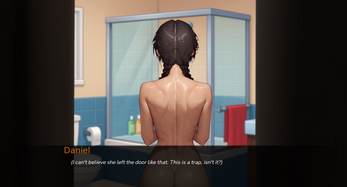
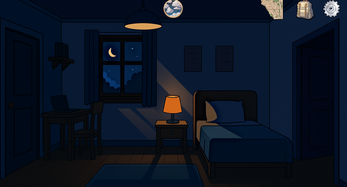
The art direction leans toward moody, coastal realism with character portraits and background art that emphasize atmosphere and emotional nuance rather than explicit imagery. Lighting, color palettes and environmental details change with the time of day and your position in the story, helping scenes feel distinct and grounded. Text layout and portrait expressions are designed to communicate subtle shifts in tone and intent, supporting the narrative focus rather than distracting from it.
Level Structure and Scene Design
Instead of discrete levels, the game uses scenes anchored to locations and character states. A scene may depend on prior events, time of day or your standing with a character, which creates a layered structure where returning to the same place at different times yields new interactions. Events can be scripted, randomized within defined parameters, or locked until specific conditions are met, giving the neighborhood a sense of dynamic possibility without relying on a traditional level progression model.
Customization and Player Choice
Player customization focuses on story choices and the reputation systems that determine which narrative doors open. You can choose dialogue tones, accept or decline favors, and prioritize certain relationships. These choices alter character attitudes and can unlock unique scenes, making personalization a matter of narrative identity rather than cosmetic changes. This approach encourages players to define their preferred style of engagement—confrontational, conciliatory or transactional—and observe the consequences over time.
Replay Value and Challenge
Replayability is driven by branching outcomes and the jobs-and-favors economy; alternate decisions lead to different scenes, closed routes or unexpected tensions. The challenge is primarily narrative and strategic: balancing who to help, which favors to accept, and when to pursue or avoid risky encounters. Because some outcomes are permanent, players who enjoy exploring multiple permutations will find value in replaying to uncover hidden routes and consequences.
Accessibility, Offline Play and User Experience
The game supports offline play for the single-player narrative, allowing progress without constant network access after initial download. Text size adjustments and a simple control scheme improve readability and ease of use, and the development team is actively working to refine localization and grammar for non-native English speakers. Players can report bugs or submit feedback through the in-game options to help prioritize improvements and accessibility updates.
Development and Version Info
The small development team behind UrbanHeat is new to visual-novel projects and focused on iterative improvement through player feedback; they publish updates on a roughly 4–8 week cadence, with the public build currently at 0.1.6 and the early-access build at 0.1.7. The team emphasizes narrative polish, expanded routes and better localization over time, and welcomes constructive reports to help shape future releases.