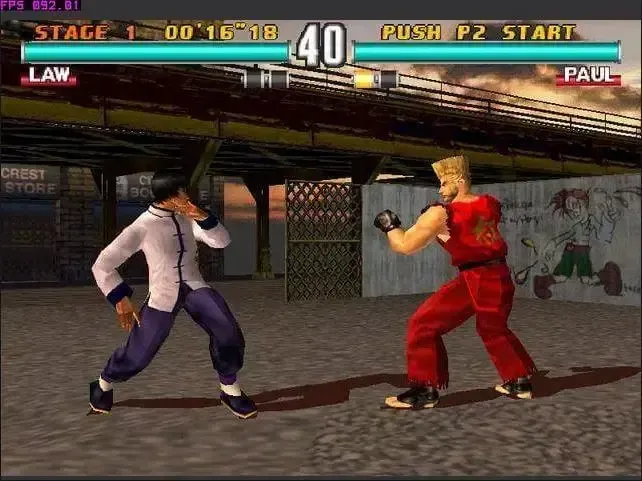
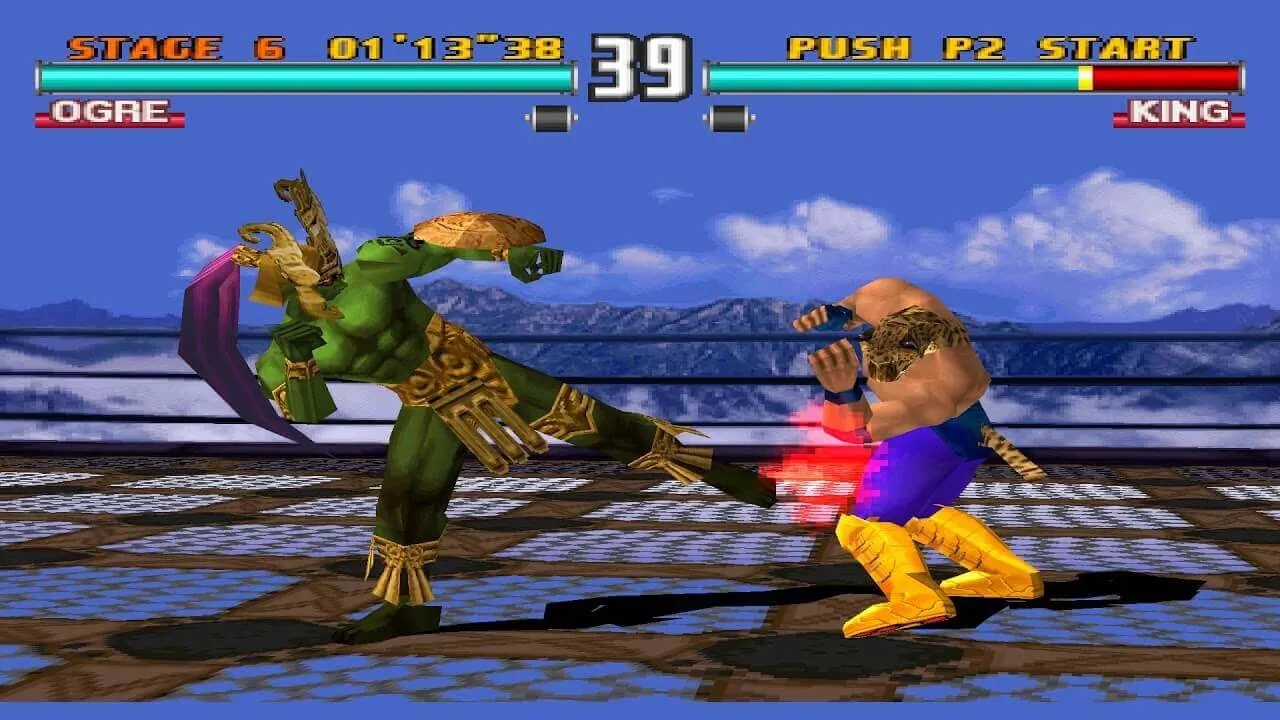
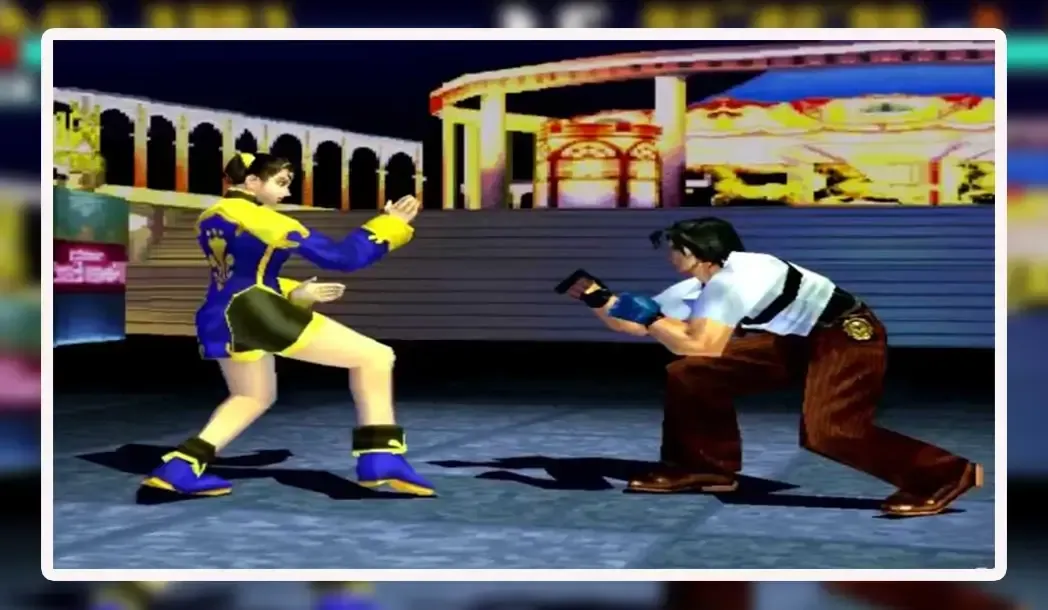
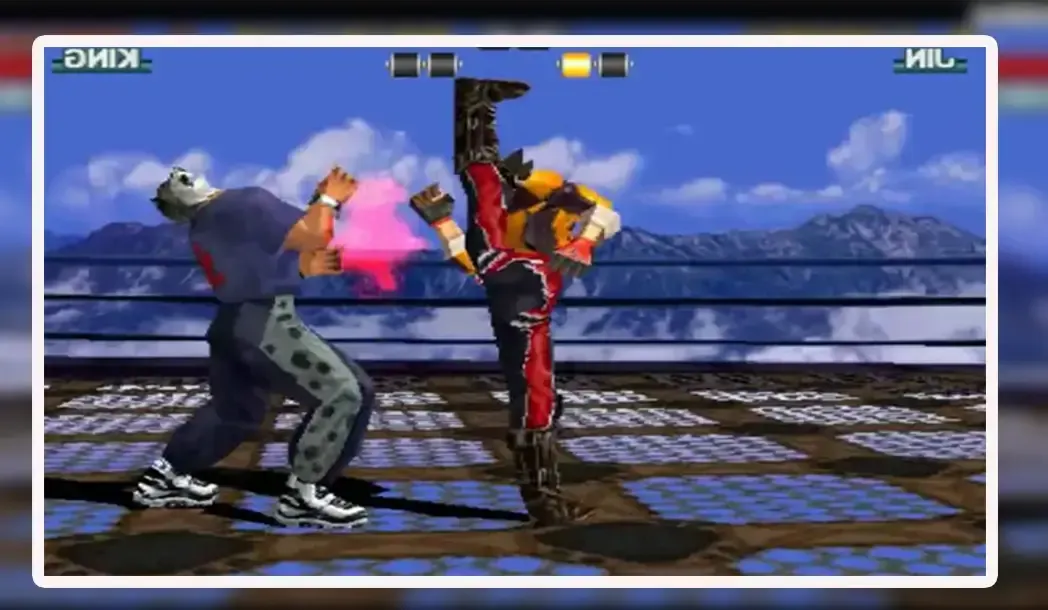

Tekken 3 brings a compact, stage-driven fighting experience to Android with responsive combat and a clean presentation that suits both short bursts and longer practice sessions. The title focuses on approachable match flow: simple inputs let newcomers land basic combos while timing, spacing and character matchups reward players who invest time learning nuances. In Tekken 3 the interface is kept intentionally uncluttered so you can jump into fights, switch stages and adjust controls without digging through deep menus, and in-game tutorials help bridge the gap for new players.
Gameplay mechanics
The core of the experience is one-on-one fighting where spacing, move choice and timing shape outcomes. Attacks are grouped into light, medium and heavy categories with clear cancel windows that create understandable combo paths for intermediate players. Defensive options such as blocking, timed parries and simple recovery moves are easy to grasp, and animation cues make punish windows predictable. Stages are compact enough to emphasize tactical positioning: edges and environmental features influence approach and can shift momentum in a round-based match, so careful play is more effective than button-mashing.
Controls and input
Controls are optimized for touchscreens while supporting two-handed layouts for gamepads or devices with physical buttons. On-screen controls include contextual input sensitivity so short taps register lighter attacks and longer presses trigger stronger moves, while directional swipes influence movement and throw attempts. The mapping is fully editable so you can place buttons where they feel most comfortable, and optional input aids reduce execution demand for beginners. Tutorials walk through basic combos, defensive reactions and movement so players can build muscle memory before taking on tougher AI opponents.
Progression and unlocks
Progression follows a straightforward single-player arc that rewards consistent play without forcing excessive grinding. Winning matches and completing stage objectives unlock additional characters, alternate costumes and small cosmetic stage items that refresh visual variety. Unlock pacing is designed to give a steady sense of advancement: short-term challenges and achievements provide immediate goals while longer objectives encourage mastery of mechanics. A practice mode with adjustable AI behavior lets you rehearse combos and timing before tackling challenge matches that teach deeper systems.
Visual style and level structure
The visual approach blends updated textures and lighting with classic stage layouts so environments remain recognizable while reading clearly on modern screens. Stages range from tight indoor rings to wider outdoor arenas, each shaping sightlines and pacing in different ways. Animated backgrounds and set dressing add atmosphere without obscuring gameplay, and character animations are tuned for readability so hit confirmations and telegraphed moves are visible even on smaller phones, helping players make split-second decisions.
Customization and accessibility
Customization focuses on visual options—alternate outfits, color schemes and minor cosmetic items—rather than gameplay-affecting upgrades, preserving balance across matchups. Accessibility settings include adjustable difficulty, toggleable input assists for newcomers, high-contrast HUD options and scalable control sizes. Players can shorten or skip non-interactive sequences to jump directly into play, and control sensitivity settings help those who prefer precision over speed. These features make the game approachable for different skill levels and device sizes.
Replay value and challenge systems
Replay value comes from mastering character matchups, refining combo consistency and completing optional challenges that alter AI behavior or limit available moves. The game encourages experimentation through a practice lab that offers frame data hints and a combo recorder so you can capture and review sequences. Time attack and survival-style single-player modes present escalating difficulty while remaining self-contained and offline, giving long-term players clear goals that test reaction speed and strategy. Tekken 3 also rewards repeat play with unlockable cosmetic items and achievement milestones that mark progress.
User experience and offline play
The overall user experience prioritizes stability and low-latency input, making the game suitable for offline play on devices without a persistent connection. Menus are organized for quick access to play modes, practice tools and progression trackers so sessions feel efficient and focused. Detailed sound cues and responsive haptics complement visual indicators to reinforce hits and defensive reads, and regular local saves preserve progress and unlocked content so you can resume on the same device without losing advancement. The combination of clear feedback, configurable controls and offline-friendly design makes the app a practical choice for players who want a polished fighting experience on the go.