
The Walking Dead No Man's Land is an official tactical RPG adaptation of the hit franchise that places you in command of a survivor camp and a roster of familiar characters. In The Walking Dead No Man's Land you assemble squads, position units on each map, and upgrade survivors to tackle wave-based assaults and story missions. This editor overview explains the core mechanics, progression systems, interface and what to expect from regular season updates.
Gameplay and Controls
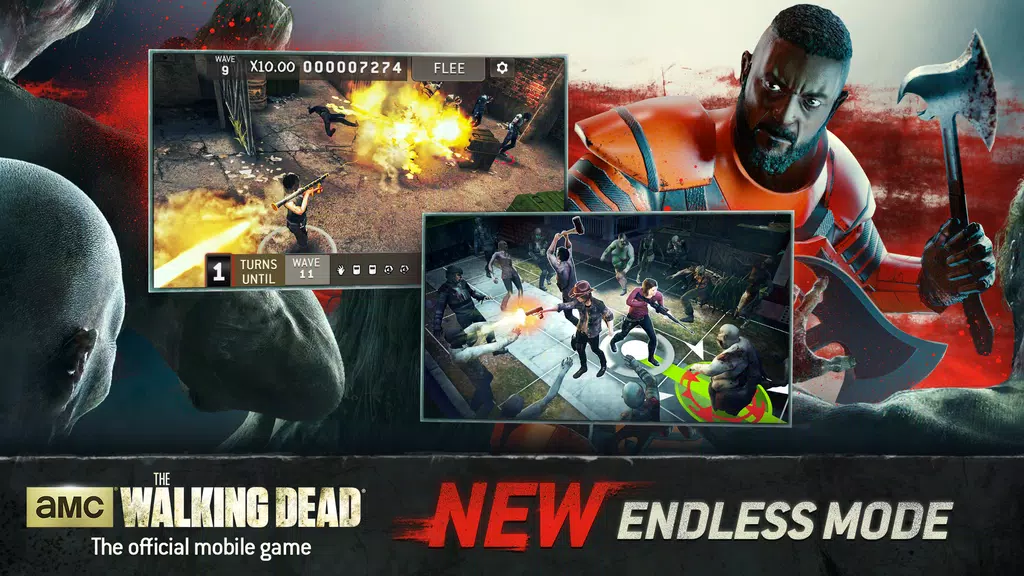
Combat in The Walking Dead No Man's Land is turn-based and location-focused: each encounter emphasizes movement, cover and targeting rather than fast reflexes. Players control individual survivors by tapping or dragging to move and selecting abilities to use against walkers and hostile humans. Levels are designed around choke points, flanking routes and environmental hazards, so positioning and timing matter. Missions range from short tactical skirmishes to longer endurance fights that test squad composition and resource management.
Progression Systems
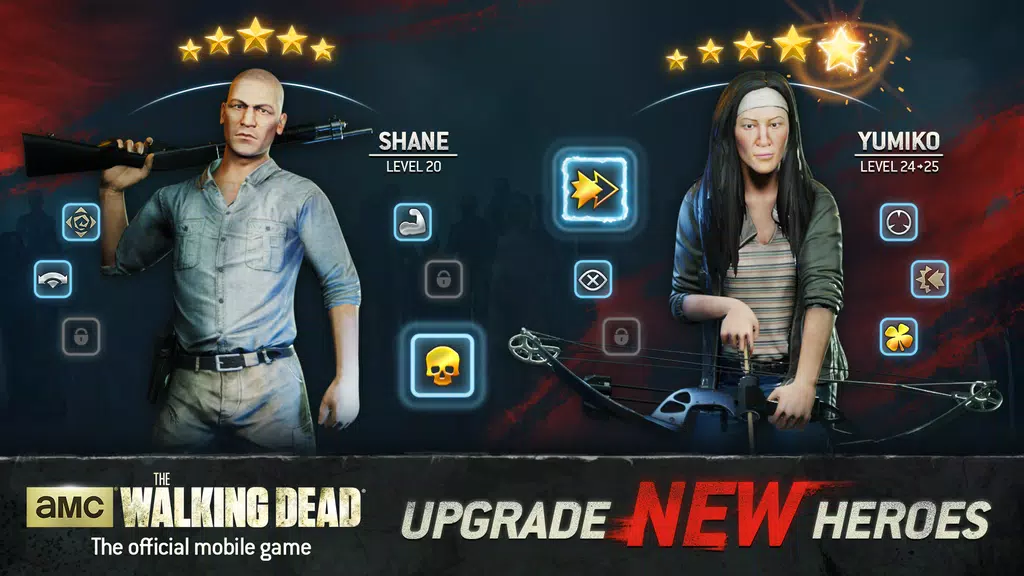
Survivor progression blends character collection with incremental upgrades. Each survivor gains levels, unlockable abilities and star-based promotions that improve base stats and unlock new skills. Gear and consumables further tune performance, allowing you to adapt a squad to a specific encounter. Episodic season content provides time-limited missions and rewards that feed into long-term progression, while story chapters deliver narrative milestones and new characters to recruit.
Customization and Squad Building
Customization focuses on squad loadouts and role balance. Build teams that combine damage dealers, crowd-control specialists and support units to handle different enemy compositions. Loadouts let you prioritize health, stealth, ranged damage or close-quarters resilience. Crafting-wide customization is centered on choosing the right survivors and equipping them for specific maps rather than a cosmetic-only system, keeping decisions meaningful for combat outcomes.
Visual Style and Level Design
The presentation leans on familiar settings from the series, with locations such as Hilltop and Alexandria rendered in a clear, readable style that favors tactical clarity. Character art and animations capture recognizable traits without competing with gameplay readability, and map layouts are constructed to highlight tactical options: roofs, alleys, bottlenecks and open fields each create different challenges. Lighting and audio cues also emphasize danger zones and enemy behavior to support planning and reactions.
Modes, Replay Value and Challenge
The game offers a variety of modes to extend replay value: episodic season missions, story chapters, the Last Stand endurance mode and competitive guild encounters. Difficulty tiers and modifiers let players revisit earlier maps with new constraints for better rewards, and rotating challenges introduce enemy types that require revised strategies. Guild-based content encourages cooperative planning and competitive matches among organized teams, while single-player missions remain the core way to progress survivors and master tactics.
User Experience and Accessibility
The interface is designed for clarity on mobile devices: quick access to squad management, a visible turn order and simple action menus help newer players learn the systems. In-game tutorials introduce movement, cover and ability use in early missions, and combat pacing can be adjusted by selecting mission difficulty or returning to replayable content for practice. Device performance and connectivity can affect experience; some single-player engagements are designed to be playable with intermittent connections, while seasonal and guild features depend on an active online connection.
Controls, Support and Updates
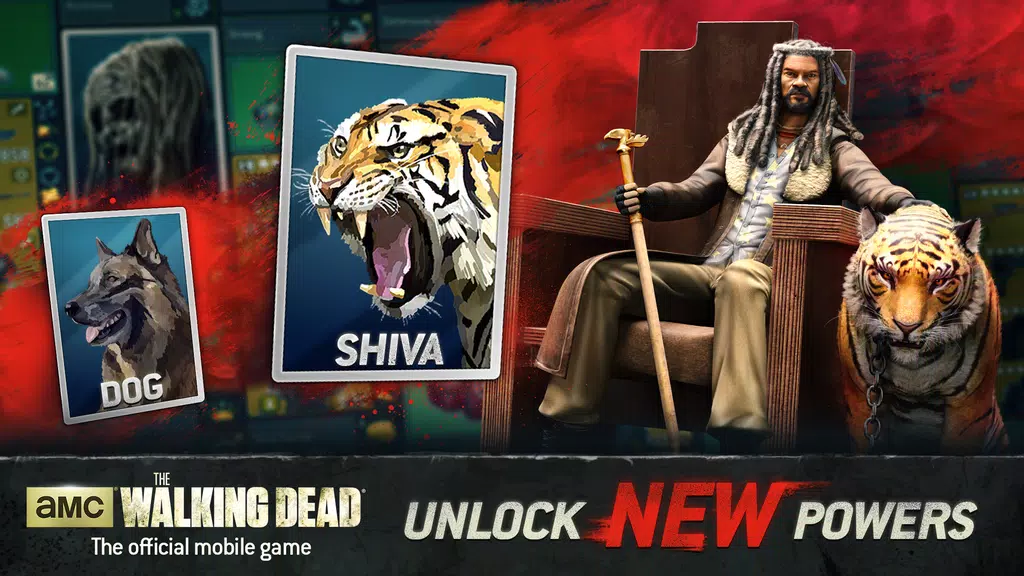
Controls are touch-first with straightforward taps for actions and contextual menus for abilities and upgrades. Regular updates expand the roster with new survivors and balance changes based on community feedback. The Walking Dead No Man's Land continues to receive seasonal content aligned with episodic releases, new characters, and occasional new modes that keep both short sessions and long-term progression compelling for strategic players and fans of the franchise.