
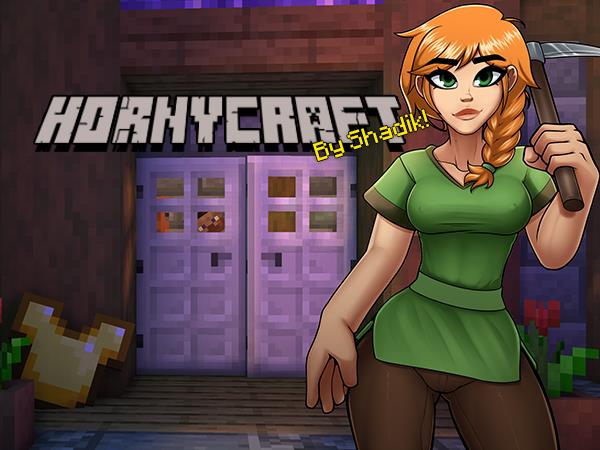
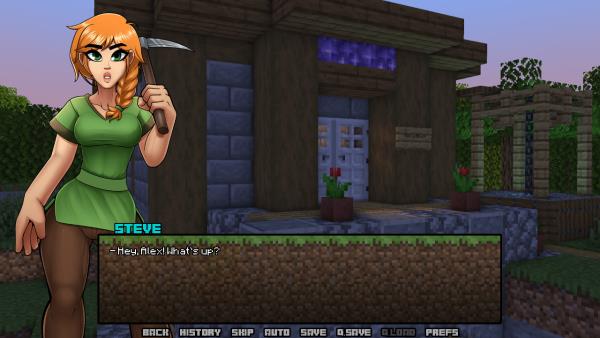
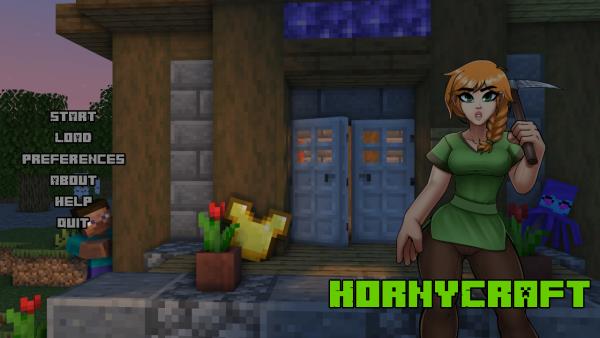

HornyCraft is a compact exploration-focused mobile game that encourages players to set their own goals inside a small, carefully designed world. From the first session the interface promotes simple interactions and experimentation so newcomers can learn at their own pace while experienced players explore deeper systems. HornyCraft balances short, replayable sessions with a steady progression curve, making it well-suited for casual play and quick bursts on the go.
Gameplay and core systems
The core gameplay centers on open-ended exploration and player-led problem solving rather than a tightly scripted story. Movement and interaction rely on a handful of well-integrated systems—environmental tools, context-sensitive actions, and modular mechanics that produce emergent results when combined. Puzzles reward observation and lateral thinking, and many obstacles have multiple viable approaches so the same area can feel fresh when revisited with new strategies.
Controls and interface
Controls are optimized for touch devices with clear, responsive gestures that avoid unnecessary complexity. Players can choose between tap-and-drag navigation or a virtual joystick option depending on personal preference, and contextual taps drive interactions while press-and-hold gestures unlock secondary actions. The interface keeps vital information visible without clutter: concise status indicators, in-context prompts for interactable objects, and accessible customization for input sensitivity and HUD layout.
Progression and rewards
Progression in this game is gradual and player-driven, emphasizing meaningful unlocks rather than sudden power spikes. New mechanics are introduced incrementally, and optional challenges provide deeper mastery for players who want it. In HornyCraft, progression is expressed through modular upgrades and cosmetic choices that change how systems interact, encouraging experimentation while keeping the entry experience approachable for casual sessions.
Visual style and audio design
The visual approach favors clarity and charm over detailed realism so navigation and interaction cues are immediately readable. A compact color palette and intentionally legible geometry help players identify important features at a glance, and environments are crafted to hint at potential uses or hidden routes. Ambient audio and subtle feedback sounds support orientation and reinforce player actions without dominating the moment-to-moment gameplay, while art and audio choices keep resource demands moderate for a wide range of devices.
Level structure and replayability
Levels are deliberately compact and designed around loopable play segments that work well for short sessions. Each area includes multiple paths and optional objectives so returning to a location often reveals new things—alternative solves, hidden items, or different environmental interactions. Difficulty and layout scale with player skill, making it easy to revisit older areas with fresh tactics and find previously inaccessible content, which increases replay value through discovery rather than extended grind.
Customization and player expression
Character-focused customization offers early access to visual personalization and expands with gameplay so players can tailor their in-game presence. Modular upgrades let players adjust how certain systems behave, enabling different play styles without upsetting balance. These options support expression through practical choices as well as cosmetic changes, giving players ownership over both appearance and approach to challenges.
Accessibility, offline play, and performance
The game is built with mobile accessibility in mind: adjustable control schemes, scalable UI elements, and several difficulty options make the experience inclusive for a broad audience. HornyCraft is fully playable offline, allowing short sessions without an internet connection, and performance settings let users reduce visual effects to maintain smooth framerates on older hardware. These considerations help ensure consistent behavior across a variety of devices and user needs.
Challenge design and player experience
Challenge systems emphasize learning and adaptability rather than repeated trial-and-error. Optional encounters test versatility and reward creative solutions with tangible progression benefits, and the pace of new mechanics is moderated so players receive clear feedback and opportunities to practice. The overall user experience aims to be welcoming and focused on discovery, offering a compact, thoughtful world that rewards curiosity and steady mastery.