
My Cruise

| Package ID: | |
|---|---|
| Latest Version: | v1.4.3 |
| Latest update: | Aug 06, 2026 13:57:03 |
| Developer: | |
| Requirements: | Android |
| Category: | Puzzle |
| Size: | 94.35 MB |
| Tags: | Entertainment Board Drive |
Rating :4.2
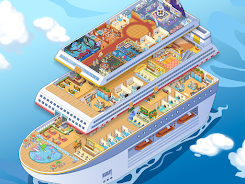
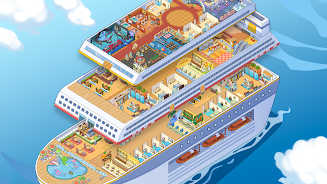
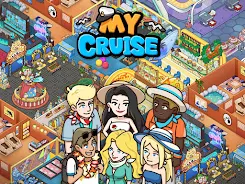
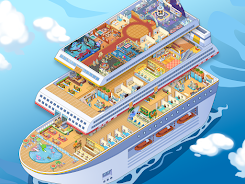
My Cruise places you in command of a growing, seafaring playground where you design, upgrade and sail a luxury liner while managing the needs of curious passengers and the logistics of a floating city. In My Cruise you begin with a handful of cabins and a compact deck and gradually expand public spaces, services and entertainment to raise reputation and revenue. This introduction explains core mechanics, controls, progression systems and what to expect from the user experience so you can decide if the game fits your management-and-simulation tastes.
Gameplay and core mechanics
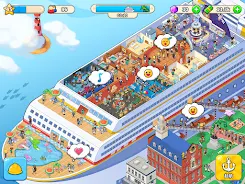
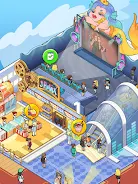
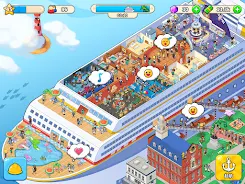
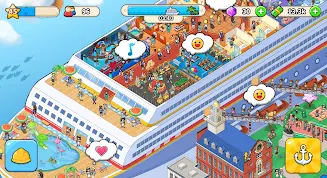
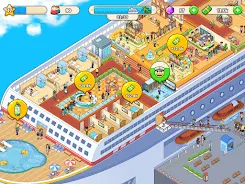
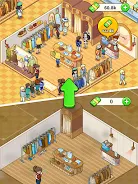
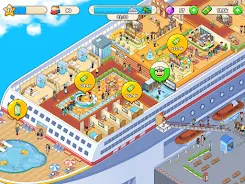
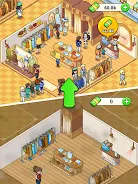
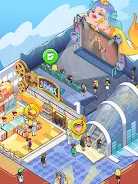
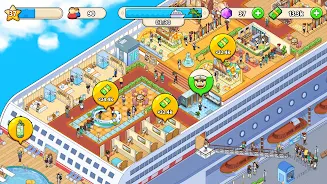
The gameplay focuses on thoughtful layout, efficient upgrades and guest satisfaction rather than fast reflexes. You plan cabin placement, allocate space for restaurants, cinemas, juice bars and practical infrastructure, then balance income and operating costs to fund expansions. Passengers arrive with diverse preferences and generate income through lodging, food and activities; their satisfaction affects reputation and word-of-mouth that bring new visitors. Mechanics are approachable: simple tap-to-select controls, drag-to-place furniture and clear on-screen indicators for capacity, comfort and service coverage make it easy to experiment with different layouts. Day-night cycles and guest arrival patterns create natural rhythm and predictable windows for maintenance and promotional events.
Progression, upgrades and challenge systems
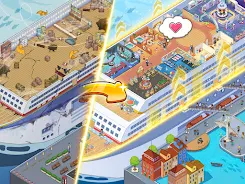
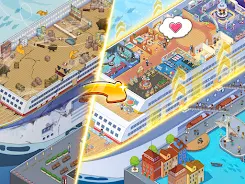
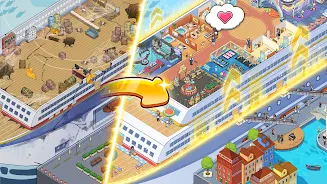
Progression is driven by reputation and resources earned on board. Upgrading cabins and facilities unlocks higher tiers of comfort and new options, while expanding your ship—adding new decks or converting public areas—creates fresh strategic choices. The game presents regular objectives and scenarios such as themed voyages, occupancy targets and seasonal demand spikes that add challenge without introducing complicated micromanagement. Managing costs, timing upgrades and choosing which amenities to prioritize are recurring decisions that influence long-term success. Occasional events require quick rebalancing of services to keep passengers happy and prevent reputation dips.
Controls and accessibility
The interface favors clarity and accessibility: large, readable icons, contextual tooltips and an optional guided tutorial explain mechanics at a comfortable pace. Controls are primarily touch-driven with intuitive gestures for selecting, placing and upgrading items; menus are organized to keep common actions a tap away. Accessibility options include adjustable text size and simplified information overlays so players who prefer a less-dense presentation can focus on core decisions. Autosave and resume functions let you close the game mid-session without losing progress, and the pacing respects play sessions of varying lengths.
Customization, visual style and presentation
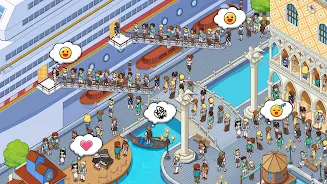
Customization options let you personalize the liner’s look and function by choosing cabin upgrades, decor themes and facility configurations to shape passenger flow and satisfaction. The visual approach is bright and approachable with readable status indicators and a clear top-down or slightly angled view that highlights traffic patterns and facility adjacencies. Icons, color coding and small animation cues communicate performance and guest moods so you can make informed changes at a glance. Decorative touches and upgrade visuals provide a satisfying sense of ownership as the ship becomes more distinct.
Level structure, destinations and replay value
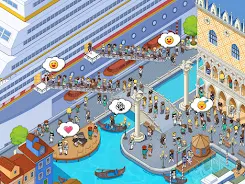
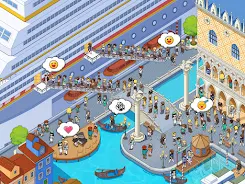
Levels are organized around increasingly ambitious voyages and port calls: each destination introduces new passenger mixes and localized objectives, and offers opportunities to send guests ashore while preparing to welcome fresh visitors. Because upgrades, layout choices and amenity focuses can be combined in many ways, replaying with different strategies creates varied outcomes. The game encourages experimentation with multiple upgrade paths and thematic builds—focusing on luxury suites, family amenities or entertainment-heavy liners yields different revenue profiles and challenges, which boosts long-term replayability.
User experience, offline play and expectations
My Cruise is designed for casual to mid-core players who enjoy steady progression and creative problem solving rather than twitch-based play. The local save system supports offline play so you can manage your ship without an online connection, and periodic objectives and optional challenges provide clear short-term goals alongside longer-term ambitions. If you like constructive planning, steady visual progress and seeing the practical effects of layout and service choices on passenger happiness, My Cruise offers a contained, satisfying simulation to develop and steer.