









Yu-Gi-Oh! Duel Links

| Package ID: | |
|---|---|
| Latest Version: | v8.2.0 |
| Latest update: | Aug 05, 2026 09:44:04 |
| Developer: | Konami Digital Entertainment C |
| Requirements: | Android |
| Category: | Casual |
| Size: | 89.43 MB |
| Tags: | Drive Management Construction |
Rating :4.3
Yu-Gi-Oh! Duel Links brings the classic card-dueling experience from the animated series to mobile devices, offering fast-paced matches, deck-building strategy, and both single-player and online combat in a package optimized for touch screens. In Yu-Gi-Oh! Duel Links players collect cards inspired by the show alongside new additions, build compact, tactical decks, and face AI opponents or real people in short duels that emphasize strategy over long setup times. The app balances accessibility for newcomers with depth for experienced players by focusing on card synergies, timing, and the satisfaction of discovering effective combos.
Gameplay and Mechanics
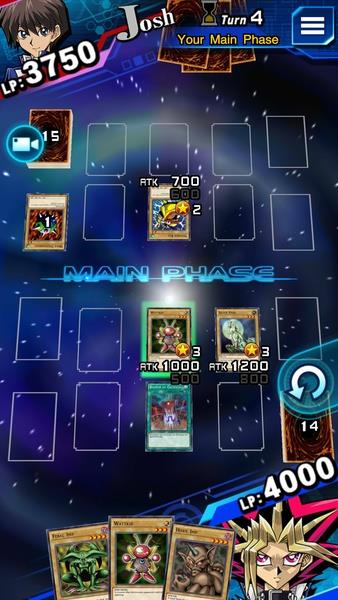
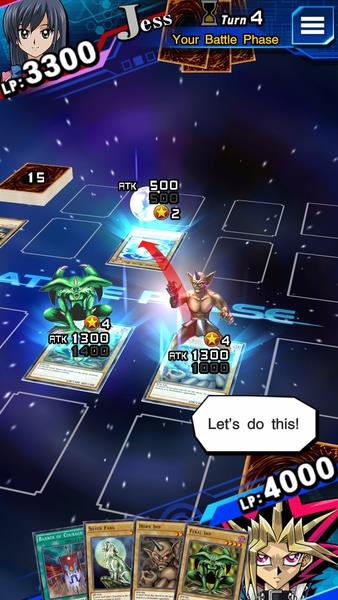
The core gameplay centers on constructing a deck and executing sequences of plays across quick, rules-driven duels. Basic mechanics follow the familiar phases of summoning, setting, and resolving card effects, while Duel Links adapts pacing and field size for mobile play so matches remain decisive and engaging even on the go. Card synergy and resource management—deciding which cards to hold, when to commit monsters, and how to counter an opponent’s board—are central strategic elements that reward planning and experimentation. Matches typically last a handful of turns, which encourages varied strategies from aggressive tempo plays to control-oriented combos.
Controls and Accessibility
Controls are streamlined for touch: dragging or tapping cards to play them, tapping targets to resolve effects, and simple menus to manage decks and collections. The interface is designed to keep important information visible without overwhelming new players; tooltips, clear icons, and guided prompts explain mechanics during early matches. Accessibility options focus on readability and intuitive input—larger text and predictable touch targets help players with limited precision, while visual clarity in card descriptions reduces the cognitive load when building a deck or learning new cards.
Progression and Card Collection
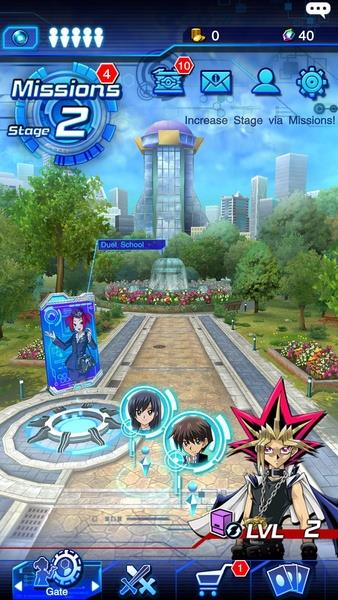
Progression in Yu-Gi-Oh! Duel Links revolves around expanding your card collection and refining your deck. New cards are unlocked through play, allowing steady advancement as you experiment with different archetypes and combinations. The collection-driven progression gives a tangible sense of growth: as you acquire powerful or niche cards, previously unavailable strategies open up, which encourages players to revisit the game and iterate on deck lists. Single-player encounters and curated challenges provide safe spaces to learn before taking decks online.
Visual Style and Presentation
The visual presentation blends the anime’s character-driven aesthetic with a clean, mobile-oriented interface. Card art is crisp and faithful to source designs while playing surfaces and animations are kept streamlined to maintain performance on a wide range of devices. The overall look supports quick recognition of card types and effects, with subtle animations used to highlight important actions without slowing play. Sound design complements visuals with concise cues that signal key events in a duel.
Level Structure and Challenge Systems
Single-player modes and challenge battles are structured to teach mechanics progressively: early encounters introduce core card types and simple tactics, while later opponents present tighter puzzles that require better deck construction and situational awareness. Challenge systems reward players for mastering particular interactions or overcoming themed scenarios, creating bite-sized objectives that improve skill and offer new cards to test. These layered challenges maintain interest by presenting both immediate and long-term goals.
Customization and Deck Building
Deck building is the primary form of customization: players mix and match cards to craft strategies that suit their preferred playstyle. Compact deck sizes and clear deck-management tools make it practical to try multiple builds without undue friction, while simple filters and sorting options help you locate specific cards quickly. The game encourages experimentation—shifting a few cards can change how a deck functions, and discovering a novel combination is a meaningful reward in itself.
Replay Value and User Experience
Replay value comes from collecting new cards, refining decks, and facing different opponents with varied strategies. Matches are short enough to fit into daily routines but deep enough to support repeated play. The user experience emphasizes responsiveness and discoverability: menus load quickly, match flow remains consistent, and learning resources are embedded so players can grow without needing external guides. Occasional content updates expand the card pool and invite players to revisit favorite decks with fresh options.
Offline Play and Practical Considerations
Offline play against AI opponents provides a reliable option when network access is limited, allowing practice and collection progression without requiring online connectivity. Device compatibility and performance optimizations aim to make duels smooth across a wide range of Android hardware, while configurable settings help manage data usage and battery impact during extended sessions. Konami’s handling of the mobile adaptation preserves the franchise’s identity while making the experience practical for mobile users.
About the Developer and Version Notes
Konami developed Yu-Gi-Oh! Duel Links under the official Yu-Gi-Oh license, adapting traditional card duel mechanics for a mobile audience. Updates have focused on broadening the card roster and polishing controls to keep the game accessible and strategically rich, so both newcomers and long-time fans can enjoy evolving decks and fresh tactical challenges over time.