
Dragon Reborn
| Package ID: | |
|---|---|
| Latest Version: | v18.8.10 |
| Latest update: | Aug 05, 2026 07:56:03 |
| Developer: | |
| Requirements: | Android |
| Category: | Strategy |
| Size: | 495.83 MB |
| Tags: | Drive Management Construction |
Rating :4.1
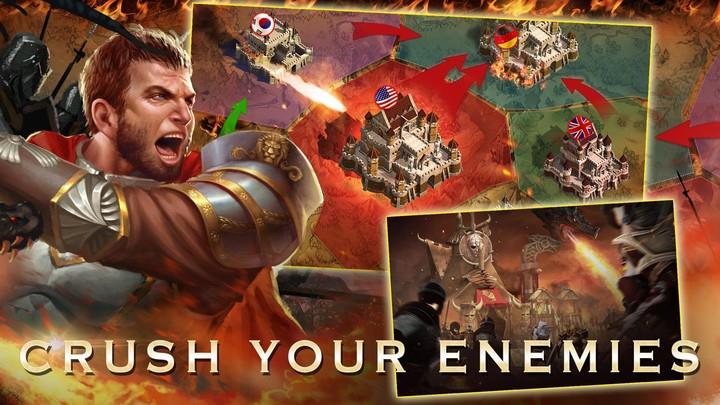
Dragon Reborn is a strategy mobile game that puts you in the middle of a medieval struggle for a vacant throne: raise a dragon companion, develop a stronghold and coordinate troops and alliances to expand your realm. This editor overview describes core systems players will encounter—city building, tactical combat, dragon progression and cooperative play—while clarifying that Dragon Reborn is a game designed for online social strategy with optional single-player content.
Overview
At its core Dragon Reborn blends base management with expedition-style missions and online skirmishes. Players upgrade a keep to unlock production buildings and military facilities, train diverse unit types for battlefield roles, and follow a campaign of missions that reveals new regions on the shared world map. The title emphasizes layered decision-making rather than button-mashing: long-term planning in your stronghold and timely tactical choices in battle both matter for success.
Gameplay Mechanics
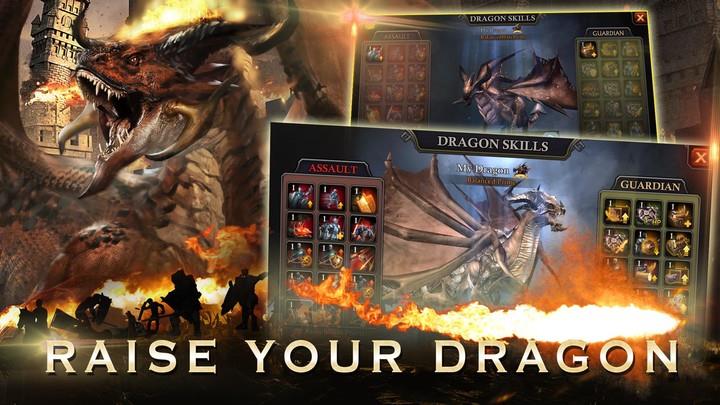
Gameplay is organized around three main systems: the keep, the military, and the dragon. The keep handles resource flow, construction and passive defenses; upgrading buildings opens higher-tier troops and useful bonuses. Combat rewards thoughtful unit composition—infantry, ranged, and siege units each have clear strengths and counters—so preparation and timing influence outcomes in both PvE missions and contested territories. The dragon functions as a hero unit whose abilities and passives grow with experience, allowing players to shape their late-game strategy without making the dragon an instant win button.
Controls and Interface
The interface is built for touch devices with a simplified HUD and context-sensitive controls. Tap to select structures or units, drag to pan the world map and use clearly labeled buttons to queue training or deploy forces. Core actions such as construction queues, research menus, alliance chat and mission logs are grouped for quick access, and an in-game tutorial introduces controls progressively so newcomers can learn mechanics before engaging in online encounters.
Progression Systems
Progression includes base upgrades, a mission tree and dragon growth. Building upgrades increase production and unlock advanced unit types; mission rewards grant resources, equipment and dragon experience; and research branches allow players to emphasize production speed, defensive resilience or offensive power according to their preferred role. The dragon levels up through combat and quests, and players can allocate resources to expand its skill set and cosmetic options without upsetting core balance.
Level Structure and Challenge
Missions are arranged in a campaign with escalating objectives and optional side-quests that grant useful rewards. The world map features skirmish zones and contested territories that create dynamic challenges where alliances must defend or contest holdings. AI-controlled rival lords introduce varied encounter types—ambushes, sieges and staged boss battles—so that planning, scouting and adaptation remain valuable as difficulty increases.
Customization and Visual Style
Customization covers visible layers such as dragon appearance, equipment, banners and base decor. Visual design leans on medieval fantasy motifs with readable unit models and atmospheric effects that keep combat legible on mobile screens. Cosmetic options let players express individuality while maintaining competitive balance, since most gameplay outcomes depend on strategy and progression rather than looks alone.
Alliance Play and Social Features
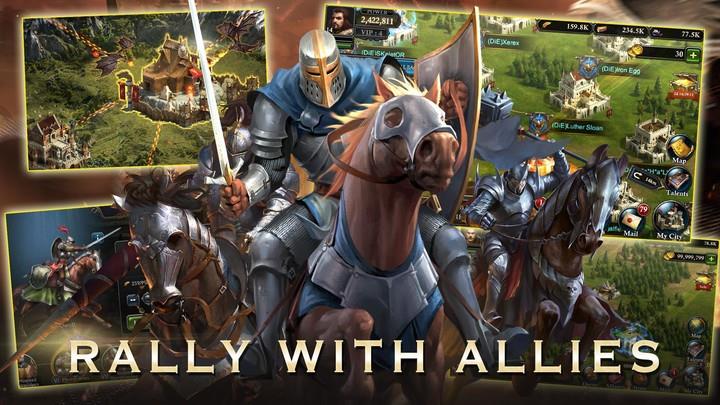
Alliance mechanics support cooperative play: members can share territory, coordinate timed assaults and set defensive priorities for shared strongholds. Built-in chat and simple coordination tools help groups plan sieges and resource sharing. Social systems emphasize teamwork—coordinated timing, role assignment and shared upgrades often decide control of contested regions—while preserving accessible coordination for smaller, casual groups.
Replay Value and User Experience
Replay value comes from branching campaign paths, multiple strategic approaches to base and army development, and the social dynamics of alliance-driven conflicts. Regular quests and optional objectives create short- and long-term goals that encourage returning to the game, and the combination of solo progression with cooperative encounters keeps the experience varied. The UI is designed to remain approachable as complexity increases, so veteran strategies and new player conveniences coexist.
Connectivity, Monetization and Offline Play
The game requires a stable internet connection for multiplayer and alliance features; limited single-player campaign content and the introductory tutorial may be available offline in reduced form. Monetization is handled through optional in-app purchases that accelerate convenience or provide cosmetics; core strategic mechanics remain playable without purchases and major competitive advantages are tied to progression rather than payment.
Accessibility and Challenge Systems
Dragon Reborn includes accessibility-minded options such as adjustable HUD scale, a paced tutorial and UI simplification settings that let players reduce micromanagement when desired. Difficulty ramps through mission design, AI behavior and contested world events so players can find a preferred level of challenge while learning new tactics and alliance coordination over time.
Who Should Play
This title is suited to players who enjoy city management, tactical battles and cooperative strategy. If you like guiding a growing hero unit, planning army compositions and working with allies to control territory, Dragon Reborn offers layered systems and steady progression that reward thoughtful planning, social coordination and adaptive tactics.