

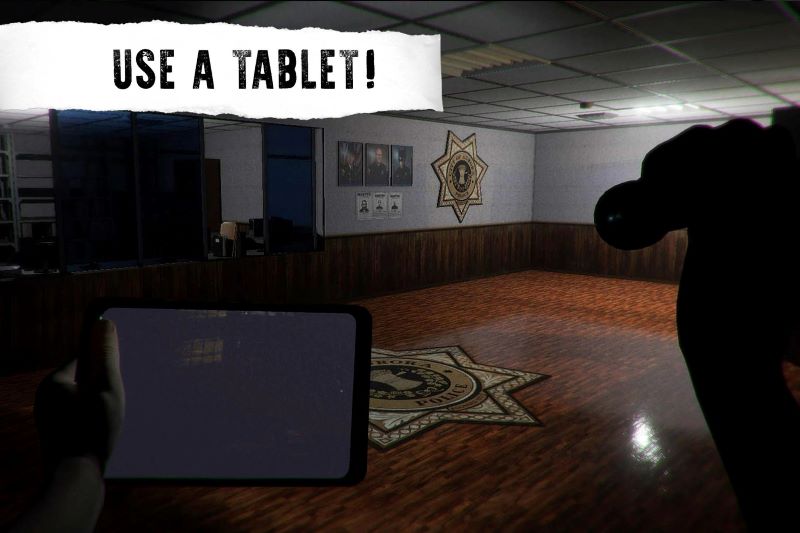
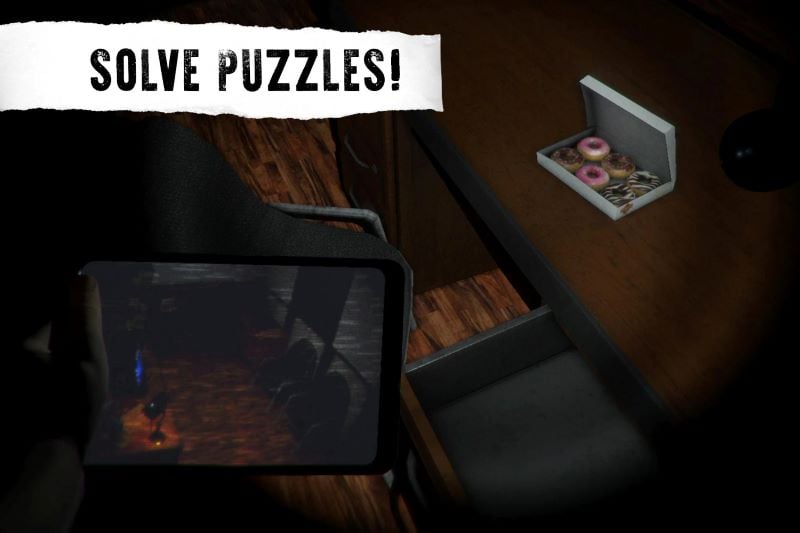


CASE: Animatronics throws players into a tense first-person horror role-playing experience as Detective John Bishop, investigating a police station that has been plunged into darkness after its electrical systems were hacked. The game centers on careful observation, limited resources and a tablet-based security feed that forces you to split attention between exploration and surveillance. CASE: Animatronics builds its tension through environmental clues, stealth decisions and sudden enemy encounters rather than overt gore, creating a focused investigative horror that rewards patience and deduction.
Key Features of CASE: Animatronics
The core loop combines exploration, camera surveillance and puzzle-solving: you move through a shadowed, realistic police station while monitoring a noisy tablet feed of security cameras to spot threats and identify clues. A limited flashlight with a narrow beam restricts your field of view and encourages cautious movement, while collectible items and environmental notes gradually reveal the backstory of the facility. Hostile metal animatronics with unsettling visual details and unpredictable behavior serve as mobile hazards, producing jump scares and high-tension encounters that punctuate quieter investigative moments. The APK variant discussed here also references a modified version that advertises options like unlimited life and added rewards for a more forgiving playthrough; that alternate build may change balance and challenge compared with the original release.
Gameplay and Controls
Gameplay emphasizes stealth, timing and the smart use of surveillance tools. Typical mobile controls let you move in first-person, interact with doors and terminals and aim your flashlight; context-sensitive prompts guide interactions so you can focus on the mystery rather than complex input. The tablet interface or in-game camera map lets you switch between feeds, zoom in on static cameras and track enemy movement patterns from a distance. Because visibility is limited, sound cues and camera feedback are central to surviving encounters, and learning how animatronics react to noise or light becomes an important tactical layer.
Progression and Level Structure
Progression is investigation-driven rather than level-based: new areas open up as you collect clues, solve environmental puzzles and piece together how the blackout occurred. Puzzles vary from logic-based tasks to finding and combining objects, and the sequence of discoveries unlocks locked rooms and previously inaccessible corridors. Collectibles serve both narrative and practical functions by revealing backstory and sometimes granting tactical advantages, such as access to equipment or routes that make subsequent exploration easier. The pacing encourages methodical play, with each new section introducing fresh environmental challenges or surveillance opportunities.
Visual Style and Sound Design
The presentation leans on moody lighting, realistic textures and restrained color palettes to sell a lived-in police station atmosphere. Sound design plays an outsized role: the tablet feed carries static, distant clanks and occasional mechanical breaths that hint at nearby danger, while ambient silence is used to heighten the impact of sudden movement or a jump scare. Animatronic models emphasize metallic surfaces and menacing silhouettes rather than graphic detail, helping the game maintain tension through suggestion and timing rather than explicit imagery.
Enemy Behavior, Challenge and Replay Value
Enemies in CASE: Animatronics behave with a degree of unpredictability that makes encounters tense and memorable. Their movement patterns and triggers are designed to reward observation — learning patrol routes and camera blind spots is often the key to survival. The game can create steep difficulty spikes for players who rush; conversely, players who take time to explore and collect items will find more tools to manage threats. Replay value comes from returning to previously explored areas to pick up missed clues, experimenting with different stealth approaches and testing how alternative item choices alter progression and survival odds.
Accessibility, User Experience and Offline Play
The title is structured as a single-player, narrative-focused experience that can be enjoyed offline, making it suitable for play without a persistent internet connection. Controls are kept straightforward for mobile devices, and players can improve comfort by adjusting device brightness and using headphones for clearer audio cues; check the in-app settings to fine-tune sensitivity and audio levels for a better fit. The interface balances realism and usability by keeping essential tools like the tablet feed and inventory accessible without breaking immersion, and brief tutorials help new players get accustomed to the surveillance-and-stealth rhythm.
For players who appreciate investigative horror with an emphasis on atmosphere, methodical exploration and technical surveillance mechanics, CASE: Animatronics offers a focused experience where every camera feed and clipped audio cue can change the outcome of an encounter. The blend of puzzle-solving, environmental storytelling and tense animatronic confrontations makes it a compelling single-player title for fans of slow-burn horror and detective-style gameplay.