UNO Wonder delivers the classic UNO card-matching experience with a fresh cruise-themed single-player campaign and new tactical layers. UNO Wonder opens with familiar rules — Reverses, Draw 2s and the rush to call UNO — then adds nine Wonder cards that change how a hand is played, along with a progressive voyage across dozens of cities and hundreds of scenarios. This editor introduction explains what to expect from the campaign, controls, progression, visual presentation and long-term replay value so you can decide if the game fits your solo play style.
Key Features
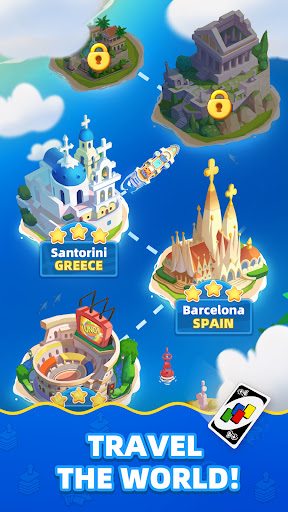
UNO Wonder blends authentic UNO rules with new action mechanics and an extended single-player structure. You’ll encounter the standard suite of card actions alongside nine Wonder cards (examples include Wild Skip All and Number Tornado) that alter turn order, affect multiple cards at once, or create temporary rule shifts. The campaign is cruise themed: 14 routes link hundreds of unlockable cities such as Barcelona, Florence, Rome, Santorini and Monte Carlo, and collectible destination stickers track progress and unlock cosmetic rewards. Over 3,000 levels and periodic boss battles provide a long sequence of increasingly tactical puzzles and timed encounters, while offline support and the ability to pause and resume matches make the game convenient for travel.
Gameplay and Controls
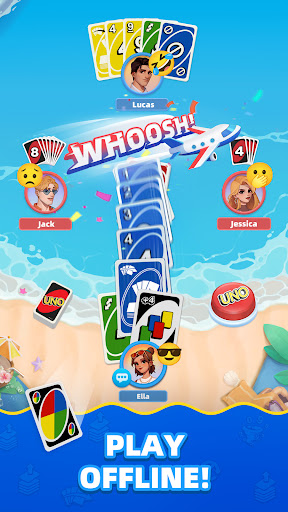
Gameplay remains centered on hand management and timing. Matches are played in rounds where you match color or number, use action cards to disrupt opponents or clear your hand, and adapt to the new Wonder cards that introduce multi-card effects and creative combos. Controls are streamlined for touch devices: tap to play a card, tap the draw area to draw, and drag to inspect card details; contextual prompts help with UNO declarations and special card interactions. A built-in tutorial covers traditional moves and steps you through the Wonder mechanics, so new concepts are introduced gradually rather than all at once.
Progression and Level Structure
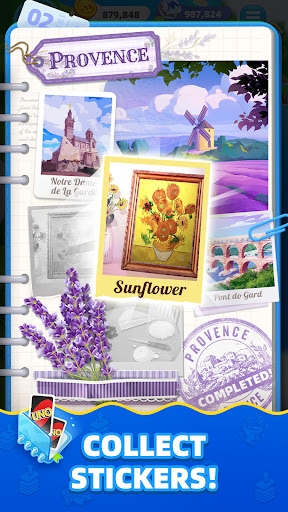
The single-player campaign is structured into routes and stages that increase in difficulty and variety. Each route represents a set of themed levels with unique conditions, modifiers and occasional boss challenges that test your ability to adapt to fresh mechanics. Levels are designed with short quick-play objectives and longer, more involved encounters so you can enjoy single matches or extended sessions. Rewards come from completing stages and collecting stickers to fill an album, which provides a visible sense of advancement as you move from port to port across the cruise map.
New Mechanics and Challenge Systems
Wonder cards are the core of the new strategic depth: they can change card priorities, force altered discards, or create area effects that influence multiple turns. These mechanics encourage adaptive play rather than rote repetition of classic strategies. Boss battles are presented as puzzle-like encounters where the deck composition or special rules are modified to create focused challenges; overcoming them requires planning, resource conservation and the intelligent use of Wonder cards. The large number of levels and gradual introduction of mechanics make the learning curve approachable while preserving meaningful long-term challenge for players who enjoy mastering nuanced interactions.
Visual Style and Customization
UNO Wonder uses a vibrant visual style that emphasizes a relaxed cruise atmosphere and clear card readability. Backgrounds change with each destination, showcasing stylized cityscapes and seascapes that provide visual variety without distracting from the table. Cosmetic rewards — including collectible stickers and unlockable card backs or themes — let you personalize the presentation of your deck and album. Customization focuses on aesthetic options and visible progression rather than gameplay advantages, keeping the challenge level consistent while giving players a sense of ownership over their campaign progress.
User Experience, Accessibility and Offline Play
The experience is tailored for mobile convenience: matches can be paused and resumed, and the game supports fully offline play so you can continue the campaign without an internet connection. Accessibility options include adjustable text size and color contrast settings to help players with different visual needs identify cards and game prompts more easily. The interface aims to be clear and minimal, with contextual help and an optional step-by-step tutorial mode for players who prefer guided learning. Controls and UI are designed for one-handed play on phones as well as larger tablet layouts.
Replay Value and Who It’s For
UNO Wonder is built for players who enjoy single-player card puzzles with evolving rules rather than a strict simulation of the classic game. Replay value comes from varied level modifiers, the large pool of stages, collectible items and the strategic depth introduced by Wonder cards. If you like classic UNO mechanics but want additional tactical options and a campaign that marks progress with collectables and boss encounters, UNO Wonder offers a measured expansion of the formula while keeping the core gameplay intuitive and accessible.