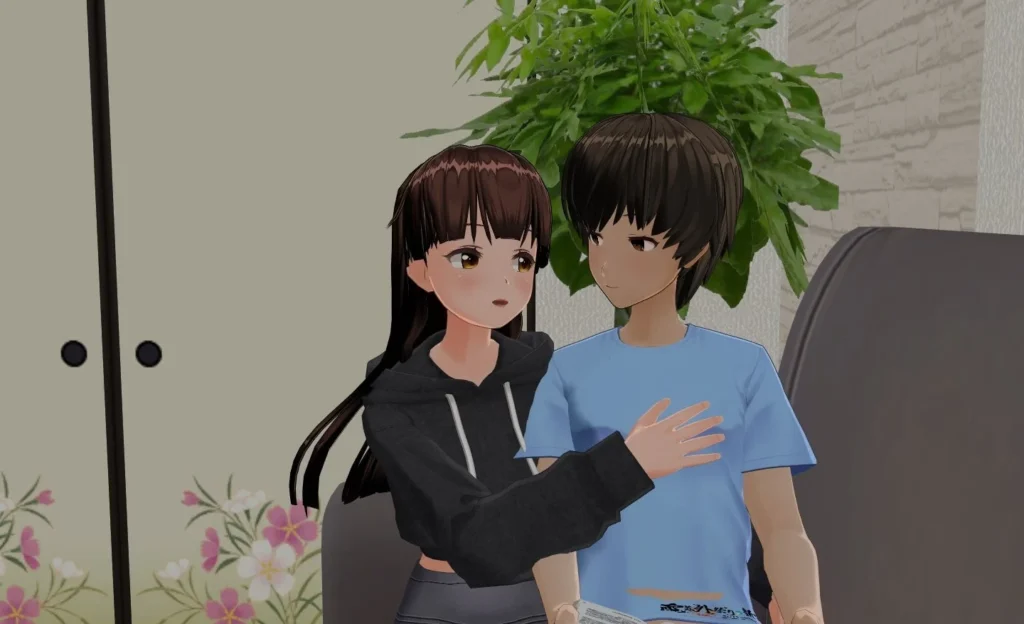
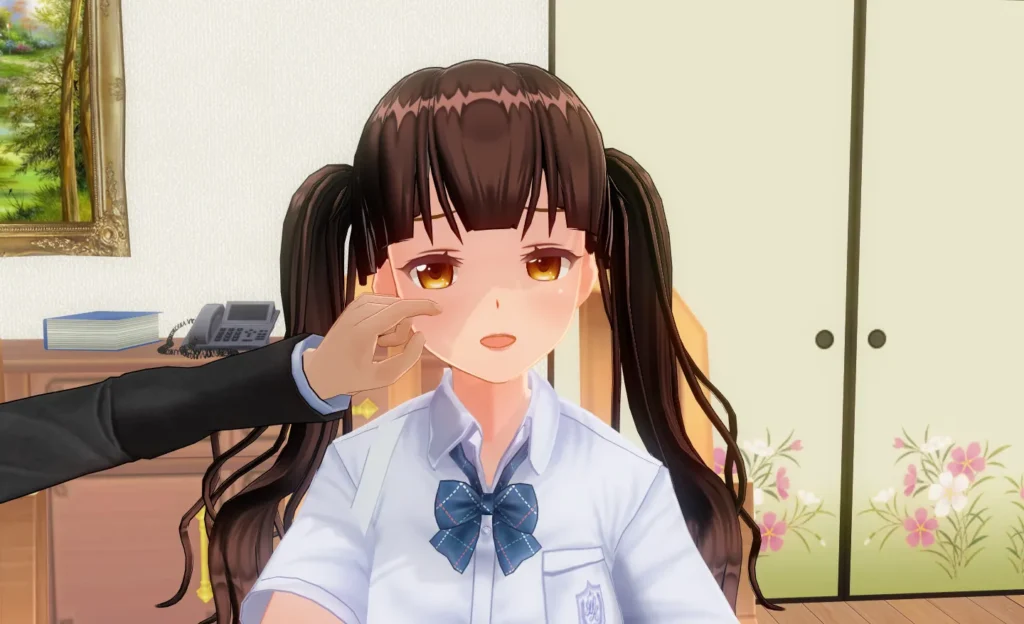
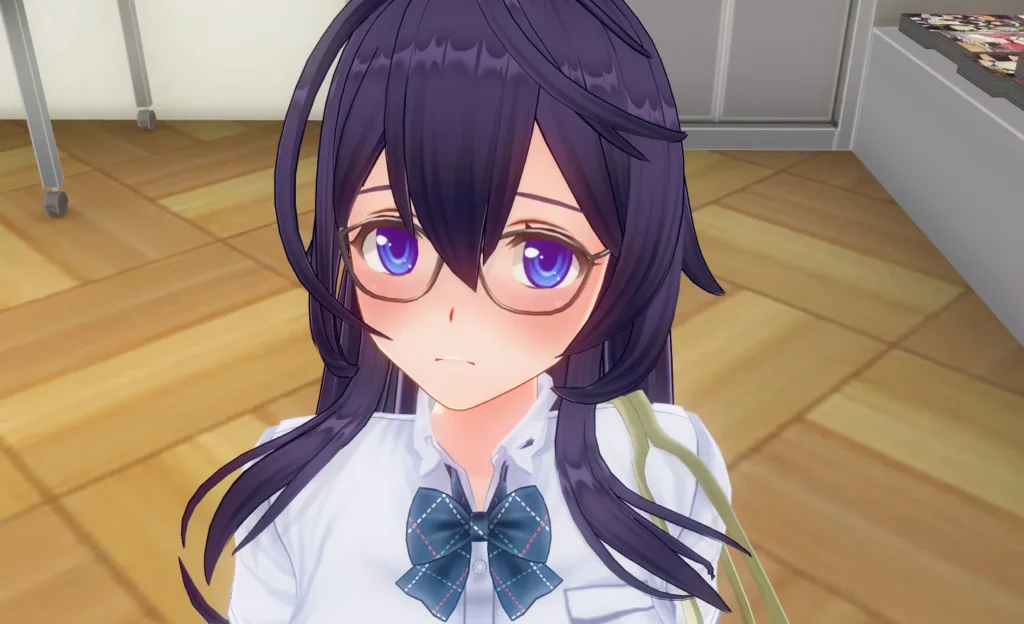

The Ruined Bloom is a narrative-driven visual novel game that places you in the center of a tense family drama. The Ruined Bloom follows protagonist Yuu Kanata as he makes consequential choices to protect a loved one named Misaki, and the description below outlines the gameplay systems, presentation, and current scope without revealing key plot points or spoilers.
Key Features
The Ruined Bloom offers a branching narrative where player decisions shape character relationships and story outcomes. Choices are presented at clear decision points and lead to distinct narrative branches rather than randomized results, which emphasizes consequence over chance. The current build (version 0.5.8) includes a compact campaign with optional mature scenes that are presented responsibly as consenting-adult content and are not central to the game’s themes. The developer has stated plans to expand the number of endings and add new scenes in future episodic updates.
Gameplay and Controls
Interaction follows the classic visual-novel model: tap or click to advance dialogue, select from on-screen responses at branching moments, and use an in-game menu to save and load progress. The interface supports touch controls on mobile and mouse input on desktop, with keyboard shortcuts available on desktop builds for faster navigation. Auto-advance and skip features let readers move through text at their own pace, while a choice history and fast-travel between major checkpoints make it easy to revisit recent decisions without replaying entire chapters.
Progression, Structure and Replay Value
Progression in The Ruined Bloom is entirely narrative-driven rather than level-based. The story is organized into episodes that conclude with major outcomes; earlier choices can unlock unique scenes later, so multiple playthroughs reveal additional emotional beats and character backstory. Save slots and checkpointing allow experimentation with alternate paths while preserving long-term progress. Replay value is rooted in piecing together relationships and motives through repeated sessions rather than mastering mechanical systems.
Customization and User Options
Text and display options let players tailor the reading experience: adjustable text size, variable text speed, and toggles to show or hide character names and dialogue boxes are available for cleaner gallery captures or more immersive reading. A minimal UI keeps the focus on writing and portraits, and future updates intend to expand customization, including additional text and visual options to suit different reading habits and capture preferences.
Visual Style and Presentation
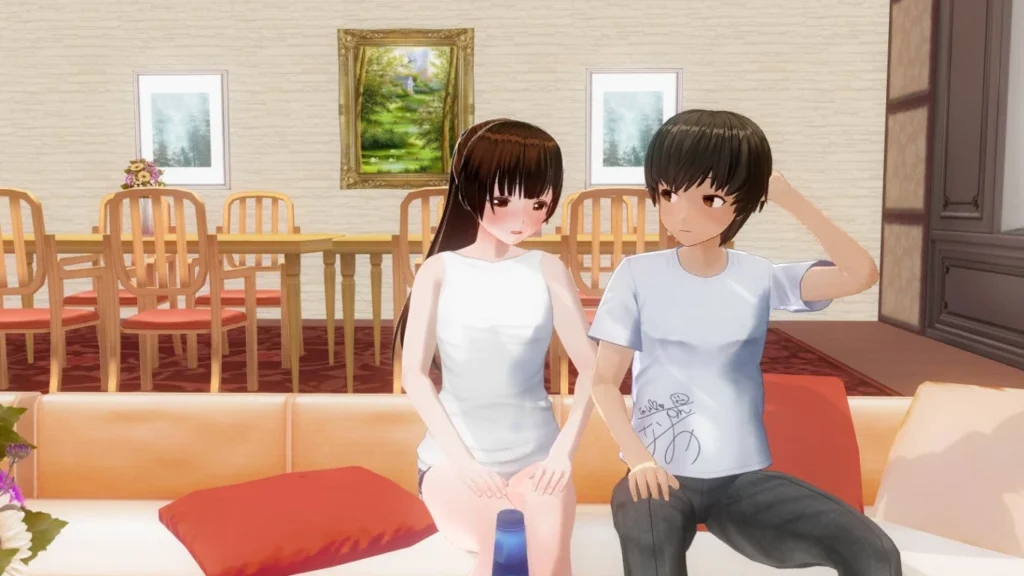
The Ruined Bloom uses expressive 2D character portraits, event images, and hand-drawn backgrounds to reinforce the story’s somber and introspective tone. Event CGs and changing facial expressions communicate emotional shifts during key scenes rather than relying on overt graphic content. Music and ambient sound are used sparingly to support atmosphere, with an emphasis on subtle cues that highlight writing and character interaction. The art direction favors a subdued palette to match the game’s dramatic focus.
Accessibility and User Experience
Design choices prioritize readability and comfort: high-contrast text boxes, adjustable font size, and an auto-advance mode are included to accommodate different reading preferences and visual needs. The UI is intentionally uncluttered so readers can concentrate on narrative content, and built-in features like choice history and quick checkpoint travel reduce friction when exploring alternate routes. Offline play is supported after installation so the experience does not require a persistent network connection.
Development, Support and Current State
The Ruined Bloom is an indie project from CungDuts Games that follows a creator-led roadmap of episodic updates and community-informed improvements. Patch notes accompany releases to explain fixes and added content, and the team is focusing on expanding branching endings, adding new scenes, and polishing UI details over time. As an early release (version 0.5.8), players should expect a limited amount of content and some rough edges in animation and interface, but the core narrative systems and save functionality are in place to support exploration and replay.