



Special Case places you in the shoes of Leon, an ordinary man pulled into a web of intrigue after a controversial new law reshapes his hometown. This narrative-driven adventure focuses on investigation, careful decision-making and character interactions as Leon becomes the reluctant assistant to an old-school private detective. Special Case sets a steady, atmospheric pace where each clue and conversation can alter the course of the story and change Leon’s prospects.
What to expect
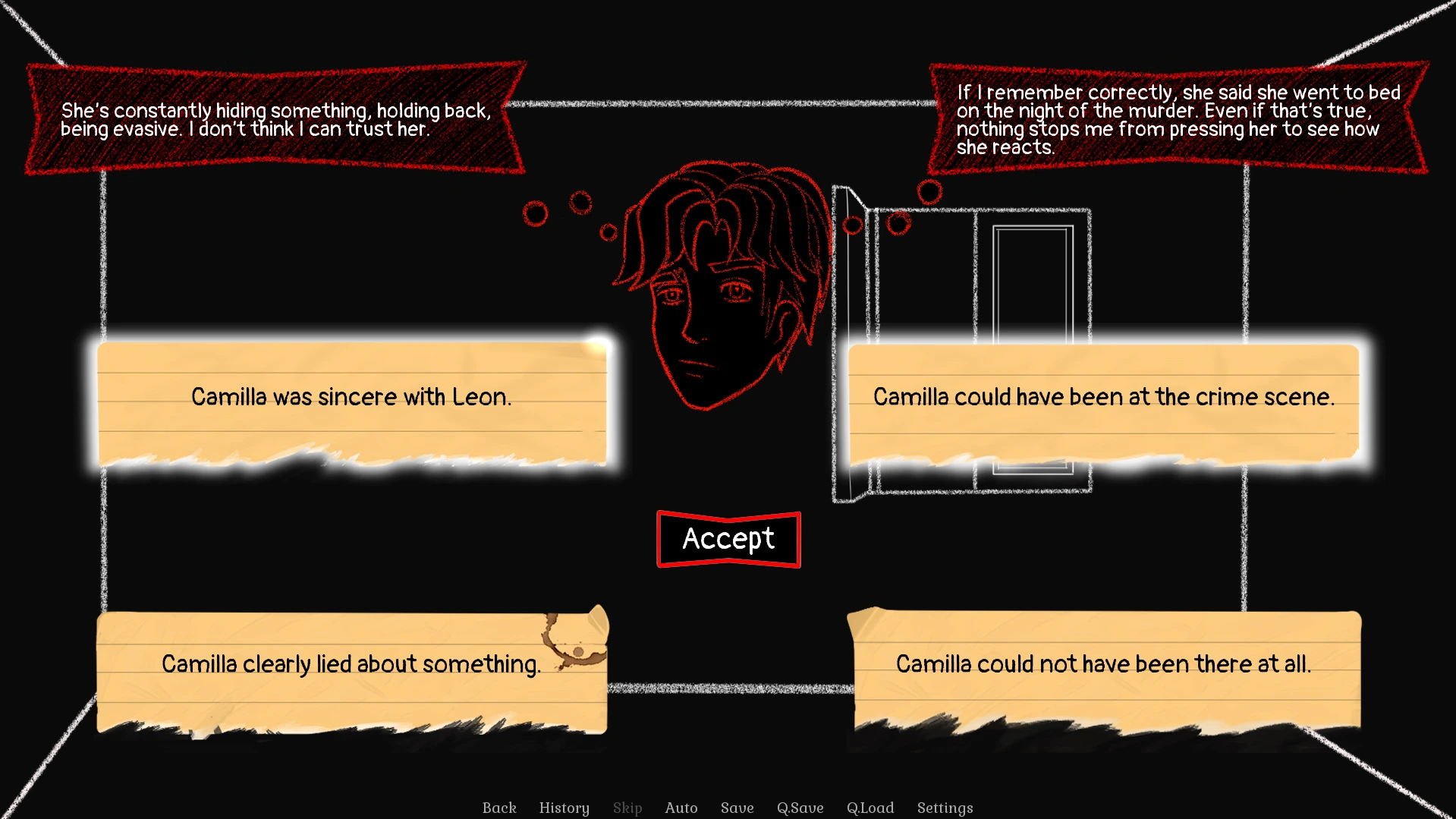
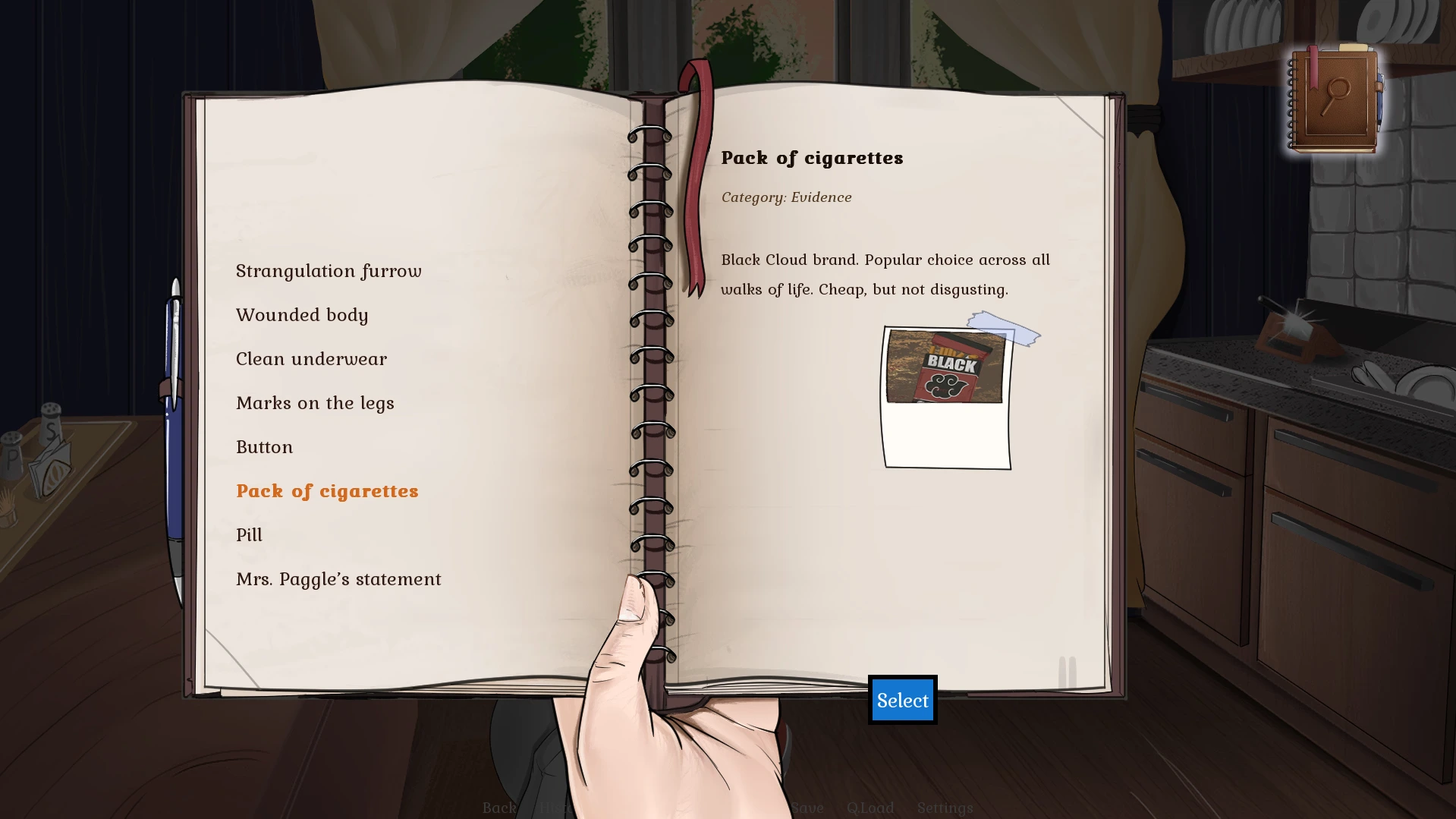
The game is built around a sequence of distinct cases that are explored through investigation, dialogue and environmental interaction. Players examine scenes, collect clues and compile evidence into a casefile that informs later choices. Conversations use branching options that reveal new leads or increase risk; some choices open side paths while others close them permanently. The design emphasizes consequence and uncertainty, so paying attention to detail and revisiting locations can reveal new outcomes as the plot unfolds.
Gameplay mechanics and controls
Special Case uses straightforward touch-first controls designed for mobile devices: tap to inspect objects, hold to examine details, drag to navigate a caseboard and tap dialogue choices to progress. The interface keeps the casefile, map and clue log accessible from the main screen so players can cross-check information without breaking immersion. Investigation segments combine careful observation with light puzzle elements—matching testimony to evidence, deducing timelines and piecing together inconsistencies to unlock the next lead.
Progression and structure
Progression is case-driven rather than level-based: the story advances through a sequence of self-contained but narratively linked investigations. Each case introduces new locations, non-player characters and objectives, with optional tasks that deepen worldbuilding and character relationships. A checkpoint and save system lets players return to the story at key moments, while early access labeling indicates the current release (version 0.1) may expand with additional cases and refinements in subsequent updates.
Visual style and sound
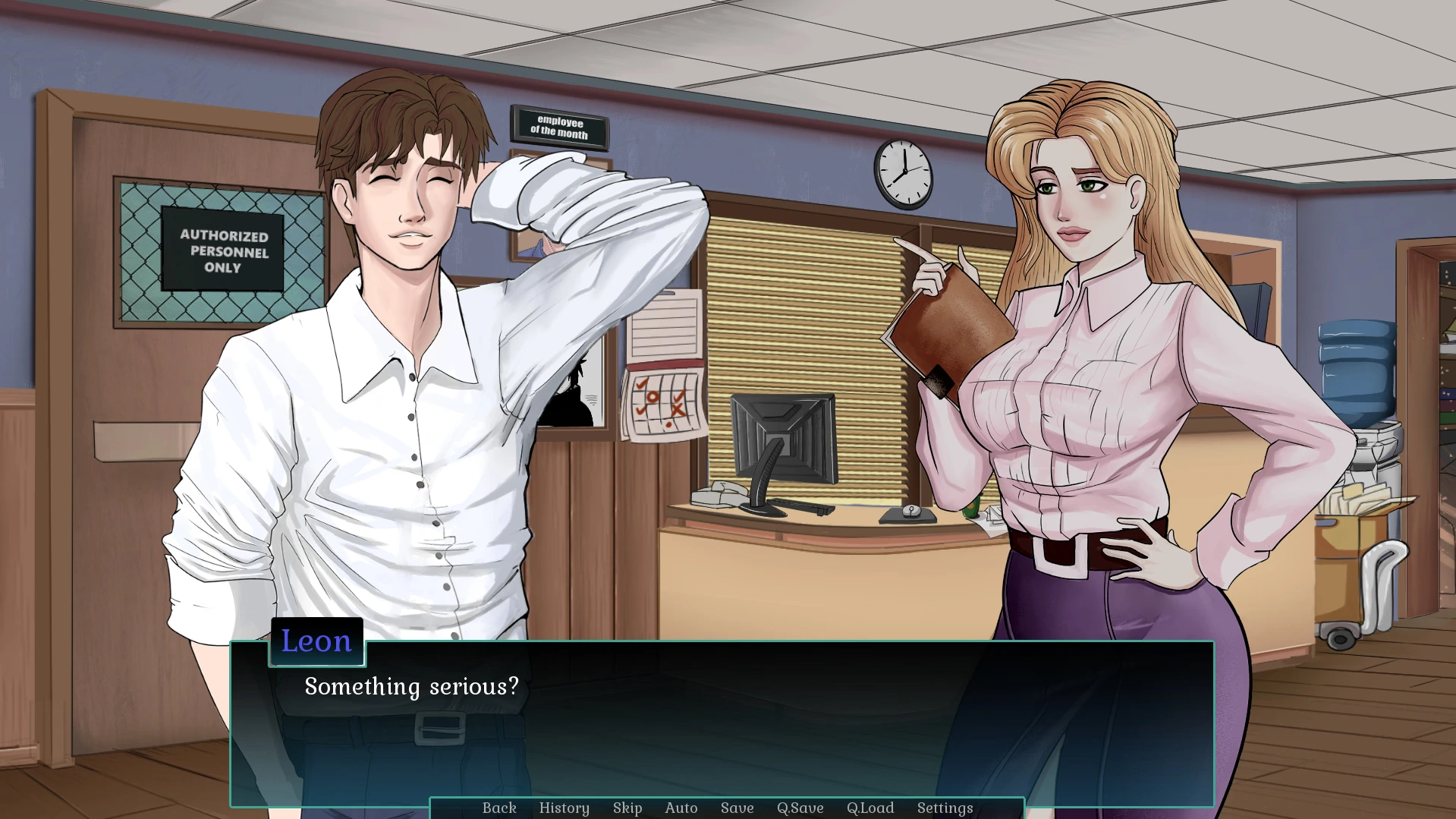
The presentation favors moody, small-town visuals with detailed backgrounds and atmospheric lighting to reinforce the game’s investigative tone. Characters are portrayed with expressive portraits and contextual animations that support immersion during dialogue. Sound design and a subdued score underscore tension during investigations and heighten key story beats without overpowering the narrative, contributing to a cohesive, cinematic experience on mobile devices.
Customization, replay value and challenges
While the core experience is single-player and story-focused, Special Case encourages replay through branching choices and multiple possible outcomes for Leon. Different approaches to investigations—careful evidence-gathering versus riskier shortcuts—lead to alternate story beats and endings. Puzzles and timed decisions provide occasional challenges that reward observation and strategic thinking, and the structure allows players to revisit unresolved threads to uncover hidden details.
User experience and accessibility
The interface emphasizes readability and ease of navigation: adjustable text size, clear iconography and subtitle support make it accessible to a wide range of players. Tutorials introduce investigation tools and the casefile early on so new players can learn the systems without interrupting the story flow. The game is designed for offline single-player play, allowing uninterrupted exploration without a persistent network connection.
Early release notes and developer information
This initial release from Malicious Intent Games represents the first public build of Special Case and is intended to gather player feedback and refine systems over time. Players should expect occasional rough edges typical of an early version, and the team welcomes reports and suggestions to improve stability, expand content and polish user experience in future updates.