
Games
Simulation
One More Time
One More Time

| Package ID: | |
|---|---|
| Latest Version: | v1.42.460 |
| Latest update: | Jun 08, 2026 18:05:02 |
| Developer: | CREDOCs Games |
| Requirements: | Android |
| Category: | Simulation |
| Size: | 2048.00 MB |
| Tags: | Level War Drive |
Rating :4.1
One More Time is an action simulation game designed for short, focused play sessions that test concentration and reflexes. One More Time places players into compact, repeatable challenges where timing and decision speed matter more than long campaigns, making it a good fit for brief breaks or deliberate practice periods. This action simulation title emphasizes measurable improvement: each run is short, feedback is immediate, and the loop encourages players to return and refine specific skills.
Key features and core loop
The core loop in One More Time is intentionally straightforward: enter a brief challenge, respond with fast inputs, receive clear feedback, and try again equipped with new information. Challenges are tuned to reward precision, with metric-driven results shown at the end of every attempt so players can track trends and personal bests. Sessions are typically under a few minutes, which encourages repeated attempts without requiring a major time commitment. Optional modifiers change tempo and risk, allowing focused practice on particular timing windows or scenarios.
Gameplay mechanics and challenge systems
Gameplay centers on reactive problem-solving where predictable patterns are combined with occasional variations to keep attention high. The challenge systems scale primarily by tightening timing windows and introducing layered modifiers rather than adding unrelated mechanics, which helps maintain a consistent learning curve. Difficulty tiers let players choose an appropriate starting point; as you master base patterns, the game nudges you to step up by increasing cadence, reducing error margins, or combining multiple pattern types in a single run.
Controls and input design
Controls in One More Time are built for immediacy and clarity. The game uses a concise set of touch gestures — mainly taps and swipes — with adjustable sensitivity so players can tune responsiveness to their device and play style. Input windows are clearly signaled using visual and auditory cues, and the system provides consistent latency reduction where possible so the experience feels tight. These control decisions are intended to keep the learning curve focused on player timing and strategy rather than on mastering complex inputs.
Progression and personal metrics
Progression is driven by personal improvement rather than unlock-heavy systems. One More Time records personal bests, run-to-run comparisons, and simple trend data to show where gains are occurring. After each attempt, easy-to-read metrics break down performance into timing accuracy, consistency, and mistake patterns so you know what to practice next. This progression model encourages deliberate improvement — players can repeat specific scenarios to close gaps rather than grind through unrelated content.
Visual style and level structure
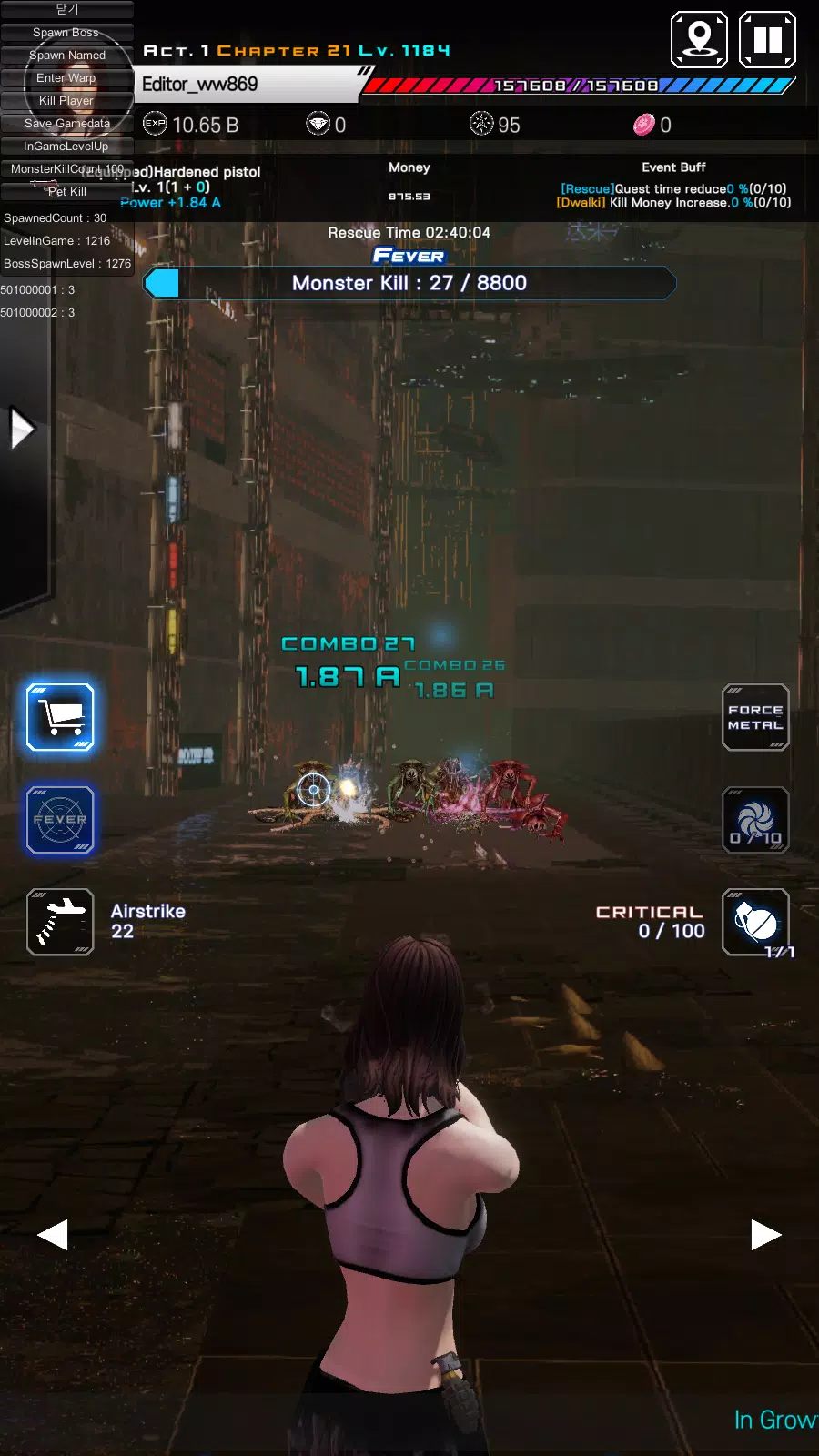
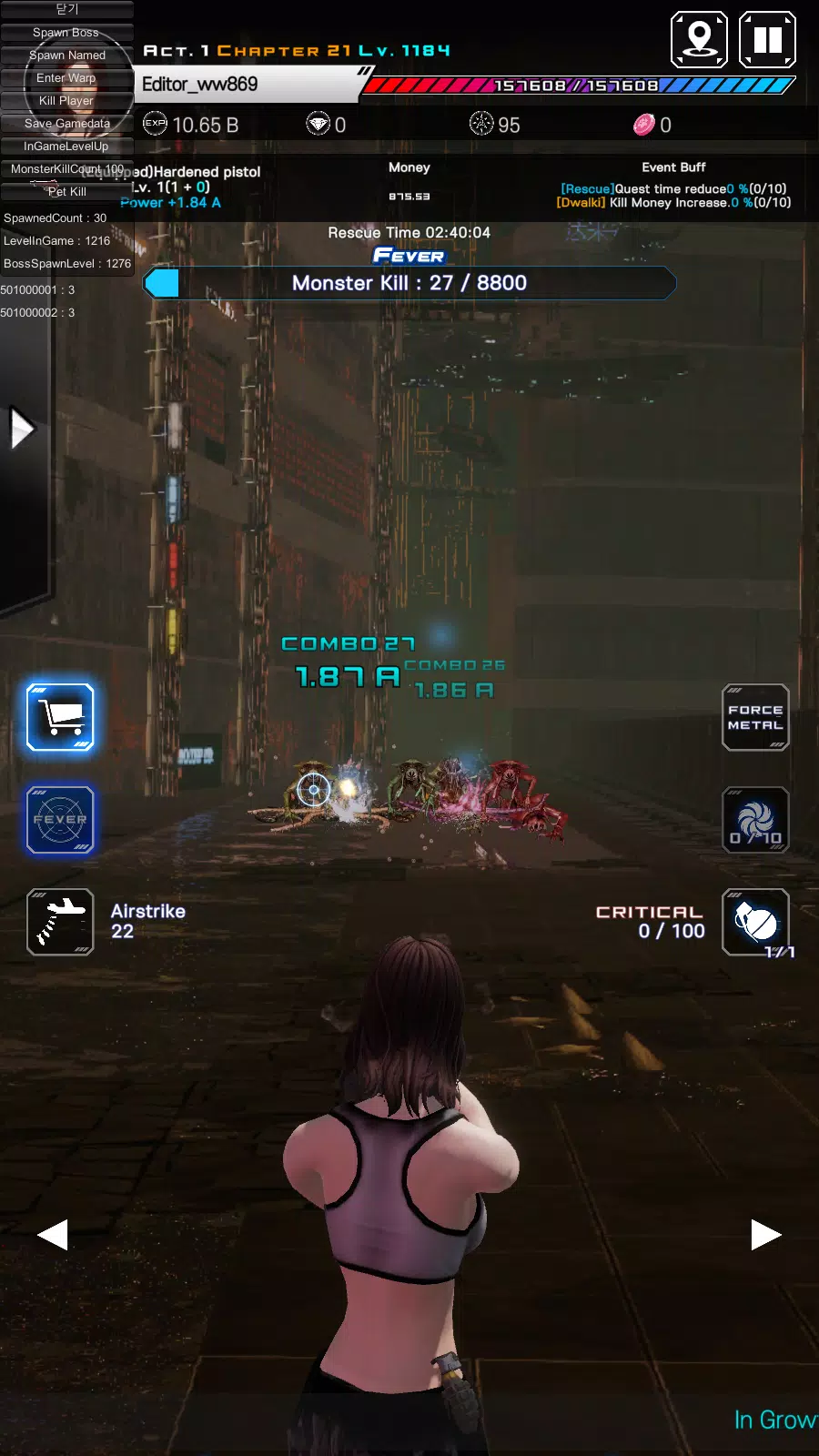
The visual approach favors clarity and quick readability: high-contrast targets, minimal visual clutter, and explicit timing indicators help players register information at a glance. Levels are presented as short, self-contained scenarios rather than sprawling stages, supporting the snackable nature of play. Visual feedback distinguishes hits, near-misses, and perfect timing, while animation and color shifts emphasize important windows for input. The aesthetic is clean and modern, designed to communicate necessary information first and flourish second.
Customization and accessibility
One More Time offers a range of customization options so the game can adapt to different needs. Players can adjust control sensitivity, choose from several contrast modes, and increase touch target sizes to reduce input errors. Accessibility settings include relaxed timing windows and simplified input modes for those who prefer a less demanding experience. Color schemes and high-contrast themes are designed with legibility in mind, and these options make the title approachable for a wide variety of players while preserving the intended challenge for those who want it.
Replay value and offline play
Replay value comes from tight runs, incremental progress, and variations that keep sessions feeling fresh without requiring regular downloads or online features. Because One More Time stores performance locally and supports offline play, it is easy to practice in transit or in areas with limited connectivity. Daily or session-based goals encourage short practice routines, and optional modifiers can be combined to create new practice-focused permutations of existing scenarios.
User experience and developer approach
The overall user experience stresses responsiveness, fairness, and transparent feedback. CREDOCs Games, the studio behind One More Time, monitors anonymized usage data to identify friction points and prioritize updates that improve control feel, level balance, and accessibility. Regular tuning focuses on making effort translate directly into measurable gains so players feel their practice matters. One More Time is therefore presented as a tightly focused action simulation that rewards repeated, attentive play and gradual mastery.