
Games
Simulation
Mechanic: Car Tuning Simulator
Mechanic: Car Tuning Simulator

| Package ID: | |
|---|---|
| Latest Version: | v1.1.4 |
| Latest update: | Jun 06, 2026 17:11:05 |
| Developer: | Azat Dauletyarov |
| Requirements: | Android |
| Category: | Simulation |
| Size: | 1024.00 MB |
| Tags: | Puzzle Drive Management |
Rating :4.3
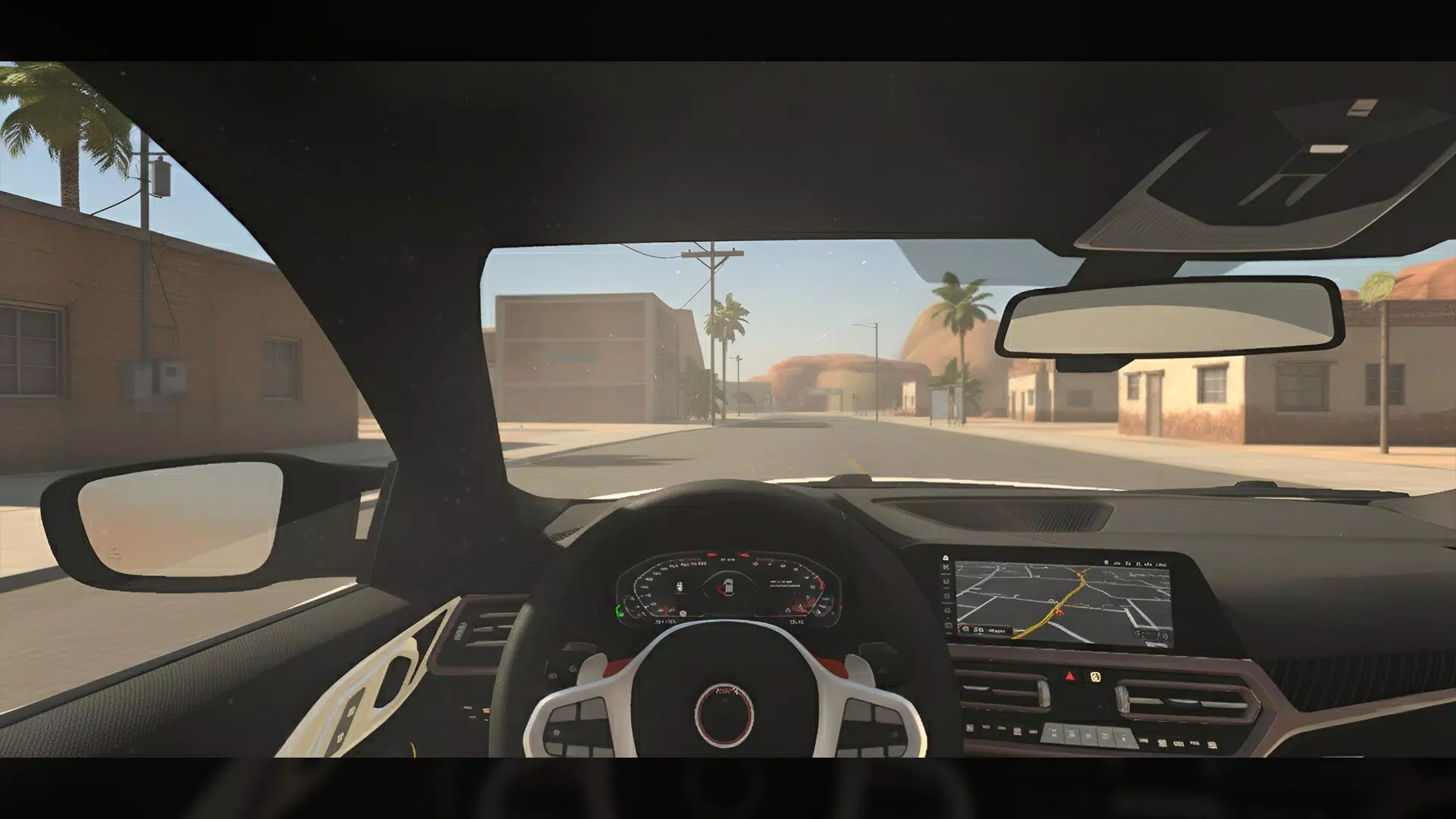
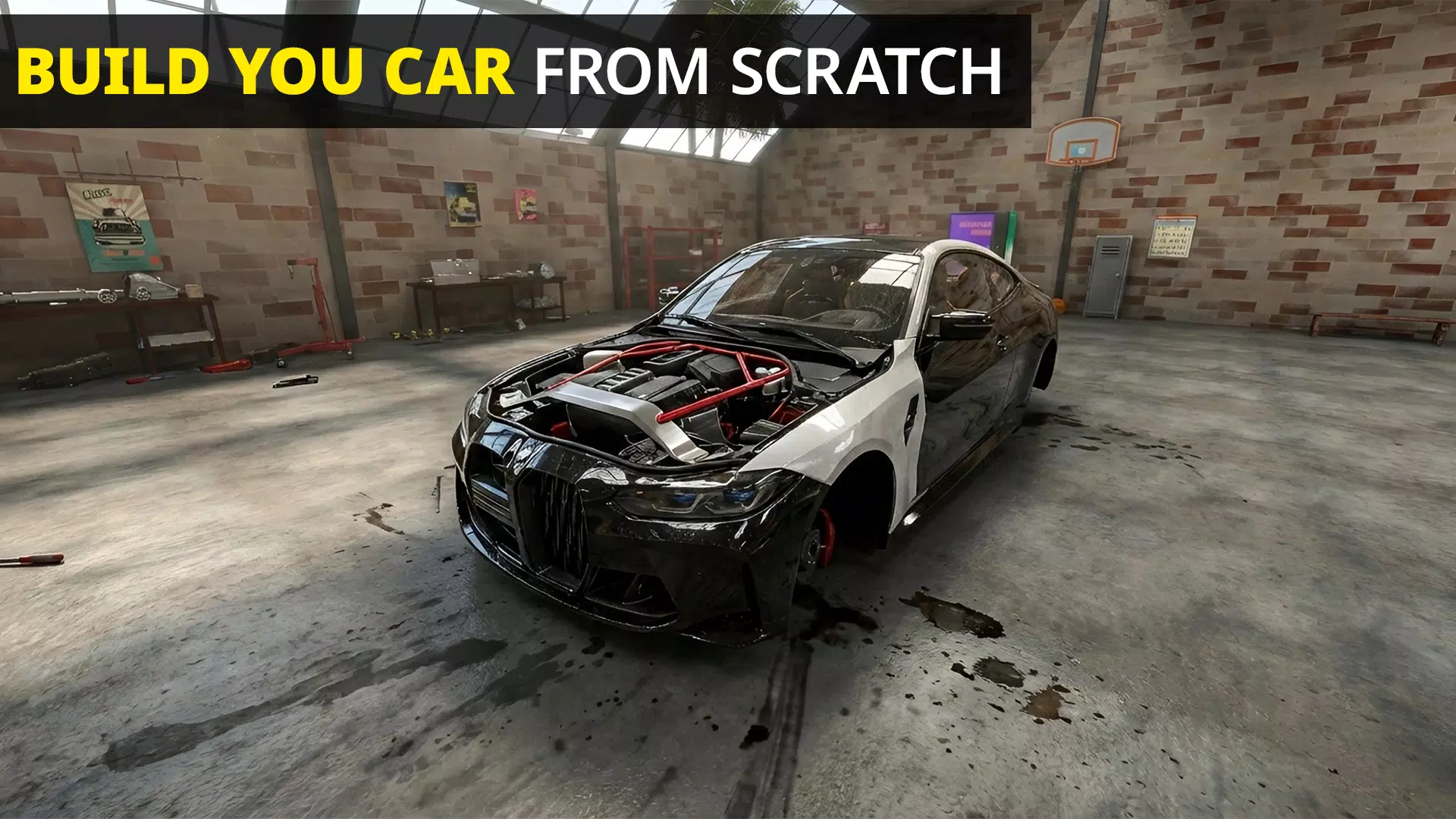
Mechanic: Car Tuning Simulator puts you in a compact, hands-on garage where careful diagnosis, step-by-step repairs and performance tuning are the core gameplay loop. In this mobile-friendly simulator you begin with a stripped chassis and a limited toolset and work through dismantling, inspecting and replacing parts, fitting engines and drivetrain components, tuning suspension and brakes, and finally testing the car on short road loops to evaluate each change. The clear cause-and-effect feedback between workshop adjustments and test drive behavior makes Mechanic: Car Tuning Simulator a satisfying choice for players who prefer deliberate, methodical progression rather than nonstop arcade action.
Gameplay mechanics
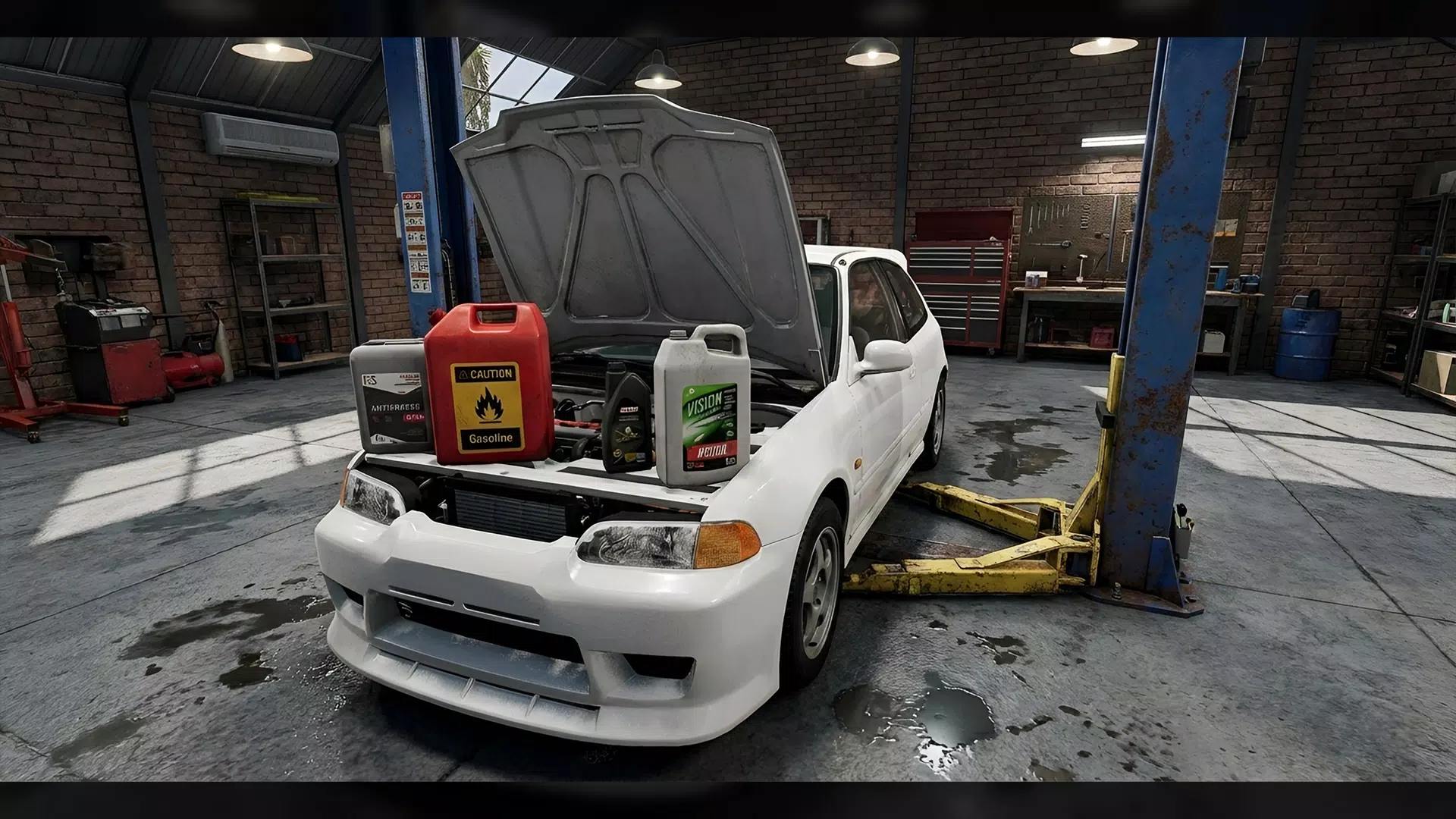
The game emphasizes realistic procedures in a simplified, approachable way: you remove worn parts, clean or replace components, bolt on new suspension or a different gearbox and then fine-tune settings such as ride height, damping and gear ratios. Each operation is represented by a series of interactive steps that teach how an individual component influences handling and power delivery. Test drives are intentionally short and focused so each tweak can be evaluated quickly, and the physics model highlights acceleration, braking balance, understeer and oversteer so you can learn how parts interact in different scenarios.
Controls and user interface
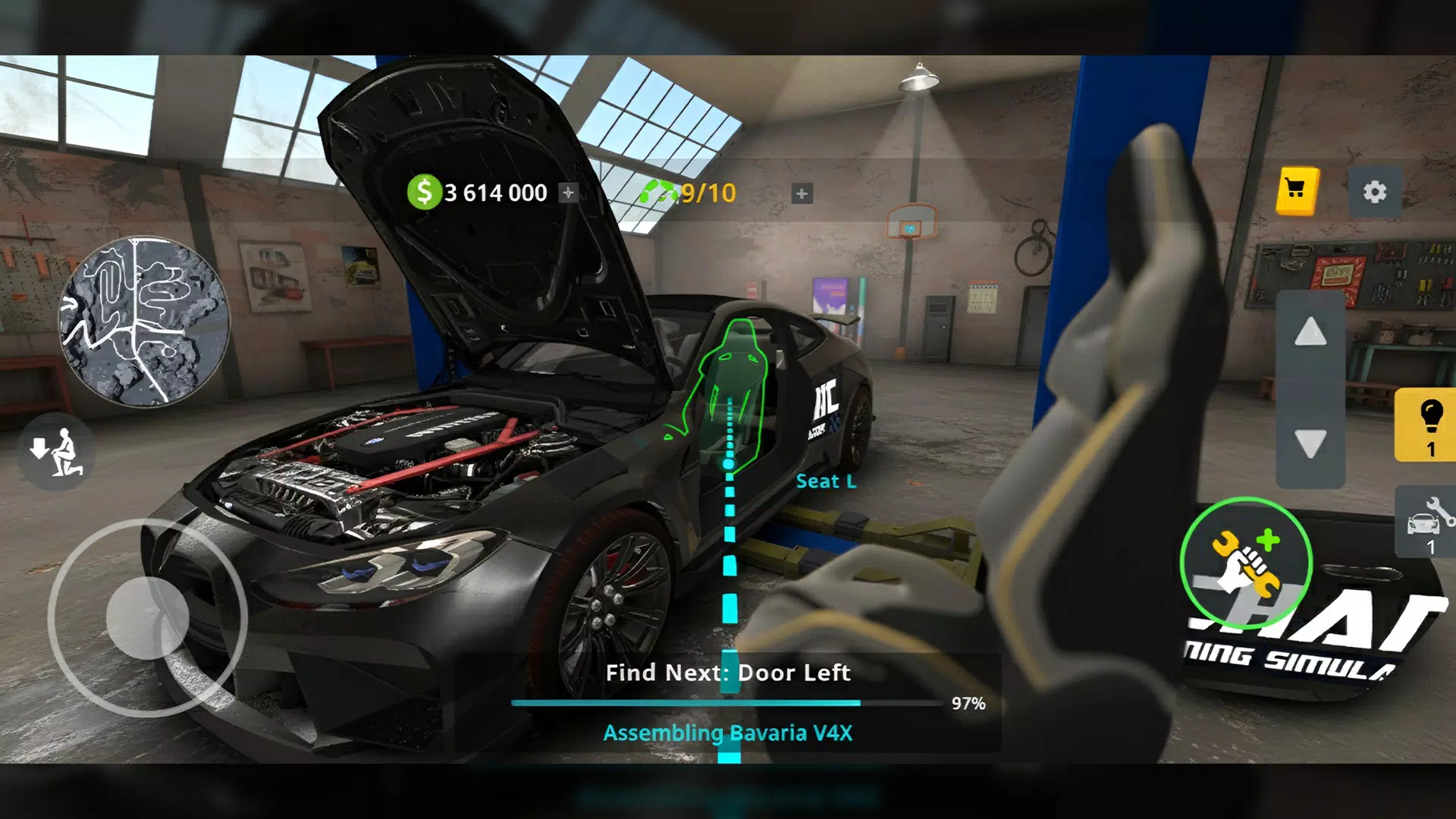
Controls are tailored for touchscreens: drag to move parts into place, tap to select tools, and use sliders for incremental tuning of numerical values like cam timing or spring stiffness. The interface groups tasks into clear stages—diagnostics, repair, assembly, tuning and test—so even players new to simulation-style games can follow a logical order. Tooltips and a concise help overlay explain the effect of common adjustments, and context-sensitive prompts guide you when a part must be removed or a bolt tightened, reducing guesswork while preserving the hands-on feel.
Progression and workshop management
Career progression is driven by jobs that reward currency and unlock parts, tools and workshop expansions. Early assignments focus on simple repairs and replacements while later jobs require multi-part rebuilds and performance optimization under specific constraints such as weight limits or handling targets. Managing funds and choosing which upgrades to buy is part of the strategy: invest in precision tools to unlock more complex tasks, or upgrade bay space to take on bigger vehicles. Mechanic: Car Tuning Simulator models a steady sense of advancement rather than sudden power spikes, which rewards patience and gradual skill development.
Visual style and customization
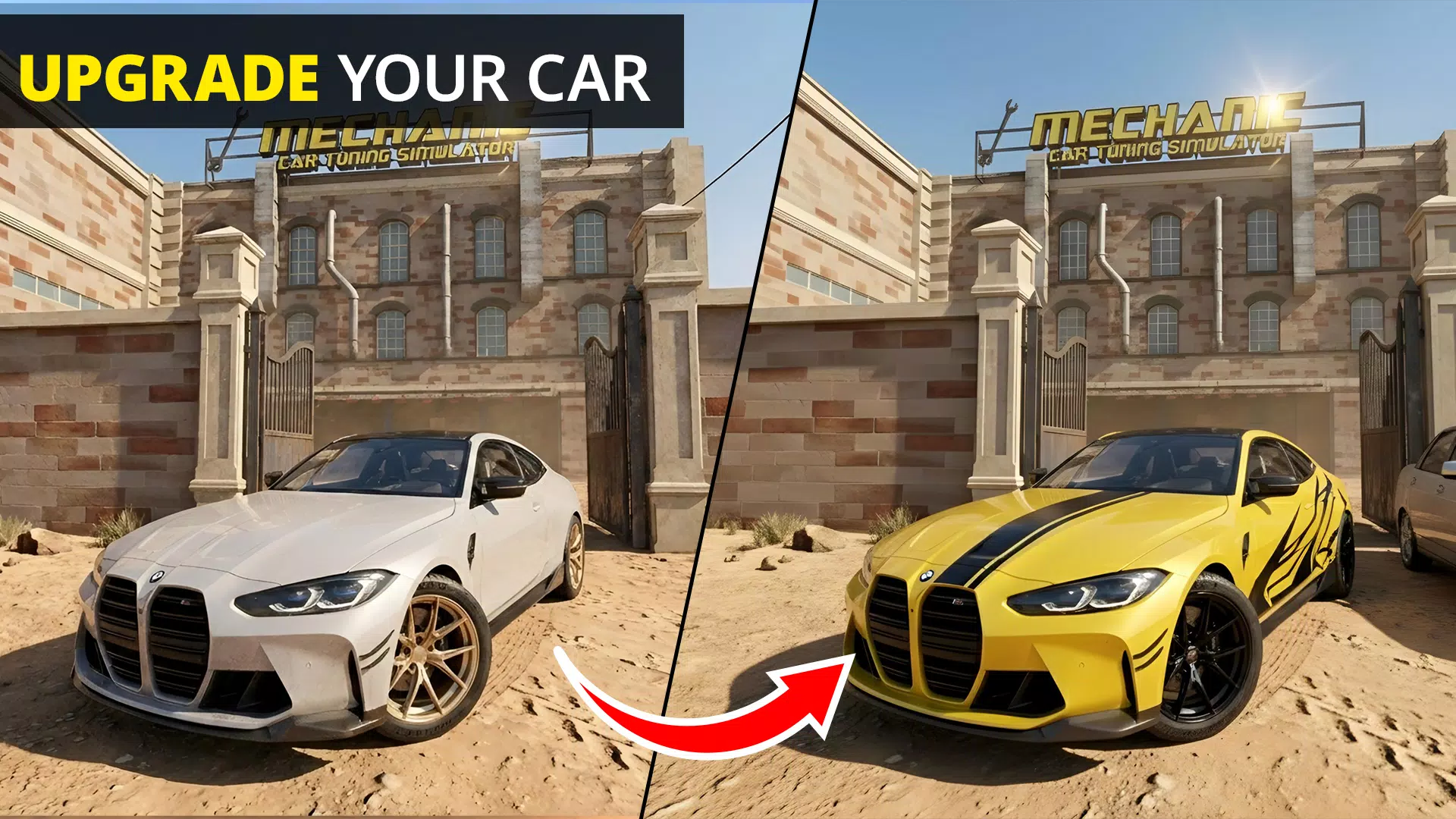
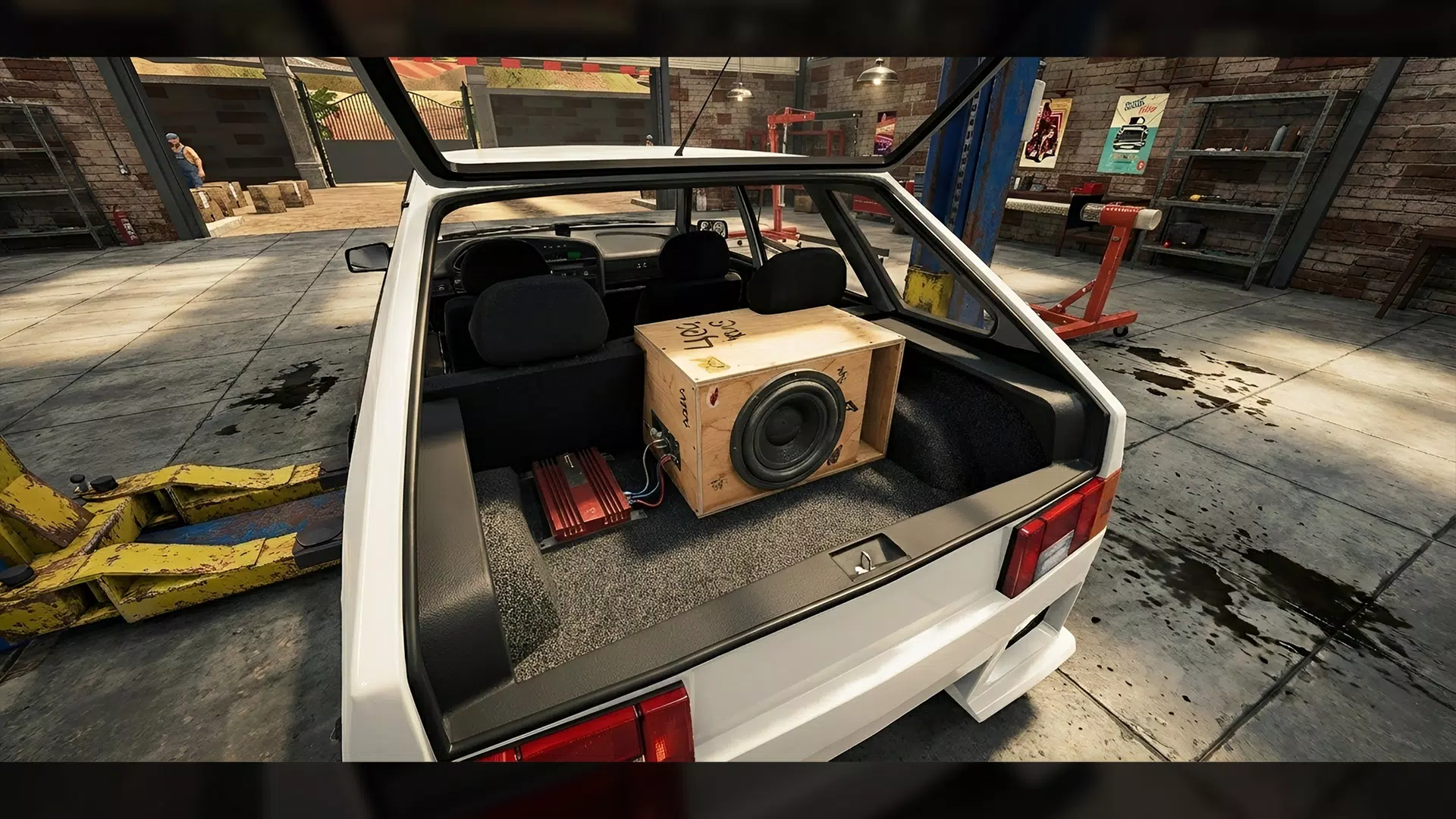
The visual presentation strikes a balance between clean, readable graphics and enough detail to make component work clear: you can inspect parts for wear, view damage on body panels and see the effects of polishing and paint choices. Customization extends to both form and function: exterior options like paint, decals and aero pieces let you personalize the look, while performance parts affect handling, power and reliability. Cosmetic and performance paths are both meaningful, so builds can reflect a player’s aesthetic preferences as well as engineering choices.
Level structure and challenge systems
Mechanic: Car Tuning Simulator is structured around individual jobs and a campaign of increasing complexity. Jobs may include restoration projects, performance tunes for specific driving goals, or repairs after damage. Challenge conditions—such as time-limited jobs, tight budgets or customer-specified targets—add variety and force creative problem solving. Each level acts as a focused scenario that teaches a new concept or requires you to combine previously learned skills, ensuring a learning curve that stays engaging without becoming overwhelming.
Replay value and long-term play
Replayability comes from experimenting with alternative builds, optimizing for different performance envelopes and restoring multiple vehicles with unique starting conditions. Because the tuning and testing loop responds predictably to changes, players can refine setups, compare before-and-after runs and iterate toward personal bests. Occasional randomized job offers and salvage finds encourage returning to the garage to try new combinations and solve fresh mechanical puzzles.
User experience, accessibility and offline play
The app aims for approachable pacing and accessibility options such as adjustable tool sensitivity, optional aim-assist for small parts and written help for all major systems. Sessions are short and checkpointed so progress is saved between play periods, allowing reliable offline play for most features; only optional purchases require a network connection. The developer notes that user data is encrypted in transit and not shared with third parties, which is helpful for privacy-conscious players who want to focus on gameplay rather than account management.
Monetization and considerations
Mechanic: Car Tuning Simulator includes ads and optional in-app purchases for cosmetic items, convenience bundles and faster access to specific parts, but it remains possible to progress through careful play and job completion alone. Players who enjoy deliberate problem solving, mechanical learning and steady career advancement will find the experience rewarding, while those seeking constant high-octane action may prefer a different type of driving game.