
Games
Simulation
Who's Your Daddy?
Who's Your Daddy?

| Package ID: | |
|---|---|
| Latest Version: | v1.5 |
| Latest update: | Jun 06, 2026 12:14:03 |
| Developer: | Do Fit Games Ltd |
| Requirements: | Android |
| Category: | Simulation |
| Size: | 142.30 MB |
| Tags: | Level War Drive |
Rating :4.0
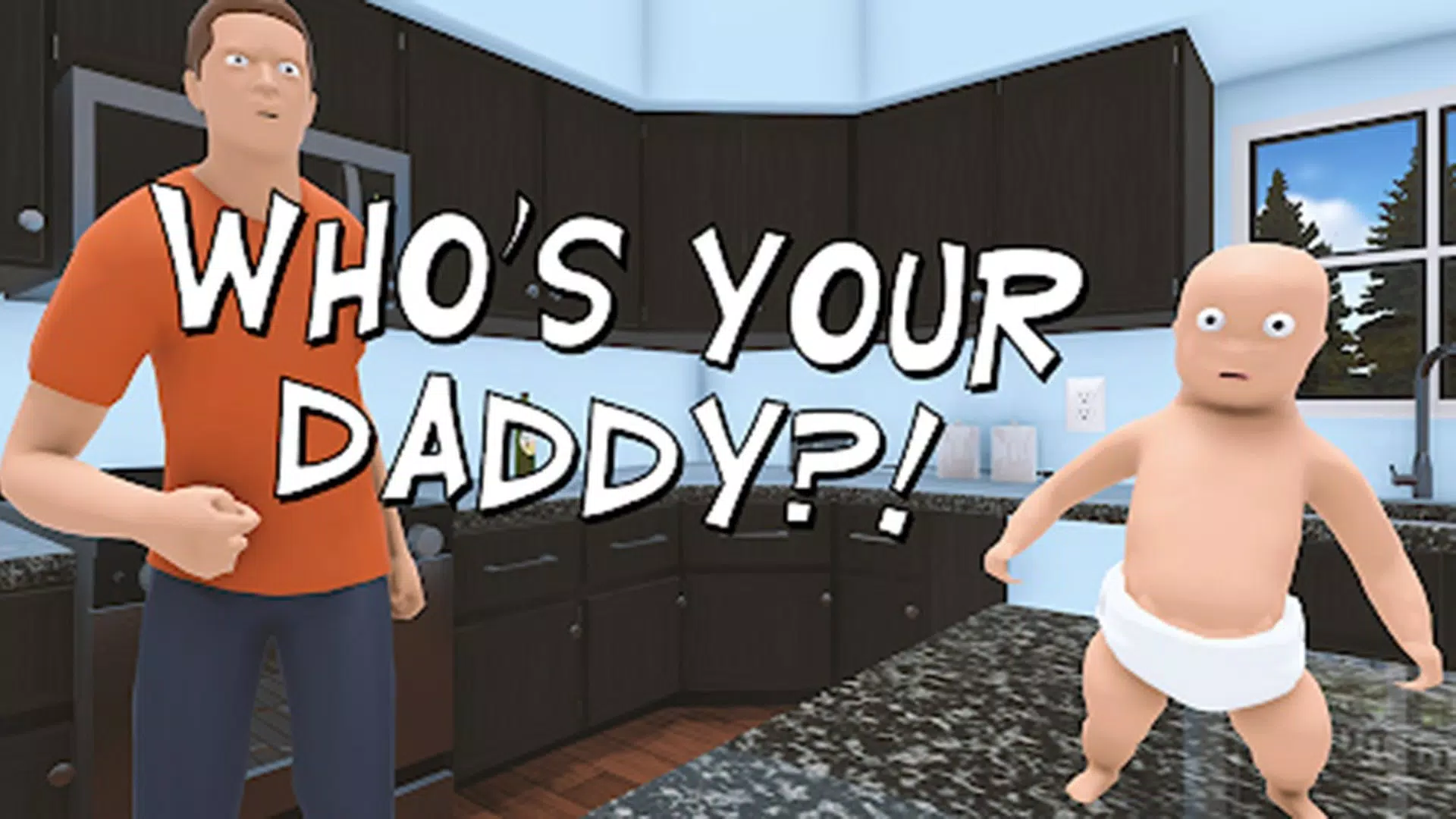
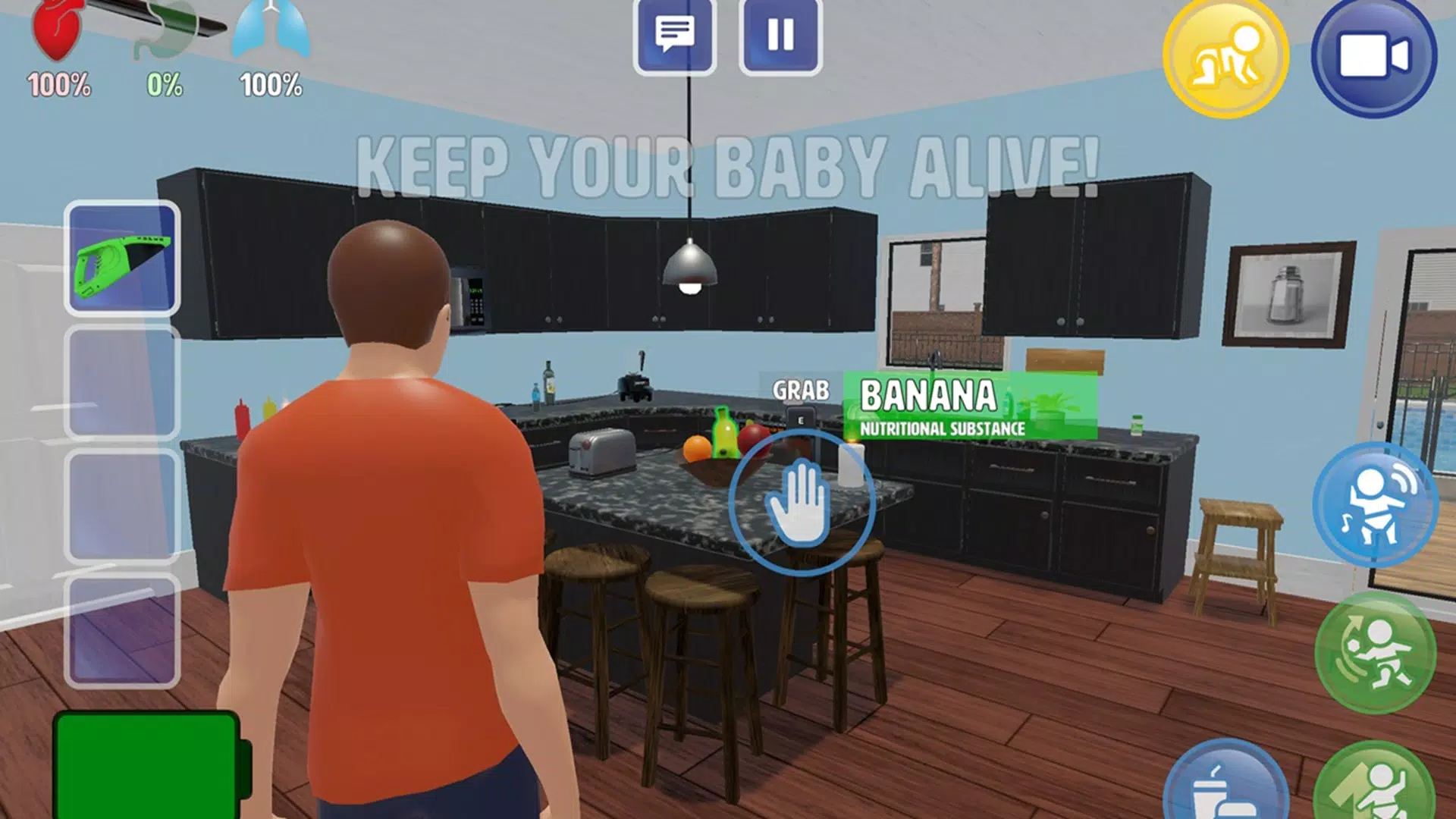
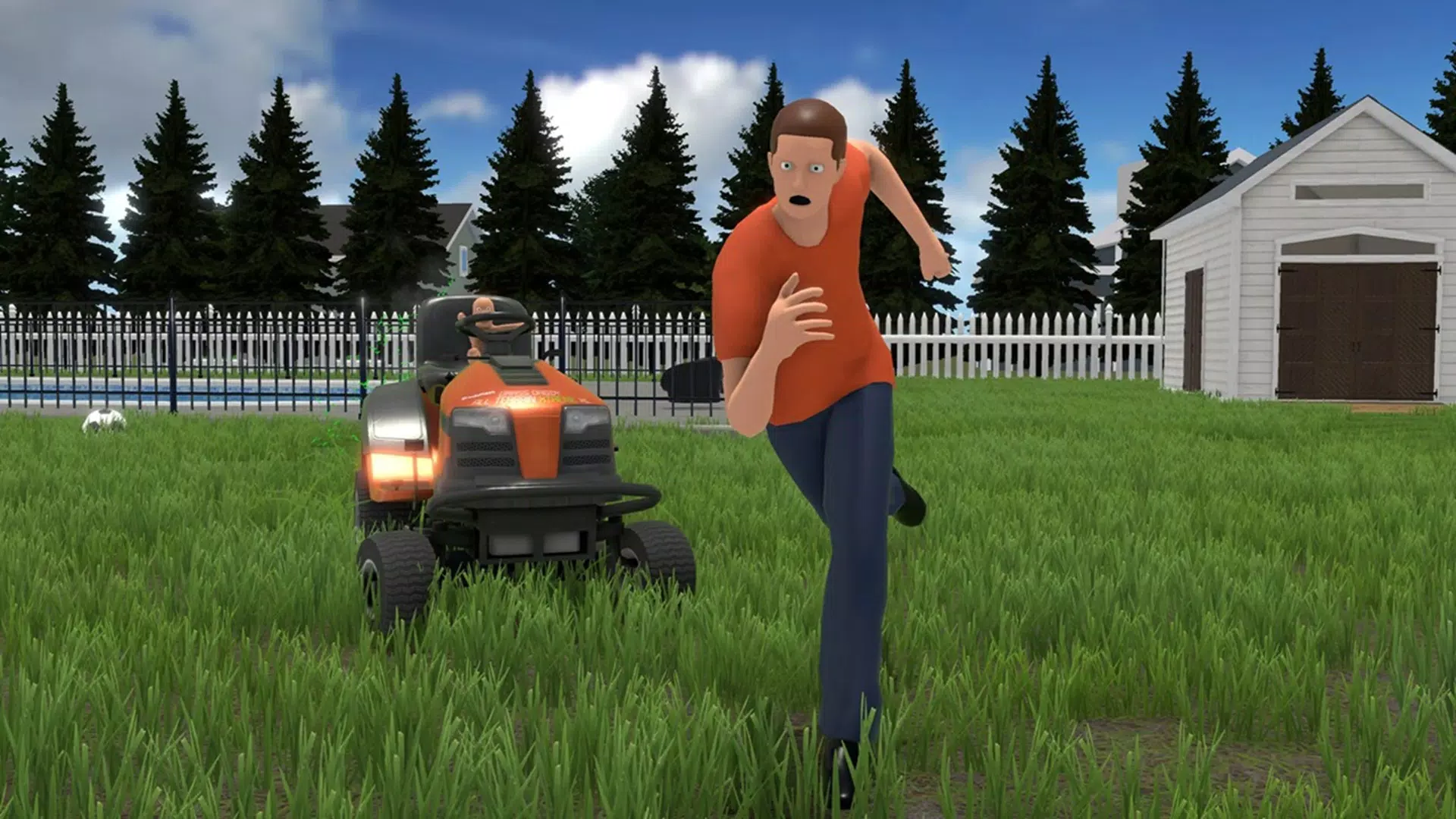
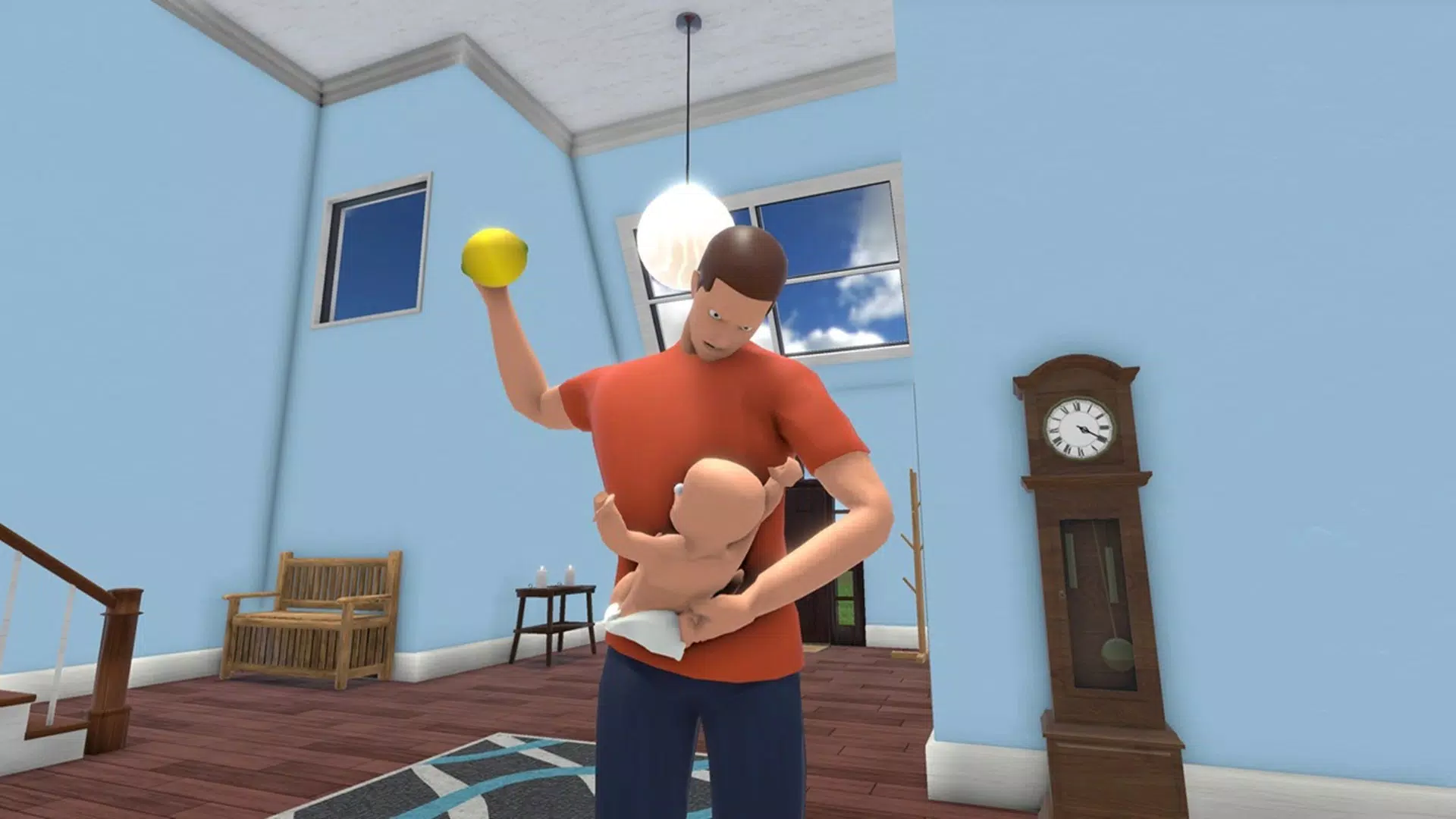
Who's Your Daddy? is a chaotic, casual multiplayer party game that matches frantic caretakers against mischievous ragdoll characters as they race through compact, stylized household arenas full of unpredictable hazards. The title is built for short sessions where up to eight players can compete or cooperate in fast-paced rounds that emphasize improvisation and physical comedy. This introduction outlines the core systems, controls, visual style, and practical tips so you know what to expect before jumping into a match.
Key features
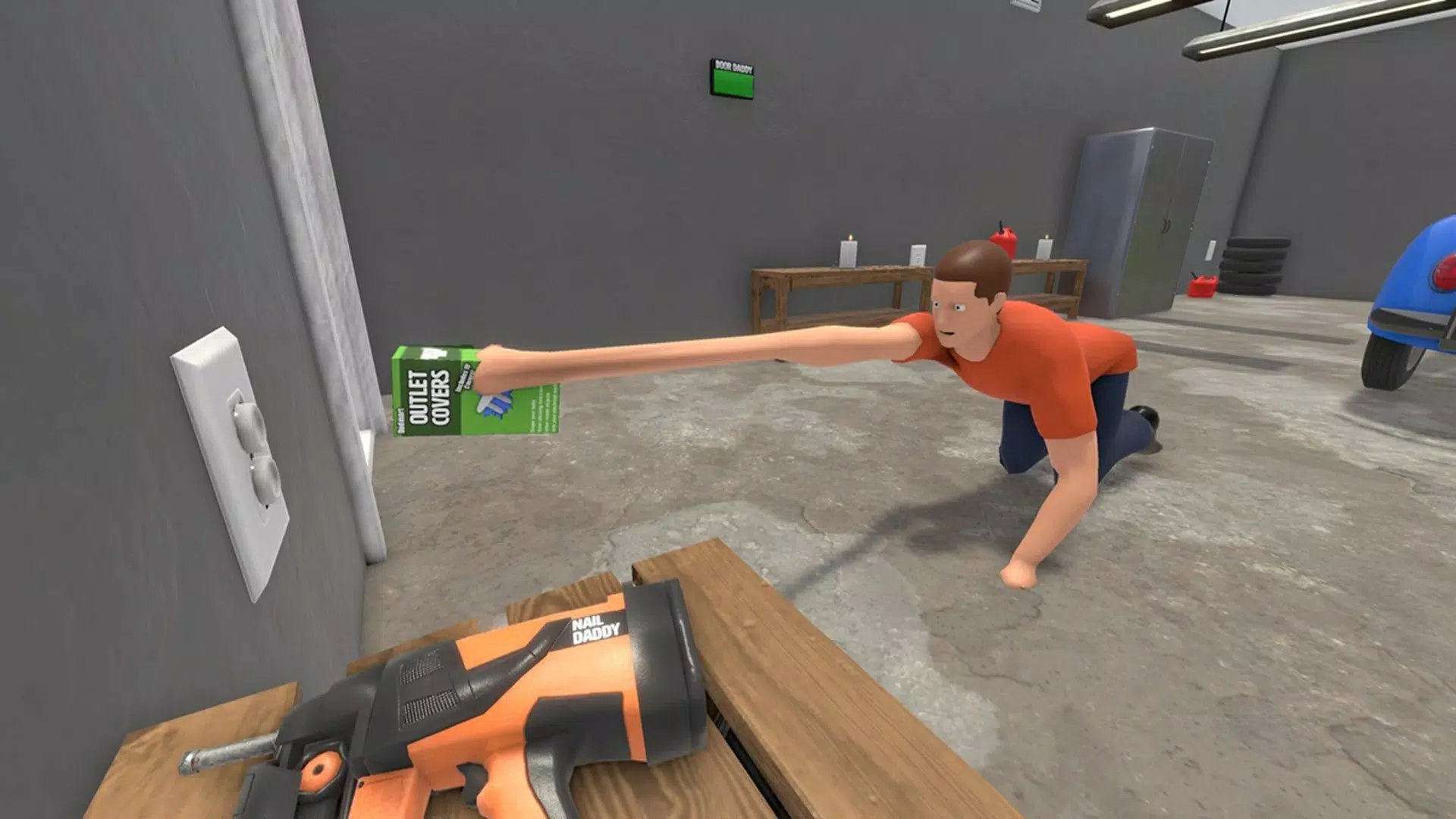
The core appeal of Who's Your Daddy? lies in its asymmetric, physics-driven gameplay and compact match design. One side focuses on protection and hazard mitigation while the opposing players test the environment and exploit interactive objects to cause mayhem. The game includes a wide assortment of interactive household items with distinct behaviours, and each item’s physical reactions create emergent scenarios rather than scripted outcomes. Matches are intentionally brief to encourage repeat play and party-style rotation among different player groups and roles.
Gameplay and controls
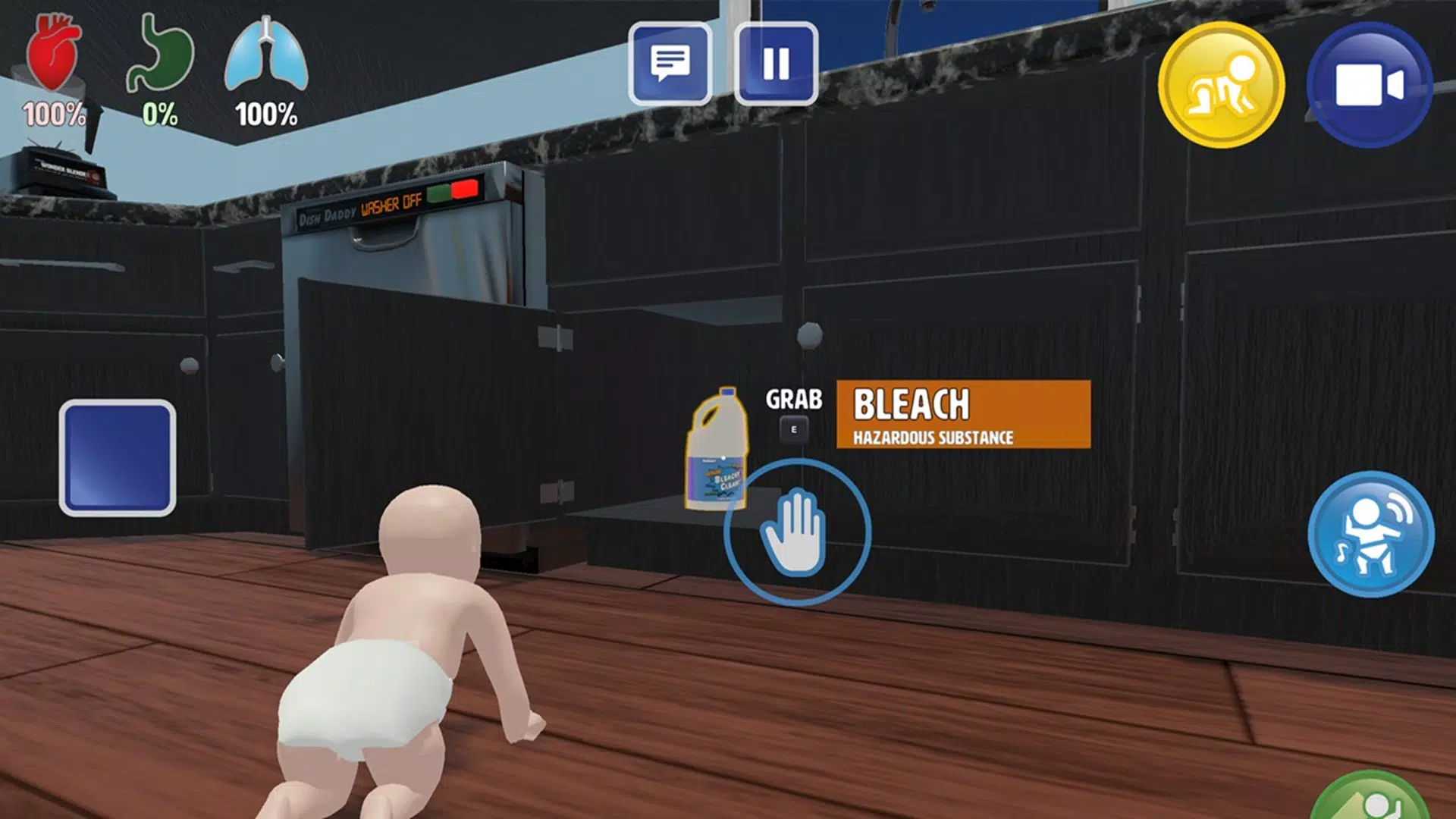
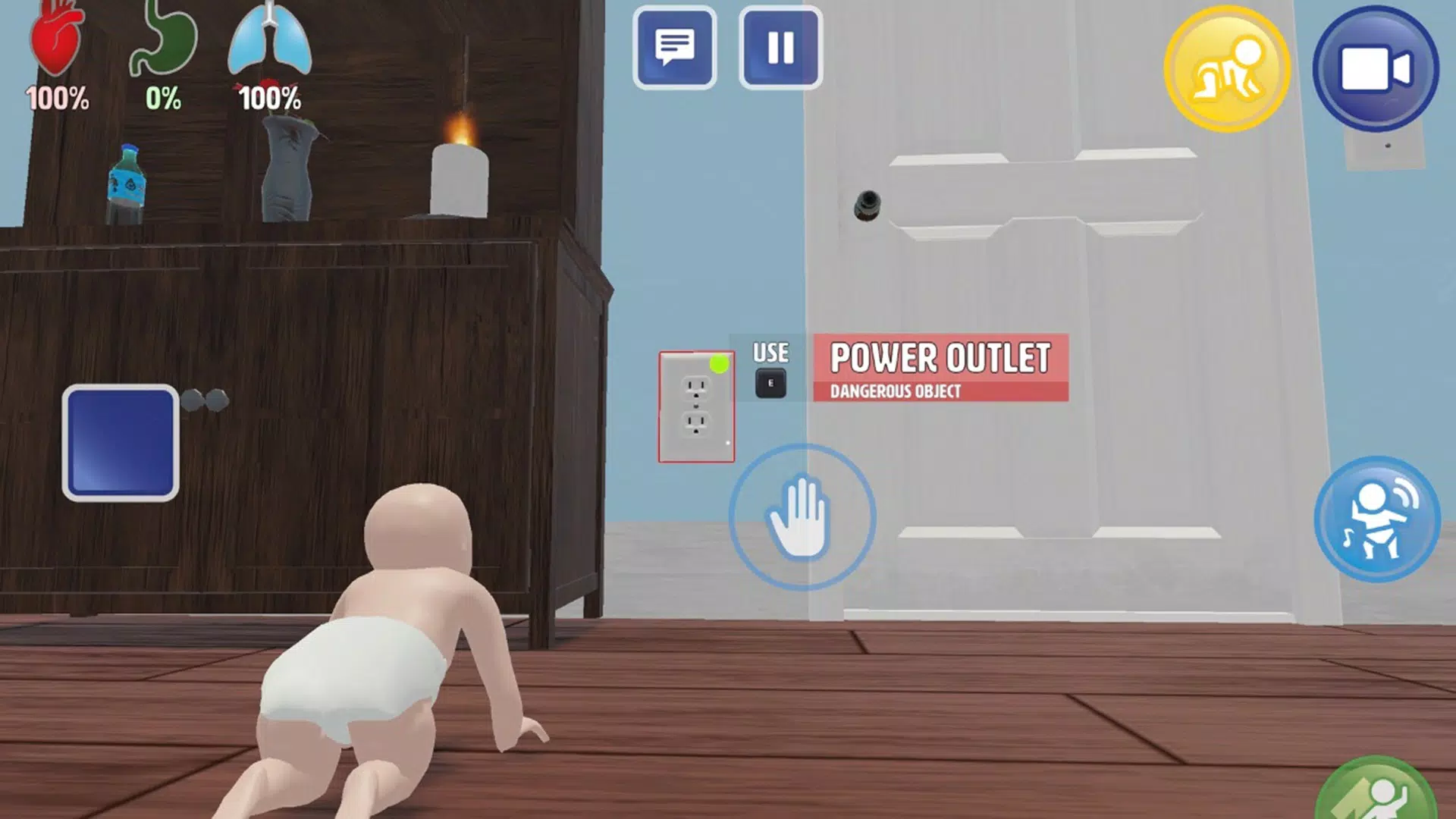
Gameplay centers on a small set of intuitive actions: move, interact, pick up or drop objects, and use items in simple combinations to create outcomes. Controls are designed to be accessible so new players can join a round quickly; experienced players are rewarded by inventing clever uses for props and environmental features. The ragdoll characters behave with springy, unpredictable motion, so timing and positioning matter for both caretakers and troublemakers. Because interaction is physical and emergent, rounds frequently produce surprising and memorable moments that come from player decisions rather than complex command schemes.
Level structure and visual style
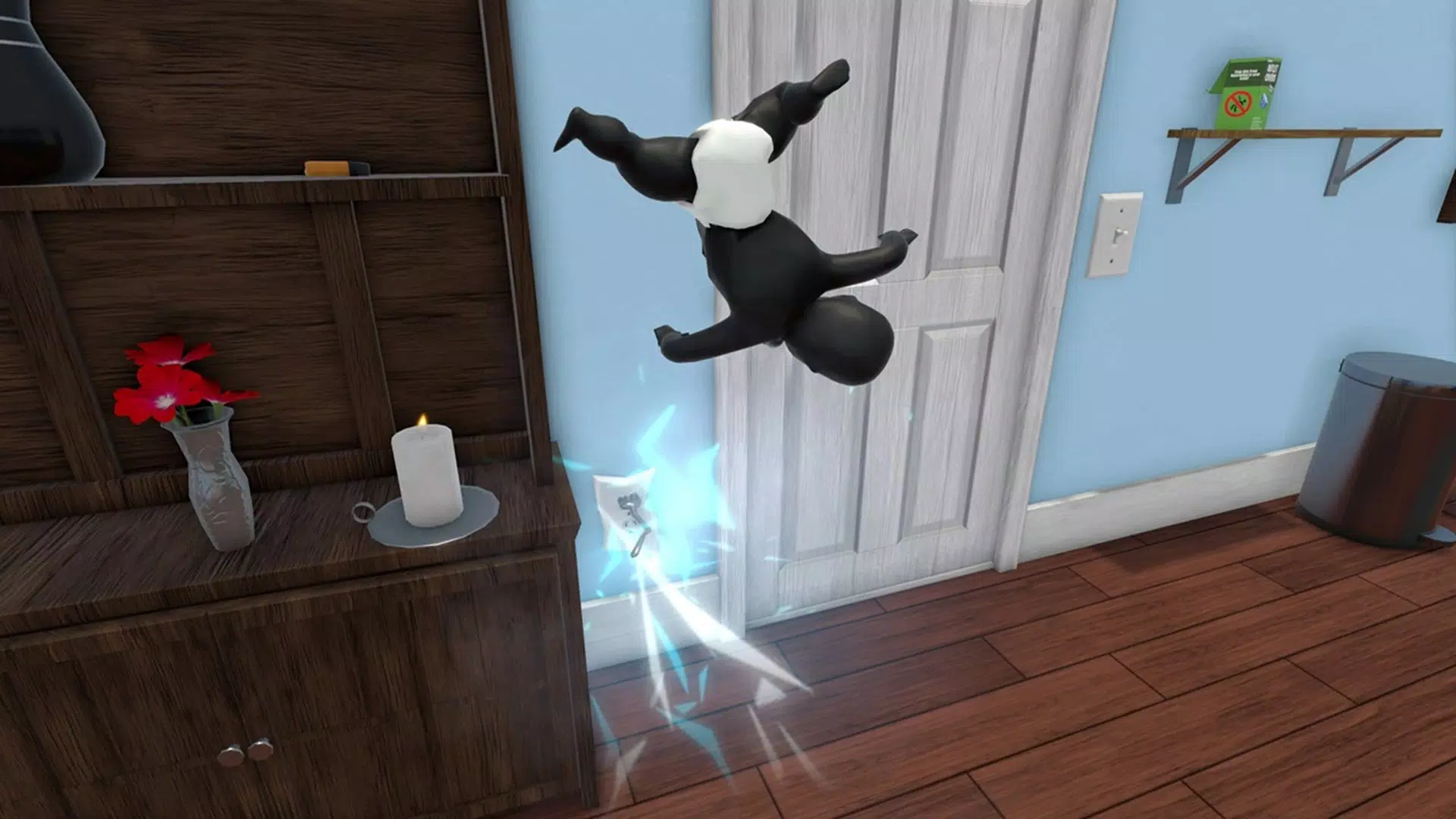
Levels are themed around familiar household spaces and deliberately compact to support short, repeatable matches. Layouts vary in object placement and starting conditions to keep each round feeling fresh, and the same props can combine in different ways depending on where they spawn. The visual approach favors colorful, exaggerated art that highlights collisions and slapstick reactions while remaining readable on a range of devices. Characters and props behave like ragdolls and springy objects, which reinforces the game’s comedic tone and keeps the presentation approachable without requiring high-end hardware.
Progression and customization
Rather than a deep long-term progression system, the focus is on round-to-round variation and adjustable match parameters. Players can change match settings to alter the pace, intensity, and number of participants, allowing groups to tailor sessions for brief meetups or longer party nights. Customization centers on reusable options such as level selection, initial item density, and role assignments rather than persistent unlocks. Who's Your Daddy? emphasizes replayability through randomized starting conditions and adaptable match rules rather than grinding through steep progression trees.
Replay value and challenge
Replayability comes from the unpredictable interplay of objects, player creativity, and the physics engine. Every match tends to generate new combinations of hazards and improvised strategies, so even familiar levels can feel different session to session. Players seeking a milder experience can limit participant count or reduce item clutter, while groups after maximum chaos can load full eight-player games with looser constraints. The challenge scales naturally because it depends on human play rather than fixed AI difficulty, making social dynamics a core part of the game’s tension and fun.
Accessibility and user experience
Usability is emphasized through clear input mappings, readable visual feedback, and straightforward match setup screens so groups can get into a game quickly. The UI keeps menus simple and the most common actions within immediate reach, lowering the barrier for casual players. Performance considerations guided the visual style; the simplified, stylized graphics and efficient physics calculations help maintain smooth frame rates on mid-range devices. The result is an experience that stays responsive even in hectic moments without demanding the latest hardware.
Offline play and session tips
Because rounds are compact and self-contained, the game works well for local group sessions and quick play between friends. To get the most from each match, try rotating roles to experience both sides of the asymmetric gameplay, experiment with different item combinations, and use staging and timing to create improvised strategies. Small tweaks to match settings can drastically change tempo and difficulty, so take a few rounds to find the configuration that best fits your group. With its emphasis on emergent interactions and quick rounds, Who's Your Daddy? is most enjoyable when players embrace experimentation and lighthearted competition.