



Spirit Clash is a mobile game that combines gentle pet cultivation with bite-sized RPG combat, offering a relaxed farm-simulation loop punctuated by short battles and occasional boss encounters. In this editor overview we cover how the game plays, what to expect from its progression systems, and how controls, visuals, and accessibility are designed to support casual, repeatable play sessions.
Gameplay overview
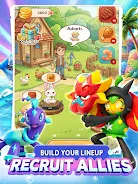
Core gameplay in Spirit Clash alternates between simple farm caregiving and quick strategic skirmishes. On the farm you rescue spirit companions, feed them, and manage basic growth mechanics that increase stats and unlock new passive or active abilities. Combat encounters are compact: you select a small team of rescued spirits and move through sequential forest stages that culminate in a boss fight. Battles emphasize clear decisions—team composition, timing of skills, and light positioning—so sessions remain approachable when you only have a few minutes.
Controls and interface
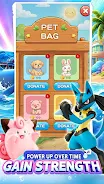
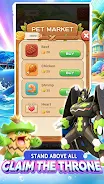
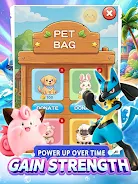
The interface is designed for touch-first interactions with minimal friction. Farm management uses taps and drag gestures to place items and move companions, while combat relies on tap-based skill activation alongside automated movement for units. Menus are organized around team composition, inventory, and progression screens so upgrading pets, equipping small consumables, or feeding companions is straightforward. A short in-game tutorial introduces these controls before the first boss to reduce early confusion.
Progression and systems
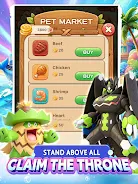
Progression in Spirit Clash follows a steady, readable curve intended for low-pressure advancement. Pets gain experience through both battles and care routines; feeding, resting, and sending companions on brief activities contribute to their growth. Coins and basic resources earned in skirmishes unlock additional companions and modest upgrades to stats or abilities. The upgrade paths are intentionally simple: incremental boosts and selective ability improvements let players shape team roles without overwhelming choice overload.
Visual style and presentation
The game uses a soft, approachable art direction with muted color palettes, rounded character designs, and subtle environmental details to create a restorative atmosphere. Animations are expressive but restrained, giving each spirit personality without flashy or aggressive effects. Visual feedback focuses on clarity—readable damage indicators, concise ability icons, and clear progression markers—so players can understand outcomes at a glance and maintain the calming tone of the experience.
Level structure and pacing
Levels are organized as themed forest stages made up of quick skirmishes and occasional boss encounters. This structure supports both micro-sessions and longer play: you can complete a short set of fights during a break or tackle a boss when you have more time. Stage themes shift to suggest diverse environments and modestly different enemy behaviors, encouraging players to rotate companions and try new synergies without steep difficulty jumps.
Customization and farm growth
Farm customization centers on arranging your rescue area, highlighting favorite companions, and applying small cosmetic touches that personalize the space. While the focus is on nurturing and progression rather than deep decoration mechanics, pets display visual growth and minor costume or color variations as they level, which reinforces a sense of investment. Cosmetic options and simple layout choices let players create a home base that feels uniquely theirs without heavy resource grinding.
Replay value and user experience
Replayability comes from collecting different spirit companions, experimenting with team synergies, and pursuing incremental unlocks. The game saves progress reliably and keeps menus concise so pick-up-and-play sessions are predictable and low-friction. Rewards from battles and farm activities provide steady incentives to return, while quick load times and streamlined navigation preserve a relaxed pacing that fits fragmented play throughout the day.
Accessibility, offline play, and difficulty
Spirit Clash aims to be accessible to a broad audience: difficulty settings and contextual help make it easier for new players to learn, while experienced players can pursue more efficient team builds. Many core features work offline so you can tend your farm and play through skirmishes without constant connectivity; optional updates or cloud features may require a network connection for long-term content additions. The tutorial and in-game tips reduce barriers to entry and keep mechanics easy to understand.
Challenge systems and longevity
The game balances a gentle core loop with optional challenge through harder boss stages and completion goals like expanding your companion roster. Rather than relying on punishing difficulty, longevity is driven by meaningful incremental goals—rescue the next spirit, unlock a new farm feature, or refine team composition for tougher encounters. Spirit Clash is suited to players who enjoy steady, restorative progression with intermittent moments of strategic decision-making.