

Clarity is a mental health app aimed at helping people manage stress, anxiety and negative thought patterns through evidence-informed tools like cognitive behavioural therapy techniques, mood tracking and short educational modules. It’s designed for anyone looking for a private, structured way to notice patterns in their emotions, vent safely and practice small daily habits that improve resilience. The app blends a simple mood journal with guided exercises — from breathing practices to audio meditations — so users can build emotional awareness without committing to long therapy sessions or complex setups.
Core Functions
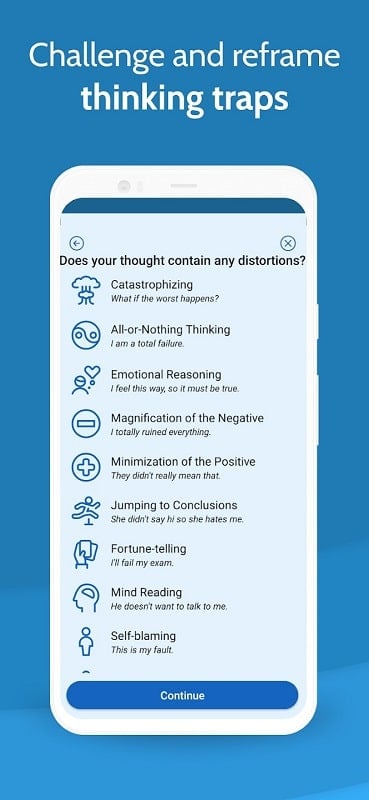
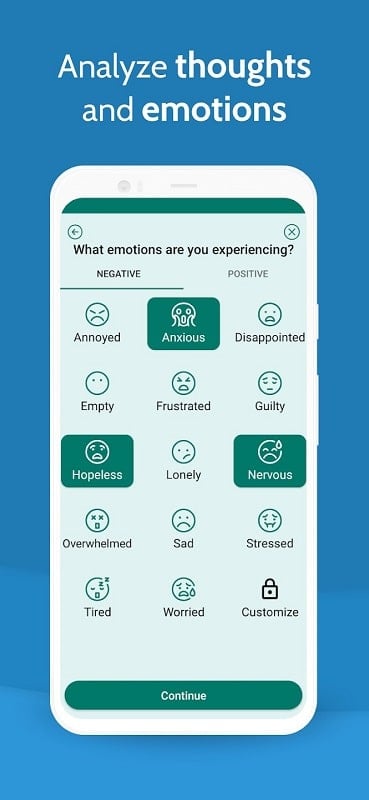
At its core, Clarity asks users to create an account and supply basic profile details so the app can track psychological trends more accurately. The main functions include an open-ended journaling space where people can type or speak about what’s on their mind, a mood logging interface using emoticons to mark feelings, and a timeline that records entries with timestamps. Clarity also offers short CBT-style prompts and reflective questions to help reframe unhelpful thoughts, and it includes guided breathing and meditation tracks designed to provide quick relief during high-stress moments.
Key Features
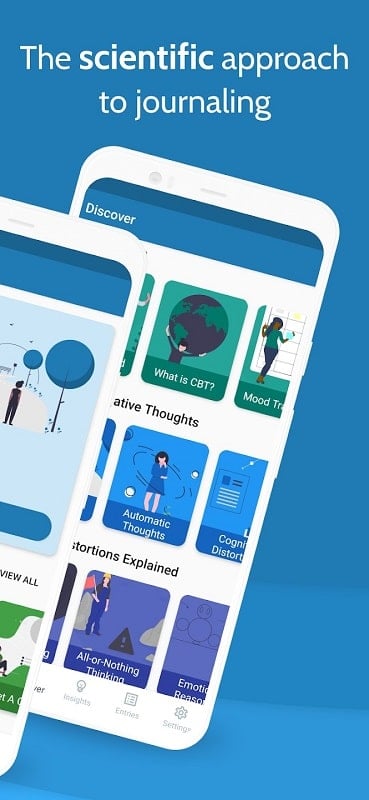
Clarity’s feature set focuses on accessibility and repeated small interventions: unlimited mood entries so users can log feelings as often as needed; emotion recognition via simple icons to make tracking low-friction; concise educational micro-lessons that introduce mental health concepts and practical strategies; and regularly rotated prompts that encourage deeper reflection. The app emphasizes privacy and a nonjudgmental space to vent, treating the journal as a confidential companion rather than a public feed. Audio meditations and breathing exercises are included to offer immediate calming techniques without requiring extensive time.
User Experience
The interface is intentionally straightforward so the friction to check in is minimal: select an emoticon, add a note or voice entry, and optionally follow a guided exercise. Users report that regular recording helps reveal patterns—what situations trigger anxious thoughts or low mood—and that the structured prompts accelerate self-reflection. The short lessons are delivered in bite-sized formats, which makes it easier to adopt new cognitive habits. Because Clarity requires only brief daily commitments, it fits into busy schedules while still supporting longer-term change.
Conclusion
For anyone seeking a private, coach-like app to support emotional regulation and mental habits, Clarity offers a balanced toolkit of mood tracking, CBT-informed prompts, and calming exercises. It won’t replace professional therapy for severe conditions, but it provides a low-barrier way to notice patterns, practice coping skills and bring a little steadiness to the day-to-day.